








English version of the interview here.
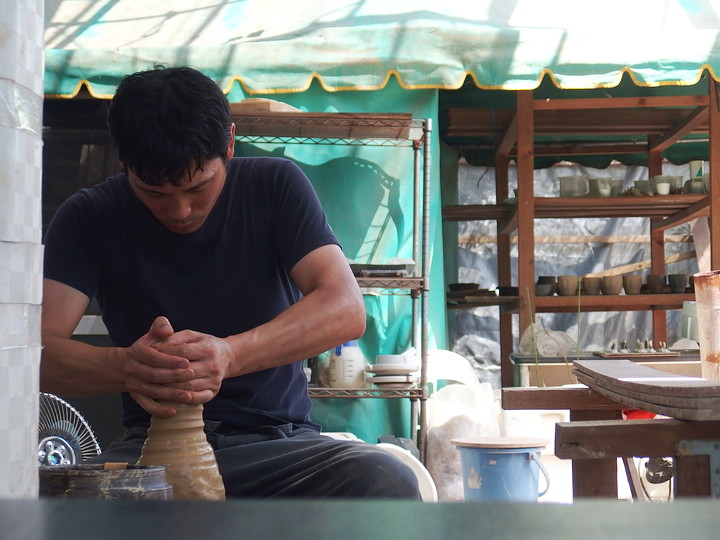
Only When You Have a Clear Vision of “What You Want to Create”…
Hanada: What first sparked your interest in making things?
Shinpei Ido : Even as a primary school student, I loved playing with clay. I would make action figures from Saint Seiya and think about what kind of armor would be cool. In junior high, I was completely absorbed in baseball, and in high school, I joined the shogi (Japanese chess) club. My older brother was really good at shogi and made me play against him since I was little, so I was quite confident. But once I got to high school, the level was completely different. (laughs) In terms of skill, I was about upper-middle.
Hanada: You really threw yourself into a variety of things.
Shinpei Ido : I like competitive things, and I enjoy thinking through strategies step by step.
Hanada: What did you do after graduating from high school?
Shinpei Ido : Watching “Iron Chef” made me want to become a chef when I was in primary school. But my whole family was strongly opposed to it, saying I was just being influenced by TV. In the end, I studied architecture at a local university. That was very enjoyable in its own way, but it didn’t match the scale of what I actually wanted to create. Architecture is just too big and complex.
Hanada: Yet, you were still drawn to the act of creating something tangible.
Shinpei Ido : Studying architecture still helps me today. No matter what you are making, you cannot create it if your vision remains vague. Only when you have a clear idea of “what you want to create” can you begin moving toward it. That is why constantly asking myself what I want to make is a vital part of my work.
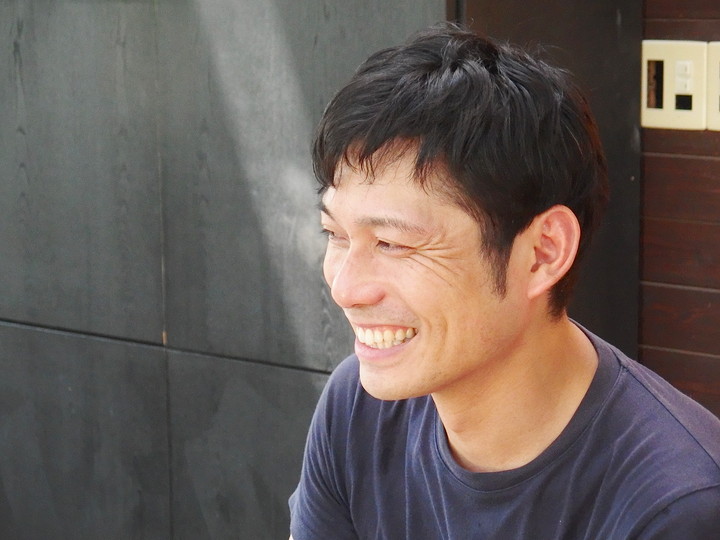
Discovering My Life’s Work
Hanada: Did you enter the world of tableware right after graduating from university?
Shinpei Ido : When I was a university student, I worked part-time in the kitchen at an izakaya. Whenever the head chef changed, the way the food was plated changed too. Seeing how drastically the presentation transformed the overall impression made me realize how much difference a piece of tableware could make, even for the exact same dish. That is what sparked my interest.
Hanada: So you already enjoyed cooking.
Shinpei Ido : It was mostly just for myself, but since primary school, I used to make simple things like fried rice, ramen, and curry. When friends came over, I would bake cheesecakes. Getting praised and seeing them happy made me even more enthusiastic. (laughs)
Hanada: I see, so you already had that kind of background.
Shinpei Ido : Once I discovered the appeal of tableware, things moved quickly. It just clicked all of a sudden. I knew I had found the life’s work I had been searching for.
Hanada: That is how meaningful encounters often happen, isn’t it? They arrive completely out of the blue one day.
Shinpei Ido : While talking to people and doing my own research, I came to know about Ryuta-gama. Their philosophy on the relationship between food and tableware resonated with me the most deeply.
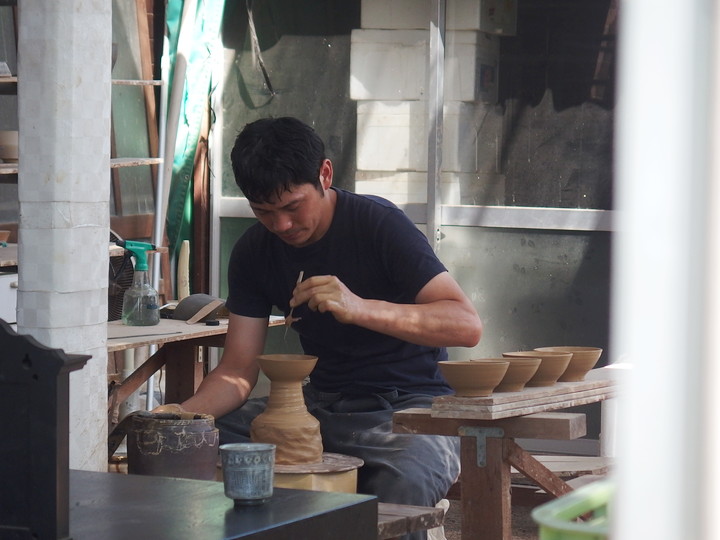
Practice, Practice, Practice
Hanada: How many years did you spend at Ryuta-gama?
Shinpei Ido : Three years. I learned a great deal from Mr. Taki Nakazato.
Hanada: Do apprentices there always start by throwing small plates on the wheel?
Shinpei Ido : Yes. Just like with Mr. Takashi Nakazato, the training begins with small plates and culminates with Tokkuri (Sake carafe). During the day, we did the pottery’s routine work. At night, we received lessons and practiced relentlessly. For a while, I only did preparatory work like wedging clay. After that, when I was finally allowed to try making small plates, it took me about eight months just to get approval.
Hanada: And it wasn’t as if you had attended a ceramic art school before that.
Shinpei Ido : Exactly. (laughs) So at first, I was completely at a loss. What I made looked absolutely nothing like Taki-sensei’s work. I remember borrowing a video camera to record myself; seeing how differently the clay moved as it was shaped was incredibly eye-opening and educational.

The Greatness of the “Ordinary” and “Everyday”
Hanada: Are there any words from Taki-sensei that left a particularly strong impression on you?
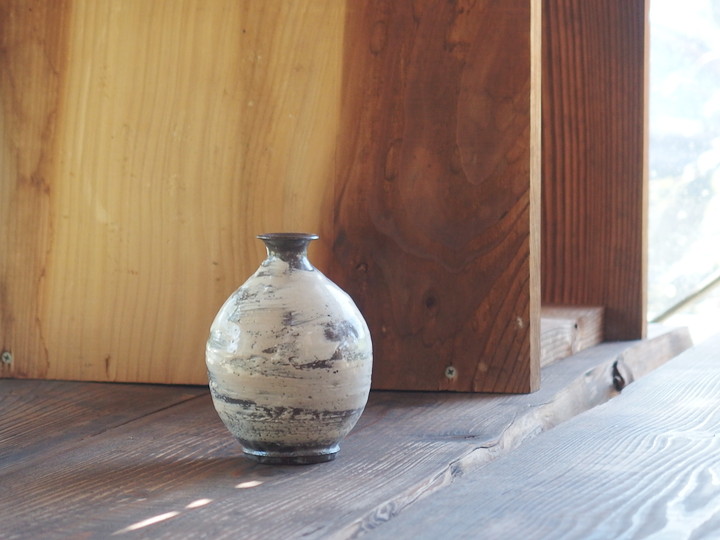
Shinpei Ido : I remember working hard after he told me, “Everyone’s hands are different, so you can only find your own sense of touch for yourself. I cannot teach you that.” Also, he always said that starting from small plates, the sake carafe is the culmination of all the basics. There was a moment when the meaning of those words clicked for me, and I felt incredibly happy realizing I had finally begun to understand the pottery wheel a little better.
Shinpei Ido : In any case, the moment you master one thing, you move straight to the next challenge, so you constantly feel like you can’t do anything right. I used to feel anxious, worried that I might lose the skills I had already acquired.
Hanada: So you were constantly hitting a wall.
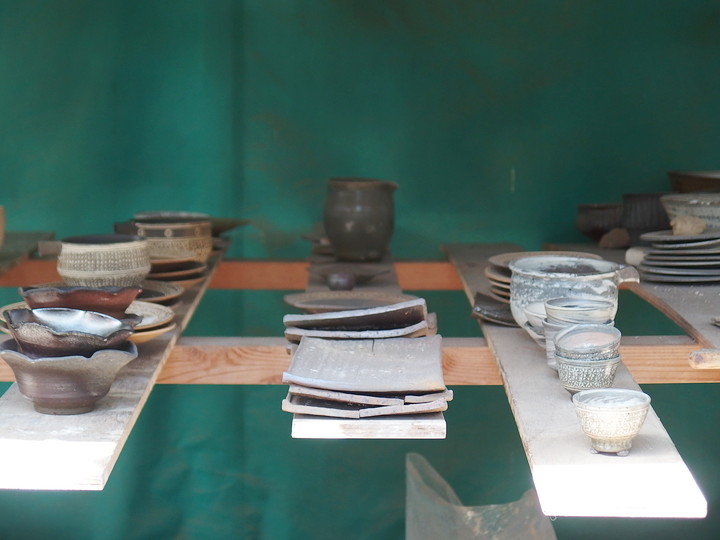
Shinpei Ido : At Ryuta-gama, the level of the “ordinary” and “everyday” is extraordinary. The baseline of what is expected is incredibly high, and that is simply treated as the norm. It comes down to a stoic dedication to the craft and a fierce pride in making tableware for a living. Half-hearted work was never tolerated, and that tense, focused atmosphere filled the entire workshop. However, I only truly realized this after setting up my own studio. Doing it myself made me understand, and looking back, I realize how exceptionally serious and dedicated their attitude was.
Hanada: What was the happiest moment for you?
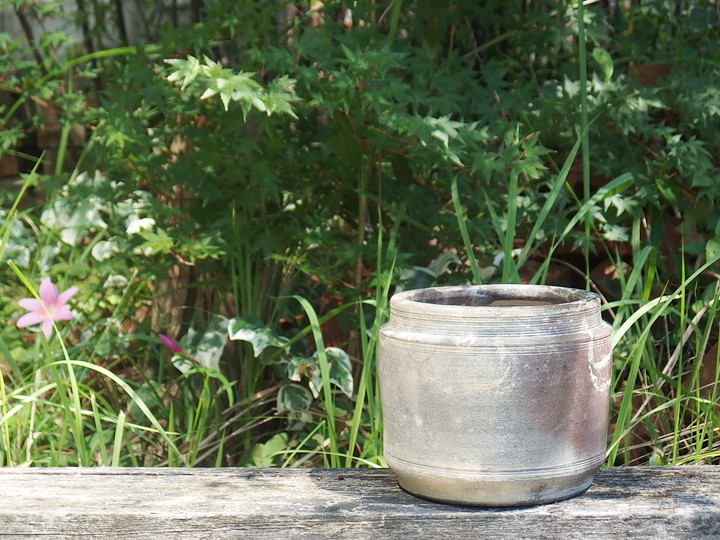
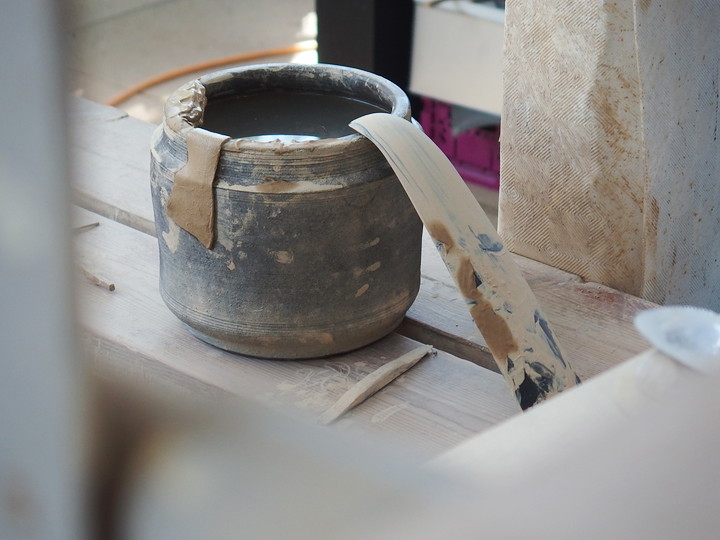
Shinpei Ido : When my graduation from Ryuta-gama was decided, Taki-sensei made a water jar and gave it to me instead of a diploma. That made me very happy.
Hanada: A tearful graduation ceremony, then.
Shinpei Ido : No… I’m actually not the type who can cry at moments like that. (laughs)
Admiring Kenzan
Hanada: What kind of pottery do you aspire to make?
Shinpei Ido : I greatly admire Kenzan Ogata. It’s not that I want to replicate his exact work, but I want to try creating pieces that carry that same kind of presence.
Hanada: A presence.
Shinpei Ido : His work has a certain allure, yet it never interferes with the food. His sense of color and composition is just incredible. It possesses a power that makes anyone who cooks feel an irresistible urge to plate food onto it.
Hanada: Is there anything in particular you love among Kenzan’s work?
Shinpei Ido : I like his mold-formed small bowls—the ones featuring motifs like maple leaves or flowing water patterns.
Making the Basics a Matter of Course
Hanada: Is there anything else you prioritize when making tableware?
Shinpei Ido : It sounds obvious, but being easy to use is essential.
Hanada: What does “easy to use” mean to you?
Shinpei Ido : For example, it means a piece that never makes you think anything negative when you pick it up, like “this is too heavy,” “the rim feels fragile,” or “this looks unrefined.”
Hanada: Those are the fundamentals, but they are incredibly important.
Shinpei Ido : Also, a chef friend of mine recently told me, “I think a great piece of tableware is one that requires no extra effort when plating food.” Hearing that was a real revelation. I want to aim for pieces where you don’t need decorative tricks; you just place the food on it, and it naturally looks beautiful. Even for everyday home cooks, a tiny bit of effort makes the exact same dish look completely different. Tableware like that is my ideal.
Shogen Imari
Hanada: Are there any new projects you would like to tackle in the future?
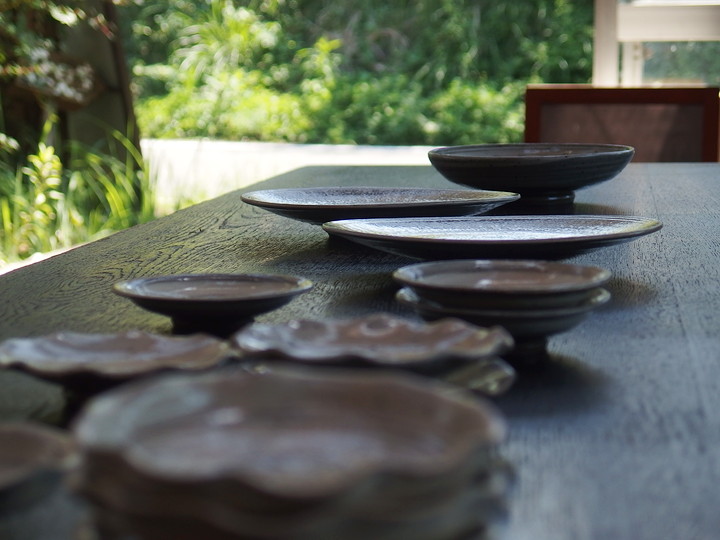
Shinpei Ido : I am thinking about expanding my range of glazes a bit more. Recently, I was captivated by a piece that looked like Shogen Imari with a celadon-like quality, and it made me want to try making something similar. The tone of the color was beautiful; it was bright, yet it immediately made me think, “This would showcase food wonderfully.”
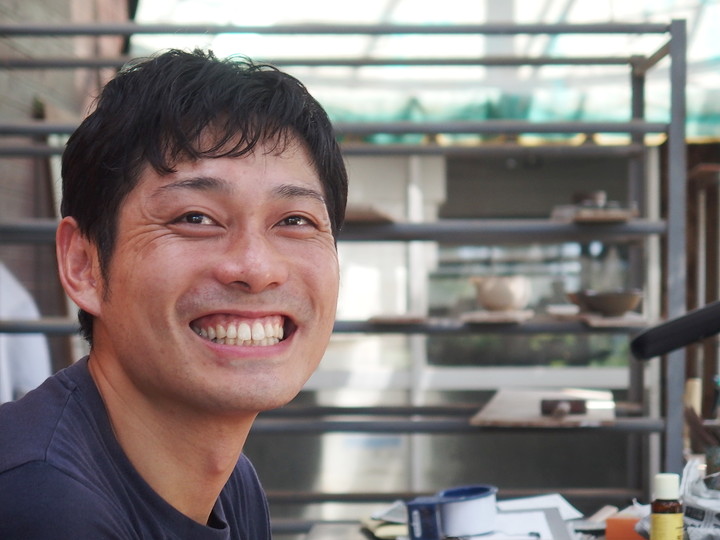
Hanada: Could you share a brief message for the upcoming exhibition?
Shinpei Ido : I hope everyone enjoys choosing pieces while imagining the everyday meals they cook at home. Thank you very much.

≪ END ≫
「作りたいもの」があって初めて・・・
花田: 井銅さんがモノ作りに関わるようになったきっかけは何だったのですか。(以下 花田-)
井銅: 小学生の頃から、粘土遊びなんかが好きでした。
聖闘士星矢の人形を作ったり、「こんな聖衣があったらいいな」って考えたり・・・。
中学は部活で野球一色。
高校は将棋部。
兄が将棋強くて、小さい頃から相手をさせられていて結構自信があったのですが、高校くらいになるとレベルが違いますね(笑)。
強さとしては中の上くらいでした。
-: 色々なことに熱中しているのですね。
井銅: 対決モノが好きで、ひとつひとつ戦法を考えるのが好きなんです。
-: 高校卒業後はどうされていたのですか?
井銅: 「料理の鉄人」を見て、小学校の時はコックになりたかったんです。
そうしたら家族全員から「テレビに影響をうけているだけだろう」って猛反対されました。
結局、地元の大学で建築を勉強していました。
それはそれで、とても楽しかったのですが、自分が作りたいと思うスケール感とは合わなくて・・・。
建築は大きくて、複雑すぎる。
-: ただ、モノを作り上げることには惹かれていたわけですね。
井銅: 建築の勉強をしたことは、今でも活きています。
何を作るにしても、何を作るのかがあやふやなままでは作れない。
「作りたいもの」があって、初めてそれに向かっていくことができる。
だから「自分が何を作りたいのか」を問い続けることは、自分の仕事にとって、とても大切なことなのです。
「自分の仕事」との出会い
-: うつわの世界には大学卒業後すぐに入られたのですか。
井銅: 大学生のときに居酒屋で調理のアルバイトをしていました。
調理長が変わると、盛り付けも変わるのですが、それで印象が大きく変わるのを見て「同じ料理でもこんなに変わるものか」と、うつわに興味を持つようになりました。
-: 料理が好きだったのですね。
井銅: ほとんど自分のためですけど、小学生のころからチャーハン、ラーメン、カレーなどの簡単なものは作っていました。
友達が遊びに来るっていうとチーズケーキを作ったり・・・。
それで褒められたり、喜ばれたりすると、ますます調子が出てくる(笑)。
-: そういうバックグラウンドもあったのですね。
井銅: うつわの魅力に出会ってからは早かったです。
急にピンときました。
探していた「自分の仕事」に出会えた。
-: 出会いとは、そういうものなのですね。 ある日、突然やってくる。
井銅: それで、人に相談したり、自分で調べたりしていたら、隆太窯を知りました。
料理とうつわとの関係についても一番グッと来るものがありました。
ひたすら練習
-: 隆太窯には何年いましたか?
井銅: 3年間です。 太亀先生に色々と教えていただきました。
-: やはり、まず小皿をひくのですか?
井銅: はい、小皿から始まって、徳利で終わるのは隆先生と変わりません。
昼は窯の仕事。
夜、教えてもらってひたすら練習していました。
しばらくは土練などの下仕事で、その後やらせてもらった小皿はクリアするのに8ヶ月くらい掛かりました。
-: 焼き物の学校に通っていたわけでもありません。
井銅: そうですよ(笑)。
だから、最初は途方に暮れました。
太亀先生が作るものと全く違うんです。
ビデオカメラを借りて、自分を撮影したら、成型されていく土の動きが全然違うのが分かって、とても勉強になったのを覚えています。
「普通」や「普段」が凄い
-: 印象深かった太亀先生の言葉は何かありますか。
井銅: 「人の手はそれぞれ違うから、自分の感覚は自分でしかつかめない。
それを教えることはできない」と言われて頑張ったのを覚えています。
あと、小皿から始まって「徳利が基本の集大成である」と先生もずっと仰っていて、そのことの意味が分かった瞬間があったのですが、やっと自分もロクロが少し分かるようになったな、って嬉しかったことがあります。
井銅: とにかく、一つできるようになると次の課題に取り組むので、状態としてはいつもできていない感じです。
以前に出来ていたことも出来なくなってしまうような気がして不安でした。
-: いつも何かぶち当たっている状態ですね。
井銅: 隆太窯は「普通」や「普段」が凄いんです。
求められているものの標準値が高くて、それが当たり前。
仕事に対するストイックさであり、うつわ作りを仕事にしているという強い自負ですかね。
気の抜けた仕事は嫌っていたし、そういう雰囲気が仕事場全体に張っていました。
ただ、それに気が付いたのは自分が独立してからです。
自分でやってみて分かりましたし、あそこは姿勢がとても真面目だったと思います。
-: 一番嬉しかったのは?
井銅: 隆太窯の卒業が決まった時に、太亀先生が水桶を作ってくれて、卒業証書の換わりにそれを下さった時は嬉しかったです。
-: 涙の卒業式ですね。
井銅: いや・・・僕、そういう時泣けないんですよ(笑)。
乾山に憧れて
-: 井銅さんが目指す焼き物とはどのようなものですか。
井銅: 乾山に憧れています。 乾山のようなものをしたいわけではなく、ああいう雰囲気を持っているものを作ってみたいと思っています。
-: 雰囲気。
井銅: 色気もあるし、料理の邪魔をしませんよね。
ああいう色彩感覚、構図感覚・・・凄いです。
料理する人間が「料理を盛りたい!」って引きずり込まれるようなパワーを持ったものです。
-: 乾山でも特に好きなものはありますか。
井銅: 型うちしたような向付は好きです。 楓とか、流水文とか・・・。
当たり前を当たり前に
-: 井銅さんがうつわ作りで大事にしていることは他にありますか。
井銅: 当たり前ですけど「使いやすい」ということです。
-: 井銅さんにとって「使いやすい」とは?
井銅: 例えば、うつわを持った時に「重いな」とか「口が欠けそうで心配だな」とか「野暮ったいな」とかってマイナスのことを思われないうつわです。
-: 基本の部分ですが、重要ですね。
井銅: あと、最近友達の料理人に「料理を盛り付けるときに余計なことをしなくていいのが、いいうつわだと思う」と言われてハッとしました。
装飾を必要とせず、料理をポンと盛ったら、キレイに映るようなうつわを心がけたいですね。
普通の人でも少し工夫すれば、料理自体は一緒でも、違って見える。
そんなうつわが理想です。
初源伊万里
-: これから取り組んでいきたい仕事は何かありますか。
井銅: 釉薬の幅をもう少し広げていこうと思っています。
この間、初源伊万里と思われる、青磁に近い感じのものに惹かれて「やってみたいな」と思うようになりました。
色の具合が良かったですし、明るい色だけど「これなら料理盛れるよね」って思えるものでした。
-: 企画展に向けて一言お願いします。
井銅: 皆さんが普段作っている料理を思い浮かべながらうつわ選びを楽しんで欲しいと思いますので、宜しくお願いします。
≫井銅心平さんの商品一覧はこちらから≪
関連記事はこちら