








English version of the interview here.
Off to Okinawa
Hanada: How did you both get into making pottery?
Keiji Miura : When I was a student, Shoji Hamada’s birthplace happened to be near my boarding house. There was also a local museum filled with his work, which sparked my interest in the Mingei folk art movement. After that, for some reason, I kept meeting people involved in ceramics. By the time I was around twenty, I naturally felt that this was the path I was meant to take. After attending a training school in Kyoto, I went to Okinawa for my apprenticeship. I loved Jiro Kinjo’s work, and I was drawn to the open, relaxed atmosphere of Okinawa, so I joined Yoneshi Matsuda’s studio. Even watching videos of Mr. Kinjo working outside under the sunset—it just seemed wonderful.
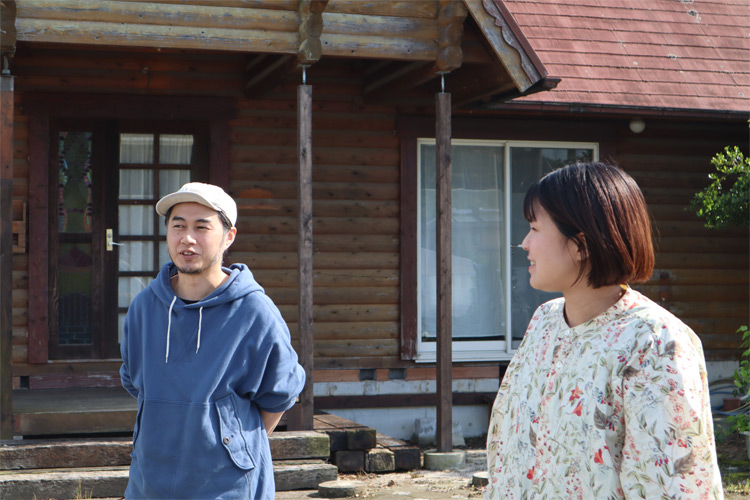
Encountering Different Lives
Arisa Miura : I was born and raised in Okinawa and had always focused on oil painting. However, I studied sculpture at a university in Hokkaido. After graduating, I worked at a psychiatric hospital in Okinawa, teaching art to patients. You meet all kinds of people there. There are so many different lives, and many different ways people pass away. Facing those individual ways of living and dying made me rethink the concept of funerary urns. It made me realize all over again that pottery is the very last thing human beings return to. That led me to apprentice under Masamori Yonahara. My husband was apprenticing in the same pottery village, Yachimun no Sato, which is where we met.
Hanada: Witnessing different lives and deaths…
Arisa Miura : I mainly worked in a locked ward. There were patients who became violent under lockdown, people brought in by the police, and individuals whose families had completely disowned them. There were cases where entire groups of siblings entered together and spent decades hospitalized, and even parents and children. Or the younger brother of someone very famous, whose family never came to visit even once. He eventually passed away there. There was also someone who was cheerful and laughing a lot one day, and then committed suicide the next. It’s something that could happen to anyone. It often starts with something minor, but without a way to resolve it, things unravel completely. People lose sleep, delusions expand, and that was the reality for most of them.
The Beginning
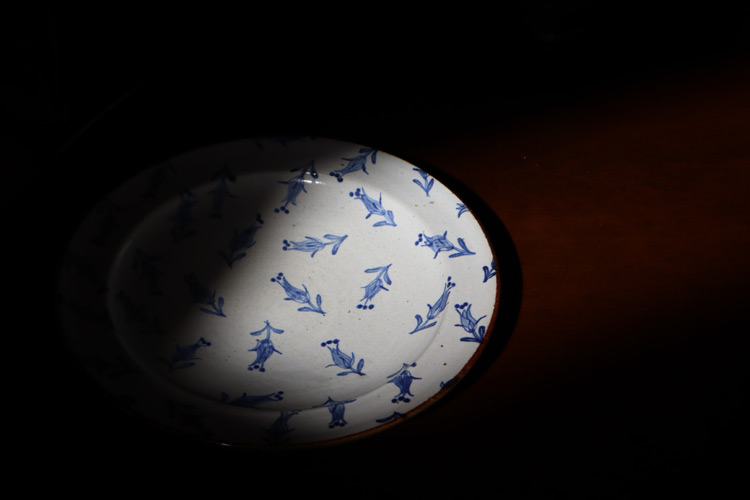
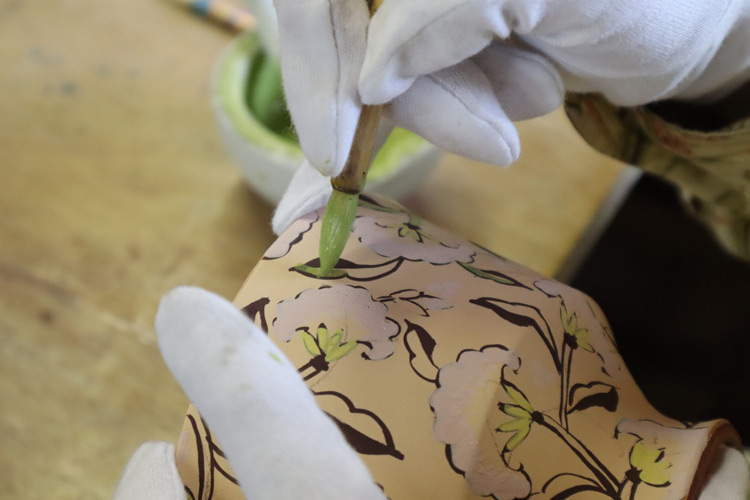
Keiji Miura : Later, I started my own independent studio in my hometown of Shunan, Yamaguchi. While respecting traditional techniques like Sometsuke (underglaze blue) and Akae (overglaze enamels), I wanted to create something unique in form. I used to make a lot of suggestions to my wife, but Arisa had never done that kind of work in Okinawa.
Arisa Miura : I didn’t really understand what he was talking about at first. It started with basic questions like, “What does dami (wash shading) mean?”
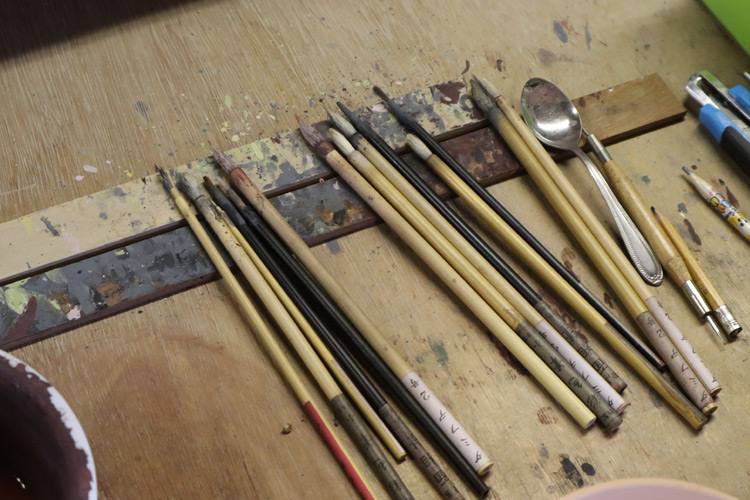
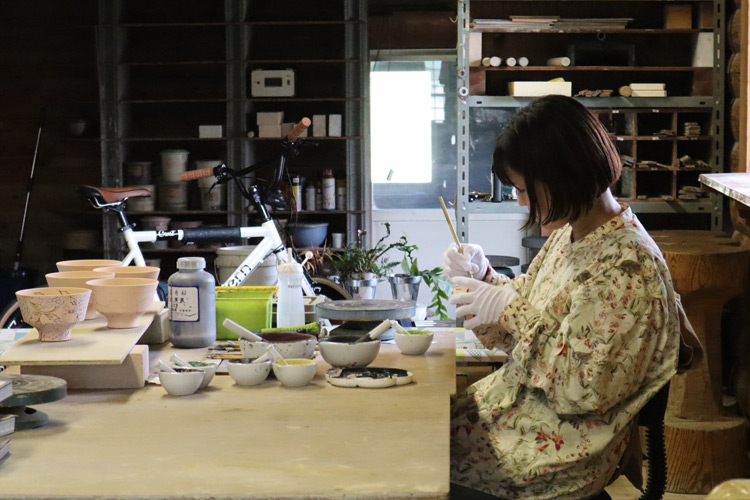
Keiji Miura : We divided the work—Arisa did the painting and I made the clay bodies—but we struggled until we developed a common language. I didn’t want her to just copy classics, but when I tried to explain concepts like composition, she almost had an allergic reaction to it.
Arisa Miura : I was under the impression that I had to do everything strictly by the book.
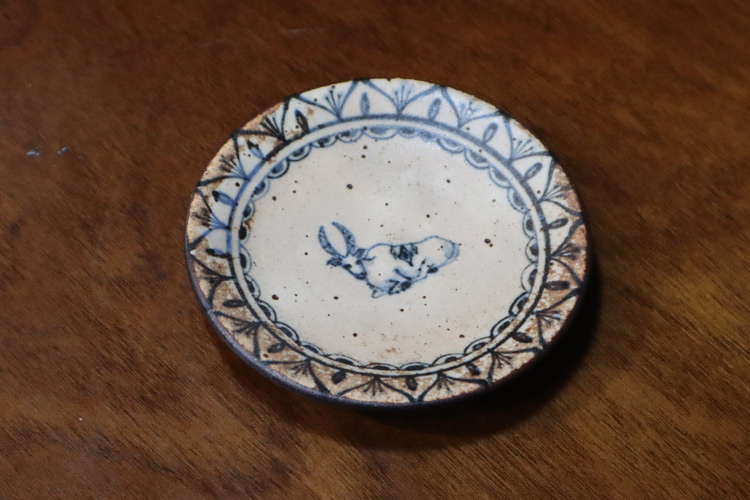
Keiji Miura : My goal was to create pieces that looked antique at first glance, but revealed themselves as modern studio pottery upon closer inspection. It took us a long time to share that vision.
Arisa Miura : During that time, I saw some British pottery influenced by Chinese styles, and it suddenly clicked. I realized that interpreting and expressing an interesting foreign culture through my own lens could be genuinely fun.
“Just trust me and follow my lead”
Hanada: So that’s how your current style was established.
Keiji Miura : Actually, before it was fully established, I did a bit of sales outreach, and orders started pouring in rapidly.
Arisa Miura : It felt like we suddenly had no choice but to just do it.
Keiji Miura : It wasn’t a glamorous story about a clash of artistic egos; we simply had to deliver results. So I told Arisa, “I know you have your preferences, but we don’t have time to debate. We might fail, but for now, just trust me and follow my lead.” And she accepted it.
Hanada: It is impressive that you went out to secure clients in that situation.
Keiji Miura : People often tell me, “I’ll give you credit for your sheer courage” (laughs).
A Misunderstanding
Hanada: Keiji, you also studied drawing at the training school in Kyoto, correct?
Keiji Miura : I was taught, but I can’t actually draw well. Despite that, I was giving Arisa instructions with an air of great authority. I kept expecting her to say, “If you have so much to say, draw it yourself,” but she never did. I thought, “Wow, she is so gentle and mature.” It was only much later that I realized it was all a misunderstanding.
Arisa Miura : Oh, I remember that (laughs).
Keiji Miura : Back in Kyoto, I had placed an antique Soba Choko cup with a dragon motif next to my own work. My wife completely assumed that I had made that antique cup.
Arisa Miura : I thought he was incredibly skilled.
Keiji Miura : She thought I was highly capable but simply choosing not to draw. If she had asked me to show her an example, I would have been completely exposed (laughs).
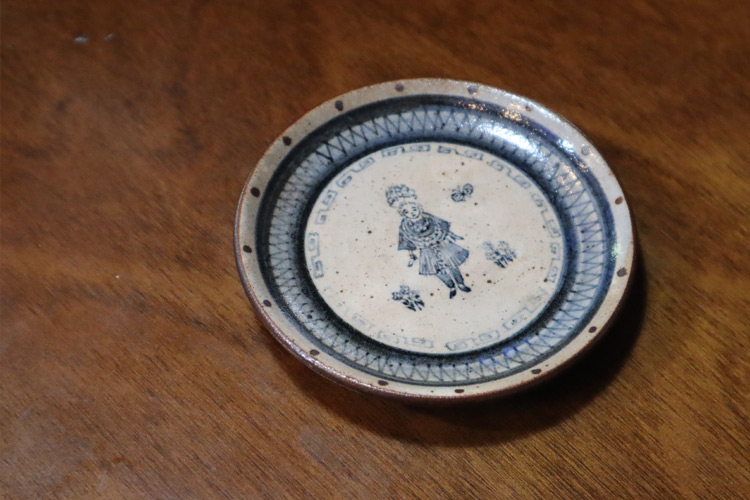
Arisa Miura : He used so many names and technical terms I had never heard of…
Hanada: So you were completely awed due to a misunderstanding (laughs). Since he wasn’t intentionally lying or pretending to be skilled, he spoke with absolute confidence, which made it all the more convincing.
The Principles of Visual Harmony
Hanada: Could you share what you value most when creating your work?
Keiji Miura : While motifs and styles evolve, I want to ensure that each concept is carefully edited. For instance, traditional designs and proportions have stood the test of time and survived through generations of human eyes. I want to respect those core principles. I used to give Arisa a lot of feedback on that, didn’t I?
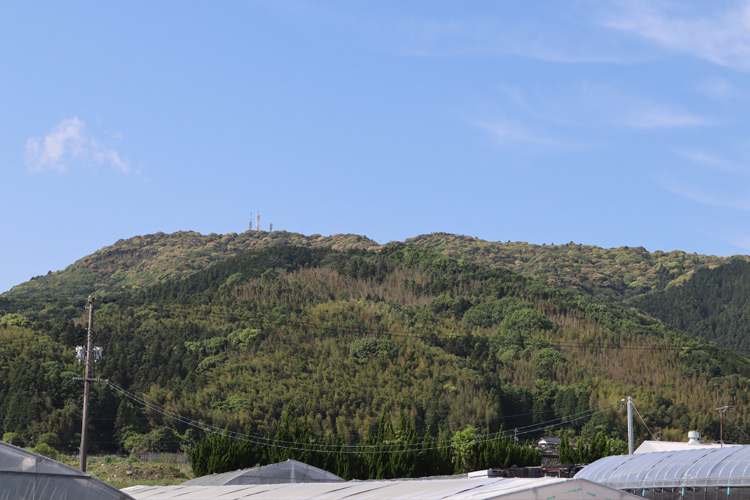
Arisa Miura : Well, at the time, I thought you were the expert illustrator (laughs). I followed along with a faint hope that if I listened to you, I’d eventually get the hang of it. That said, I have always deeply resonated with his underlying philosophy. For example, in nature, if you look closely at a mountain, the branches and grass grow wildly. But when you look at it from a distance as a whole mountain, it forms a beautiful, clean triangle. I believe there are inherent laws and meanings behind what we instinctively find visually pleasing. I feel that pottery shares those same principles.
A Wide Range of Motifs
Hanada: Your work features a very broad array of motifs.
Keiji Miura : Vikings, Scandinavian playing cards, the inner workings of clocks, mythologies from various cultures…
Arisa Miura : Things that make us feel, “This is something worth preserving.” We were into mythology for quite a long time. It allowed us to discover the origins of many different things.
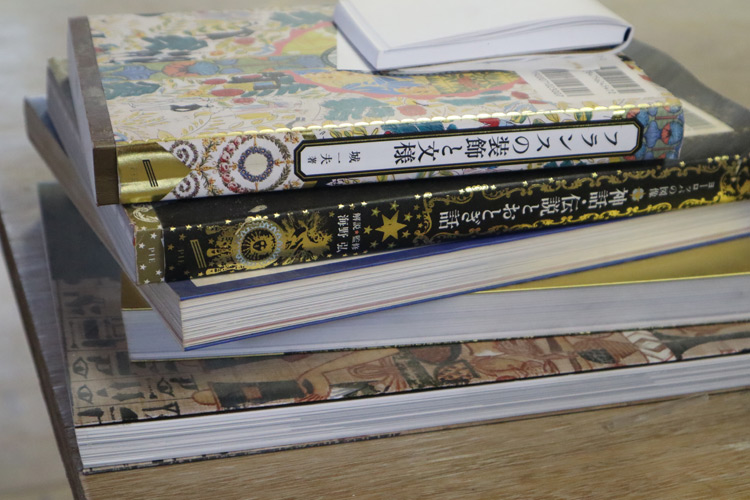
Keiji Miura : When you study ceramics, it naturally connects you to those themes. It started when we decided to explore Romanesque styles, which led us to dive deep into the Old Testament. From there, we discovered how mythologies around the world are interconnected. We also went through a phase of being fascinated by vintage cameras, accordions, and even the Flat Earth theory.
Hanada: Even the Flat Earth theory…
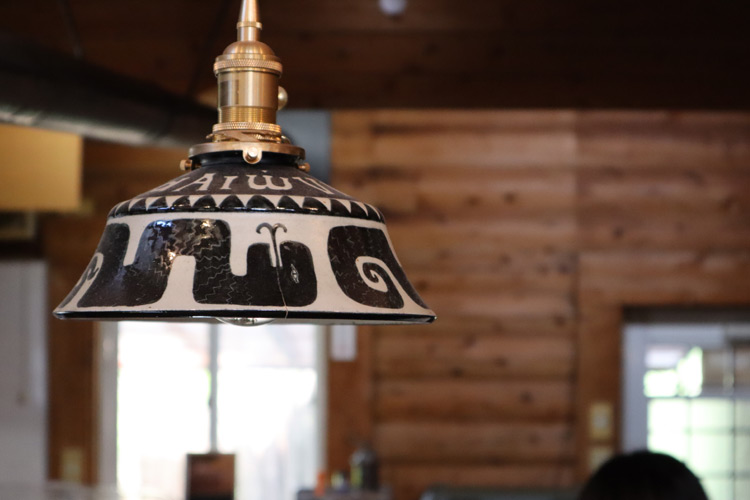
Keiji Miura : You know that old illustration where three elephants standing on a giant turtle support the Earth? We made a compote dish based on that.
Arisa Miura : I love that it remains a functional piece rather than just a decorative sculpture.
Keiji Miura : It even features the Ouroboros.
Hanada: You both seem to have so much fun talking about it.
Arisa Miura : It really condensed our sense of joy and curiosity. Though from a distance, it just looks like an ordinary footed centerpiece (laughs).
Focusing on Brushwork Rather Than Perfection
Hanada: How do you view each other’s craftsmanship?
Keiji Miura : Arisa’s strength lies in the character and rhythm of her brushwork. It’s not about rigid technical perfection, but rather the expressive quality of the stroke. She beautifully captures the essence of our discussions and brings those concepts into physical reality.
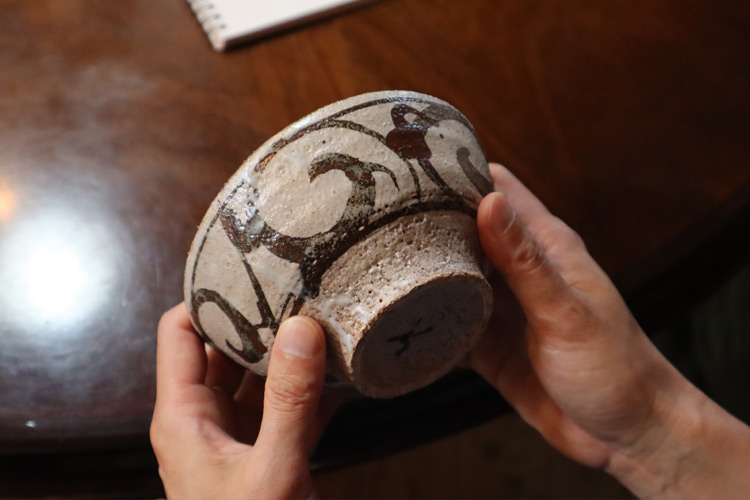
Arisa Miura : Keiji introduces me to aspects of the ceramic world I never knew existed. He is constantly researching, and I feel like he masterfully elevates my skills to help me express what I truly want to create.
Hanada: Arisa, how do you feel about the clay bodies that Keiji throws?
Arisa Miura : New shapes always excite me, and even our standard pieces become more refined each time he makes them. Seeing the freshly thrown pieces lined up in the studio often sparks immediate ideas and inspiration for my painting. When a clay form is inherently beautiful, it is easy to paint on, even if it is a brand-new shape.
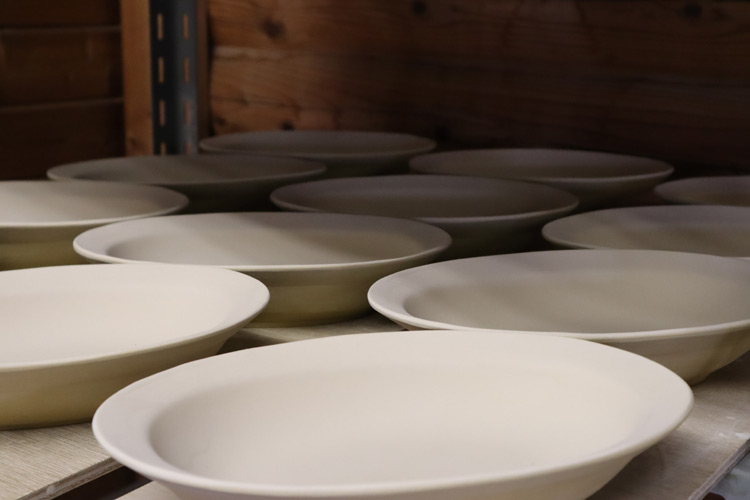
Hanada: For instance, where did the idea for this square plate with a wide rim and rounded corners come from?
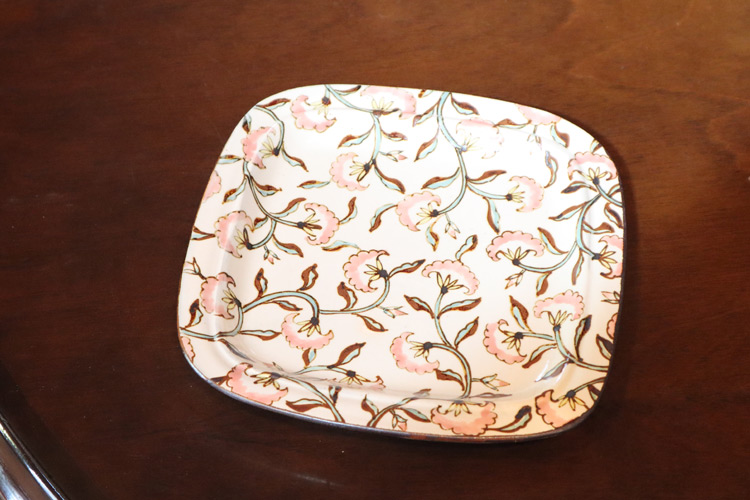
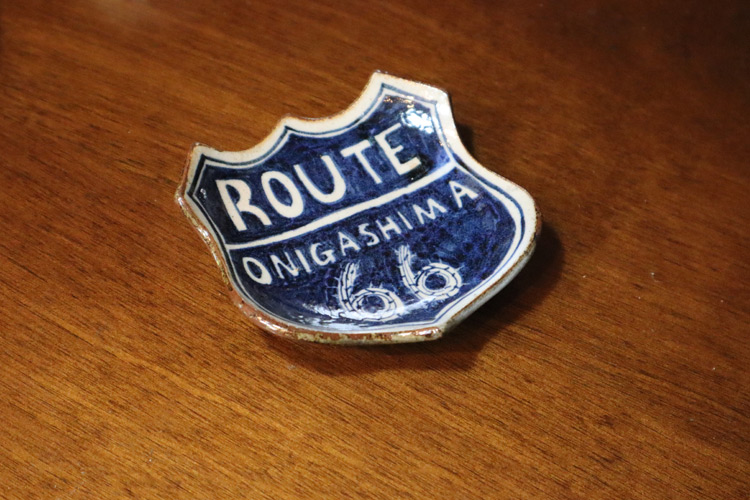
Keiji Miura : I saw a sign while traveling in the United States and thought, “That shape would make a great plate.”
Because There Are Two of Us
Hanada: Your work has garnered strong support from many customers.
Keiji Miura : We are incredibly grateful. However, when items sell out instantly, I sometimes worry that we aren’t introducing enough new ideas, and that we might just be catering to existing market demands. I feel that we are truly functioning as artists when some of our work challenges expectations—when a piece generates curiosity but isn’t immediately chosen. Then again, maybe I can only say that because there are two of us. If I were working alone, I might be much more cautious about customer reactions.
Hanada: Having a partner allows you to say, “That looks great, let’s go for it,” and find genuine enjoyment in taking risks together.
Keiji Miura : That is absolutely true.
Lusterware
Hanada: What would you like to explore next?
Keiji Miura : I want to create pieces that highlight Arisa’s strengths even more clearly, and I’d love to incorporate more spontaneous, improvisational elements. I have also wanted to explore lusterware for a long time. In fact, the original reason we adopted our current painting style was because we started exploring Middle Eastern patterns as a stepping stone toward lusterware.
Arisa Miura : I would love to see our own version of lusterware. It has been our goal since the very beginning.
Keiji Miura : We haven’t yet realized the goal we set when I was twenty-nine. We’ve simply come this far carried by momentum and circumstance.
Looking Ahead to the Exhibition
Hanada: Do you have a message for the upcoming exhibition?
Keiji Miura : I have always associated Hanada with a bright and elegant atmosphere. I hope to infuse that sense of brightness into our signature work.
Arisa Miura : I also feel that Hanada has an uplifting energy. The shop brings together wonderful artists and creates an exceptionally bright space. Visitors are bound to have an enjoyable experience, and I hope they have fun exploring our work as well.
Hanada: Thank you both very much.
≪ END ≫
沖縄へ
花田: 三浦さん達はどういった経緯でうつわ作りに関わるようになったのですか。(以下花田-)
三浦圭司:学生時代の下宿先の近所に濱田庄司さんの生家がありました。
近くの美術館にも、濱田さんのものがいっぱいあって、民芸に興味を持つようになりました。
その後も、なぜか出会う人が結構焼き物に関わっていて、20歳ぐらいの時に、気がついたら「こういう道に行くんだな」みたいな気分になっていました。
で、京都の訓練校のあと、沖縄で修業しました。金城次郎さんの仕事が好きでしたし、あの沖縄の開放的な雰囲気が好きで、松田米司さんのところへ行きました。
金城さんのビデオ見ていても、外で仕事していたり、夕焼けだったり・・・。最高じゃないですか。
色々な人生・・・
三浦アリサ:私は沖縄で生まれ育って、ずっと油絵を描いていていましたが、北海道の大学では彫刻を勉強し、卒業後、沖縄の病院の精神科で、患者さんに絵を教える仕事をしていました。
そこには、本当に色々な人がいます。色々な人生があって、色々な死がある。
それぞれの生き方や死に方に直面するうちに骨壺の存在を再認識した、というか・・・「人間が1番最後に返るのは焼き物なんだよな・・・」ってあらためて気づいたんです。
與那原正守さんに弟子入りしました。主人の修行先も同じやちむんの里で、主人とはそこで知り合いました。
-:色々な人生、死・・・。
三浦アリサ:基本は閉鎖病棟で、施錠されている状態で暴れる人とか、警察に連れられてくる人とか、家族に「自分たちの家族じゃないです」って言われる人とか・・・。
兄弟全員で入ってきて、何十年もそこで入院生活を送っていたり・・・。親子もいました。
或いは、すごく有名な方の弟さんで、でも、その家族が面会に一度も来ないとか・・・。
その方も、結局そのまま亡くなってしまった。
前日まで、元気で、たくさん笑っていたのに自殺・・・というのもありました。
誰もが、なり得ることですよね。きっかけは些細なことからで、自分で解決できないまま、ずっとずっとほつれていって、眠れなくなって、妄想が広がっていって、という方がほとんどでした。
始まり
三浦圭司:その後、僕の地元の山口周南で独立しました。
染付や赤絵など、技法としては伝統を抑えながら、つくりで面白いものやっていこうとしました。
で、僕から妻に結構提案していたのですが、アリサは沖縄でもそういうことはやったことがないわけです。
三浦アリサ: (圭司さんの)言っていることもよく分かりませんでした。
「ダミって何?」みたいな、そんなことからだった。
三浦圭司:絵付けはアリサ、素地は僕で分担していく中で、お互いにとっての共通言語が出来るまでは苦労しました。
別に古典を写してほしいわけではなくて「構図はこういうことだよ」と伝えようとしても、アレルギー反応が出るというか…。
三浦アリサ:きちんとその通りにやらないといけないと思い込んでいました。
三浦圭司:目指していたのは「パッと見、昔のものに見えて、よく見たら、現代の作家のもの」みたいな感じだったのですが、その雰囲気を共有できるまでに時間がかかったね。
三浦アリサ:そんな中で、中国の影響を受けたイギリスの焼き物を見た時に、自分の中で「あ、こういうことかな」ってストンときました。
外国の面白い文化を自分の中で解釈して表現するということが、楽しく思えたんです。
とりあえず、ついてきてください
-:それから今のスタイルが定まっていたのですね。
三浦圭司:いやそれが、定まる前に、ちょっと営業したら、仕事がどんどん決まっていってしまったんです。
三浦アリサ:なんか、やるしかなくなってしまった。
三浦圭司:「作家性のぶつかり合い」みたいな格好のいい話ではなくて、とにかく結果を出さなければならない状態でした。
で、アリサに「『やりたい』『やりたくない』はあると思うけど、話し合っている時間がない。失敗するかもしれんけど、とりあえず自分についてきてください」と言って受け入れてもらいました。
-:その状態で営業に行くのもすごいと思います。
三浦圭司:「その勇気だけは買うわ」ってよく言われます(笑)。
勘違い
-:圭司さんも京都の訓練校で絵の勉強をされています。
三浦圭司:習ってはいるけど描けないです。描けないのに、めっちゃ偉そうにアリサに教えていました。
「そこまで言うなら、自分で描きなよ」っていつか言い出すだろうなと思っていたんですけど、言わないんですよ。
「素直だし、人間、できているな」と思っていたら、大分あとになって勘違いであることを知りました。
三浦アリサ:あったねー(笑)。
三浦圭司:京都の頃の自分の作品の横に、骨董の龍文様のそば猪口を置いていたんですけど、妻は、それを僕の作ったものだと思い込んでいたんです。
三浦アリサ:すごい上手いと思っていました。
三浦圭司:上手いのに敢えて描いていないと思っていた・・・。
「お手本見せて」なんて言われていたら、終わっていましたね(笑)。
三浦アリサ:知らない名前とか言葉とかいっぱい言ってくるし・・・。
-:勘違いしたまま圧倒されているという・・・(笑)。
本人も、うそをついているつもりも、上手い振りをしているつもりもないから堂々としていて、ますます強いですよね。
見ていて気持ちいいものの法則
-:モノを作る上で大切にしていることを教えていただけますか。
三浦圭司:モチーフやスタイルは変わっていくものですが、それぞれ編集はきっちりやっていきたいです。
例えば、昔から使われているデザインや割り方は長い時間の中、人の目をくぐり抜けてきているわけですよね。
そういう原則には則っていきたいです。以前は色々指摘していたよね。
三浦アリサ:当時は「描ける人」だから(笑)。
「言うこと聞いていればそのうちできるようになるんだろう」って淡く期待しながら従っていました(笑)。
ただ元々、考え方にはすごく共感しているんです。
例えば、自然界も近くで見るとでたらめに枝が伸びていたり、草が生えていたりしますけど、遠くから山として見ると綺麗な三角ですよね。
見ていて気持ちいいと思う中に、法則や意味があるんだろうなって。
多分、焼き物にもそういう法則があるんだと思っています。
様々なモチーフ
-:三浦さん達の仕事は、モチーフも幅広いです。
三浦圭司:バイキング、北欧のトランプ、時計の中身、色々な国の神話・・・。
三浦アリサ:「残しておきたいな」と感じるものです。
神話は割と長い間私たちの間では流行っていました。色々なことの起源を知ることが出来ました。
三浦圭司:焼き物を学んでいると、どうしても、そういうことにつながっていきます。
「ロマネスクをやろう」となって旧約聖書を掘り下げていったことがきっかけでしたが、そこから世界中の神話が繋がっていることを知りました。
カメラも流行ったよね。アコーディオンとか、地球平面説とかも・・・。
-:地球平面説まで・・・。
三浦圭司:大きな亀の上の3頭の像が地球を支えている絵、あるじゃないですか。
あれでコンポートを作りました。
三浦アリサ:オブジェではないところが、すごいなと思います。
三浦圭司: ウロボロスがいてね。
-:楽しそうにお話しされますね。
三浦アリサ:なんか楽しみや面白さがが凝縮されているものでした。
遠くから見たら、ただの花器のようなコンポートにしか見えませんけど(笑)。
「上手」ではなく「筆味」
-:お互いの仕事ぶりについては、それぞれどのように感じているのですか。
三浦圭司:アリサは筆味やリズミカルさが持ち味で、「上手」ではなく「筆味」として感じさせてくれます。
そして、僕の話からきちんとその本質、というか「ああ、確かに」って気づかせてくれるようなことを拾って、形にしてくれます。
三浦アリサ:(圭司さんは)私の知らない焼き物の世界を見せてくれますし、いつも色々なことを調べてくれて、私が本当にやりたかったことに、うまく引き上げてもらっている気分です。
-:アリサさんは圭司さんのつくる素地についてどのように感じているのですか。
三浦アリサ:新しい形はいつもワクワクしますし、既存のものも、作るたびにキレイになっていきます。
あと、ロクロを引いた直後の並んでいる素地を見た時に「これに描きたいな」と思ったり、自分の中でイメージが膨らんでいったりすることも、日々あります。
「キレイ」って思える素地は、初めてのものでも、絵付しやすいです。
-:例えば、このリムのある角の取れた四方皿なんて、どこからアイデアが出てくるのでしょうか。
三浦圭司:アメリカに旅行した時に看板を見て「この看板の形、皿にできるぞ」って。
二人だからこそ
-:多くのお客様の支持も得ています。
三浦圭司:感謝しかありません。
ただ、すぐに完売してしまうと、新たな提案が出来ておらず、お客さんの現在のニーズに合わせているだけの仕事なのかなと、不安にもなります。
受け入れられないものがあったり、興味は示されるけど選ばれないものが多かったりする時こそ、本当は作家として機能している時なのかな。
いや、2人だからそんなこと言っていられるのかも知れませんね。
1人だったらもう少し、お客様の反応に対して臆病になるかも・・・。
-:「いいね、それ。いいよ、いいよ、やろうよ」って、挑戦を面白がれるのは2人いるからかもしれませんね。
三浦圭司:ほんと、そうですね。
ラスター彩
-:これからやっていきたいことはどんなことですか。
三浦圭司:アリサの魅力をより分かりやすく表現できる作品を目指したいですし、即興っぽいものも増やしていきたいです。
あと実は、ラスター彩をずっとやりたいなと思っています。
そもそもこういう絵付けになったのは、ラスター彩をやるために中東っぽい絵付けに取り組んだのがきっかけです。
三浦アリサ:見たいですね、自分たちのラスター彩を。
始めた頃の目標ですから。
三浦圭司:29歳の時にやりたいと思ったことを実現できていないんですよね。
勢いと流れで、ここまで来てしまいましたけど。
展示会に向けて
-:展示会に向けて、お願いします。
三浦圭司:花田さんには、明るくて華やかな印象を持っています。
いつもの仕事に、華やかさを加えられればいいなと思っています。
三浦アリサ:私も、花田さんには「気持ちが上がる」雰囲気を感じています。
扱われている作家さんもそうですし、すごく明るい空間作りをされているなって。
来る人は多分楽しいと思うので、私たちの仕事も楽しんで見てもらえたらなと思います。
-:有難うございました。
関連記事はこちら