







English version of the interview here.
Unable to Give Up Working with Silver…
Hanada: Could you tell us how you came to focus on your current work, centered on silver cutlery?
Shutaro Miwa : After graduating from a jewelry vocational school, I was wondering what to do next. That was when I came across a jewelry shop in a local shopping district, started by a craftsman from Kobe who had relocated after the Great Hanshin Earthquake. The shop was beautifully and tastefully arranged, so I eagerly asked him to take me on as an apprentice, basically showing up uninvited.
Hanada: Did he accept you?
Shutaro Miwa : Well, I kept going there. He used to tell me, “You’re not my apprentice. You just show up here on your own accord.”
Hanada: (Laughs)
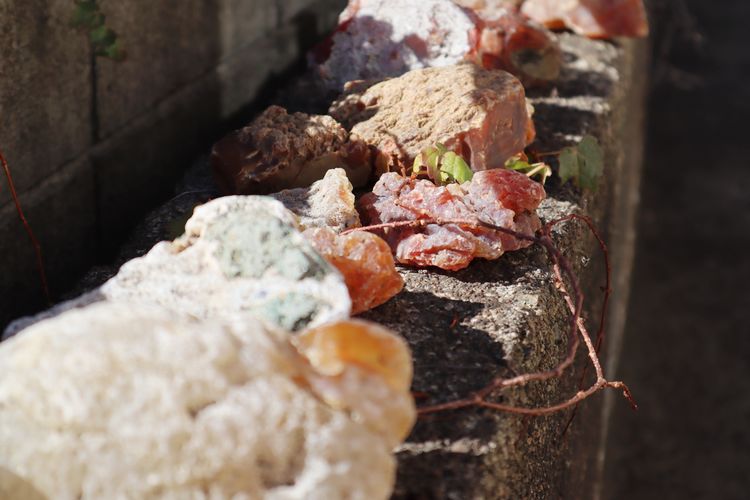
Shutaro Miwa : I wanted to work with silver, but right at the beginning, he told me, “You can’t make a living with silver in the jewelry industry. You should focus on fine jewelry.” In other words, he was telling me to give up working with silver.
Hanada: Did you give it up?
Shutaro Miwa : I said yes. However, I also told him, “I already learned the basics of jewelry making at school, so I want you to teach me the advanced techniques.”
Hanada: You showed up uninvited and then said, “I don’t need the basics, teach me the advanced stuff”? (Laughs)
Shutaro Miwa : It was the fearlessness of youth. Back then, it seemed I had developed some strange habits in my technique, and I was constantly getting scolded. Whenever I said, “This is how we did it at school…”
Hanada: I imagine you got a severe scolding for that.
Shutaro Miwa : Yes, indeed (laughs). I was quite confident back then, so I would accidentally let slip what I was really thinking, especially when we were out drinking. Anyway, I was getting scolded every single day for one reason or another.
Hanada: So you were close enough to go drinking together.
Shutaro Miwa : Looking back, it was a very precious time, and I was able to hear many wonderful stories. Then, after about a year and a half, he told me, “You’re really not cut out for this, so you should quit.”
Hanada: “Not cut out for it”?
Shutaro Miwa : In the end, you see, I had been making silver accessories the entire time when the master wasn’t around.
Hanada: (Laughs) Did he know?
Shutaro Miwa : I am sure he did. So he told me, “If you can’t listen to what I say, get out. I have no intention of teaching you any more jewelry work, so do whatever you like.”
At This Rate…
Shutaro Miwa : After leaving my master, I had no choice but to work on my own, but I just kept making what I liked, endlessly. Naturally, they didn’t sell. A jewelry gallery owner even told me, “I don’t need these mask accessories; they look like they’re cursed.”
Hanada: Cursed mask accessories?
Shutaro Miwa : I really liked masks back then. Onigawara (Japanese ogre roof tiles) too. When I made an ogre tile piece and brought it in, I was told, “Please don’t make these. If someone puts it in their pocket, the horns will catch and rip their trousers.” Then there was the seaweed ring. Kelp and wakame seaweed were twisted and intertwined, with a tiny fish caught between them.
Hanada: From your perspective, you felt you were showing them your finest, best work.
Shutaro Miwa : I brought them in thinking, “This is a one-of-a-kind piece, it will definitely do well,” but everywhere I went, I was laughed at. Before long, I started participating in craft fairs, but I also felt a growing anxiety that things would go badly if I kept going like this.
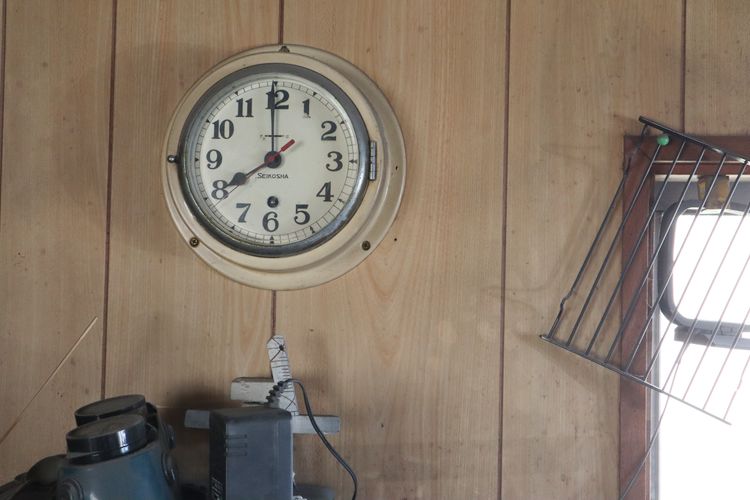
Hanada: On the other hand, there was also a part of you that just wanted to make what you wanted to make.
Shutaro Miwa : Yes, like “I want to create my own original work, and I hate being told what to do.” You can’t help but think that way, right? However, unlike today, there was no social media, so there wasn’t much I could do. The younger generation today can just host preorder events on social media without even going to galleries or craft fairs. Then, after a while, they post something like, “I’ve moved to a new studio.” I’m genuinely amazed by how incredible young craftspeople are these days (laughs).
Hanada: You are very honest. You could at least pretend to be uninterested in those things (laughs). So, did you continue making only what you liked?
Shutaro Miwa : I started making items that were relatively cute, like flowers and mushrooms. If I only made ogre tiles and seaweed, my inventory would just keep piling up (laughs). Eventually, I began receiving invitations to group exhibitions, but accessories tend to get buried. Especially when other artists are displaying items like tableware or woodwork, my pieces are small, so they would usually get pushed into the corner of the venue. Consequently, my booth was always tiny. While everyone else had a two-meter square space, I only had 50cm by 50cm (laughs).
Hanada: And you would fit quite cutely into that little corner (laughs).
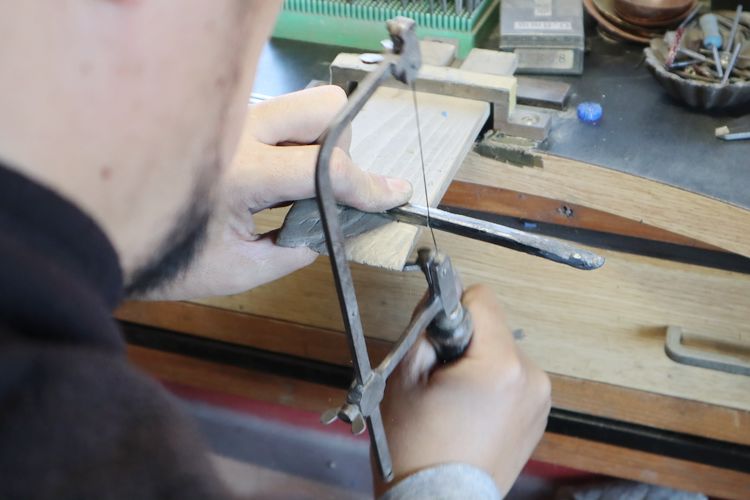
I Can Do Cutlery, Though…
Shutaro Miwa : I became friends with ceramic artists, and we would talk about wanting to collaborate, but they would hesitate, saying, “Well, with you, Miwa-kun, it’s accessories, so…” That was when I blurted out, “I can do cutlery, though.” In fact, I had made some in the past.
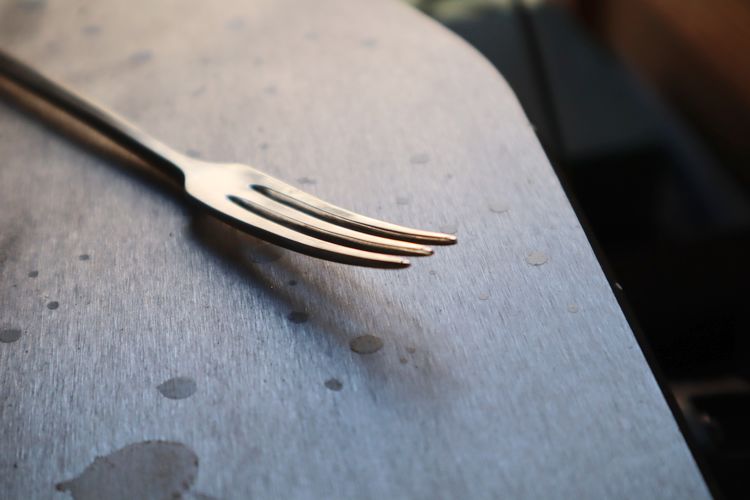
Hanada: That became the turning point.
Shutaro Miwa : Yes. Even when making jewelry, I had a habit of preparing my own materials from scratch through a process called metal alloy making. Because of that, I was surprisingly able to establish my own approach to cutlery right from the start.
Hanada: What is metal alloy making?
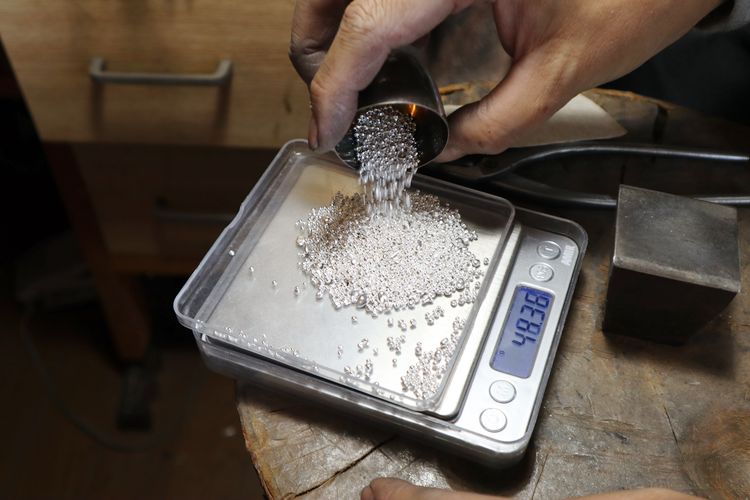
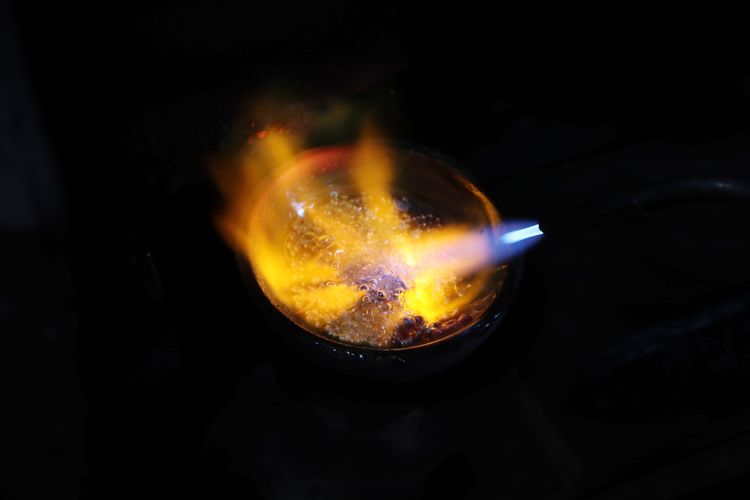
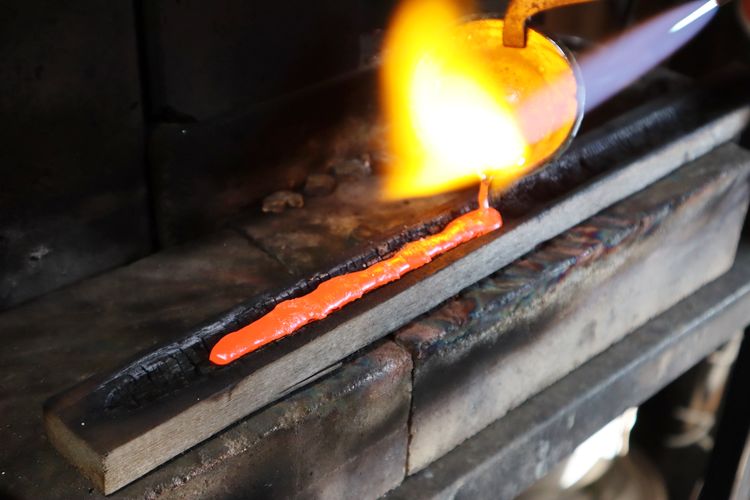
Shutaro Miwa : It begins with mixing pure 100% silver grains, called sasabuki, with copper. I work at night when the flames are clearly visible, measuring the weights, heating them, and pouring the mixture into a mold to form a bar. I set everything up so that when I wake up the next morning, I can immediately begin hammering and stretching it out.
Hanada: Could you tell us what charms you about silver as a material?
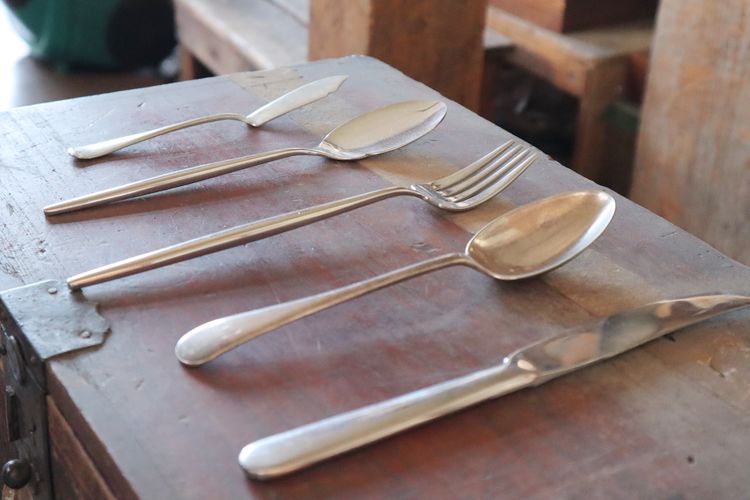
Shutaro Miwa : Silver reflects light beautifully. In old indoor settings before electric lights, when it was dark, candle flames must have sparkled beautifully against silver cutlery. Silver also possesses a coexistence of beauty and vulnerability. It requires maintenance, and you cannot use it without affection. That vulnerability is part of what makes silver so wonderful.
Hanada: How do you feel about other materials?
Shutaro Miwa : I like the color tones of brass. It changes significantly over time, so the more it is used, the more a unique character develops on its surface. For aluminum, I hammer it to give it a rough, textured look before I begin shaping it. Gold is undeniably beautiful. Copper looks excellent whether it is polished to a high shine or allowed to tarnish. It really follows the Olympic order of gold, silver, and bronze. There is a reason why there is no aluminum medal.
“Everyday Use” and a “Special Feeling”
Hanada: I believe one of the charms of your work is how a “special feeling” is added to “everyday use.”
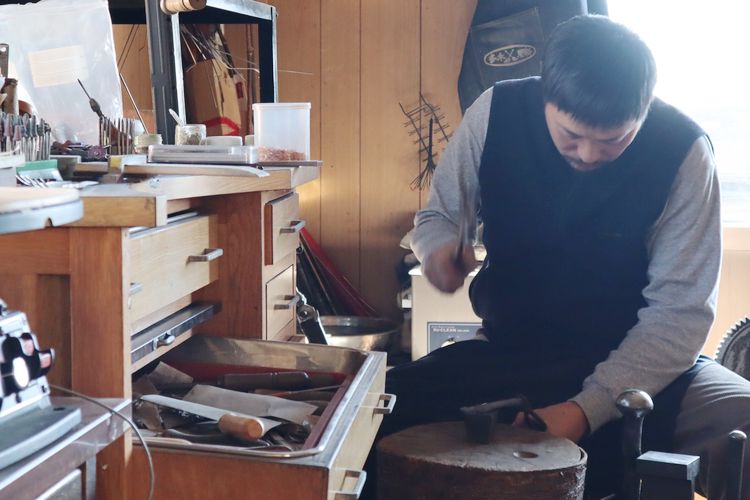
Shutaro Miwa : While I make functional items, I also incorporate decorative details. Working on decorative elements comes from my experience with accessories, and I find it enjoyable. I want my work to be something people find themselves using every day, but at the same time, I hope they will use it as a special tool on memorable days, thinking, “Since that person is visiting, I will use this today.” In my own home, my wife tends to put my cutlery away, trying to save it for special occasions.
Hanada: She treasures them deeply.
Shutaro Miwa : Yes. I am happy about it, but while it is put away, it often ends up misplaced somewhere.
Hanada: (Laughs)
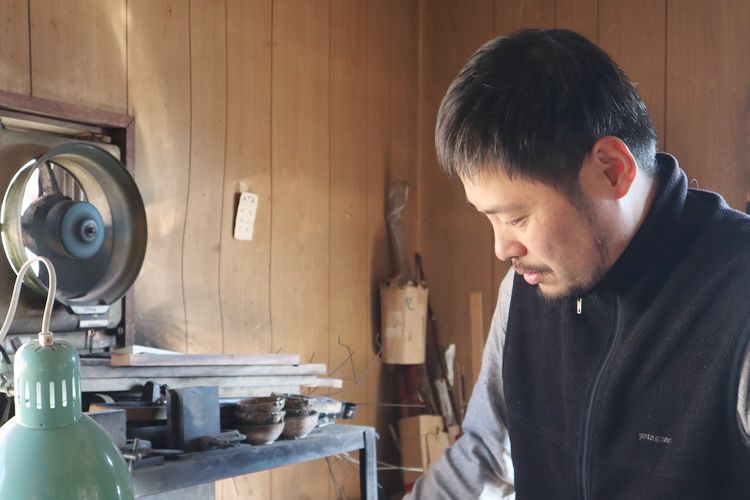
Shutaro Miwa : In any case, I will continue to think about what makes an object something people want to keep using. Cutlery involves repetitive tasks, so it is easy to stop thinking during the process, but I make a conscious effort to stay engaged.
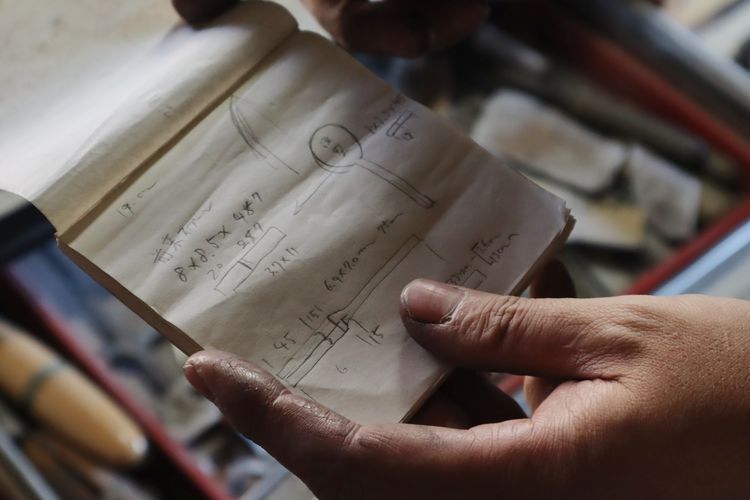
Something That Transcends Time Without Being Left Behind
Hanada: Is there anything specific you are aiming for?
Shutaro Miwa : I use antique British cutlery myself, and some of the older pieces are 400 years old. My goal is to create objects that endure for centuries like that. Decorations can sometimes be left behind by time, but some transcend it. I hope that fifty years from now, a grandchild of a current customer will pull one of my spoons out from somewhere and think, “Oh, this spoon is quite nice,” or “Maybe I’ll try using it.” Antique objects can teach us so many things.
Hanada: What do those 400-year-old antiques teach you?
Shutaro Miwa : Excellent cutlery feels like an extension of your fingers. It is the sensation that your own fingers have become the spoon or the fork. I want to create cutlery that offers that exact feeling.
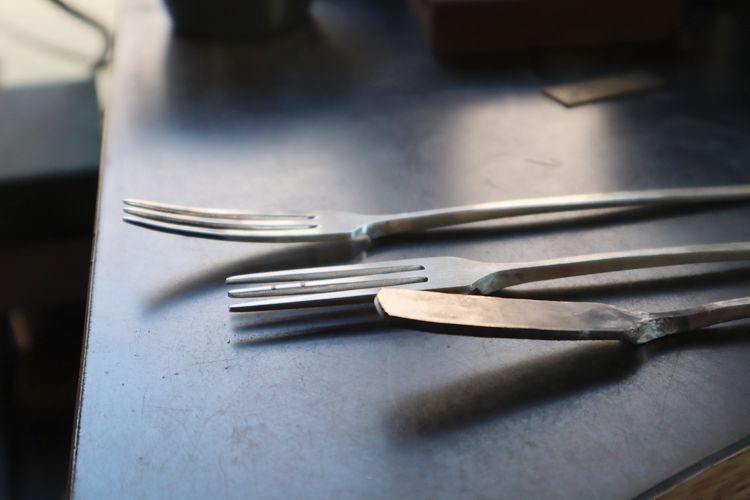
Something That Makes You Hesitate to Pick It Up…
Hanada: Please tell us about your plans for the future.
Shutaro Miwa : Until now, I have only made objects that fit within the palm of a hand, so in the future, I would like to try making larger pieces that require opening both hands.
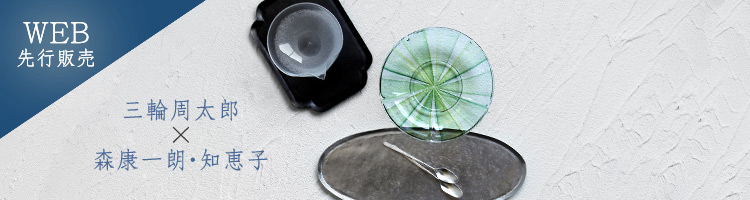
Hanada: Could you also share a brief message regarding the upcoming exhibition?
Shutaro Miwa : Since I am being given a large space for the exhibition, I want to create works that do not blend into the surroundings, but rather seem to float slightly within the space. I think it would be interesting to have pieces that make people hesitate just a little before picking them up.
Hanada: You don’t mean ogre tiles or seaweed, right?
Shutaro Miwa : No, definitely not (laughs).
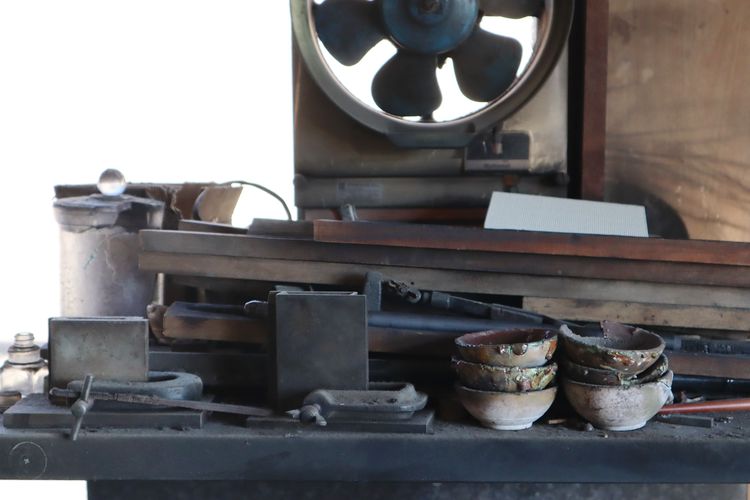
≪ END ≫
銀の仕事をやめられず・・・
花田:現在の、銀カトラリーを中心としたお仕事に至ったお話を聞かせてください。(以下花田-)
三輪:ジュエリーの専門学校を卒業後「どうしようかな」と考えていた時に、阪神大震災の影響で移ってこられた神戸の職人さんが地元の商店街で始められたジュエリーのお店に出会いました。センスあふれるお店作りで、その方に弟子入りをお願いして、押しかけました。
-:受け入れてもらえたのですか?
三輪:通ってはいました。
よく「お前は弟子じゃない。勝手に来ただけだから」と言われていましたが・・・。
-: (笑)
三輪:僕は銀の仕事をしたかったのですが、最初に「宝飾業界は銀では食っていけない、ジュエリーをしなさい」と言われました。
つまり、銀の仕事はやめろということです。
-:やめられたのですか。
三輪:「はい」と答えました。
ただ僕も「ジュエリーの基礎は専門学校で習っているので、応用を教えてほしい」って言ったんです。
-:押しかけた上に「基礎は要らないから応用を教えろ」ですか(笑)。
三輪:若さゆえの怖いもの知らずですね。
で当時、どうも変な手癖がついていたらしく、ずっと怒られていました。
「専門学校ではこうやっていました」なんて言ったら・・・。
-:こっぴどく叱られそうですね。
三輪:ええ(笑)。
当時、自分に自信もあったから、思っていることを、飲んでいる時なんかにもついポロっと言っちゃうんですよ。
とにかく毎日、色々な理由で怒られていました。
-:一緒に飲むような仲だったのですね。
三輪:今、思えば大変貴重な時間で、いい話をたくさん聞くことができました。
その後、1年半くらいしたら「お前、やっぱり向いていないからやめろ」と言われました。
-:「向いていない」ですか?
三輪:結局ですね、先生のいないところで銀のアクセサリーをずっと作っていたんです。
-:(笑)。先生はご存じでしたか?
三輪:それはそうだと思いますよ。
で「俺の言うこと聞けないなら出ていけ。ジュエリーの仕事をこれ以上教える気はないからあとは好きにしなさい」と。
このままでは・・・
三輪:先生のもとを離れてからは、仕方なく一人でやっていたのですが、相変わらず、自分の好きな物を延々と作っている。当然のことながら、売れません。
ジュエリーギャラリーのオーナーに「こんな呪われそうな仮面のアクセサリー要らない」とか言われて・・・。
-:呪われそうな仮面のアクセサリーですか。
三輪:当時、仮面が好きだったんです。鬼瓦とかも・・・。
鬼瓦を作って持って行ったら「ポケットに入れたら、角が引っかかって、ズボンが破れるからやめてほしい」とかなんとか言われて・・・。
あとはわかめの指輪とか・・・。
昆布とわかめが捻じれながら絡み合っていて、その間に小さい魚がいるんです。
-:ご自身としては、いい出来栄えで最高のものを見せているわけです。
三輪:「これはもう、一点ものだし絶対いけるだろう」と思って持って行くのですが、どこに行っても、鼻で笑われる。
そのうち、クラフトフェアにも出展するようになりましたが、やはり「このままでは、まずいな」という焦りもありました。
-:一方で、自分の作りたいものだけを作っていたい気持ちもある。
三輪:「俺のオリジナル作りたい、人に指図されて作るのは嫌だ」みたいな・・・。
そういうことを考えてしまうじゃないですか。
ただ、今のように、SNSもありませんし、どうしようもありませんでした。
今の若い世代だとギャラリーにも、或いはクラフトフェアにすら出ずに、SNS上で受注会やって、それだけ、っていう。
それでしばらくすると「新しい工房に移りました」みたいな・・・。
「すごいな、今の若手」って驚いています(笑)。
-三輪さんは、正直ですねえ。
少しはそういうことに興味のないフリもしてくださいよ(笑)。
で、変わらず好きなものを作り続けていたのですか。
三輪:花やキノコといった、どちらかというと可愛いものも作り始めていました。
鬼瓦やわかめばかりでは在庫がたまる一方なので(笑)。
そのうち、グループ展に誘われるようになったのですが、アクセサリーって埋もれてしまうんですよね。
特に、他の作家さんがうつわやら木工やらとなると、僕のものはサイズも小さいですから大体、会場のすみに追いやられてしまいます。
そうなると、僕のブースだけ、いつも小さい。
みんな2メートル四方もっているところ、僕だけ50cm×50cmとかで(笑)。
-:で、可愛くそこに収まってしまうわけです(笑)。
カトラリー、できますけど・・・
三輪:陶器の作家さんとも仲よくなって「なにか一緒にやりたいよね」なんて話していても「でも、三輪君とはねえ、アクセサリーだし・・・」って。
で、その時に「俺、カトラリーできますけど」って言ってしまいました。
実際、過去に作ったこともありましたし。
-:それがきっかけとなるわけです。
三輪:はい。ジュエリー作りでも、地金つくりという材料作りから始めることを習慣にしていたこともあって、意外とカトラリーは最初から自分の作り方ができました。
-:地金作りとは何ですか。
三輪:ササブキという100%の銀と銅を混ぜるところから始めます。
炎が良く見える夜の作業なのですが、重さを測って、火にかけて、型に入れて棒を作ります。
次の日起きたら、叩いて伸ばす作業をすぐ始められるようにしておくのです。
-:三輪さんにとっての、素材としての銀の魅力を教えてください。
三輪:銀は光をよく反射します。
電灯が無くて暗かった昔の屋内だと、ろうそくの明かりが銀のカトラリーにキラキラ反射して、キレイだったと思いますよ。
そして、銀には美しさと弱さが共存しているんです。
手入れも必要で、愛情がなければ使えません。弱さも含めて、銀の良さなのです。
-:他の素材はいかがですか。
三輪:真鍮は色味が好きです。
経年変化も大きいので、使えば使うほど風景が出来ていく。
アルミは、叩いて見た目をザクザクっとした感じにしてから、かたちを作り始めます。
金は掛け値なしに格好いいです。
銅はピカピカに磨いても、くすませても格好いい。
やっぱりオリンピックの金銀銅の順番になっていますね。アルミメダルが無いわけですよ。
「普段使い」と「特別感」
-:「普段使い」に「特別感」が加わるのが、三輪さんのお仕事の魅力の一つだと思います。
三輪:使えるものを作ってはいますが、装飾のための細工も入れます。
細工を入れる作業はアクセサリーの経験がありますし、楽しく感じます。
「気が付いたら毎日使っているもの」であると同時に「あの人が来るから、今日はこれを使おう」と特別な日に特別な道具としても使ってほしいです。
我が家の場合、妻は僕のカトラリーをしまっておいて、特別な日に使おうとしています。
-:大事にしてくれているのですね。
三輪:そうですね。嬉しいのですが、しまっているうちに、どこかにいってしまうんですよ。
-:(笑)。
三輪:いずれにしても「使いたいと思い続けてもらえるものは何なのか」これからも考え続けていきます。
カトラリーは作業が単純なので、考えることをやめがちなのですが、そうならないように意識しています。
時代に取り残されず、超えていくもの
-:何か目指していることはありますか。
三輪:自分でイギリスのアンティークカトラリーも使っているのですが、古いモノだと400年前のものもあります。
目標はそうやって何百年も残るもの。
装飾も、時代に取り残されることもあれば、超えていくものもあるでしょう。
これから50年後に、今のお客様のお孫さんがどこからか出してきて「あ、このスプーン、なんかいいね」とか「使ってみようかな」とか、そういう風に思ってもらえたらいいですね。
昔のものは色々なことを教えてくれます。
-:「400年前のアンティークが教えてくれること」とは何なのでしょうか。
三輪:優れたカトラリーって指の延長線上にあるんです。
自分の指がスプーンになり、フォークになっている感覚です。僕自身もそのようなカトラリーを作りたいと思っています。
手に取ることを躊躇するような・・・
-:これからしていきたいことを教えてください。
三輪:これまでは手の中に収まるものしか作ってこなかったので、これからは両手で広げたくらいの大きさのものも作ってみたいと思っています。
-:今度の展示会に向けても一言お願いします。
三輪:広い場所で展示をさせてもらうので、空間の中に沈んでしまわない、少し浮くくらいのものを目指して作品作りをしていきたいと思います。
少し手に取ることを躊躇するようなものもあっていいかなと。
-:鬼瓦やワカメではありませんよね。
三輪:違います(笑)。