



English version of the interview here.
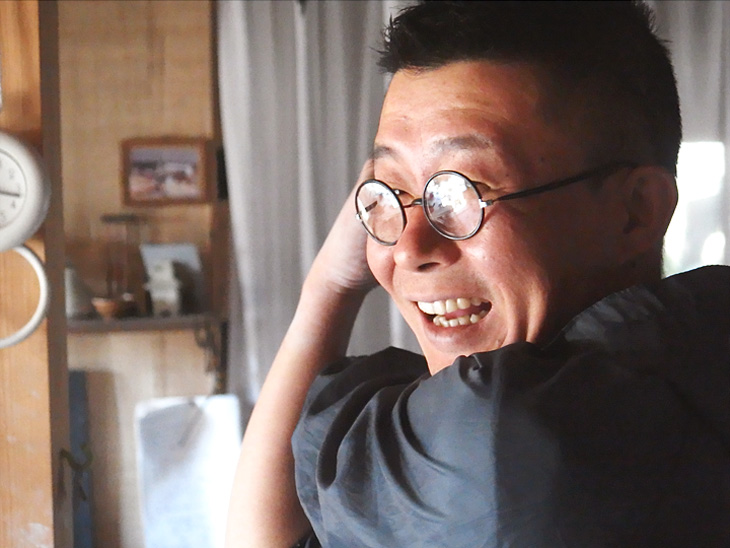
Discovering the Joy of Making Things
Hanada: Did you enjoy making things when you were a child?
Jaeho Choi : I always looked forward to arts and crafts class. I loved working with clay.
Hanada: You also like drawing, don’t you?
Jaeho Choi : Since my family was poor, I didn’t go to kindergarten or any after-school cram schools, but I always worked incredibly hard on my school homework. One day, we had an assignment to draw a picture, and I ended up winning first prize. What do you call it in Japanese? You draw a picture and write about what happened that day…
Hanada: A picture diary?
Jaeho Choi : Yes, that’s it, a picture diary! Because of that, my drawings were always displayed at the back of the classroom, which made me so happy. Eventually, I started aiming to go to an art university. If I was going to do it, I wanted to aim for the very top. But that turned out to be quite difficult. I failed the entrance exam three times and finally got in on my fourth attempt.
Hanada: So it took you three years?
Jaeho Choi : Yes, I failed a lot (laughs). I was just so determined to go to that school.
Hanada: Was there a specific professor you wanted to study under?
Jaeho Choi : No, not really. Once I decide I want to go somewhere, I just can’t change my mind. Even though someone like me didn’t seem to stand a chance of passing. If I had failed a fourth time, I would have had to join the military, so I barely made it in on the last try.
Hanada: How was it when the results were announced?
Jaeho Choi : I was planning to go see them by myself, but my father suddenly said he would come along. I remember taking the overnight train to Seoul. We walked from Seoul Station to the university in complete silence. As we approached the campus, university staff were just about to put up large sheets of paper on the bulletin board. I was terrified to look. Walking closer from a distance, I suddenly spotted my number written in ink. My father and I hugged each other and broke down in tears.
Hanada: You still remember it clearly.
Jaeho Choi : I will never forget it. I called my mother right away, and she was crying heavily too. It was a beautiful, clear day.
Hanada: Did you have a specific major?
Jaeho Choi : The ceramic art department.
Hanada: So you had already set your heart on ceramic art back then!
Jaeho Choi : Actually, the required test score for the ceramics department was lower, making it easier to get into (laughs). I just wanted to get into the university, no matter what major it was.
The Encounter with a White Porcelain Jar
Hanada: Was there a particular turning point that turned ceramic art into your career?
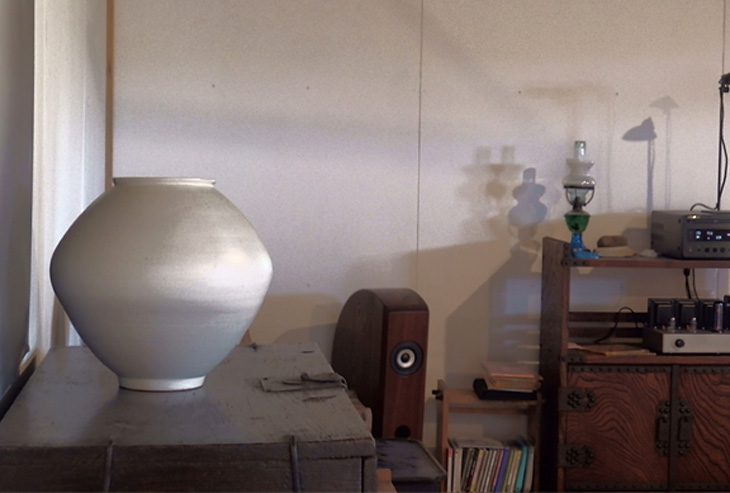
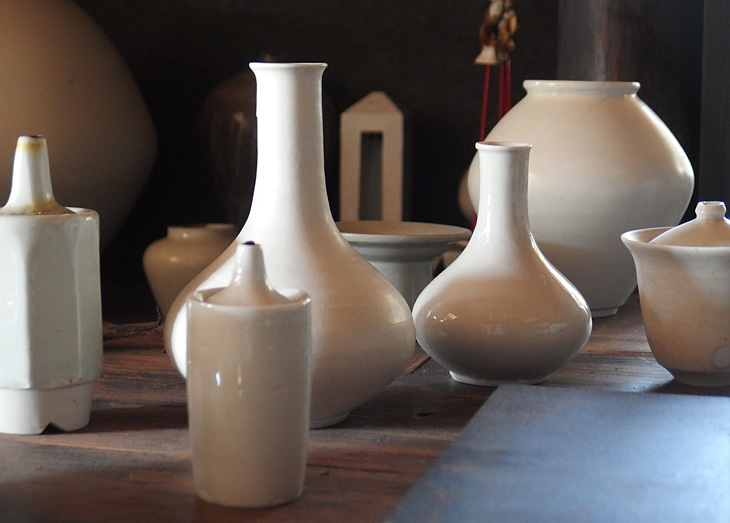
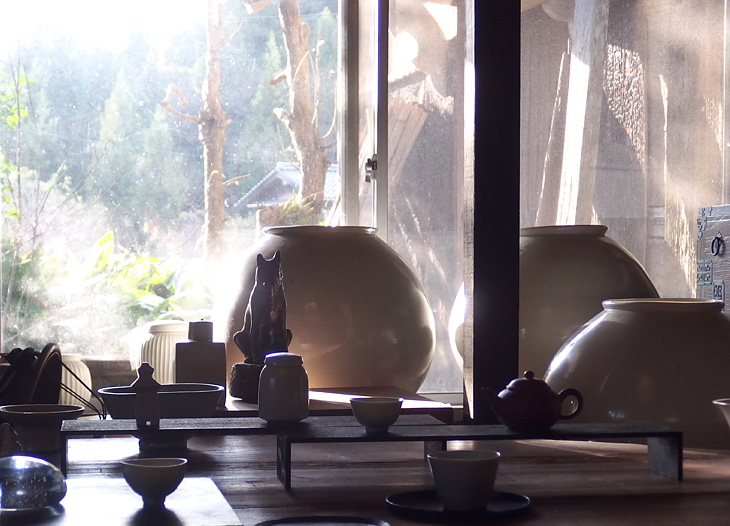
Jaeho Choi : It was a white porcelain jar from the Joseon Dynasty. I encountered it during my second year of university at the Samsung Museum of Art in Seoul, which I visited to write a report.
Hanada: Which period of the Joseon Dynasty was it from?
Jaeho Choi : The mid-Joseon period. I was so deeply moved by its simple form that I instantly decided to study white porcelain after graduation.
Hanada: That was truly a life-changing encounter.
Jaeho Choi : I felt the balance between its height and width was incredibly beautiful. It looks perfectly round, yet it isn’t quite a perfect circle. It is hard to find the right words to describe it.
The Apprenticeship Years
Hanada: What did you do after graduation?
Jaeho Choi : Back then—about 15 or 16 years ago—pottery regions near Seoul like Icheon and Gwangju mostly used molds in their white porcelain workshops, and nobody was recreating historical pieces. While I was struggling to decide on my path, a gallery owner introduced me to someone who restored antiques. He was famous in the antique world, and he was about the only one who handled everything from white porcelain to celadon. I stayed there for two years. His name was Mr. Lee Myung-bae.
Hanada: You must have learned a great deal from him.
Jaeho Choi : For example, if he needed to recreate a foot ring for a piece that lacked one, he would throw the entire shape, cut out only the part he needed, and discard the rest. He told me that simply making the missing part and throwing it on wouldn’t work. By matching the overall form and the clay to the atmosphere and quality of the original era, the added part would blend seamlessly over time. He taught me about various historical periods, such as the evolution of white porcelain through the 15th, 16th, and 17th to 18th centuries. He showed me which foot ring shapes, clay types, and glazes belonged to which era. White porcelain was pure white at first, but it gradually became softer, and towards the end of the period, it took on a slightly bluish tint. He taught me how to fire the kiln to achieve that…
Hanada: It sounds like it was the perfect place for your apprenticeship. Are there any words from him that left a lasting impression on you?
Jaeho Choi : He told me, “Look at the lines.” He emphasized that I must always value the line.
Hanada: So your current emphasis on lines stems from your teacher’s words.
Jaeho Choi : When I told him I wanted to study jars, he said, “Just because it is round doesn’t make it a jar.” He also told me, “Do not look at what contemporary people are making; go to museums instead.”
Hanada: Did you make various pieces using those museum objects as a reference?
Jaeho Choi : At first, I only did cleaning. I was dying to touch the clay. At his workshop, the teacher would start drinking around four in the afternoon. He drank three bottles of soju every night, repeating the same stories over and over. Keeping him company was part of my job, but he would usually get drunk and fall asleep by six. One day, after he went to bed, I quickly threw about twenty teacups and lined them up on a shelf board. The teacher always woke up earlier than me. That makes sense, considering how early he went to sleep (laughs). The next morning, he called me over and asked, “What did you make last night?!” When I answered that I had made teacups, he suddenly grabbed them and hurled them away. He said, “You came here to study jars, so why are you making teacups like these? You must challenge yourself with jars while you are young! If you make teacups like these, you can manage to make a living for now, but you won’t be able to survive like this when you are old. Look at the bigger picture!” That was a profound shock to me, and even now, every time I make a teacup, that scene comes back to my mind.
Hanada: Were those teacups well-made?
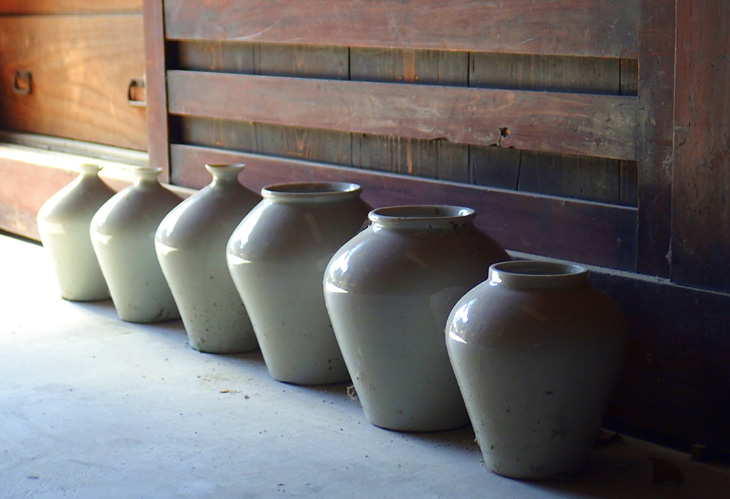
Jaeho Choi : I completely forgot about that part (laughs). I wanted to stay there a bit longer, but the teacher passed away suddenly from a myocardial infarction. After that, I rented an old traditional house near the Joseon Dynasty official kiln site in Seoah-ri, Gwangju, built my own kiln there, and started making various pieces.
Moving to Japan
Hanada: What brought you to Japan?
Jaeho Choi : I happened to have an opportunity to hold an exhibition in Tokyo, and I was amazed by how Japanese people look at pottery. They are incredibly passionate, and the way they observe pieces is entirely different from people in Korea. Japanese tradition is deeply rooted in tea culture. Even people who don’t practice the tea ceremony have inherited that fundamental aesthetic sense within themselves, and I was moved to see them looking at my pieces. A traditional sense of beauty flows through ordinary people here; that is what Japan is like. I immediately decided that if I was going to make pottery, I should do it in Japan.
Hanada: For Japanese people, enjoying pottery is by no means anything special; ordinary people simply enjoy it in their daily lives. If I remember correctly, when you moved here to Shunan City, Yamaguchi Prefecture, you came straight out here without checking out the place beforehand, right?
Jaeho Choi : An acquaintance told me there happened to be an empty house available, so I made my decision just by looking at a photo. I figured I wouldn’t really know what it was like until I actually lived there anyway. That was in 2004. However, it was far beyond what I had imagined. The house was so old that it needed extensive repairs. For the first two years, I did nothing but carpentry work. I felt depressed, wondering what I had come to Japan for. But then I realized that I had become arrogant back in Korea.
Hanada: Is that so…
Jaeho Choi : Having graduated from a top art university, I suppose I was putting on airs as an artist, focusing too much on appearances. People around me still treated me well enough despite that. When I first started out in Japan, I walked around carrying my pieces in a bag, visiting galleries in Osaka and Kyoto. I faced rejection after rejection, with people saying things like, “I’m sorry, we already work with artists who do Joseon-style pieces, so it’s a bit difficult for us,” or “Personally, I like it, but it doesn’t match the atmosphere of our shop.” In the end, one gallery even told me, “We can’t carry your work, but we will watch over you from afar” (laughs).
Hanada: Watching over you from afar doesn’t help much (laughs).
Jaeho Choi : I could hardly speak any Japanese at the time, so it was a painful experience. Eventually, I realized this approach wasn’t working, so I changed my mindset and decided to just focus on making pieces. I figured if I kept creating and creating, things would work out somehow.
Hanada: It is hard to tell whether you were feeling depressed or just optimistic. I like that quality about you.
Jaeho Choi : Then, I poured all my mental and physical energy into building my own body of work. It is precisely because of that experience that I am who I am today.
The Line
Hanada: What does the “line” mean to you?
Jaeho Choi : I am still searching for my own line—a line that truly fits me. Deep in these Japanese mountains, working with the specific thickness of clay that I feel at my fingertips on any given day, I want to intuitively find a beautiful balance as the clay thins out under my hands.
Hanada: Would it be fair to say that the “line” is an essential means of expression for you, and that your daily life, past experiences, and thoughts all manifest in that line? What kind of “line” do you prefer?
Jaeho Choi : Rather than a line with delicate tension, I am looking for something slightly softer. A line that looks straight but contains a subtle curve. Whether I am making a jar or tableware, there is always a moment when I feel the line instinctively.
The Appeal of Pottery
Hanada: What is the appeal of pottery for you?
Jaeho Choi : I feel a deep sense of comfort when I sense the lines in the clay with my fingertips while throwing on the wheel.
Hanada: What is it like when you are making a jar?
Jaeho Choi : To make a moon jar, I join two bowls together and shape them further on the wheel. The process of the form coming together is incredibly enjoyable. Creating the rim is the climax. I step back to look at the overall balance from a distance, or agonize over how to finish it, because subtle details can change the balance completely. Ultimately, the fascinating part of pottery is that the shape is finalized through firing. The piece doesn’t come out exactly as I shaped it; it enters a high-temperature kiln to become pottery, shrinking and distorting in the process. The distinct charm of a jar lies in joining two halves together, as the way it deforms is completely different from a piece pulled up entirely from a single lump of clay. This is because the rotation of the wheel differs between the top and the bottom. If it didn’t change, it probably wouldn’t be fun, and even if I do this until the day I die, I will never be able to know the outcome from the start. The excitement of waiting for the kiln to cool down and opening it remains exactly the same as it was in the past.
Hanada: How do you feel about making tableware?
Jaeho Choi : I knew almost nothing about Japanese food, so I struggled a lot when I first came to Japan.
Hanada: In Japan, people hold their tableware in their hands.
Jaeho Choi : At first, a rice bowl was the hardest thing to make. In Korea, if you lift your tableware while eating, your father will scold you severely (laughs).
Hanada: (Laughs) That is the exact opposite of Japan. In Japan, you get scolded if you don’t hold it.
Jaeho Choi : What kind of food will be served on this plate? How will this bowl be used? I can visualize these things much better now. Fundamentally, I want to create tableware that I would want to use myself.
Hanada: Right now, that would be Oyakodon (chicken and egg rice bowl), wouldn’t it? (At the time of the interview, Jaeho was passionate about making Oyakodon using his own pieces)
Jaeho Choi : (Laughs). It is all very interesting. There are many ingredients and dishes that I discovered for the first time after coming to Japan. As someone who makes things, I believe it is essential to eat delicious food and visit stylish shops.
The Beauty of the Entire Line
Hanada: What kind of tableware work do you feel best represents you?
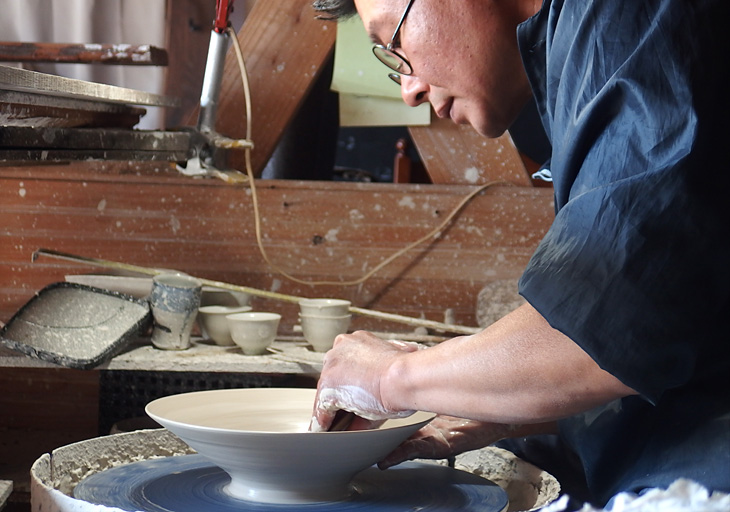
Jaeho Choi : My favorite pieces to make are bowls. It is fascinating to feel the thinness of the clay while watching the line emerge from my hands. Not a straight line, but a line that curves smoothly like a wave.
Hanada: When you throw on the wheel, your face gets incredibly close to the clay, doesn’t it?
Jaeho Choi : That’s because I have poor eyesight (laughs).
Hanada: Also, you take deep breaths while throwing on the wheel. I haven’t really seen other potters do that.
Jaeho Choi : I don’t really know why myself. I started doing it about two or three years ago. If I keep working in the exact same posture, I can only create the same shapes. But throwing while exhaling feels entirely different from throwing while holding my breath. My body just reacts naturally, making sounds like a long exhale or a sharp breath.
Hanada: So it is a physical reaction that comes out naturally?
Jaeho Choi : I was conscious of it at first, but lately it happens unconsciously. When you get used to the work, the lines tend to become ordinary. When I was thinking about how to break out of that pattern, I started changing my breathing, changing the way I use my hands to center the clay, or altering the rotation speed of the wheel.
Hanada: By intentionally avoiding familiar methods, you challenge yourself.
Jaeho Choi : As your skills improve, each individual cross-section becomes cleaner, but I believe that by breaking that down and reconstructing it every time, the beauty of the overall line emerges. Once something goes well, you tend to want to trace over that success. Instead, I want to always maintain the feeling of creating from scratch. Besides, throwing on the wheel while exhaling prevents back pain (laughs). Almost all potters suffer from back pain, you know.
Hanada: (Laughs) You should share that with everyone.
Jaeho Choi : Oh no, it’s a trade secret (laughs).
What I Learned from the Japanese People
Hanada: You continue to work today while holding onto your admiration for the Joseon Dynasty.
Jaeho Choi : When I was in Korea, I don’t think I understood the true appeal of my own country’s pottery. When you visit places like the Japan Folk Crafts Museum, you see many Korean pieces from the Joseon Dynasty. I used to think that the Japanese fondness for Joseon pottery was just a simple form of admiration. But in reality, it isn’t that simple.
Hanada: I do think there is a sense of admiration involved.
Jaeho Choi : Yes, but I used to think of it too lightly. Lately, I have come to ponder what the differences were between Japan and Joseon during that era. In the past, I feel I was just trying to copy the superficial forms of Joseon pottery, determined to make an identical jar. Now, that desire has completely vanished, and I look at history as a continuous flow, trying to understand why the people of the Joseon Dynasty created those specific forms.
Hanada: Rather than the superficial shape or size, you mean trying to capture the mood and mindset of the people of that time that led them to create those pieces?
Jaeho Choi : Exactly. It feels as though the society, politics, culture, and daily life of that era all came together to be symbolized in that pottery. I want to feel that essence, and I don’t think I would have understood this if I hadn’t come to Japan. Seeing how deeply Japanese people cherish Joseon pottery may have taught me the true appeal of my own country’s craft.
Hanada: The atmosphere of Joseon pottery changes between the early, middle, and late periods as well.
Jaeho Choi : Whether it is blue and white or plain white porcelain, I personally prefer the pieces from the 17th and 18th centuries. The early period shows a strong Chinese influence in terms of form, design, materials, and production methods. However, moving from the 15th century toward the 17th century, it gradually became distinctly Korean.
Hanada: The influences they received were digested and became part of their own identity.
Jaeho Choi : I don’t know if the people of that time did it consciously, but they began making things that were different from China. As it became truly their own, it took on a deeply human warmth.
Shohei Matsuda
Hanada: You also like the paintings of Shohei Matsuda.
Jaeho Choi : About five or six years after coming to Japan, I happened to see a poster for Mr. Matsuda’s exhibition and visited the museum. That was the beginning. I was drawn to his use of color and expression. Whether it is a painting of a fish or a rose, he possesses his own unique line. It is never overbearing; it is soft. I also went to see his centenary exhibition, and looking at his journey from his early works to his final years made me feel many things.
Hanada: Did it influence your own work?
Jaeho Choi : There were many aspects that made me reflect on my own work. Stripping away the excess. Eliminating unnecessary lines. To avoid doing unnecessary things, you need a solid foundation. It is different from your hands simply getting used to the work and making things look neat and tidy. How do you maintain the touch and mindset you had before your hands became fully accustomed to the process? Intentionally making it look unskilful feels unnatural, so it is very difficult. I suppose it comes down to facing your craft with complete honesty regarding your feelings at that moment. There are times when I throw on the wheel while intoxicated, and human feelings vary depending on whether it is cold or hot.
Gratitude
Hanada: You also love music, and that is how you cultivate your creative mood. Perhaps what you call “feelings” is close to “sensibility.”
Jaeho Choi : I interact with people based on intuition as well, so I can’t lie or hide things. Sometimes I think I’d like to appear sophisticated, but it never works out well.
Hanada: Your taste in music is quite broad, ranging from classical and jazz to Mariah Carey.
Jaeho Choi : And when I’m drunk, I suppose it’s Korean ballads (laughs).
Hanada: What are the respective charms of Korea and Japan from your perspective?
Jaeho Choi : In Korea, I like that everyone is honest and doesn’t worry too much about formalities. People might lose their temper quickly, but they become friends through arguing, and they don’t make you feel tense. Japanese people are gentle. Even when I ask for directions, everyone is incredibly kind.
Hanada: Don’t people in Korea give you directions? (laughs)
Jaeho Choi : They tend to give a casual, vague answer and leave it at that (laughs). In Japan, people will sometimes walk with you to show you the way. Korean people are kind too, but I really appreciate the quiet kindness of Japanese people.
Hanada: A quiet kindness. That is wonderful to hear.
Jaeho Choi : Since coming to Japan, so many people have truly taken care of me. I must ensure I don’t become arrogant and always remember to be grateful. It’s not just about thinking “they are a good person because they buy my pieces.”
Hanada: (Laughs) That is certainly part of it, but it’s not the only thing.
Ten Years from Now…
Hanada: I wonder what kind of pieces you will be making ten years from now.
Jaeho Choi : I think it will be the same as now. I don’t want to change. Right now, I am falling in love with white porcelain all over again.
Hanada: Has your view of white porcelain changed compared to before?
Jaeho Choi : I think it has changed significantly. In the past, my attention was focused on mimicking cool shapes or making the clay pure white, but now I focus solely on what is right in front of me, channeling my spirit through my fingertips and expressing what I feel directly.
Toward the Solo Exhibition
Hanada: Could you share a final word for this solo exhibition?
Jaeho Choi : I’ve finally become highly successful in Japan, so I think I still have a long way to go…
Artist’s Wife: Don’t you mean “active” rather than “highly successful”?
Jaeho Choi : Ah, yes, active.
Hanada: (Laughs) I was just thinking it sounded a bit unusual for you to describe yourself as “highly successful.”
Jaeho Choi : I’m sorry, my Japanese can be a bit strange. I intend to do my very best to create a wide variety of forms, and I am delighted to have so many people view them.
Hanada: Thank you very much.
≪ END ≫
モノ作りに目覚めて
花田: ジェホさんは、小さい時からモノを作ることは好きだったのですか。(以下 花田-)
崔在皓: 図工の時間は、いつも楽しみにしていました。土をいじるのが好きで。
-: 絵も好きですよね。
崔在皓: 貧しかったので、幼稚園も行かなかったし塾も行ったことないんですけど、学校の宿題だけは一生懸命やっていたんです。
で、絵を描く宿題があって・・・そしたら一等賞をもらってしまって。
あの、ほら・・・絵・・・あの、絵を描いてその日あったこと書くの・・・日本語でなんて言いましたっけ?
-: 絵日記?
崔在皓: そうそう、絵日記。そんなこともあって、教室の後ろにはいつも自分の絵が
飾ってあって、それがすごくうれしかった。
そのうち、大学も芸術系を目指すようになっていました。
で、目指すならトップを目指そうと思って。
それが結構大変で・・・。3回落ちて、4回目に入りました。
-: 3年かかったってことですか?
崔在皓: はい。たくさん落ちました(笑)。どうしてもその学校に入りたくて。
-: そこに教えてもらいたい先生がいたとか?
崔在皓: いや、いないです。一度行きたいと思うと変えられない。
私なんかじゃ受かりっこないのにね。
4回落ちたら、軍隊にいかなければいけないのですが、ギリギリ4回目で入ることができました。
-: 合格発表、いかがでしたか?
崔在皓: 1人で見に行こうとしていたら、父も行くって言いだして・・・
夜行電車でソウルに向かったのを覚えています。
父子無言でソウル駅から歩いて大学に向かって・・・。
で、その場所に近づいていくと、丁度大学職員の人達が大きい紙を掲示板に貼るところだったんです。
見るのが怖くて怖くて・・・遠くから近付いて行く中で、墨で書かれた自分の番号が見えたんですね。
父親と抱き合って、大泣きです。
-: 今でも覚えている。
崔在皓: 絶対忘れない。すぐ母親に電話したら、母親も大泣き。
天気のいい日でした。
-: 何か専攻はあったのですか。
崔在皓: 陶芸科です。
-: その時から陶芸を志していたんですか!
崔在皓: 陶芸科は基準点が低くて入りやすいんですよ(笑)。
とにかくなんでもいいから学校に入ってしまえと。
白磁壷との出会い
-: 陶芸が仕事になったきっかけは何かあったのですか?
崔在皓: 李朝の白磁壺です。
大学二年のときにレポートのために訪れたソウル市内のサムソンの美術館で出会いました。
-: 李朝はいつの頃のものですか?
崔在皓: 中期です。あのシンプルなかたちに感動して、卒業後は白磁を勉強しようと、瞬間的に思いました。
-: 人生を決める出会いでしたね。
崔在皓: 長径短径のバランスをすごくきれいに感じたし、丸く見えるけど、丸くないんですよね。なんと言っていいものか・・・
修行時代
-: 卒業後はどうされたのですか。
崔在皓: その頃―今から15、6年まえの話ですけど―ソウル近郊の利川(イチョン)や、広州(クアンジュ)という焼物産地は、白磁の工房も型ものが多かったし、古いものを再現している人はいませんでした。
進路に困っていたら、あるギャラリーのオーナーさんが骨董を直す人を紹介してくれたんです。
骨董界では有名で、白磁から青磁までやるのはその人ぐらいらしいんですね。そこに二年いました。
イーミョンベ先生という方です。
-: 色々なこと学べたのではないですか。
崔在皓: その先生、例えば高台がないものの高台を作るとするじゃないですか。
そうすると、全部のかたちを作って、必要な部分だけ切り取ってあとは捨てるんです。
足りない部分だけ作って付け足してもダメなんだと言っていました。
全体のかたちや土を当時の雰囲気や、ものに合わせることで、あとから足したものが時間とともに一体化してくるというわけです。
色々な時代のことを教えてもらいました。
15世紀の白磁、16世紀の白磁、17~18世紀の白磁の流れとか。
その時は高台がこのかたち、その時代はこの土、この時代はこの釉薬。
最初は真っ白だったけど、段々柔らかくなってきて、最後の方は少しブルーになってきたり。
そのためにはどう焼くか・・・
-: ジェホさんにとっては最高の修行先だったのですね。
その先生から教えてもらったことで、印象に残っている言葉はありますか。
崔在皓: 「線をみなさい」ということです。ラインを大事にしなさいと。
-: 今、ジェホさんが線を大事にしているのは、その先生の言葉だったのですね。
崔在皓: 私が壺を勉強したいと言ったら、その先生「丸ければ壺なわけじゃない」
そして「お前は現代の人達が作るものを見ないで、博物館や美術館に行きなさい」と。
-: そういうものを参考に色々作ったのですか。
崔在皓: 最初は掃除だけ。土を触りたくてしかたがなかったです。
そこでは、先生は夕方4時から酒を飲み始めるんです。
焼酎を毎晩3本・・・。毎回、同じ話をして・・・。
その話し相手も私の仕事でしたが、先生、いつも酔っ払って6時ごろには寝るんです。
ある日、そのあと湯呑を20ケくらいバーっと作ったんです。
棚板に並べて置いておいた。で、先生必ず私より早く起きるんですね。
当たり前ですよね、すごく早く寝るから(笑)。
そうしたら、翌朝先生が私を呼んで「お前、昨晩、何を作ったか!」って言うんで
「あ、湯呑作りました」って答えたんですよ。
そうしたら、先生がブアーって・・・ブアーンと投げて
「お前、壺を勉強しに来たのに、なんでこんな湯呑を作るか!若い時に壺を挑戦しないと!こんな湯呑を作ったら、なんとか食べていけてしまうじゃないか。でも年取ってからこれでは生活できないぞ。もっと大きいものを見なさい!」って・・・。
あれが、今でも衝撃で。
今でも、湯呑作るたびにあの光景を思い出します。
-: その湯呑の出来はよかったのですか。
崔在皓: 忘れましたよ、そんなことは(笑)。
そこには、もう少しいたかったのですが、先生が心筋梗塞で突然亡くなってしまって・・・。
で、広州(クアンジュ)の西霞里(ソハリ)の朝鮮時代の官窯の近くに古民家を借りて、そこで窯を作って色々作り始めました。
日本へ
-: 日本に来たきっかけは何だったのですか。
崔在皓: たまたま東京で展示会をさせてもらう機会があって、日本の人たちの焼き物を見る姿勢に驚きました。
熱心だし、見ている眼が韓国と全然違う。
日本の伝統はお茶もベースになっていますよね。
そういうベースをお茶していない人も自分の中に受け継いで持っていて、そういう人が自分のうつわを見ているのに感動したんです。
なんか伝統的な美意識が普通の人にも流れている、そういうのが日本なんです。
焼き物やるなら日本でやろうってすぐ思いました。
-: 日本人にとって焼き物を楽しむことは決して特別なことではなく、普通の人が、普通に楽しんでいる。
ジェホさん、ここ(山口県周南市)に来る時はたしか、下見なしのぶつけ本番ですよね。
崔在皓: 知り合いが、丁度空き家があるよって教えてくれて、写真を見て決めました。
どうせ住んでみなければ分からないだろうから。2004年ですね。
ただ想像以上でした。家も古いので直さなければならない。
最初の2年間は大工仕事ばかり。
「僕は日本に何しに来たんだろう」って落ち込みましたよ。
そして、韓国で自分が天狗さん(ジェホさんは慣用句”天狗になる”の天狗に”さん”をつけます)になっていたことに気が付きました。
-: そうでしたか・・・
崔在皓: トップの芸術大学を卒業して、芸術家気取りだったと言うか・・・
格好ばかり付けていたんです。
それでも、まわりはそれなりに相手してくれますし。
最初の頃はバッグに焼き物を入れて大阪や京都のギャラリーを歩いて回ったんです。
「スミマセン、うちは李朝風の作家さんいるし、ちょっと無理です」とか
「個人的には好きなんだけど、店の雰囲気に合わないなあ」とか・・・断られまくってしまって。
しまいには「うちは無理だけど、遠くから見守っています」とまで言われました(笑)。
-: 遠くから見守られても・・・(笑)
崔在皓: 日本語もほとんど話せなかったので、辛かったですよ。
ある時このやり方はもう無理だから、とにかく作ろうと、開き直りました。
で、作って、作って、そのうちなんとかなるだろうと。
-: 落ち込んでいるのか、楽天的なのか、分からない。
ジェホさんのそういうところ、好きです。
崔在皓: そして、気持ちも体も、自分の仕事を作り上げることに集中しました。
あれがあったからこそ、今の自分があります。
線
-: ジェホさんにとって「線」とは?
崔在皓: 今でも自分の線を探しています。自分に合う線。
日本のこの山奥で、その日の自分の指先で感じるこの土の厚さがあって、引く程に薄くなるなかで、自分は直感でバランスの良いものを探したい、そう思っています。
-: ジェホさんにとっての「線」は、大切な表現手段であって、ジェホさんの毎日の生活、今まで生きてきた経験とか考えとか、そういうものが全てその線に出ると言ってもいいのでしょうか。
ジェホさんの好きな「線」・・・どのようなものなのでしょうか。
崔在皓: 繊細な緊張感のある線よりはもう少し柔らかい線を探していて・・・
真っ直ぐに見えるけど、ちょっとカーブを含んでいるような・・・
壺を作っていても、食器を作っていても、線を直感で感じる瞬間があるんです。
焼き物の魅力
-: ジェホさんにとっての焼き物の魅力はなんですか。
崔在皓: ロクロを引きながら、土に指先で線を感じるのが気持ちよいです。
-: 壺を作っている時はどのような感じですか。
崔在皓: 月壺は鉢を二つ合わせて更にろくろで成形します。
これもまた、かたちができてくる過程がとても楽しいのです。
口作りがクライマックス。
遠くから離れて全体のバランスを見たり、最後どう仕上げるか悩んでみたり・・・
微妙なことで、バランスが大きく変わってくるので。
そして、焼き物の面白みは、結局最終的には焼くことで形が決まるところです。
自分が成形したまま出てくるのではなく、高い温度の窯の中に入って、焼物になる。
小さくなったり変形したりしますよね。
特に壺の面白みは半分のものをあわせるところで、ひとつからすべて引きあげたものとは変形の仕方が全然違います。
轆轤の回転が上と下で違うんでね。
変化しなければ多分楽しくないし、死ぬまでやっていたって、結果が最初から分かるようにはならないでしょう。
窯が冷めるまで待って開けるときのあのワクワク感は今も昔も全く変わらない。
-: うつわ作りはいかがでしょうか。
崔在皓: 和食についてほとんど知らなかったので、日本に来たばかりの頃は苦労しました。
-: 日本では食器を手で持ちます。
崔在皓: 最初はご飯茶碗が一番難しかったです。
韓国で食器を手にとって食べたら思いっきり怒られるから・・・お父さんに(笑)。
-: (笑)日本と真逆ですよね。日本じゃ、持たないと叱られる。
崔在皓: この皿は何を盛るか・・・この鉢はどのように使われるのか・・・
今は随分想像できるようになりました。
基本的には自分が使いたいうつわを作りたいと思っています。
-: 今は、親子丼でしょう(笑)。
(インタビュー当時、ジェホさんは自作の親子丼に凝っていました)
崔在皓: (笑)。
色々面白いですよ。日本に来て初めて知った食材や料理もたくさんあります。
モノを作る人間は美味しいもの食べたり、お洒落な店行ったりしないと。
ライン全体の美しさ
-: 食器でジェホさんを象徴するような仕事ってなんでしょうか。
崔在皓: 一番好きなのは鉢です。
手から出てくるラインを見ながら、薄さを感じるのが面白い。
直線じゃなくて、ラインが波のようにツーっと曲がっていくような。
-: ジェホさんて、ロクロひく時、顔が凄く土に近いですよね。
崔在皓: 目が悪いんですよ(笑)
-: あと、ロクロひきながら深呼吸するじゃないですか。
あまり他で見たことないんですが・・・。
崔在皓: よく分からないです。2-3年前からです。
同じ姿勢でやっていると、同じ形しかできません。
でも、息を吐きながらロクロひくのと息をとめてひくのでは、違うんですよ。
自分の体が反応するんですよね。
フーーーーってなったり、フッってなったり。
-: 自然に出てくる体の反応なのですか。
崔在皓: 最初は意識していましたが、最近は無意識です。
手慣れてくると段々線が普通になってくるのですが。
それを崩すためにどうしようかと思った時に、呼吸変えたり、使う手を変えて芯をとってみたり、回転を変えてみたり、という感じです。
-: 慣れた方法を選ばないことで、自分に負荷をかけていく。
崔在皓: 上手くなると、それぞれの断面はどんどんきれいになっていくのですが、それを毎回崩して作り直すことで、ライン全体の美しさが出てくると思うんです。
一度何かがうまくいくと、それをなぞろうとしてしまうでしょう。
そうではなくて、いつもゼロから作り上げる感覚を持っていたいのです。
あと、息吐きながらロクロひくと腰痛にもなりません(笑)。
焼物屋さんはみんな腰痛だからね。
-: (笑)みんなに教えてあげたらいいですね。
崔在皓: いやいや、企業秘密だから(笑)。
日本の人達に教わったこと
-: 今も李朝への憧れを抱きながらお仕事をされている。
崔在皓: 韓国にいるときは、自分の国の焼き物の魅力を本当の意味では
分かっていなかったんだと思います。
日本民芸館なんか行くと朝鮮のものがたくさんありますよね。
なぜ、日本人は朝鮮時代の焼き物を好きなのか―単なる憧れだと思っていたんです。
でも実はそんな単純なものじゃない。
-: 憧れはあるような気がしますが。
崔在皓: でも僕は軽く考えていました。
最近はあの時代、日本と朝鮮で何が違ったのだろうかって考えるようになりました。
以前は李朝のやきものの表面的な形に近づこう、近づこうとしていた気がします。
そっくりの壷を作ってやろうって。
今はその気持ちが全くなくなってきて、なぜ朝鮮時代の人々があのようなかたちを作ったのか、歴史を流れで見るようになりました。
-: 表面的なかたちや大きさでなく、なんでそこに至ったかと言う、当時の人達の気分や心の持ちようといったものなのでしょうか。
崔在皓: そうです。
あの頃の社会や政治や文化や生活や・・・全て合わさったものがあの焼き物に象徴されているような気がするんです。
あれを感じたいし、日本に来ていなかったら、分からなかったことだと思います。
日本の人達の李朝の焼き物を愛する姿に、自分の国の焼き物の魅力を教えてもらったのかもしれませんね。
-: 李朝も初期、中期、後期で雰囲気変わってきます・・・
崔在皓: 染付でも無地でも、私は17~18世紀の頃のものが好きです。
初期は中国の影響が色濃い感じがします、造形にしても、意匠にしても、材料にしても、製法にしても。
でも、15世紀から17世紀に向かって次第に朝鮮のものになってゆく。
-: 受けた影響が消化されて自分たちの血肉となってゆくのですね。
崔在皓: 当時の人たちが意識していたかは分かりませんが、中国と違うものを作り始める。
自分たちのものになってきて、だからこその人間味を感じるんです。
松田正平さん
-: ジェホさんは松田正平さんの絵も好きです。
崔在皓: 日本に来て5-6年経った頃、偶然松田さんの展覧会のポスターを見て、美術館行ったのが、きっかけです。
あの人の色使いや表現に惹かれました。
魚の絵でも、薔薇の絵でも、自分のラインを持っている。
決して強すぎるわけでもなくて・・・柔らかい。
生誕100周年展も見に行きましたが、初期の頃から晩年の絵を見た時に色々なことを感じました。
-: 仕事への影響もあったのではないですか。
崔在皓: 自分の仕事に当てはめて、考えさせられることもたくさんありました。
削ぎ落す。無駄な線を落とす。
無駄なことをしないためにはちゃんとした基礎が必要です。
手が慣れて上手くなって、小奇麗になるのとも違うんです。
手慣れる前のあの手取りや気持ちをどうキープしていくのか・・・
敢えて下手にするのはイヤらしいので、難しいのです。
その時の自身の気持ちに正直にモノ作りと向き合う、ということでしょうか。
酔ってロクロ引く時もあるし、寒い時と暑い時でも人間の気持ちは違います。
感謝
-: ジェホさんは音楽も好きだし、そうやって自分の気分を作っていくのですね。
多分ジェホさんが”気持ち”って呼んでいるものは”感性”に近いのでは。
崔在皓: 人とも直感で付き合うし、だから嘘も隠し事もできません。
たまには格好つけたいなって思うんですけど、うまくいきませんから。
-: 音楽はクラシックからジャズ、マライヤキャリーまで、広範囲ですよね。
崔在皓: で、酔ったら韓国のバラードかな(笑)
-: ジェホさんから見た韓国と日本の魅力、それぞれどのようなものですか。
崔在皓: 韓国はみんな正直であまり気を使わないところが好きです。
パーっと怒るけど、喧嘩しながら友達になるし、あまり人を緊張させない。
日本人は優しい。道を聞いても皆さん親切。
-: 韓国の人は、道を教えてくれないのですか(笑)
崔在皓: 適当に答えて済ませちゃう(笑)。
日本人はついてきて案内してくれることもあるじゃないですか。
韓国人も優しいけど、日本人の静かな優しさがいいんですよ。
-: 静かな優しさですか。なんかうれしいですね。
崔在皓: 日本に来てからは、沢山の人達に本当にお世話になっています。
自分も天狗さんにならずに、感謝の気持ちを忘れないようにしないと。
“自分のうつわを買ってくれるから良い人”ばかりじゃなくてね。
-: (笑)それもありますけど、そればかりじゃあないですよね。
10年後・・・
-: ジェホさん、10年後どんなもの作っているのでしょうね。
崔在皓: 今と変わらないと思います。変わっていたくないです。
今は白磁に惚れ直しているところです。
-: 以前と今とでは、白磁に対する見方は変わりましたか。
崔在皓: 大きく変わったと思います。
昔は格好いいかたちの真似とか、土を真っ白にとか、そういうことに気がいっていましたが、今は目の前のものにだけ集中して、自分の魂を指先から伝え、感じたことをそのまま表現するようになりました。
個展に向けて
-: 今回の個展に向けて、何か一言お願いします。
崔在皓: 日本で活躍し始めたばかりで、まだまだこれからだと思うんですけど・・・
奥さま: ”活躍”じゃなくて”活動”じゃないの?
崔在皓: あ、そうそう、活動。
-: 「自分で『活躍』って言っていて変だな」って今、僕も思っていました(笑)
崔在皓: すみません、日本語が変で。
精一杯、色々なかたちを作ってみようと思っています。
色々な人に見てもらえるのがうれしいです。
-: 有難うございました。
関連記事はこちら