







English version of the interview here.
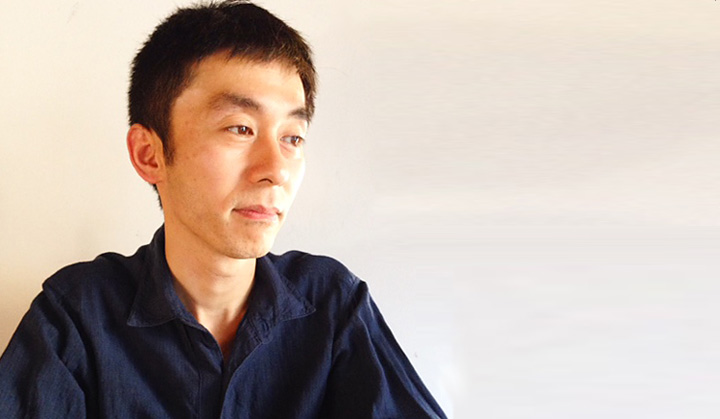
The Appeal of Tableware, the Appeal of Majolica
Hanada: What first inspired you to start making tableware?
Akinobu Ito : It was an issue of Geijutsu Shincho from about 15 years ago, titled “Modern Tableware Chosen by Antique Connoisseurs.” I read a panel discussion hosted by Keisuke Aoyagi called “What Makes a Good Piece?” and found the world of tableware fascinating. That was the beginning. I brought some of my white porcelain to Rozan, a shop run by Mr. Oshima, who stood out and looked incredibly cool in that feature.
Hanada: While you are widely known for your overglaze enamelware today, you actually started with white porcelain.
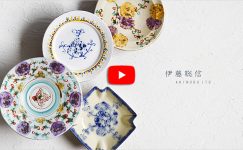
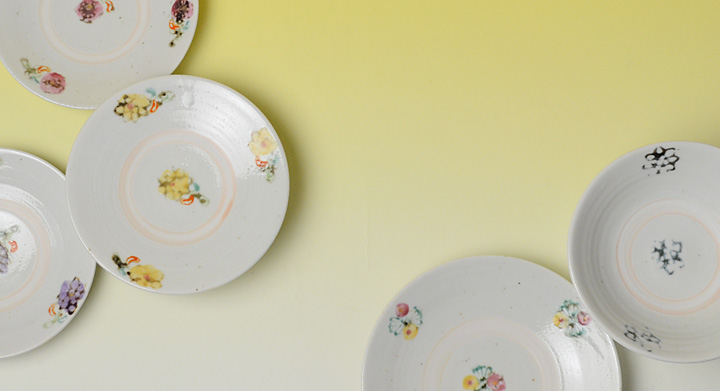
Akinobu Ito : At first, I only made small plates with overglaze painting, but now I offer a wider variety of shapes and colors. However, I constantly review my work to ensure it does not become excessive. Also, my idea to apply overglaze painting onto Kohiki ware was actually inspired by Majolica.
Hanada: Majolica ceramics are so bright, and the brushwork feels soft and expressive. It always looks like the maker enjoyed creating them.
Akinobu Ito : Looking at Majolica, I often think about how heavy and potentially difficult to handle it seems, yet it remains incredibly charming. On the other hand, if you worry too much about weight and make a piece too light or thin, it becomes delicate and loses its presence, which makes it challenging. Also, because the gosu (cobalt blue pigment) blends into the white glaze, it creates that beautifully soft atmosphere. The cobalt effect of gosu sitting on and melting into a tin glaze is quite different from when it lies beneath an ash glaze, as you see in Japanese sometsuke (blue and white) ware.
Hanada: The color of the gosu pigment itself is different too, isn’t it?
Akinobu Ito : Yes, I think the purity of the cobalt, or perhaps the condition of the pigment itself, varies.
Hanada: Sometimes people in Japan try painting with gosu on a Delft-like white base, but the pigment seems to sit unnaturally on top. It does not look fully integrated. It might seem like a small detail, but it makes a significant difference.
What Comes from Within
Akinobu Ito : I believe it is important to reflect deeply on these things. For instance, if you find yourself drawn to Majolica and want to create something inspired by it, you first need to explore exactly what it is you love about it. You strip away the surface layers to find the true source of its appeal, and then you integrate those elements into your own work. This process takes time, but thinking things through and putting in the effort to create something original is the most rewarding part of making things for me.
Hanada: So your expression is built upon your own interpretation of things.
Akinobu Ito : Yes, and that applies to more than just ceramics. I find inspiration and absorb ideas from architecture, clothing, fine art, and many other areas. However, while I love antiques, I have no desire to simply replicate them. I am always thinking about how to rearrange their elements. For example, just because a technique uses printed patterns (inban), it does not mean it has to be restricted to Japanese-style tableware; you could easily use it to make Western-style dishes. What I value most is what naturally emerges from within myself through experiencing antiques, whether by studying them or keeping them close at hand. Creating something just because it is currently trending would be boring for the people choosing my work.
Hanada: Especially now, when we can easily and quickly see other people’s work and current trends.
Akinobu Ito : I make an effort not to look, and I try not to listen either.
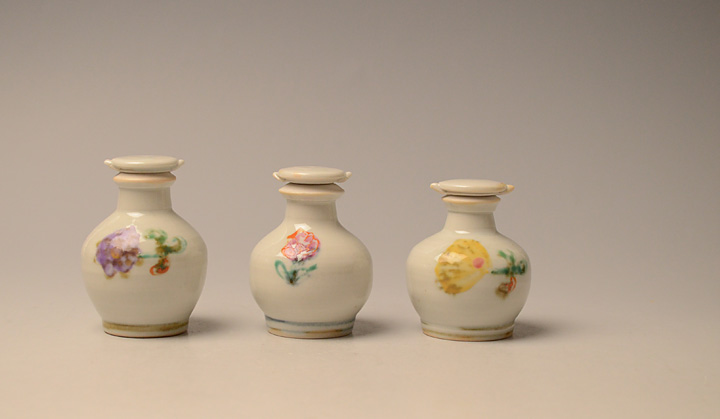
Hanada: In an age where information is so readily available, your approach of filtering out the noise and following your own path makes your work even more compelling.
Akinobu Ito : If I were to just mimic something superficially and produce it quickly, I probably would not be able to sustain it. I would lose interest immediately. On the other hand, when you produce a large volume of work, there is a risk of gradually becoming too cautious to avoid mistakes, which can cause your work to shrink.
Hanada: What do you mean by “shrink”?
Akinobu Ito : I suppose it refers to the scale or the spirit of the work.
Hanada: I see.
Akinobu Ito : For example, I recently bought some lusterware. Techniques like silver glaze or luster can become overly ornate and rigid if executed too meticulously, as if made for royalty. Finding the right balance is essential for any technique. It is about stopping just a step before it becomes too perfect, and then reassessing your approach once you grow accustomed to it. It is a continuous cycle.
Continuing as Always
Hanada: You work with many different styles of ceramics, yet every piece distinctly reflects your unique touch. No matter what kind of work you do, it always carries the same unmistakable atmosphere.
Akinobu Ito : I once thought about trying Chinese-style relief carving (yokoku), but when I tried it, it felt incredibly restrictive, and I realized it did not suit me. When something feels off, I make it a point to stop immediately. Even if something is interesting at first, you might find that it no longer feels right over time. I want to remain honest and true to my feelings. I also want to keep learning from everything around me. Masterpieces are not found only in museums; inspiration can be found anywhere. It is vital to see things that truly move you. I do not believe I can improve the quality of my work by only looking at what I make. It is not just about technical perfection; it is about moving forward to find what makes an object truly captivating. I want to continue encountering things that make me stop and think.
Hanada: Keeping things close to you is also important, isn’t it? One of the wonderful things about antiques is that you can actually use them, rather than just viewing them through glass as you would in a museum.
Akinobu Ito : In a museum, there are usually only a few pieces that truly resonate with you. Technical perfection and personal connection are two entirely different things.
Hanada: That is very true. When there is something specific I want to see, I often go straight to it first. Otherwise, by the time I reach what I came for, I am already too tired.
Akinobu Ito : You might gain something by looking at everything for a long time, but you would be completely exhausted before leaving the museum. Once you get used to it, you can scan quickly and the things you want to see will naturally catch your eye.
Hanada: And what catches your eye changes depending on the moment.
Akinobu Ito : Even at antique markets, things have a way of appearing or coming into your possession when you are mindful of them. Lately, I have been drawn to the yellow glaze of Mimpei ware. There is a sweet, appealing quality to it. I have tried various approaches, but achieving that exact tone is quite difficult.
Hanada: As we look forward to the upcoming two-artist exhibition, do you have a few words for your audience?
Akinobu Ito : Not really. I just plan to do what I always do.
Hanada: That standard approach feels wonderfully authentic to you. Thank you very much.
≪ END ≫
うつわの魅力、マジョリカの魅力
花田: うつわ作りのきっかけは何だったのですか?(以下 花田-)
伊藤: 15年位前の芸術新潮「骨董の目利きがえらぶ 現代のうつわ」号です。
その中で青柳恵介さん司会の「よい器ってなんだろう」という座談会を読んで、
うつわって面白いなって思いました。
その中でやけに目立っていて格好よかった大嶌さんの魯山に白磁を持っていったのが最初です。
-: 今は色絵のイメージですが、伊藤さん、白磁のスタートだったのですね。
伊藤: 色絵は最初豆皿だけでしたが、いまはかたちも色も種類が増えました。
ただ過剰にならないように、見直しはしています。
あと、粉引に色絵をしようと思ったのは、マジョリカがヒントになっているんです。
-: マジョリカの焼き物、明るいし、筆の走りも柔らかくて楽しく作っていそうでいいですよね。
伊藤: マジョリカなんかを見ていて思うのは、あんなに重くて使いづらそうなのに、魅力的。 逆に、重さを気にし過ぎてついつい軽く細くすると、華奢になって魅力がなくなってしまうから 難しい。 それと、白釉の上にゴスが溶け込んでいるので、ああいうフワッとした雰囲気になるんですよね。 日本の染付みたいに灰釉の下にあるゴスと、錫釉の上に乗っかっていて溶け込んでいるゴスのコバルトの感じは違うんです。
-: ゴスの色自体も違います。
伊藤: コバルトの純度、というかおそらく絵の具の状態が違うんだと思います。
-: たまに今、国内でもデルフトっぽい白の上にゴスで絵を描くんですけど、
なんか絵の具だけが浮いてしまっている感じなんです。馴染んでいないというか。
ちょっとしたことなのかもしれませんが、それが大きいですね。
自分の内面から出てくるもの
伊藤: よく考えないといけないと思うんです。
例えばマジョリカを好きになったとします。その上でなにかを作るとして、
まずマジョリカの何を自分が好きなのかトコトン突き詰めていく。
魅力の源って何なのだろうって、表面的な部分を削いで削いで・・・考えます。
そしてそれらを、自分の仕事に落とし込んでいく。
そこに時間が掛かるんですが、自ら考えて、苦労して作り上げていくこの過程こそが
僕にとってはモノ作りの醍醐味です。
-: 伊藤さんなりの、ものに対する解釈があって、その上に表現があるわけですね。
伊藤: はい、焼き物に限りません。
建築でも服でも美術でも色々なものから吸収していけるなって思います。
ただ、古いものは好きですが、その再現をする気は無いんです。
それらが持つ要素をどう組み替えていけるかっていうのをいつも考えていて、
例えば、印判だから和食器でなければいけないこともなくて、
印判で洋食器作ってもいいですよね。
大切にしたいと思うのは、骨董を見るなり身近に置くなり体感することで
純粋に自分の内面から出てくるものです。
「今こういうの流行っているから作りました」では選ぶ人もつまらないでしょう(笑)。
-: 今は、他人の仕事や、いわゆる流行ものが簡単に早く見つけられる環境にありますからね。
伊藤: 見ないようにしています。そして、聞かないようにしています(笑)。
-: 色々な情報が手に入れやすい今だからこそ、伊藤さんのようにそれらを遮断して、
我が道をいっている仕事がより魅力的なんです。
伊藤: 表面的に何かをなぞって、パッと作っても、恐らく僕自身が続かない。
すぐやめちゃうと思います。一方で、ただ沢山作っていると、逆に失敗を避けようとして、
段々小さくなっていってしまう、ということも起きるんです。
-: 「小さく」とは?
伊藤: なんというか、仕事のスケールのようなものです。
-: なるほど。
伊藤: 例えば、この間、ラスター彩買ったんですけど、銀彩とかラスターとか丁寧にやりすぎると貴族のように華美なものになってしまって、なんか堅い・・・
どんな技法でもさじ加減なんでしょうね。
丁寧にやりすぎない一歩手前。そして、慣れてきた頃にまた見直す。その繰り返しです。
これからも、今まで通り
-: 伊藤さんは、色々なスタイルの焼き物を作られていますが、どれも伊藤さんらしい仕事
なんですよね。どのような仕事をされていても、常に同じ空気を持っているように感じます。
伊藤: 中国の陽刻みたいなものもいいなと思っていたのですが、やってみたら、すごく窮屈で、合っていないんだなと思ったことがありました。
なんか違うって思ったらすぐやめるようにしています。
始めは面白くても、続けているとやっぱり違うかなって思うこともあります。
そういう自分の気分に対しては正直で素直でありたいかな。
あと、色々なものから、学び続けていたいです。
美術館にあるものだけが全てじゃないし、先生になりそうなものは色々なところに散らばって
います。心揺さぶれるようなものを見ておかないとダメだな、って。
自分の仕事だけを見ていて、仕事の質を上げていけるとは思えない。
ただそれは、完成度の話しでなくて、魅力的なものは何なのかって、進み続けることなんだと
思います。何か、ハッと気付かされるものにこれからも出会っていきたいですね。
-: そばにおいておくことも大切ですね。美術館のようにガラス越しではなく、
使えるのは骨董のいいところでもあります。
伊藤: 美術館で、本当にいいなって思えるのはほんの数点でしょう。
完成度の高さと、自分が好きになるかどうかは別の問題だから。
-: 確かに。僕も見たいものがある時は、順番に見ずにそれから始めるようにすることが
多いです。じゃないと、見たかったものに辿り着く頃には疲れちゃう。
伊藤: 長い時間、見ていれば得るものはあるかもしれないけど、美術館で息絶えちゃいますよね(笑)。行き倒れちゃう。慣れてくると、サーっと飛ばしていても、見たいものが目にスッと入ってくる。
-: そして、そのときどきで、目に入ってくるものは違う。
伊藤: 骨董市でも、気にしていると目に入ってきたり、手に入ってきたり。
最近だと、珉平の黄色ですかね。なんか甘そうな感じに惹かれます。
あの手この手でやってみるんだけど、やはりなかなかあの色合いは出ない。
-: さて、二人展に向けてなにか一言ありませんか。
伊藤: ないです(笑)。いままで通りやるだけです。
-: なんだか、伊藤さんらしくていいですね。宜しくお願いします。
関連記事はこちら