




English version of the interview here.
Supporting Ceramic Artists, Becoming One Himself
Hanada: Mr. Ohira, you originally took over your family business supplying ceramic materials, and later began building kilns as well.
Shingo Ohira: I took over the materials business when I was 23.
We sold clay and kiln tools, so I built my own wood-fired kilns to test them.
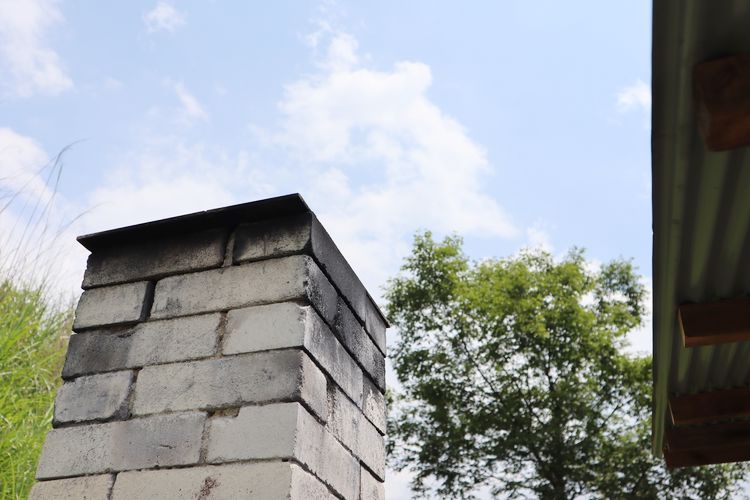
Hanada: Today, you receive kiln-building orders from potters all over Japan. Was there a particular turning point?
Shingo Ohira: One time, after delivering bricks to a potter, he asked, “Could you build a kiln for me too?” I think I was about 27 at the time.
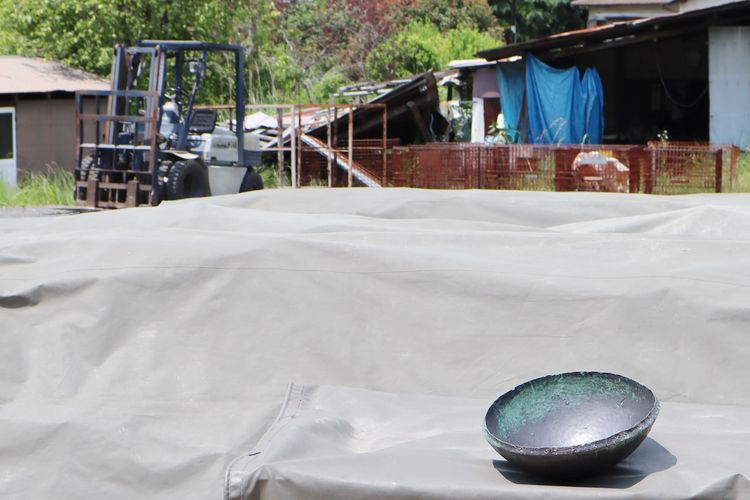
Hanada: Eventually, your own ceramic work also began to take shape.
Shingo Ohira: It all started as test pieces for materials. That said, they weren’t just fragments—I made them as complete forms. More like, “This is what this clay looks like when it’s fired.” It’s more convincing when it has a shape, right?
Hanada: What was the first piece you made?
Shingo Ohira: An Uzukumaru(a small jar). Then a dealer asked if I would part with it. Thankfully, more people like that appeared, and I eventually began holding solo exhibitions of my own work.
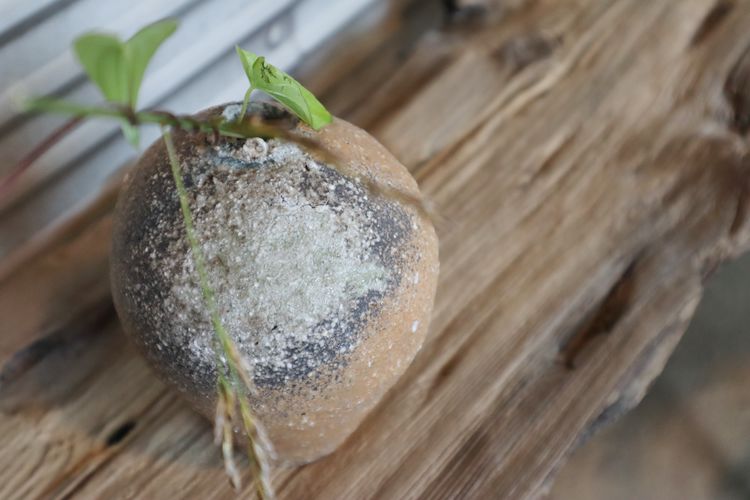
The Allure of Jars
Hanada: Speaking of dealers, you also handle antiques yourself and introduce them to others.
Shingo Ohira: I wouldn’t call myself a dealer, but I’ve been doing that since I was about 25 or 26.
Hanada: What sparked that interest?
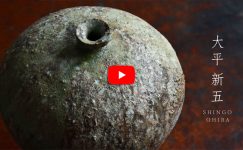
Shingo Ohira: I’ve always loved medieval jars. Especially Tokoname, Shigaraki, and Sanage… Atsumi is wonderful too.
Hanada: What is it about jars that appeals to you?
Shingo Ohira: Their aura, I suppose. It’s hard to put into words, but they’re simply irresistible objects (laughs).
Hanada: You both create these “irresistible objects” yourself and engage deeply with old ones.
Shingo Ohira: Even when I introduce antiques to others, I don’t just pass them along. They come through my hands once, with a feeling of “off you go.”
Hanada: How do you engage with antique jars?
Shingo Ohira: First, I wash them with water.
It’s partly about putting my own feelings into them—almost like a purification.
Then I choose the best “face” and display them where I feel they look right.
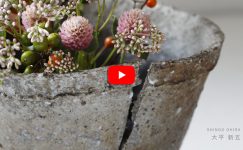
Sometimes I add flowers, sometimes water. When I do that, the jar comes back to life.
Hanada: Do you drink with your jars?
Shingo Ohira: All the time. We talk (laughs). Jars have a night face, a morning face. They have a daytime face too—each moment has its own expression.
Living with jars like that, and eventually sending them to a good place—that’s the best outcome for me.
Hanada: Does your relationship with old ceramics influence your own work?
Shingo Ohira: Old Seto and Negoro bottles are the prototypes for my meipin(a small vase) today. My porcelain plaques are inspired by old Bizen plaques.
Straightforward Craftsmanship
Hanada: What do you value most when making things?
Shingo Ohira: Balance. Color, form, everything. When something is unbalanced… (pauses) it hurts my eyes.
When that happens, I go to the shard dump at old kiln sites. Being there feels like it resets my eyes.
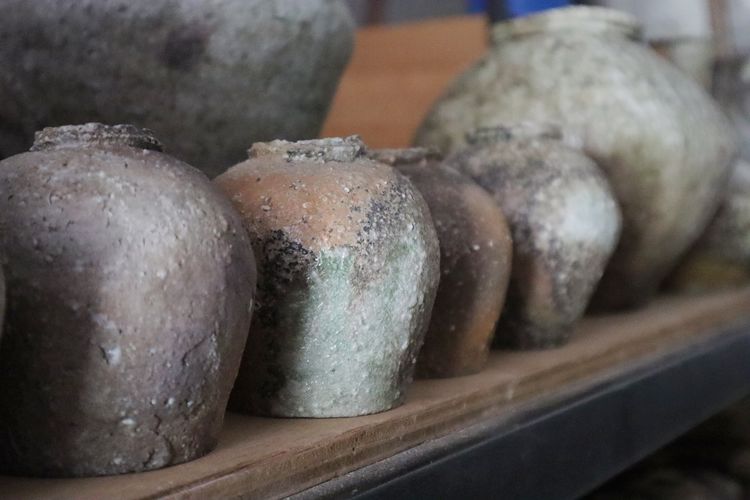
Hanada: When you begin making a piece, do you have a clear goal in mind?
Shingo Ohira: Yes. There’s always some room for chance, but most of the image is already set.
Hanada: Where does that image come from?
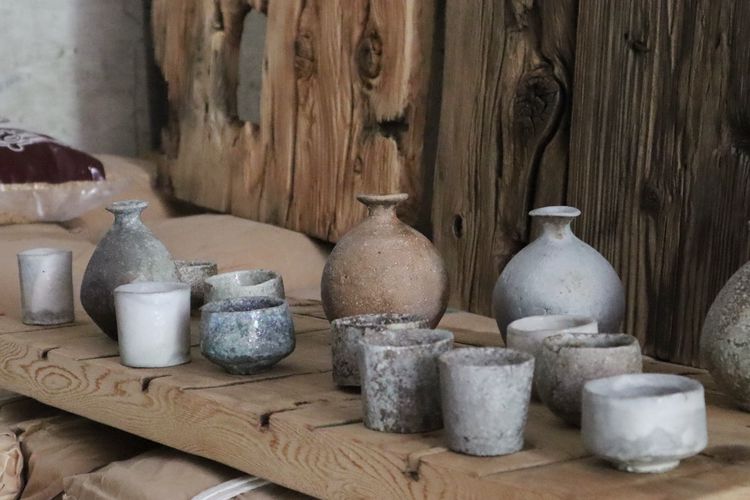
Shingo Ohira: I think in relation to what I’ve made before— “Let’s give the shoulder a bit more tension,” or “Let’s make the rim more dignified,” things like that.
Hanada: Does the work ever change midway and end up different from what you first imagined?
Shingo Ohira: No. It’s a straight line. If I had to correct it midway, I’d probably stop altogether. The foundation would already be wrong, and it’s cleaner to start over from the beginning.
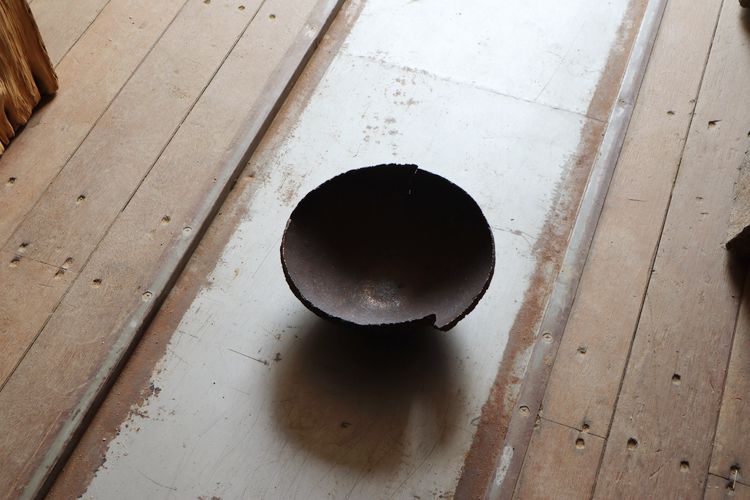
Not a Sense of Achievement, but “Gratitude”
Hanada: After firing a kiln, the joy of unloading it…
Shingo Ohira: I’m moved every single time.
Hanada: Where does that feeling come from?
Shingo Ohira: It feels like divine work. A sense of being helped.
Hanada: So rather than a sense of achievement, it’s gratitude.
Shingo Ohira: I can only be grateful that something beyond my own ability comes out of the kiln.
That said, if I were compromising within myself, I don’t think I’d be helped like that. I don’t know how others evaluate me, but I’m putting everything I can into my work right now.
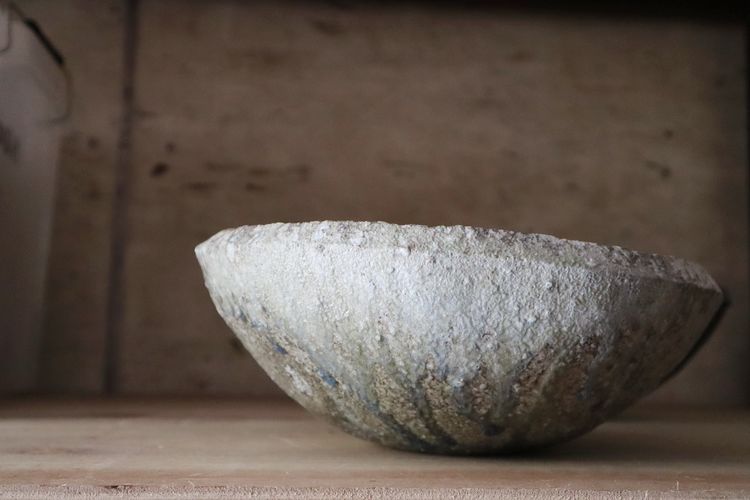
Where “Cleanliness” Begins
Hanada: Recently, you seem satisfied with your work.
Shingo Ohira: I think it’s gotten much better, but even now I sometimes see my own work and think, “That’s rough.” So I want to keep working without cutting corners.
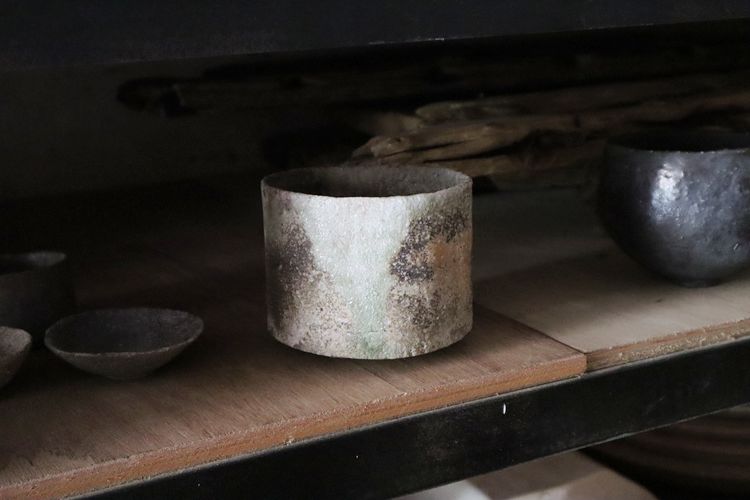
Hanada: You often use the words “rough work” and “clean work.”
Shingo Ohira: If you do clean work, things tend to go in a good direction.
Hanada: What do you mean by “clean work”?
Shingo Ohira: It means everything around the place where things are made is clean. For example, a kiln load that feels beautifully arranged.
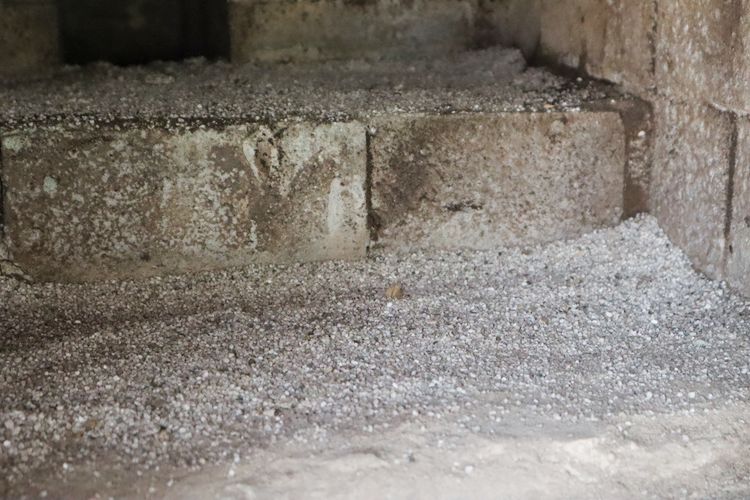
Hanada: What does “clean” mean to you?
Shingo Ohira: At the most basic level, it means there’s no trash on the ground. That’s where it starts. Bricks sealing the kiln fitting tightly, not loosely. I don’t think customers would ever be happy with something that comes from a dirty place.
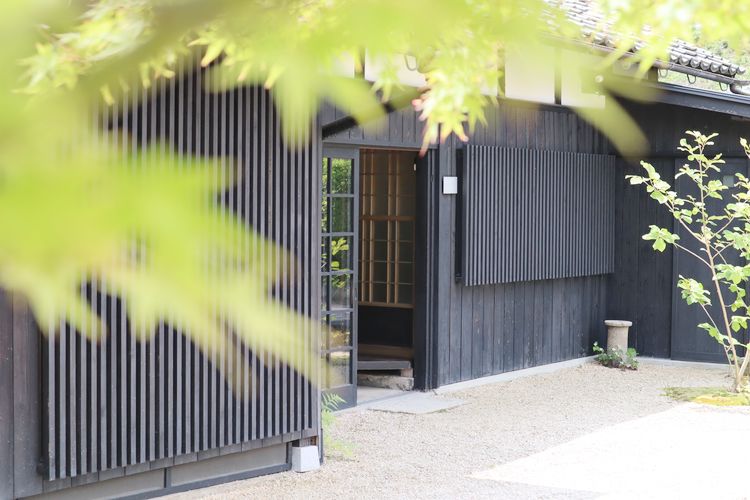
Toward the Solo Exhibition
Hanada: Is there anything you’d like to pursue going forward?
Shingo Ohira: I want to stay involved with things that make people stop in their tracks. Not just making them. Being involved. I want to keep encountering good things.
Hanada: We’re very much looking forward to your solo exhibition.
Shingo Ohira: I’ll be bringing the most heartfelt work I’ve ever made. It’s 100% of who I am right now, and I hope people enjoy it.
Hanada: Thank you very much.
≪ END ≫
作り手を支え、自身も作り手に
花田:大平さんは元々家業でもある窯業の材料屋さんをされていて、そのうち築窯も手掛けるようになります。(以下花田-)
大平:材料屋は23歳の頃に継ぎました。
土や窯に入れる道具も販売していたので、それらをテストするための薪窯を自分で作ってはいました。
-:築窯も今では、全国の陶芸家の方々からオーダーが来るまでになったわけですが、何かきっかけがあったのでしょうか。
大平:ある陶芸家の方へレンガを納めて帰ろうとしたら、「窯も作ってくれないか」と。
27歳の頃だったでしょうか。
-:そのうち、ご自身での焼き物の制作も軌道に乗り始めます。
大平:元々は材料屋としてのテストピースでした。
ただテストピースといっても、単なる欠片ではなく、かたちとして作っていたんです。
「この土を焼くとこんな風になりますよ」みたいな感じで。
形にしておいた方が説得力あるじゃないですか。
-:最初に作られたのは、何だったのですか。
大平:蹲(うずくまる)です。
そうしたらそれを「譲ってくれ」という道具屋さんがいらっしゃって。
で、有難いことに、そういう人たちが増えてきて、自分の制作で個展もするようになりました。
壺の魅力
-:道具屋さんと言えば、大平さんはご自身でも古物を扱い、人に紹介することもされています。
大平:道具屋ってほどでもないですが、25,6の頃からやっています。
-:そのきっかけは何ですか。
大平:中世の壺が好きだったんです。
中でも、常滑、信楽、猿投が大好きで・・・、渥美もいいですね。
-:大平さんにとって壺の魅力とは何でしょう。
大平:オーラ・・・でしょうか。
言葉で表すのは難しいですが、とにかくたまらない物体です(笑)。
-:大平さんは、その「たまらない物体」を自ら作るし、古いものにも関わられています。
大平:古物を人に紹介するといても、右から左へというわけではなく、自分の所を一回くぐって「行ってらっしゃい」という気持ちでいます。
-:骨董の壺への関与はどのようなものなのですか。
大平:まず自分の所へ来たらまず、水で洗います。
一回僕自身の気持ちをいれるというか、清めるという意味もあります。
そのあと、一番顔になるところを選んであげて、自分が良いなと思うところに飾ります。
場合によっては花を入れるか、水をためるか…。
そうすると、壺が息を吹き返すんです。
-:壺と飲みますか?
大平:しょっちゅうです。語り合いますよ。
壺って、夜には夜の顔があるし、朝には朝の顔がある。
昼の顔だってあるし、時間の顔があるんですよね。
そうやって壺と付き合いながら、そのうち良いところに行くというのが僕にとって最高の成り行きです。
-:古陶との付き合いも、ご自身の制作に影響を与えているのではありませんか。
大平:古瀬戸の瓶子や根来の瓶子なんかは今の僕の梅瓶の原型ですし、陶板は古備前の陶板がヒントになっています。
一直線のもの作り
-:大平さんがモノを作る上で大切にされていることを教えてください。
大平:バランスです。色、かたち等々…。
バランスの悪いものは…、(しばらく考えて)目が痛くなります。
目が痛くなると、物原(モノハラ:焼成後の焼き物などでキズモノなどを投棄した場所)に行きます。
そうやって古窯跡にいると、目がリセットされる気がします。
-:モノを作る際「こういうものを作ろう」という目標は事前にお持ちですか。
大平:はい。成り行きの部分が無いとは言えませんが、たいていは出来上がっています。
-:そのイメージはどこから出てくるのでしょうか。
大平:今まで作ったものとの比較の上で「もうちょっと肩を張らせよう」とか「口づくりを凛としよう」とか…、そういうことを考えています。
-:作りながらそういったことが変化していって当初と違うものが出来上がることはあるのでしょうか。
大平:いえ、一直線です。
途中で修正を加えるなら、僕は途中でやめてしまうと思います。
基礎が違いますし、それなら最初からやり直したほうがキレイかなと思います。
手ごたえというよりは「感謝」
-:窯焚きが終わって、窯出しの時の喜び…。
大平:いつも感動しています。
-:その感動の源は何なのでしょう。
大平:神業でしょうね。
助けていただいているという気持ちです。
-:手ごたえというよりは「感謝」ですね。
大平:自分の実力以上のものが焼けているということには、感謝しかありません。
ただ、自分の中で妥協していたらそうやって助けてもらえることはないでしょう。
僕に対する相対的な評価は分かりませんが、今の自分に出せるものはすべて出しています。
「きれい」が始まるところ
-:最近は、ご自身でも納得のいく仕事ができているそうですね。
大平:随分よくなってきたとは思いますが、自分でも「粗い仕事しているなあ」って見えることが今でもあるので、手を抜かずにやっていきたいと思います。
-:大平さんは「粗い仕事」「きれいな仕事」という言葉をよく使われますね。
大平:きれいな仕事をしていれば、いいように運ぶのではないでしょうか。
-:きれいな仕事とは?
大平:モノを作る場所のまわり全部含めてきれいである、ということです。
例えば「きれいだな」と思える窯詰め等々…。
-:大平さんのおっしゃる「きれい」とは?
大平:極端に言うと「ごみが落ちていない」ということです。
そこから始まります。
窯を閉じている煉瓦がピシッと収まっているとか、ガバガバしていないとか。
汚いところから出たものをお客さんが喜んでくださるわけがないと思うんです。
個展に向けて
-:これからやってみたいこと、あれば教えてください。
大平:ドキッとするようなものを作っていたいと思います。
いや、作るだけではないですね。
関わっていたいです。これからも、いいものに出会いたいし。
-:個展、楽しみにしています。
大平:今までで一番気持ちの入ったものを持って行きます。
今の僕の100%ですので、楽しんでいただきたいです。
-:ありがとうございました。
関連記事はこちら