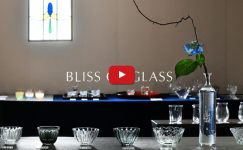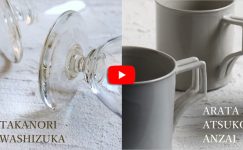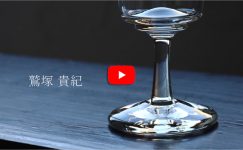





English version of the interview here.
Discovering Glass
Hanada: How did you start working with glass tableware?
Takanori Washizuka : First of all, I loved the technique of glassblowing. Since glassblowing is essentially a technique for making tableware, I naturally moved in that direction.
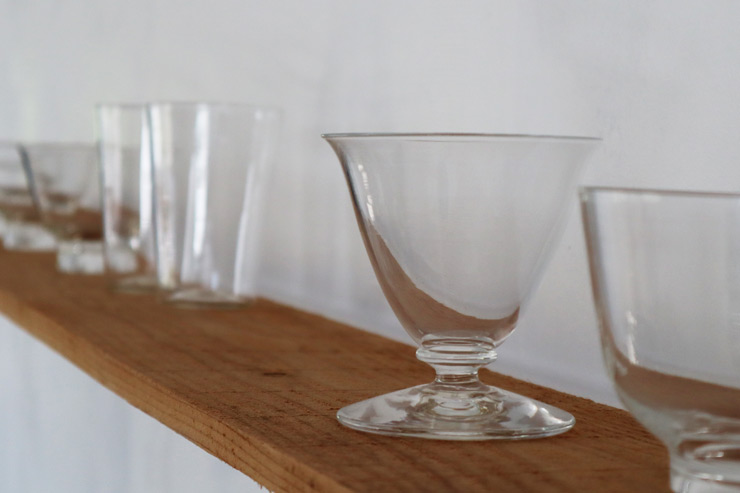
Hanada: Was there a particular reason you fell in love with glassblowing?
Takanori Washizuka : I was in my early twenties and searching for something. Honestly, it could have been anything. I just wanted to find something on my own and fully immerse myself in it. It just so happened that I came across glass and discovered glassblowing at that time. That is really all it was.
Hanada: And you have continued with glassblowing ever since.
Takanori Washizuka : Once you start, you naturally want to get better. As that happens, you begin to explore tableware more deeply and start wanting to find your own theme for your craft. If you keep going, you eventually need to connect what you do with business. You cannot succeed just by making whatever you feel like. It became necessary to shift direction and offer the skills I had accumulated toward what people actually need or might need. Working through that process is what brought me to where I am today.
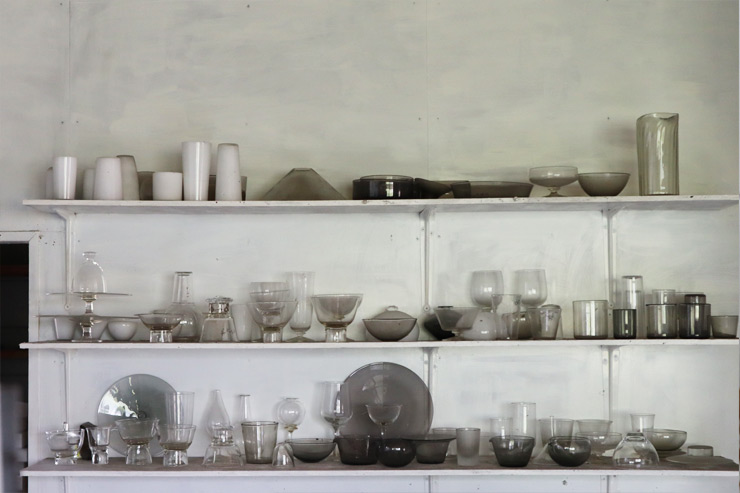
Hanada: You have steadily moved forward.
Takanori Washizuka : Anything is difficult at first. But at every stage, there is always a moment when what used to be hard suddenly feels a bit easier. Once you experience that feeling, you cannot stop, and you just want to keep moving further and further ahead.
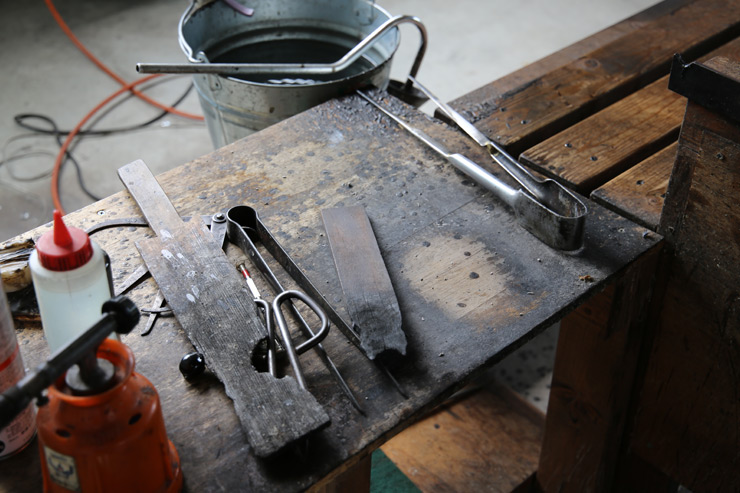
To the UK, then Toyama
Hanada: How did you learn your techniques?
Takanori Washizuka : After taking classes in Osaka, I transferred into the glass program at a university in the UK.
Hanada: You chose the UK.
Takanori Washizuka : There were not as many options in Japan back then as there are now. Since glasswork originally came from abroad, I figured there would be a lot more to absorb there.
Hanada: How did you find the school?
Takanori Washizuka : I wonder how I found it.
Hanada: (Laughs)
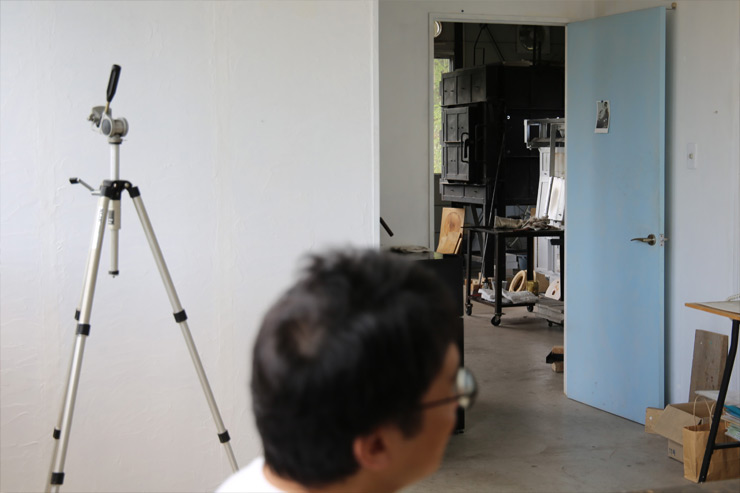
Takanori Washizuka : I think I was looking through study abroad guidebooks in Japan and chose the school in the UK that seemed to have the best facilities. Even though I could barely speak any English at the time (laughs).
Hanada: Was it everything you hoped for?
Takanori Washizuka : I was able to focus and fully immerse myself. There were very few traditional classes; instead, we mostly set our own schedules and focused on working through individual assignments.
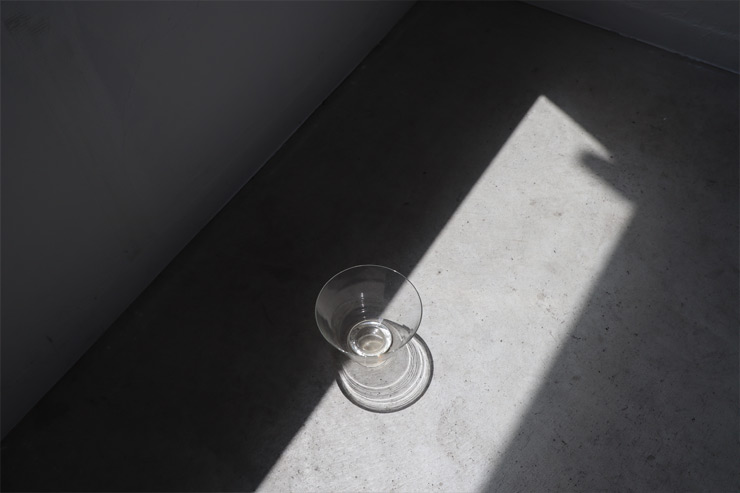
Hanada: And after that, you joined the Toyama Glass Studio.
Takanori Washizuka : I made items for the studio, but I was generally free to make my personal work, so I went through a lot of trial and error. At first, I felt that there was no point unless I stood out from others, so I was constantly searching for something original. Because of that, I think I took a very long detour. My work was over-decorated, and my mindset was all about adding more. I also just wanted to test my own skills. Looking back now, I realize I was doing a lot of things wrong.
Hanada: Things wrong…
Takanori Washizuka : It is not a matter of whether decoration itself is good or bad, but adding decoration just to set yourself apart from other makers is not the answer. If it adds functionality or meaning to the tableware, then it belongs there. But since that was not my reason, it was ultimately unnecessary. Once I realized that, I arrived at my current style. I have always liked simple things anyway, so it felt right straight away.
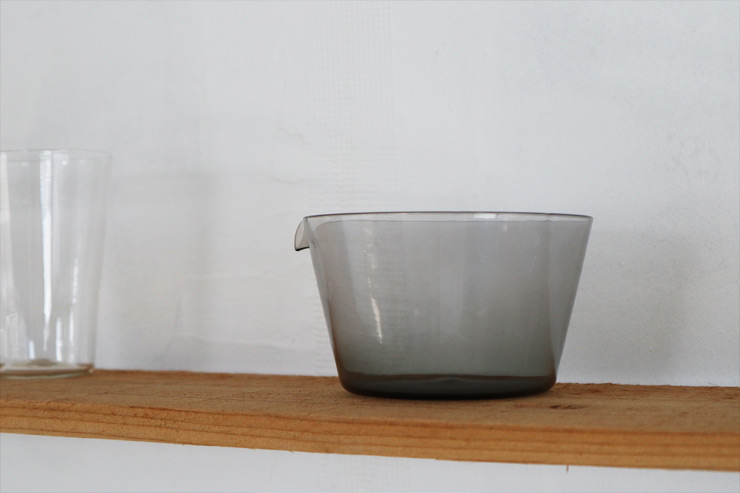
The Level of Everyday Items
Hanada: Could you share what you value most when making glass tableware?
Takanori Washizuka : I want to maintain the style of responding to existing needs. It is not about putting the skills and knowledge I have built up on display, but rather about making them useful. Also, I do not want to compete with other artisans. My hope is to attract customers who usually buy mass-produced items over to this side.
Hanada: Mass-produced goods have their merits too.
Takanori Washizuka : Their shapes and sizes are completely uniform, of course, and because they can invest a proper budget into the design stage, the forms are highly refined. I learn a lot from those aspects. However, because they target the middle ground, the final product can end up feeling a bit blurred.
Hanada: The lowest common denominator.
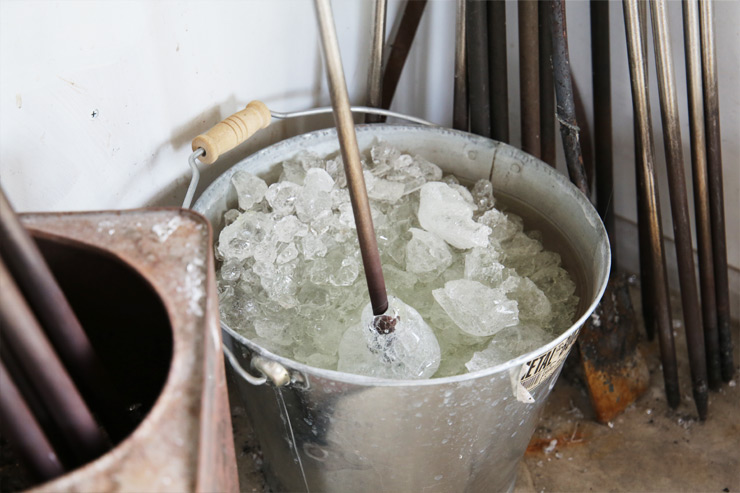
Takanori Washizuka : Since they have to sell in large quantities, they inevitably target the center. With handmade work, even if you are aiming for the exact same size, there are options within that—a slight range of variation that I think is our strength. Signs of the hands and tools naturally remain. I also feel a certain fluid quality in handmade work, a sense that the maker has fully used up the material they held. For example, making a single glass like this through industrial manufacturing requires about twice as much glass, from which they cut out a piece to finish it. In glassblowing, you take only the exact amount of glass needed for that size and use it completely. Working entirely within those limits creates that fluid quality, and sometimes, a sense of tension as well.
Hanada: Your work has remained consistent from the very first time I saw it. My impression is that it is simple, understated, and very carefully made.
Takanori Washizuka : I want to raise the quality of everyday items. If someone takes my glass home and, from the very next day, it blends into their life so naturally that they do not even think about it, then I think that makes it a good everyday object.
Moving Beyond “Good Enough”
Hanada: Is there anything you are thinking about for the future?
Takanori Washizuka : Every piece of tableware has its roots, and there are forms that have survived through time. I want to uncover those properly and continue making things as I always have. The more I make, the more the small details matter.
Hanada: The small details…
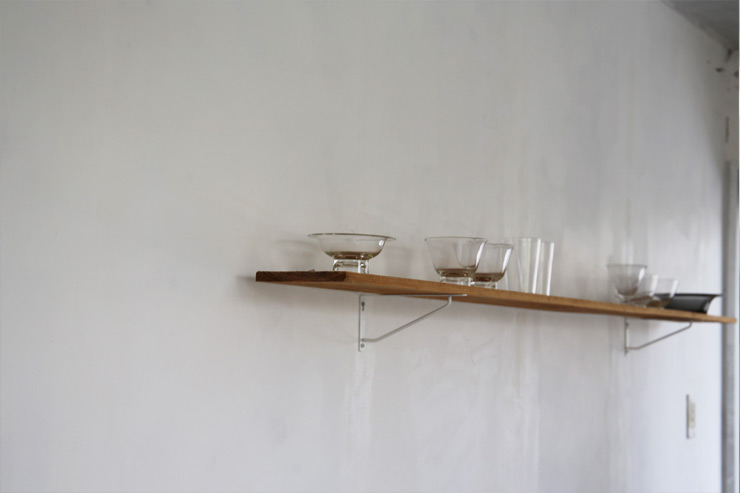
Takanori Washizuka : For instance, even with a simple cup, if you do not think deeply about it, you end up making it based on a vague idea of “Yeah, this looks about right.” When you do that, the overall feel of the piece ends up being just “about right” too. So, even with old objects, rather than just superficially tracing a form I find beautiful, I want to reconstruct it within myself first, and build a cohesive world from there.
Hanada: I feel like that world of yours is already taking shape, though.
Takanori Washizuka : No, I am still on the way, and it is not nearly enough yet. I want to shape things that are recognized across eras, not just rely on my own personal sense. For those forms to endure, someone has to keep making them. I hope to create with the feeling of passing on a baton.
Simply Rivals
Hanada: You just mentioned passing on a baton. You have reached a generation where you have more juniors behind you. You are now in a position where others look up to you as a goal.
Takanori Washizuka : They have already overtaken me (laughs).
Hanada: There are many makers who say, “I want to be able to create beautiful shapes like Mr. Washizuka.” Do you have any advice for them?
Takanori Washizuka : No, none at all (laughs). I want to stay active on the front lines myself, so they are simply my rivals. This is no time to be doting on them just because they are juniors (laughs). I have no intention of acting superior; I want to compete on the exact same level.
Hanada: You still have a long way to go.
Takanori Washizuka : Yes. I want to keep updating not just my technique but also my thinking, and further improve how I structure my business. No matter what cool things you say, it means nothing if you do not survive. Crafting is not a contest to see who can make the finest object. It is a game of survival. There is no time to worry about looking cool (laughs).
Presenting My Answers at the Exhibition
Hanada: We look forward to the exhibition.
Takanori Washizuka : I want to research the roots of tableware and present my own answers to the theme of what fits into the modern era at the exhibition.
Hanada: We are really looking forward to it. Thank you very much.
≪ END ≫
ガラスとの出会い
花田:鷲塚さんは、どのようにしてガラスのうつわの仕事に取り組むようになったのですか。(以下花田-)
鷲塚:まず、吹きガラスという技法が好きでした。
で、基本的に吹きガラスは器を作るための技法なので、自然と器の方向に向かっていきました。
-:吹きガラスを好きになったきっかけは何かあったのですか。
鷲塚:20代前半で、何かを探している時期でした。多分なんでもよかったんです。
何かを自分で見つけて、それに打ち込みたかった時に、たまたまガラスに出会い、吹きガラスを知ることになった、そういうことです。
-:その吹きガラスをここまで続けてこられました。
鷲塚:始めたら、上手になりたくなるものです。
そうなると、器のことも探求していくし、ものづくりに対して、自分なりのテーマを、見つけたくもなってくる。
それを続けていくと、今度は自分の行為をビジネスと結びつけることが必要になってくる。
好き勝手に作っていてうまくいくわけでもないですし、ニーズがあるものや、ありそうなものに対して、自分が蓄積したものを提供するという方向転換も必要で、そんなことをしながら、今に繋がってきているという形です。
-:着々と前進されてきたのですね。
鷲塚:最初は何だって難しいですよね。
その難しかったことを、ちょっと簡単に感じる瞬間が、必ずフェーズ毎にあるのですが、それを一回味わうと、もう止まらなくなりますし「もっともっと先に進みたい」という気持ちになります。
イギリス、富山へ
-:技術などは、どのように学ばれたのですか。
鷲塚:大阪の講座に通った後、イギリスの大学のガラス科に編入しました。
-:イギリスを選ばれたのですね。
鷲塚:日本に、今ほど選択肢がありませんでしたし、ガラス自体が海外から入ってきているものだったので、吸収することも多いだろうと。
-:学校はどうやって見つけたのですか。
鷲塚:どうやって見つけたんですかね。
-:(笑)
鷲塚:確か、日本で留学本なんかを読みながら、イギリスの中で1番施設が充実していそうな学校を選んだはずです。英語もほとんどできないのに(笑)。
-:期待通りの場所でしたか。
鷲塚:集中して打ち込めました。授業形式は少なくて、自分でスケジュールを組んで、1つの課題に取り組む形が主です。
-:そして富山ガラス工房に入られます。
鷲塚:工房のものも作りますが、個人的なものは大体自由に作れるので、色々試行錯誤していました。
やはり最初は「人との違いを出さないと意味がない」とオリジナルみたいなものを求めていました。だから、かなり遠回りしたんじゃないかな。
過飾もありましたし、足し算志向でした。自分の技術を試したくもなるし・・・。
でも今思えば間違ったことも色々していましたよね。
-:間違ったこと・・・。
鷲塚:装飾そのものがいいとか悪いではなく、他の作り手との違いを出すための加飾というのは、答えではないです。
器としての機能性や意味があるのなら、やるべきですが、そういう理由ではないので、結局要らないものですよね。
それに気がついて、今のスタイルに辿り着きました。元々シンプルなものが好きでしたし、すぐにしっくりきました。
日用品のレベル
-:ガラスのうつわを作る上で、大事にされていることを教えていただけますか。
鷲塚:あくまでニーズありきで、それに対して答えていくというスタイルは、これからも守っていきたいです。
これまで積み上げてきた技術や知識のお披露目の場所ではなく、それらを役に立てるということです。
それと、僕は手仕事の人と競争したいわけではなくて、量産品のお客さまが、もっとこっちに来てくれることを望んでいます。
-:量産品にも、いいところはあります。
鷲塚:かたち、大きさも、もちろん揃っているし、形を作り出すまでの過程に予算がかけられる分、つくりが練られていますよね。
そういう点はすごく勉強になりますが、その分、中間を取るので、ぼやけた感じにはなってしまいます。
-:最大公約数です。
鷲塚:たくさん売る必要があるから、どうしても中心を取ってしまいます。
手仕事の場合、狙っているサイズ感は同じでも、その中に選択肢があるというか・・・そういうちょっとした幅は強みだろうなと。
手の跡や道具の跡といったものは残っているものですよね。
そして、手仕事には「作り手が、手にした素材を使い切った」という伸びやかさのようなものを感じます。
例えば、こういうグラス1個作るのにも、工業製品だと倍ぐらいのガラスが必要で、その中から一部を切り取って、仕上げます。
吹きガラスの場合は、このサイズに必要な量のガラスだけを取って使い切るので、目一杯その形に持っていくという中でその伸びやかさや、ある時は緊張感も生まれるんじゃないかなと思っています。
-:最初に拝見したときから、鷲塚さんのお仕事は変わらないですね。
シンプルで、押し出しも強くなく、とても丁寧に作られているなという印象です。
鷲塚:僕は、日用品のレベルを上げていきたいと思っています。
持ち帰った人が、その次の日から僕のガラスが気にならないくらいに馴染んでいけば、それはいい日用品なんじゃないかなって。
「大体」で終わらせずに
-:今後について考えていることはありますか。
鷲塚:器にはそれぞれルーツがあって、生き残っているフォルムがあるので、 そういうものをきちんと掘り起こした上で、これまで通り作っていきたいです。
作れば作るほど、ちょっとしたことが大事になってくるので。
-:ちょっとしたこと・・・。
鷲塚:例えば、コップにしても、何も考えないと「まあ、こんなもんかな」って「大体」で作ってしまうし、そうなると雰囲気も「大体」になってしまいます。
それなので、古いものなどでも、自分で綺麗だなと思うフォルムを表面的になぞるだけでなく、それを自分の中であらためて組み立ててみて、その上で世界観を築いていきたいです。
-:世界観は、すでにできつつある気はしますが。
鷲塚:いや、まだ途上で、全然、足りていないです。自分の感覚でだけではなく、時代の中で評価されているものを、ちゃんと形にしていきたいです。
そういったものを残すためには誰かが作らなければならないわけだし、バトンを渡すような感じで作れたらいいなと思っています。
普通にライバル
-:今バトンの話が出ました。鷲塚さんも、後輩のほうが多い世代になってきました。
憧れや目標の対象にされる立場ですね。
鷲塚:すでに追い抜かれていますよ(笑)。
-:「鷲塚さんみたいに、きれいな形が作れるようになりたい」とお話しされる作家さん、多いですよ。
何かアドバイスは・・・
鷲塚:いや、ないです(笑)。自分も、ずっと現役でいたいので。普通にライバルですから。
後輩とか言って、可愛がっている場合じゃない(笑)。偉そうにするつもりもないし、同じ立場で競争していたいです。
-:まだまだこれからですね。
鷲塚:はい。技術だけでなく、思考も、アップデートして、仕事の仕組み作りも、もっと進めていきたいなと思っています。
どんなかっこいいこと言っていても、生き残らないと意味ないですから。
なんというか、もの作りって、いいものを作るコンテストでは無いんです。
あくまで、生き残りゲームです。カッコつけている暇ないです(笑)。
自分なりの答えを展示会で
-:展示会、宜しくお願いします。
鷲塚:食器のルーツを調べて、今の時代に合うものというテーマに対しての自分なりの答えを展示会では出したいなと思っています。
-:楽しみにしています。よろしくお願いします。

–>
関連記事はこちら