





English version of the interview here.
A Desire to Work with My Hands
Hanada: Could you tell us how you first got involved in making tableware?
Kenichi Muso : Initially, I was working in an internet-related field in Osaka. However, in my late twenties, I decided to return to my hometown in Fukui. That was when I began considering a career related to handcrafts, and I spent time visiting various craft production areas across Fukui Prefecture—lacquerware, cutlery, Japanese paper, and ceramics. In the end, I narrowed my focus down to paper and pottery.
Hanada: Had you always been interested in handcrafts?
Kenichi Muso : Since I was young, I had always enjoyed drawing, art classes, and playing music. I suppose I have always loved the process of creating something with my own hands.
A Fateful Encounter
Hanada: So, paper and pottery were your final choices.
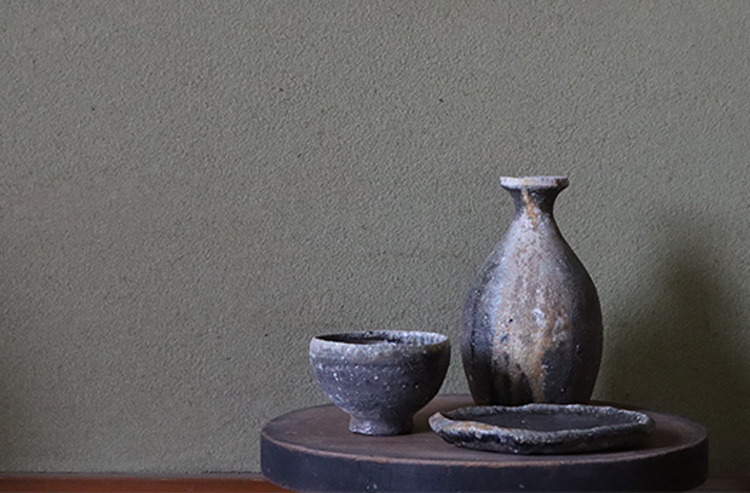
Kenichi Muso : I had actually been deeply fascinated by Japanese paper before and had visited various paper-producing regions. As for pottery, there is a facility near my home called “Creative Forest.” While I was touring the site, someone invited me to join a pottery class. Over time, I became good friends with the instructor and started visiting his home. I found his lifestyle incredibly captivating. We also shared the same taste in music and even went to live concerts together. I listen to a wide range of genres, like black music, Latin, and jazz, and he was someone who appreciated a broad variety of music as well. Perhaps it was just his personality, but his way of living felt so relaxed and free. Before long, I was helping him stoke his wood-fired kiln and kneading clay while listening to reggae music.
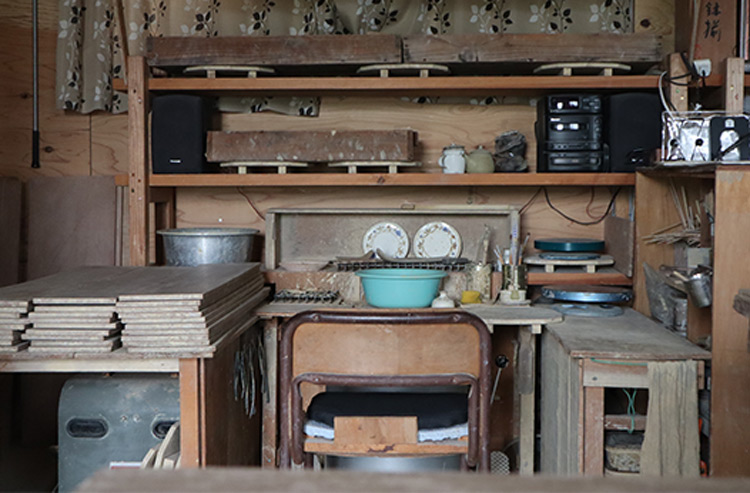
Hanada: Working while listening to your favorite music sounds wonderful. For something considered a traditional craft, there is a unique appeal to working with that kind of music in the background.
Kenichi Muso : Exactly. He primarily focused on Echizen pottery, and seeing someone do that kind of work with such a relaxed vibe felt just right to me. It really clicked. He told me about the Echizen Ceramics Guidance Center, and I decided to enroll there as a trainee.
Hanada: What kind of instruction did you receive there?
Kenichi Muso : It was basically just the pottery wheel, along with a little bit of glazing. We had a fair amount of freedom, but there were specific assignments. Once you finished making teacups, you moved on to plates, and after that, narrow-necked vases. Fast learners could keep moving ahead, but since the program was only one year long, slower students might not finish all the tasks. It went by in a flash. After that year, I had this strange, unfounded determination that I was going to set out and work independently right away. It wasn’t even that I had a lot of confidence (laughs). On top of that, near the end of my training, someone who was quitting pottery offered to sell me their entire setup, including the kiln and the wheel. Even though I was still just a student, I thought, “I might as well buy it,” and I did. I was still only learning the basics at the time.
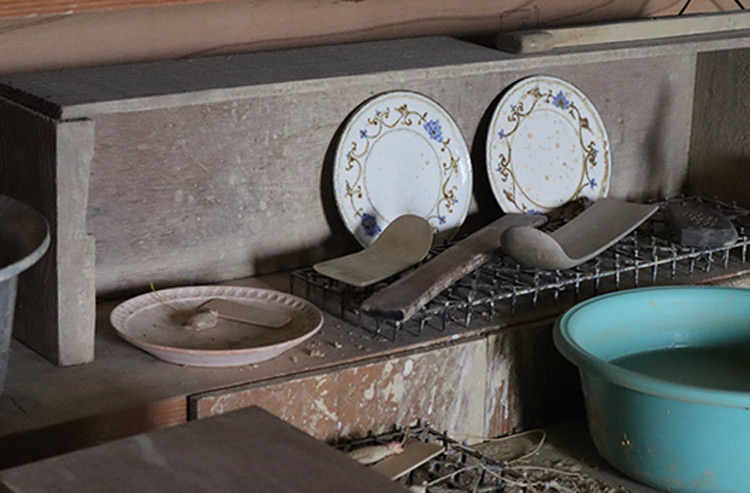
Kenichi Muso : That was how I officially went independent. I was thrilled for a brief moment, thinking, “Yes, I’m on my own now.” But naturally, there was absolutely no work coming in. I didn’t even have my own glazes yet, so I decided to start making them. However, the kiln I had bought turned out to be so large that even when I tried to make test pieces for glazes, I could never fill it up. In the end, I had no work for six months and couldn’t even finish making my glazes. I realized, “This is bad, I need to do something or I’ll be in trouble.” Just as I was reconsidering things and thinking about putting it on hold, a local pottery workshop invited me to come and work for them.
Hanada: How was that experience?
Kenichi Muso : I am so glad I went. Beyond the actual making of pottery, I learned the crucial importance of selling the work.
What I Want to Make, What I Love
Hanada: And then you finally established your independence for real. Was your style similar to what it is now?
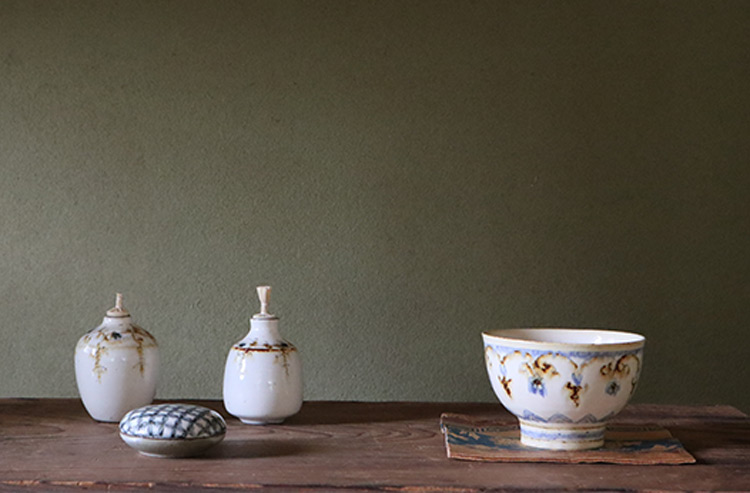
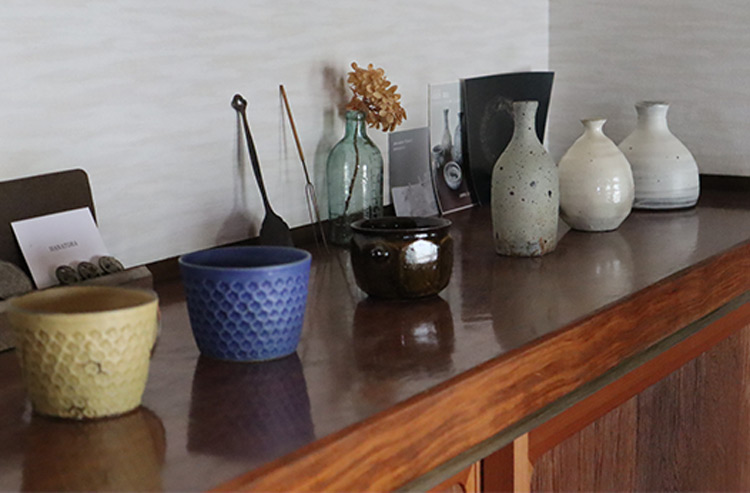
Kenichi Muso : I had always loved Joseon dynasty ceramics. Since I had been practicing constantly with the local red clay and was surrounded by many artists who made kohiki (white slip ware), creating kohiki myself felt like a natural progression. It also reflects the imagery of the snow in Fukui.
Hanada: You seem to have a deep affection for your local landscape.
Kenichi Muso : The yellow represents the earth, and the gray represents the cloudy skies of Fukui. Though a cloudy sky might sound like a slightly unusual theme (laughs).
Hanada: Does the blue represent the clear sky?
Kenichi Muso : It represents the sea.
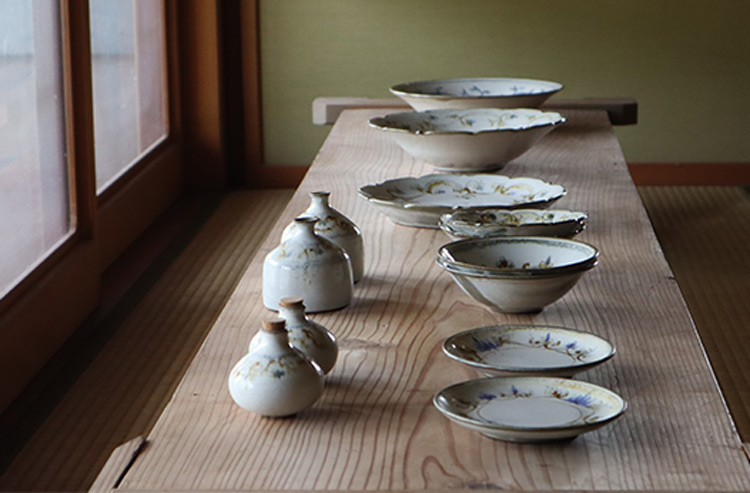
Hanada: Your shiboride (brush-marked slip) work is also very charming.
Kenichi Muso : I adapted that from Annam (Vietnamese) ceramics, which I have always admired.
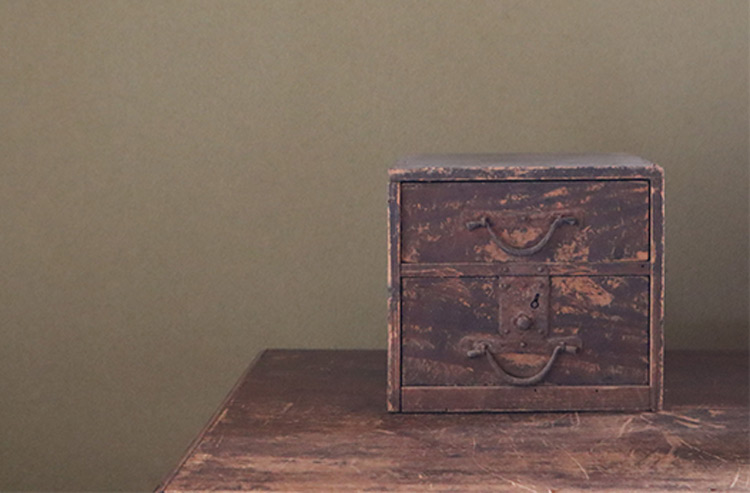
Hanada: You have various old items displayed in your home.
Kenichi Muso : I love tools and items that have been used for a long time, not just antiques. Things like these drawers or cedar wood boards. I also love the patterns found in Islamic and Iranian pottery.
Staying True to Myself
Hanada: What do you value most when making your tableware?
Kenichi Muso : Being original. I want to create things that only I can make, and above all, I want to remain true to myself. While I am creating functional tableware meant to be used, I also want to infuse a sense of playfulness and mischief—making pieces that leave people wondering, “What on earth do I use this for?”
Hanada: Could you give us an example of what kind of pieces those are?
Kenichi Muso : I absolutely love miniature objects. I love the feeling of something being densely concentrated into a small form. I enjoy making things so tiny that you catch yourself asking, “What could I possibly put in here?”
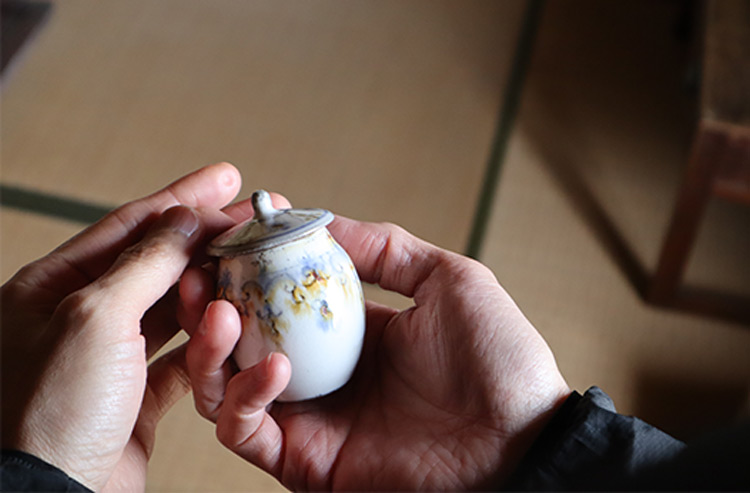
Hanada: That sounds like a wonderful variety. After all, a person’s creative desires can’t always be contained within just one single thing.
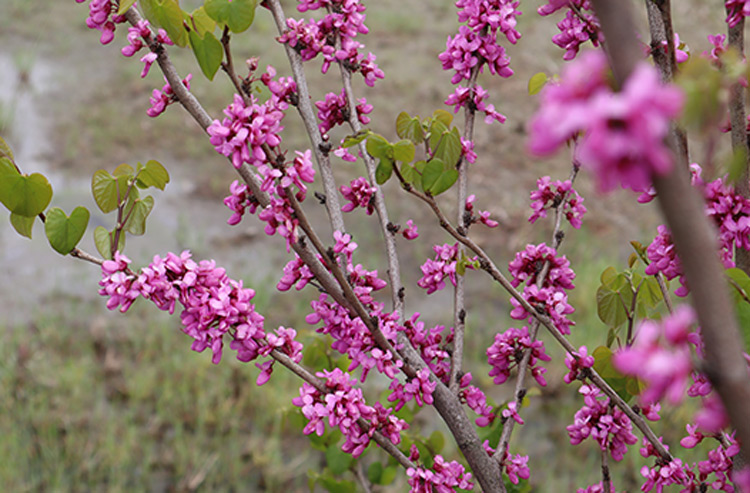
Kenichi Muso : Exactly. When you keep doing the same thing for a long time, you naturally feel like trying something completely different. I also pay close attention to how a piece feels when you pick it up. For items that are held frequently, like teacups and mugs, I deliberately try to make them feel slightly lighter than they look. Another thing I focus on is maintaining my initial creative energy as much as possible. With ceramics, it can take about a month from the time you start making a piece until it is fully fired. To keep from losing that initial motivation and focus, I listen to music, work in the garden, or take walks to look at plants. Sometimes, I end up spending more time refreshing my mind than actually working (laughs).
Hanada: That focus seems essential, even when you are producing the same type of items continuously.
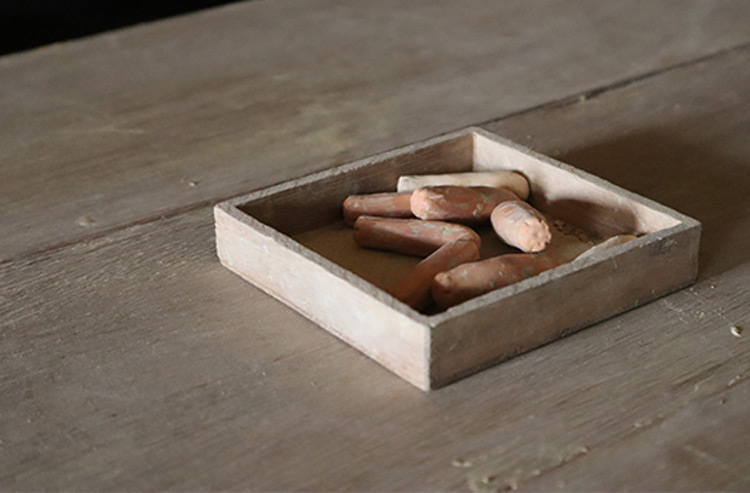
Kenichi Muso : Yes. For example, with the inka (stamped pattern) work I’ve been doing for a long time, it can easily start to feel like repetitive labor. When you have to make thirty or fifty mugs, it is easy to slip into just going through the motions. I believe that kind of mindset shows through in the final product. To maintain that creative energy, taking time to refresh your outlook is incredibly important.
Continuing Onward
Hanada: Are there any new projects or directions you would like to explore in the future?
Kenichi Muso : My original dream was simply to be able to continue doing this work, so that is already coming true. In addition to that, I have a strong desire to keep making pieces that only I can create. I am currently running various glaze tests, so I look forward to introducing new types of work soon.
Hanada: We look forward to seeing them. Thank you very much.
≪ END ≫
手仕事に関わりたい
花田:うつわ作りに取り組むようになった経緯をお聞かせください。(以下花田-)
武曽:最初は、大阪でインターネット関連の仕事をしていましたが、20代後半くらいに郷里の福井に戻ってきたタイミングで、手仕事に関わることを考え、福井県内の工芸の産地を回りました。
漆、刃物、和紙、焼き物…。
最終的には和紙と焼き物に絞りました。
-:元々、手仕事に興味をお持ちだったのですか。
武曽:昔から、絵を描くことや美術の授業が好きだったり、音楽をやっていたり…。
何かを自分の手で生み出すようなことが好きだったのだと思います。
出会い
-:和紙と陶芸が最後に残ったのですね。
武曽:和紙は以前にもハマっている時があって、色々和紙の産地を見て回ったこともありました。
焼き物は、近所に「創作の森」という場所があって、そこを見学していたら、陶芸家の教室に勧誘されたんです。
そのうち、その陶芸家さんとも仲良くなって、その方の自宅にも遊びに行くようになり、その暮らしの面白さに魅かれました。
その人とは音楽の趣味も合いました。
一緒にライブ行ったり…。
ブラック、ラテン、ジャズ・・・僕も色々聞くんですけど、その人も色々好きな人でした。
その人がそうだったのかもしれませんが、暮らし方がとても大らかで自由だったんです。
そのうち、薪窯を焚く手伝いをさせてもらったり、レゲエ聞きながら土練りしたり…。
-: 好きな音楽聞きながらだと、楽しいでしょうし、伝統工芸という割には、そういう音楽を聞きながら、というのにも何か魅力を感じますね。
武曽:そうです。
特にその人は越前焼がメインだったのですが、そういう人が、そういうノリで仕事をしているのが、いいなって。
なんか腑に落ちたというか。
その人に、越前の窯業指導所について教えてもらい、そこに研修生として入ることにしました。
-:そこでは、どういった指導を受けるのですか。
武曽:基本的にロクロだけです。
あとちょっと釉掛けとか…。
結構、自由にはできたのですが、一応課題があって、湯飲みが終わったら、次お皿、それが終わったら鶴首みたいな感じで、ペースが早い人はどんどん進めますが、1年しかないので、遅い人は途中で終わってしまう、みたいな…。
あっという間でした。
その1年のあとは「もう独立して、やっていくんだ」って、当時は、なんか変なやる気というか、根拠のない何かがあって。
自信があるわけでもないのに(笑)。
さらに、研修生の終わりぐらいの時に、ちょうど焼き物をやめるという人に「窯とかロクロとか、一式売るよ」って声を掛けられて、まだ研修生のくせに「もう、買ってしまうかな」と思って、買っちゃったんですよ。
まだ習っているだけなのに…。
武曽:で、そこで、いわゆる独立をしました。
「やった。独立だ」って一瞬喜んだんですけど、当然ながら、全然、仕事ないんですよね。
自分の釉薬すらないから、まずは釉薬を作ることにしたのですが、そうしたら譲ってもらった窯が大きくて、釉薬のテストピース作ろうにも、一向に窯が埋まらない。
で、結局半年仕事がなくて、自分の釉薬も作れずじまい。
「これはやばい、何かしないとまずいな」って。
で「一旦諦めるか」と考え直していた時に、窯元さんから仕事のお誘いを受けました。
-:いかがでしたか。
武曽:いやあ、行って良かったです。
作ることはもちろんですけど、販売することの重要性を学びました。
作りたいもの、好きなもの
-:そしてついに、リアル独立ですね。作風は現在のような感じでしたか。
武曽:元々、李朝の焼き物が好きでしたし、地元の赤土でずっと練習していたり、まわりに粉引の作家さんも多かったりしたので、自然と粉引を作るようになりました。
福井の雪をイメージもしています。
-:地元の風土に愛着をお持ちなのですね。
武曽:黄色は大地で、グレーは福井の曇り空。
「曇り空」って、テーマとしては、あれかもしれませんけど(笑)。
-:ブルーは青空ですか?
武曽:海です。
-:絞手の仕事も魅力的です。
武曽:自分の好きな安南の焼き物をアレンジしました。
-:ご自宅には古いものが色々と置いてあります。
武曽:骨董に限らず、古くから使われている道具が好きです。
こういう引き出しだったり、杉の板だったり…。
イスラム陶器やイランの陶器の文様も好きです。
自分に正直に
-:うつわを作る上で、大切にされていることを教えていただけますか。
武曽:「オリジナルであること」です。
自分にしかできないようなものを作っていきたいですし、なんというか、自分には正直でいたいです。
使うための食器作りではありますが、それにプラスして、遊び心や、いたずら心を入れた「これ、何に使うの」みたいなものも、作っていきたいなと思っています。
-:例えば、どのようなものですか。
武曽:僕、小さいものがすごい好きなんです。
小さいものにギュっと凝縮されてる感覚が好きなんですよ。
「これ、何入れるの」っていうくらい、小さいもの。
-:色々あって楽しいですね。まあ、人間、したいことが1つにまとまるわけでもありませんし。
武曽:そうなんです。
同じことをずっとやっていると、全く違うことをやってみたくもなります。
それと、手に取った時の重さも気にしています。
特に手に取って使う湯呑みやマグは「見た目より、ちょっと軽め」を意識しています。
あとは、できるだけ最初の熱量を維持しながら取り組むことです。
焼き物は、作り始めてから焼き上がるまでに1ヶ月くらいかかってしまうこともあるので、作り始めのモチベーションを失わずに、集中力が途切れないよう、音楽聞いたり、畑いじったり、植物散歩したり…で、結構その気分転換の時間の方が長くなることもあるんですけど(笑)。
-:同じものを作り続けていく場合にも求められそうです。
武曽: 例えば、昔から作っている印花だと、どうしても作業化しやすいというか…。
マグカップも30個、50個ってなってくると、こなしに入ってしまいがちです。
そういう部分はモノにも出てしまうと思うので、熱量の維持のためにも、やはり新鮮な気持ちになる時間は大切です。
これからも続けていきたい
-:今後、取り組んでいきたいことはありますか。
武曽:元々の夢が、この仕事を続けることだったので、かないつつあるのですが、それに加えて、やはり自分にしか作れないものを作り続けていたいという思いはあります。
釉薬も色々テストしていますので、新しいものも作っていきたいです。
-:楽しみです。ありがとうございました。
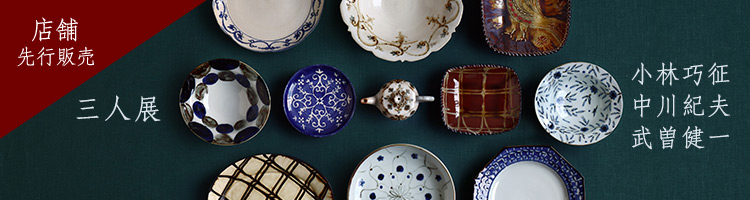
▼小林巧征×中川紀夫×武曽健一 三人展のご案内はこちらから ▼