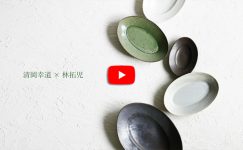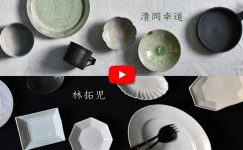



English version of the interview here.
Becoming “Someone Who Can Make Any Kind of Tableware”
Hanada: What first sparked your interest in working with tableware?
Kodo Kiyooka: About four years after I moved to Shigaraki, a bar I used to frequent decided to open a restaurant and asked me to make the tableware. I barely knew anything about tableware at the time, but I hurriedly studied it and prepared around ten items. The response was far better than I had imagined…Hanada: You studied in a rush and still got a great response… It sounds like you were truly suited to making tableware.
Kodo Kiyooka: Everyone praised my work. That had never happened to me before in my life. People used something I had made, enjoyed it, and even complimented it (laughs).It felt strangely right to me. That made me want to work in tableware production, and through a senior colleague, I was brought into a company where I stayed for ten years.
Hanada: What kind of ten years were they?
Kodo Kiyooka: At first, I couldn’t make much at all. I wasn’t hired because they needed people—in fact, they already had enough staff, but my senior pushed hard to get me in. Apparently he told the president, “This guy can make any kind of tableware.”Hanada: Quite the grand introduction…
Kodo Kiyooka: Something like, “In return, you’d better work hard,” you know (laughs).Hanada: That’s something to be grateful for, in a way.
Kodo Kiyooka: At that point, I had no choice but to give it everything I had. I had to live up to being “the guy who can do anything with tableware” (laughs). So even after work, I practiced late into the night.Hanada: You couldn’t exactly practice in front of everyone (laughs). And eventually, you started thinking about becoming independent.
Kodo Kiyooka: This year marks my eleventh year since going independent.Something Slightly Unlike Anything Else
Hanada: So, what does “a good piece of tableware” mean to you?
Kodo Kiyooka: I don’t try to define clearly what tableware “should” be. That said, I do hope that my work looks a little different from others. I love reproductions of ancient ceramics and enjoy looking at others’ work, but personally, I want to create pieces that feel “just a little unlike anything else.”Hanada: That uniqueness isn’t just about appearance, is it?
Kodo Kiyooka: It’s hard to put into words.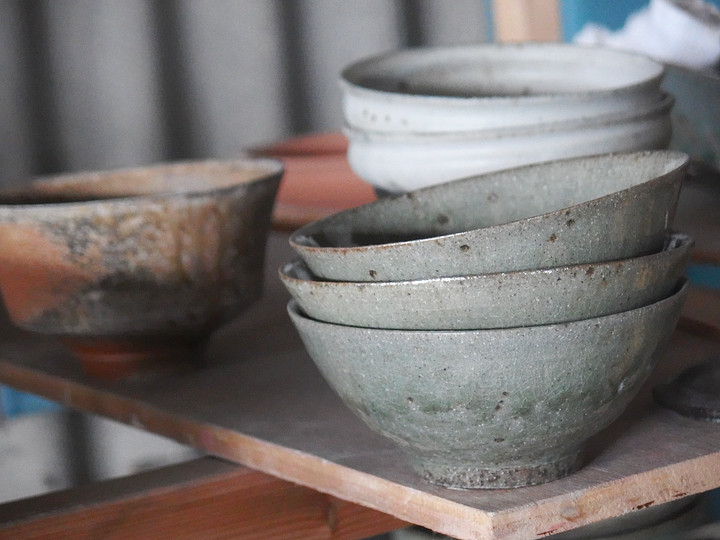
A Message to Younger Generations
Kodo Kiyooka: I also hope more young people will become interested in tableware. I do feel that movement starting to happen.
Hanada: It’s encouraging to see more people newly drawn to tableware.
Kodo Kiyooka: There are now many more places where people can see tableware. In the past, it was unthinkable for select shops to carry ceramics.Hanada: Your work seems like it would fit naturally into those spaces.
Kodo Kiyooka: I’ve always felt that these things are all connected.Hanada: Perhaps that’s why your work embraces the strengths of ceramics without feeling overly bound to tradition or clinging to it.
Kodo Kiyooka: As I kept working, I began to realize the depth of ceramics, but I think that mindset was there from the start.In fact, around my fifth year at the pottery, I was already holding solo exhibitions at rental galleries in Daikanyama and Jiyugaoka, hoping young people would come. But mostly, it was just my friends who showed up. Friends from my high school rugby club would come out of obligation, but they basically had no interest at all (laughs).
Hanada: A tableware exhibition filled with rugby players—that’s not something you see often (laughs).
Kodo Kiyooka: They’d say, “Kiyooka, I hear you’ve been making jars lately,” and come by. Then they’d introduce me to others saying, “He’s my classmate—he makes jars up in the mountains.”Hanada: You’d be thinking, “I don’t make jars, and I don’t live in the mountains.” (laughs).
Kodo Kiyooka: When I’d say, “Just take one you like,” they’d reply, “If it’s free, sure,” and pick something…Hanada: (laughs)
An Experiment from 20 Years Ago
Kodo Kiyooka: Even so, those friends and I went to DC brand shops and vintage stores together, listened to the same music, and talked about movies. Yet for some reason, only my tableware was seen as something completely out of touch with everyday life.I couldn’t understand why. To me, wearing stylish clothes and shoes was no different from using beautiful tableware. I even brought my work to clothing select shops.
Hanada: That was quite a challenge at the time. How did they respond?
Kodo Kiyooka: They’d say, “It’s not bad, but this isn’t really the place for tableware. Could you take it to a ceramics shop instead?” And I’d reply, “Yes… you’re right,” knowing full well they were right.Hanada: Despite your passion and drive, you seem rather calm about the results.
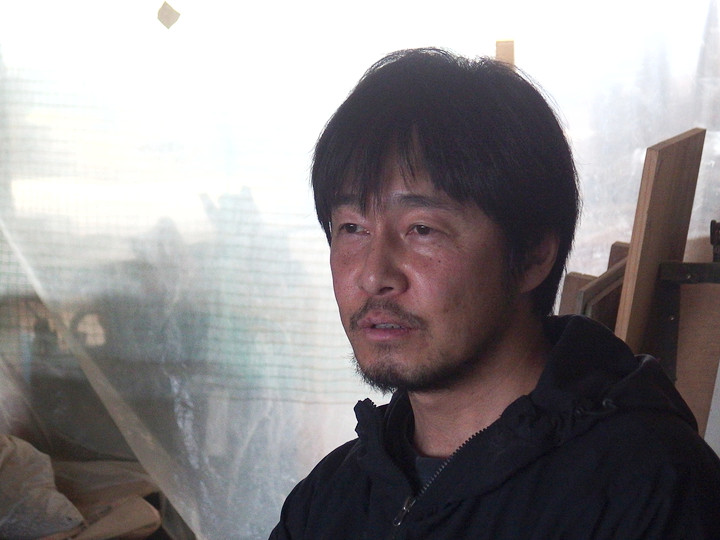
Kodo Kiyooka: Above all, I wanted my work to be placed where people of my generation would see it and think, “There’s something fun like this—there’s a world like this.”
Hanada: You wanted people to engage with tableware the same way they do with cars, clothes, or music.
Kodo Kiyooka: Twenty years ago, it just wasn’t that kind of era. Eventually I started thinking, “This won’t work.” The response was simply too weak (laughs).Finding One’s Own Place
Hanada:
You make great use of the inherent appeal of ceramics. Visually, your work feels sharp, with an excellent balance of glaze tones, yet broadly speaking, it draws out the beauty of the clay without relying on it too heavily.
As society becomes more dominated by digital, artificial, and predictable things, people also develop a strong desire for the opposite. Your work seems to contain both. It doesn’t belong entirely to one side, nor does it depend on either. From the perspective of everyday life where tableware is used, your work seems to establish a unique “place.”
Moments of Hesitation
Hanada: What do you mean by “ceramic-like”?
Kodo Kiyooka: Growing up in Shigaraki, I’ve come to appreciate the power of clay and glaze—imperfection, unpredictability, and things that can’t be fully controlled or reproduced.Hanada: There must be times when things go well, and times when they don’t.
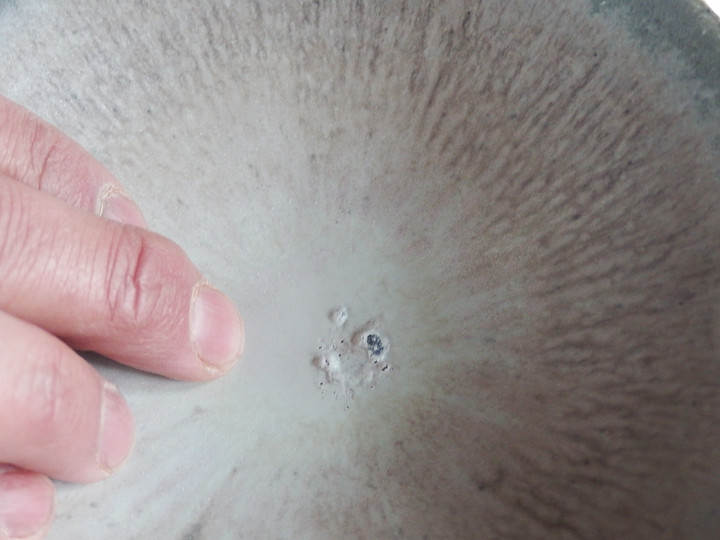
Kodo Kiyooka: I use a gas kiln, and I slightly adjust the reduction timing and peak temperature each time.Sometimes I choose stability over excitement—I hesitate and don’t raise the temperature enough (laughs).
When that happens, the results can feel unsatisfying.
I think the pieces I’m most convinced by come when I work with the mindset that “failure is fine.”
Oval Plates Make Their First Appearance
Hanada: Is there anything you particularly enjoy making?
Kodo Kiyooka: I like wheel throwing. It clearly shows me that I’m still able to grow.Hanada: You work with various glazes—olive, ash-white, black…Do you see that range continuing to expand?
Kodo Kiyooka: They’re existing glazes, but I’d been experimenting with applying them thickly and firing at very high temperatures. Only recently has it started working well.Hanada: Which glaze is it?
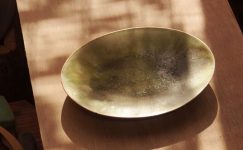
Kodo Kiyooka: White. Suddenly, complex colors unlike anything I’d seen before began to appear. It feels very spring-like, so I’d like to include it in our April two-person exhibition.I’m also thinking about oval plates now. Honestly, I want them for myself (laughs).
Blowing People Away
Hanada: Is there anything you want to pursue going forward?
Kodo Kiyooka: These days, there aren’t many glazes that feel completely new. Still, I want to create something that makes people say, “What is this?”Hanada: That must require a lot of testing—and many failures.
Kodo Kiyooka: But when you find something, it’s incredibly satisfying. That said, it only works if the form supports it. The atmosphere changes entirely depending on the clay body. Focusing only on glaze research doesn’t work. I want to value bringing out the glaze’s potential.Hanada: Other artists sometimes talk about your glazes.
Kodo Kiyooka: So they talk about them (laughs). But I’m probably not doing anything as complex as people imagine.
I rarely layer multiple glazes or manipulate ash in special ways.
Hanada: Simple.
Kodo Kiyooka: You could do many things by making it complex, but…Hanada: Perhaps you understand the fundamentals well. Without understanding them, interpretations become superficial, leading to unnecessarily complex paths—like overthinking a math problem and making it harder than it needs to be.
Kodo Kiyooka: I wouldn’t say it’s anything that impressive, but someday I hope to create something that truly surprises people.Hanada: I look forward to the day when we’re completely blown away.
Kodo Kiyooka: Viewers also need to be ready to be blown away—otherwise, it’s hard to blow them away (laughs).Hanada: So surprising someone is a joint effort between the maker and the viewer (laughs). We look forward to the two-person exhibition.
Kodo Kiyooka: Likewise. I’m really looking forward to it.
≪ END ≫
「うつわなら何でも出来るやつ」に
花田: うつわの仕事に興味を持ったきっかけは何だったのですか。(以下 花田-)
清岡: 信楽に来て4年目くらいで、よく行っていた飲み屋がレストランも始めるからと、そこで使ううつわを頼んでくれたんです。
うつわのこと、ほとんど分かっていませんでしたが、急いでうつわの勉強をして、10アイテムくらい用意しました。
そうしたら想像以上に良い反応がありまして・・・。
-: 慌てて勉強して好反応・・・。
清岡さん、本当にうつわ作りに向いていたのですね。
清岡: みんなが色々褒めてくれるんです。
そんなこと、それまで生きていて一度もありませんでした。
自分が作ったモノを使ってくれて、喜んでくれて、しかも褒めてもらえる(笑)。
それが自分には、やけにしっくり来たんです。
で、うつわを作るところへ行きたいなと考えて、先輩がいた会社に引っ張っていただいて、そこに10年いました。
-: どのような10年間でしたか?
清岡: 最初は作れないですよ。
ただ、そこは人が足りないから入ったわけではなく、人が余っているのに無理やり先輩に入れてもらったんです。
「うつわなら何でも出来るやつです」みたいなことを先輩がその会社の社長に言ってくれたみたいで。
-: 鳴り物入り・・・。
清岡: 「その代わりお前、ちょっと頑張れよ」みたいな(笑)。
-: 有難い、といえば有難いですね。
清岡: そうなると必死です。
「うつわなら何でも出来るやつ」でいないといけませんから(笑)。
だから、仕事終わってからも、夜中遅くまでずっと練習していました。
-: 皆の前では練習できませんものね(笑)。
-: そのうち、独立を考えるわけです。
清岡: 独立して今年で11年です。
ちょっとほかには無い・・・
-: さて、清岡さんにとって「良いうつわ」とは。
清岡: 僕自身「うつわはこうあるべきだ」というものをハッキリと持とうとは思っていません。
ただ、自分の作るうつわは、他のものとちょっと違って見えるといいなとは思います。
古陶の模しも凄く好きだし、他人のものを見るのも好きなんですが、僕自身は「ちょっとほかには無い」ようなうつわを作っていきたいなと思います。
-: 自分にしか出来ないものというのは、見た目だけの話ではないのでしょうね。
清岡: 言葉で説明するのは難しいですね。
若い人たちへのメッセージ
清岡: あと、より多くの若い人たちがもっとうつわに興味を持ってくれると良いなと思います。
今そういう動きは感じますが。
-: 新たにうつわに興味を持ち始めてくれる方々が増えるのはうれしいことです。
清岡: うつわを見ることができる場所も増えました。
昔はセレクトショップにうつわを置くなんて考えられないことですから。
-: 清岡さんのうつわはしっくりと嵌りそうです。
清岡: それらは繋がっているものだって、ずっと思っています。
-: 清岡さんの仕事が、焼き物の良さは活かしつつも、その世界に変にこだわっていたり、しがみついていたりする雰囲気がしないのはそのせいでしょうか。
清岡: やっているうちに、焼き物の深さに気付き始めましたが、うつわを始めた頃からそうだったんだと思います。
実は製陶所に勤めていた時も5年目くらいから、代官山や自由が丘のレンタルギャラリーで個展をしていたんです。若い人達に見てもらいたくて。
でも来るのは友達ばかり。
高校のときの部活(清岡さんはラグビー部でした)の友達なんかは義理で来てくれるけど、基本的には全く興味がないわけです(笑)。
-: ラガーマンが集ううつわの展覧会、というのはあまり見たことありません(笑)。
清岡: 「清岡、お前、最近、壷をやっているらしいな」みたいな感じで来る。
で、連れてきた人に「こいつ、同級生なんだけど山で壷作っているんだよ」なんて紹介をするわけです。
-: 「壷でもないし、山でもないよなあ」って思いますよね(笑)
清岡: 仕方なく「一つ好きなの持っていきなよ」と言うと「タダならもらってくわ」って選んでいく・・・。
-: (笑)
20年前の試み
清岡: ただそういう友達とも、当時のDCブランドや古着屋を一緒に回っていたし、同じ音楽聴いていたし、映画の話もしていたんです。
でも、なぜか僕の作るうつわだけは、浮世離れしているようなものに見られていました。
不思議で仕方なかったです。
格好いい服を着て、格好いい靴を履くのと、格好いいうつわを使うことは僕にとっては同じことだったので。
服のセレクトショップにもうつわを見せに行っていましたよ。
-: 当時はチャレンジですね。
反応は・・・?
清岡: 「悪くはなかったですけどね・・・。ただ、うちはそういうのを置く場所じゃないので、うつわ屋さんに持って行ってくれますか」って当たり前のこと言われて「そうですよねえ・・・」なんて答えていました。
-: 清岡さんは情熱や行動力あるのに、出てきた結果に対しては普通に冷めていますね。
清岡: とにかく自分と同じ世代の人達の目に触れる場所に置いて「こんな楽しいものもあるよ、こんな楽しい世界があるんだよ」って伝えたかった。
-: 車や服を買ったり、音楽聴いたりするのと同じようにうつわとも付き合って欲しいと。
清岡: 20年前は全くそんな時代じゃなかった。
で、やっているうちに「これは無理やな」って考えるようになりました。
反応が悪過ぎたので・・・(笑)。
自分の場所
-: 清岡さんは、焼き物本来の魅力を上手く使いこなされています。
見た目で言えば、つくりはシャープであったり、釉調のバランス感覚が優れていたりするのですが、漠然と言うと、土の良さを活かしながらも、それに寄り掛かりすぎてないというか。
今は社会でデジタルや人工物、予測可能なものの比重が大きくなってきていますから、その反動で人々はその逆のものに対する欲求も強く持っています。
清岡さんの仕事にはその両方が含まれている気がします。
どちらか一極にいるわけではないし、どちらかに頼っているわけじゃない。
うつわを使う「生活」側から見ると、清岡さんの仕事は独特の「場所」を確立しているなと思います。
清岡: 僕自身、両方好きなんです。
逆に言えば、一日中スマートフォンをいじっていたいわけでもないし、何でもかんでも自然のものがいいとか、自給自足していなければいけないとか思っているわけでもありません。
人々がデジタルなものから感じるようなものの中に、焼き物っぽさをいれたら面白いんじゃないかなって、思うんです。
ビビッてしまう時
-: 清岡さんのいう焼き物っぽさとは?
清岡: 信楽で育ってきているから、土の力とか釉薬とか、或いは完全じゃないもの、割り切れないもの、偶然性を伴うもの・・・完全には再現できないものに魅力を感じます。
-: 上手くいく時もいかない時もあるかと思います。
清岡: ガス窯を使っていて、還元のタイミングやトップの温度は、毎回少しずつ変えているんです。
たまに、面白さより安定を取ってしまう時があって・・・、ビビッて温度を上げなかったり・・・(笑)。
そういう時に、すごく物足りないものができることがあります。
「失敗しても仕方ない」くらいの気分でやっているほうが、納得できるものが出てくる気がしますね。
楕円皿、初登場
-: 作っていて楽しいものはありますか。
清岡: ロクロは好きです。
ロクロは、自分が今だに成長できることを分かりやすく自覚できるんです。
-: 釉も色々あります。
オリーブ、灰白、黒・・・。
これからも増えていきそうですか。
清岡: 既存の釉薬なんですが、以前から、分厚くかけて温度を思いっきり高くして焼く、っていうのを、試していたんです。
やっと最近うまくいくようになってきました。
-: どの釉薬ですか?
清岡: 白です。
そうしたら、今まで無かったような複雑な色が、パーッと見えてきたんですね。
春らしいですし、4月の二人展には出したいなと思っています。
あと今、楕円皿も考えています。
楕円皿は自分で欲しくて(笑)。
度肝を抜く
-: 今後やっていきたいことは何かありますか。
清岡: 今時、見たこともないような珍しい釉薬ってあまり無いじゃないですか。
でも「なにコレ?」みたいなものも作り出していきたいと思っています。
-: テストも重ねないといけませんね。
失敗も多いでしょうし。
清岡: でも、それが見つかった時はメチャクチャ嬉しいです。
ただ、そういうものって、かたちが伴っていないと格好よくないんです。
素地によって、雰囲気は全く変わりますし。
釉薬の研究ばかりしていても成立しない、というか。
釉薬の魅力を活かすことを大事にしたいです。
-: たまに他の作者の人も清岡さんの釉薬について話されていますよ。
清岡: 話題にしてもらっているのですね(笑)。
でも多分、皆が思っているほど、僕は複雑なことはしていないですよ。
2種類重ねて掛けるとか、灰を工夫するとか・・・あまりそういうのはないです。
-: シンプル。
清岡: 複雑にすれば色々できるんでしょうけど・・・。
-: 清岡さんは原則を理解されているんじゃないですか。
原則が分からないと、先端からの解釈になるから、複雑だったり冗長な道筋をたどってしまうことにもなる。
解けない数学の問題を考えすぎて、自ら複雑に難しくしてしまう、みたいな・・・。
清岡: そんな立派なものではないとは思いますが、いつか皆が驚くようなものも作りたいと思っています。
-: いつか度肝を抜かれるのを楽しみにしています。
清岡: 見てくれる方も、度肝を抜かれようとして見てもらわないと、度肝もなかなか抜かれませんよ(笑)。
-: 度肝も、抜く側と抜かれる側の共同作業なわけですね(笑)。
二人展、よろしくお願いします。
清岡: こちらこそ。楽しみにしています。
≫清岡幸道さんのうつわはこちらから≪
関連記事はこちら