







English version of the interview here.
Discovering Glassblowing
Hanada: How did you first discover the craft of making glass tableware, Ms. Miura?
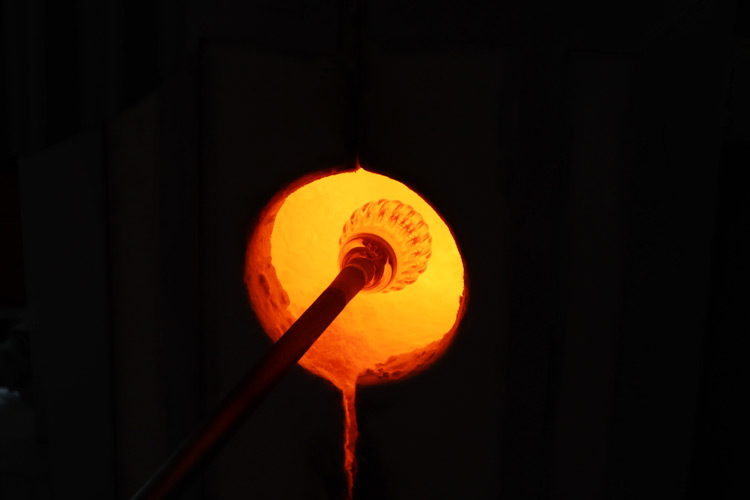
Yuko Miura : At university, I was studying spatial design, but I gradually felt a desire to do something where I could feel the sensation of making things more directly. The university offered courses in ceramics and woodworking, but I thought, “If I’m going to do this, I might as well choose a material that isn’t available here.” Right around that time, I happened to see a TV program about glassblowing.
Hanada: That must have been the exact moment your talent connected with glass.
Yuko Miura : I completely felt that genuine sense of “creating things.” I remember thinking, “I don’t really know what’s going on, but these people are intensely making things, and everyone is covered in sweat.” It turned out that one of my classmates also happened to be interested in glass. So, the two of us took action together and headed to Venice early on.
Hanada: You certainly moved quickly.
Yuko Miura : We didn’t have any money, but we had plenty of time. We wanted to see the heart of the craft firsthand, and we figured we might not get another opportunity like that in the future.
Hanada: How did you find Venice?
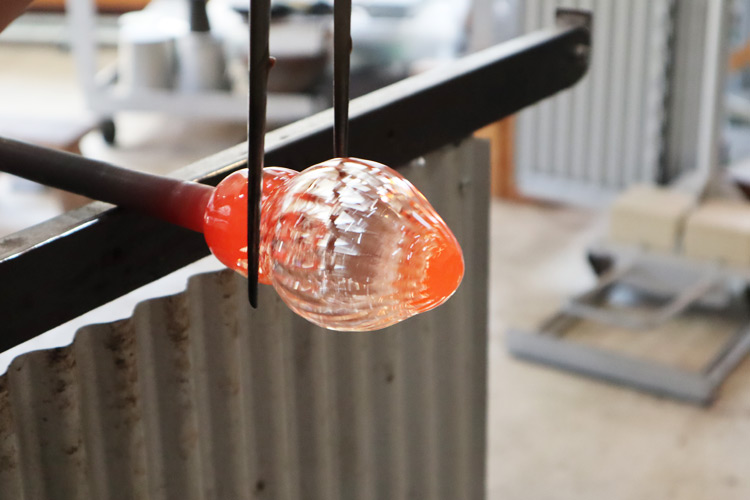
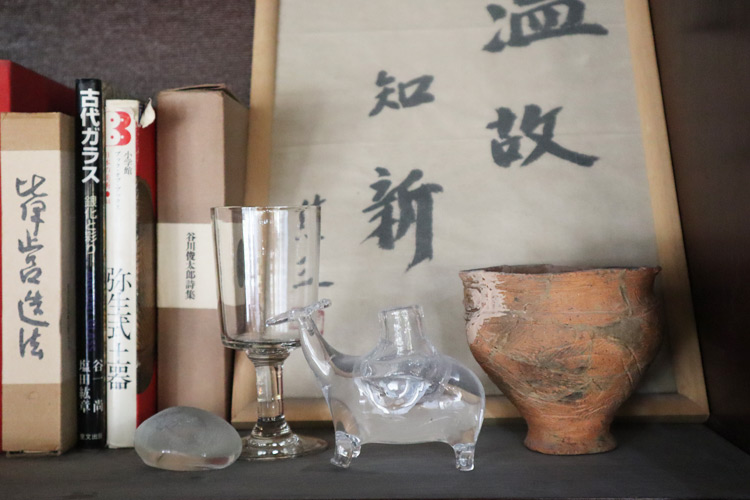
Yuko Miura : Seeing older men walking down the street carrying long glass rods made me think, “Wow, this really is a city of glass!” Everywhere you looked, someone was making glass. Some were doing flameworking, and of course, others were doing glassblowing. And everyone seemed to be making horses. Right in front of the tourists, they would take a gather of glass and instantly shape it into a horse without reheating it even once. I thought, “This is incredible” (laughs).
The Image of Glassblowing
Yuko Miura : After that, my classmate and I decided to attend a glass institute in Toyama.
Hanada: Perhaps things moved so smoothly because you were a duo.
Yuko Miura : Yes. Having a companion like her was definitely a major reason I was able to take that step.
Hanada: Did you experience techniques other than glassblowing while in Toyama?
Yuko Miura : Yes, we did. Out of everything, glassblowing felt the most natural and right for me. However, when people say things like, “It’s like being an athlete, isn’t it?” it makes me want to say, “No, no, I am really not that stoic” (laughs). Many male artists often run or train their bodies, which might be why that image is so strong, but I am completely different. I would absolutely never run (laughs).
Making Tableware
Hanada: What did you do after finishing your studies at the institute in Toyama?
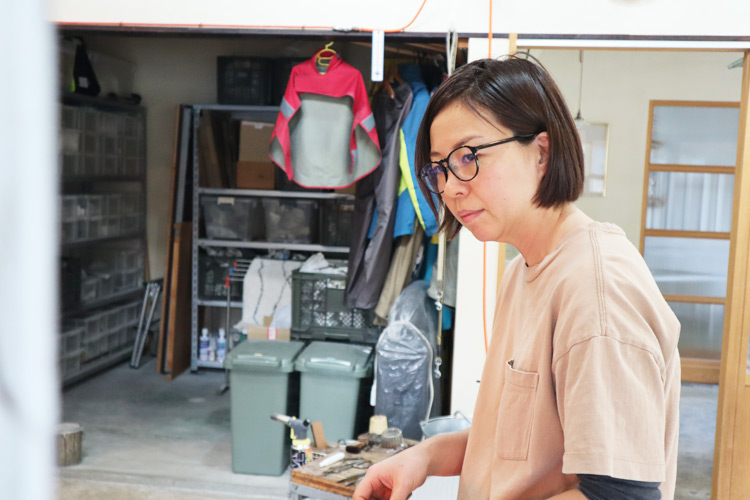
Yuko Miura : I spent five years at a studio in Iwata City, Shizuoka Prefecture. I think that was where I managed to acquire the foundations of calmly and consistently making identical pieces.
Hanada: And after that, you became independent. Did you focus on making tableware from the very beginning?
Yuko Miura : Right at the start, I was making sculptural objects, or rather, glass vegetables—things of that nature. But no matter how many I made, there was absolutely no sign of them becoming fine art or anything sublime (laughs). They remained just “ornaments.” I felt a bit lost for a while. So, I decided to go back to the basics and reconsider what glassblowing originally was. Until then, my focus had been entirely on what I wanted to make or how I wanted to express myself. But when I studied it again, I realized that glassblowing is fundamentally about making tableware. They are true everyday items.
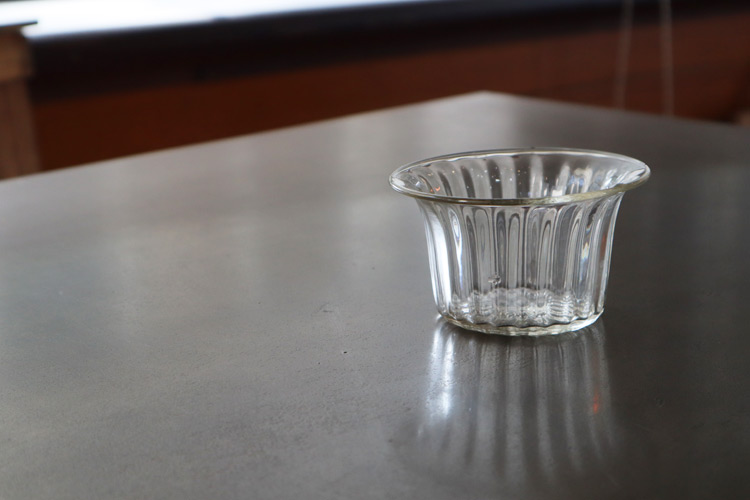
Hanada: The technique of glassblowing originally developed as a way to produce items in larger quantities.
Yuko Miura : It seems that essence hasn’t changed at all.
Hanada: It’s truly incredible. Quite a grand invention.
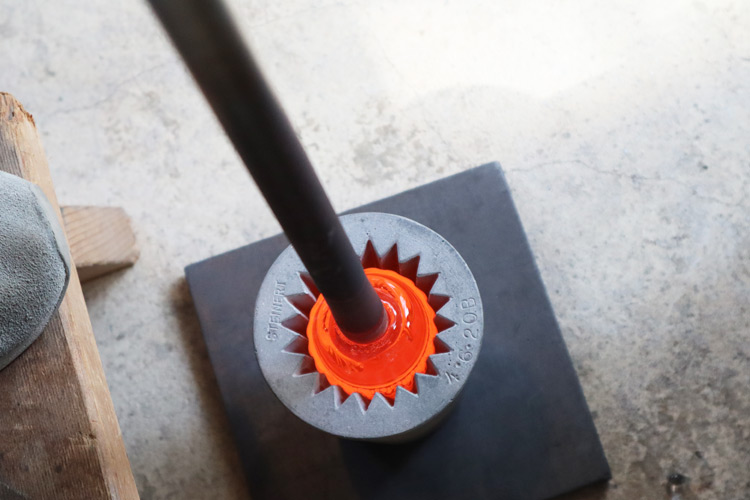
Yuko Miura : Yet, it’s not attributed to any single discoverer, is it? It probably progressed among artisans who noticed, “Oh look, we can blow into this.” Within a hundred years of its inception, techniques like using a pontil and transferring the piece to a different rod were perfected, and the items being made took on proper tableware shapes. The core technique itself hasn’t changed for 2,000 years. Thinking about it that way made tableware very interesting to me. I also felt a growing sense of depth the more I worked at it.
Teachers of Tableware Making
Hanada: Your tableware also feels like it carries the essence of antiques and vintage pieces.
Yuko Miura : Since I approached the craft from a historical perspective, that’s where it stems from. I decided to visit libraries and museums to look through everything from end to end.
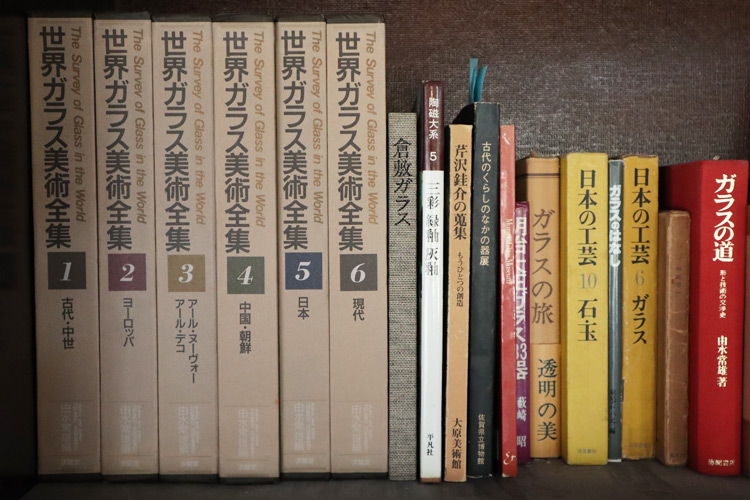
Hanada: What was it like for you to actually reference or replicate old objects?
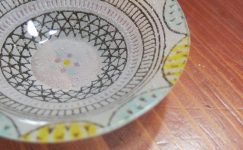
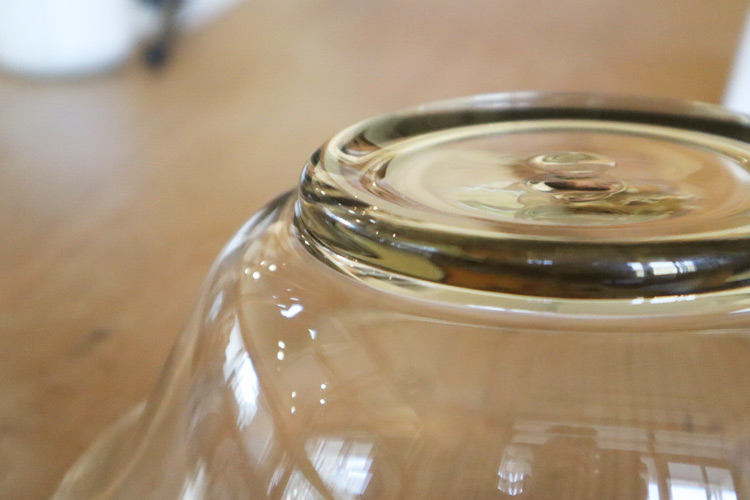
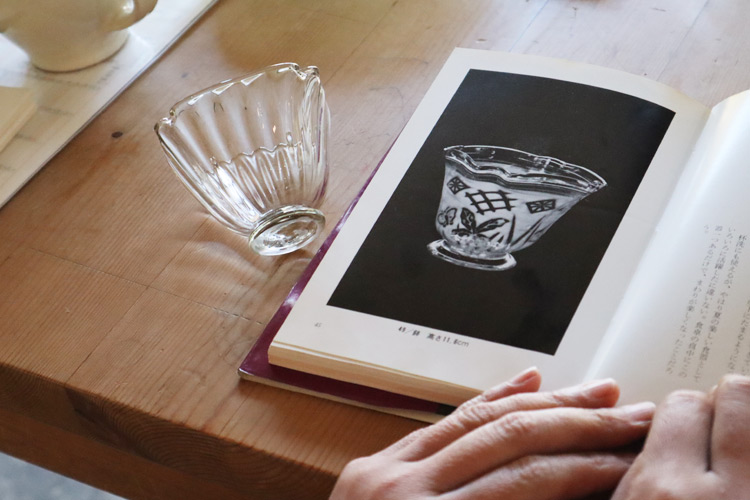
Yuko Miura : I think people in the past were truly amazing. There are so many pieces that leave me wondering how they could have possibly made them. For instance, for a long time, I couldn’t figure out how the foot on this piece was made, though I’ve finally managed to do it recently. I only had a single photograph taken directly from the side, so I couldn’t tell whether they had attached a separate piece of glass or folded it over.
Hanada: How did you figure it out?
Yuko Miura : By trial and error—it was a matter of trying over and over (laughs). I experimented with various methods. Also, this piece was from the Shosoin treasure house, and since I didn’t know how to make it, I just kept practicing. Lately, I feel like I’ve finally gotten much closer to my ideal square shape.
The Ice Cream Glass
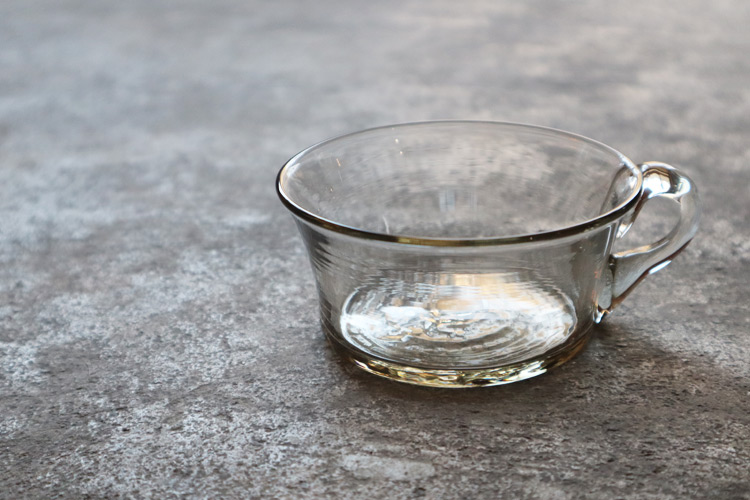
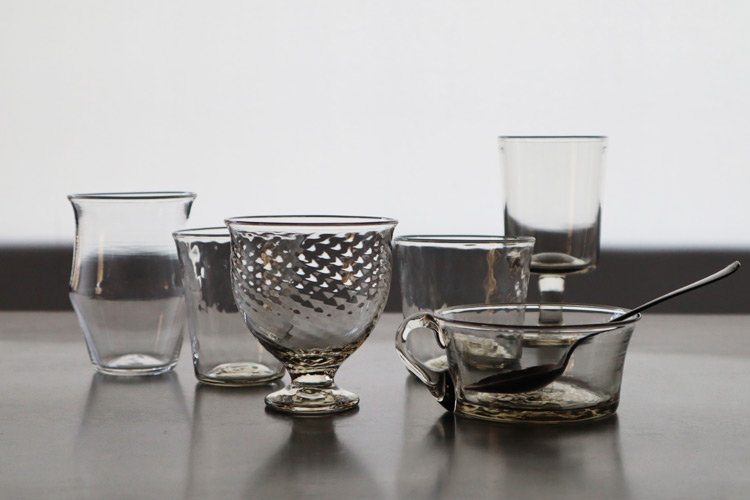
Yuko Miura : This is the ice cream glass.
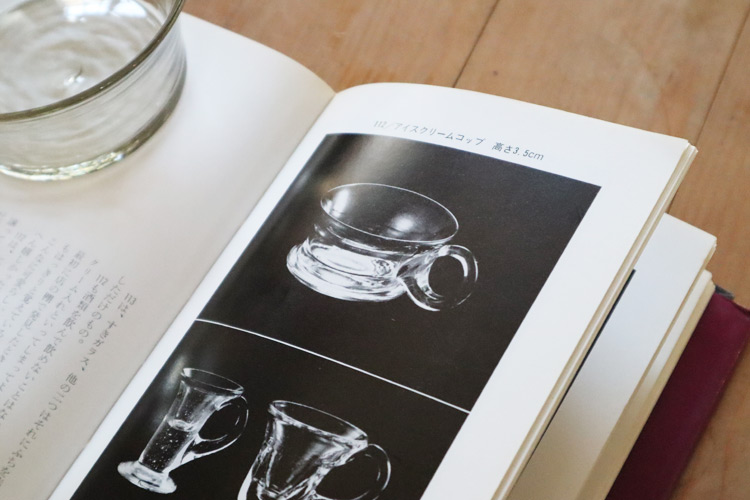
Hanada: To think they had such a stylish thing as an ice cream glass during the Meiji and Taisho eras… Did people back then really eat that much ice cream?
Yuko Miura : I actually looked into that as well—when ice cream first arrived in Japan. It seems it was introduced right around the time the country opened up after the isolation period. Even so, it must have been an exceptionally rare luxury.
Hanada: Adding a handle is such a brilliant concept. Tableware with handles wouldn’t have been common in Japan back then. It has a similar feel to a custard cup. And for your ice cream glass, you’ve altered the shape of the handle, haven’t you?
Yuko Miura : Yes, I arrange it into a form that feels natural to me and allows for consistent production.
Hanada: Is there anything else you keep in mind when creating glass tableware?
Yuko Miura : Ensuring that it blends well with the dining table. I am also very mindful of the weight. Especially with plates, if they are too heavy, people won’t use them, but if they are too thin, they feel frightening to handle. I try to make them so that they feel intuitively similar to handling ceramic plates.
The Joy of Choosing
Hanada: We are very much looking forward to the exhibition.
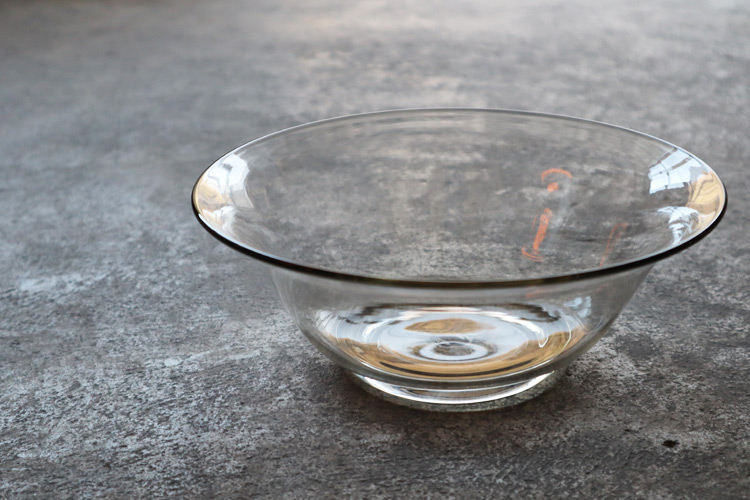
Yuko Miura : Recently, I’ve been making larger salad bowls, and I vary the size and shape for each individual piece. For individual items like small bowls, having them uniform makes them easier to use, but with larger pieces, I thought having a variety would allow people to choose based on their family setup or intended use. I would be delighted if everyone enjoys the process of choosing as well.
Hanada: Thank you very much. We are looking forward to it.
≪ END ≫
吹きガラスとの出会い
花田:三浦さんは、どのようにしてガラスのうつわ作りと出会ったのですか。(以下花田-)
三浦:大学では空間デザイン学科に通っていましたが、物を作っている感覚をより直接感じられることをしてみたくなりました。
その大学には陶芸や木工はありましたが「どうせならそこに無い素材にしよう」と思っている時に、たまたま見たのが吹きガラスの番組でした。
-:三浦さんの才能とガラスがつながった瞬間ですね。
三浦:「作っている感」を思いっきり感じました。
「何だかよく分からないけど、この人たちすごく作っているな。みんな汗だくだし」と。
たまたま同級生にもガラスに興味を持っている子が一人いたんです。
それで一緒に色々動き出しました。早々にベネツィアまで行って。
-:行動が早いですね。
三浦:お金はないですけど、時間は沢山ありましたから。
どうせなら本場を見たいですし、その先そんな機会もないでしょうし。
-:ベネツィア、いかがでしたか。
三浦:長いガラス棒を持ったおじさんが普通に街中歩いているし「本当にガラスの町だ!」って。
どこでも誰でもガラス作っているんです。
バーナーワークやっていたり、もちろん吹きガラスやっていたり・・・。
で、みんな、馬を作るんです。
観光客相手に、巻いてきたガラスを一回も焼き戻しせずに、シャシャシャシャっと瞬間的に馬にしてしまう。
「こりゃすごい」と(笑)。
吹きガラスのイメージ
三浦:で、その子と一緒に富山のガラスの学校にも行くことになりました。
-:二人ならではのトントン拍子なのかもしれません。
三浦:はい。そういう連れ合いがいたからこそ動けたという部分もあります。
-:富山では吹きガラス以外も経験されたのですか。
三浦:はい。その上で、私には吹きガラスが一番しっくりきました。
ただ、よく言われる「アスリートみたいですね」なんて言われてしまうと「いえいえ、そんなストイックじゃございません」って言いたくなります(笑)。
男性の作家さんなんかに、走ったり、身体鍛えたりしている人が多いので、余計そういうイメージが強いのかもしれませんが、全然そんなことないです。
走るなんて、ぜったいしない(笑)。
うつわを作る
-:富山の学校の後はどうされたのですが、
三浦:静岡の磐田市にある工房に5年いました。
同じものを淡々と同じように作る基礎はそこで多少は身についたのかなと思います。
-:そのあと独立ですね。最初からうつわを作られていたのですか。
三浦:最初の最初はオブジェというか、ガラスの野菜というか・・・、そのようなものを作っていました。
でも、いくら作っても、アートというか、そういう崇高なものになる気配が全くない(笑)。
いつまでたっても「置物」なんです。
少し迷いました。
で、あらためて「そもそも吹きガラスってなんぞや」みたいなところに立ち戻ろうと。
それまでは「自分が何を作る」とか「自分がどう表現する」とか、そういうところばかりに目が行っていたのですが、勉強し直してみると、そもそもうつわなんですよね、吹きガラスって。
本当に実用品。
-:吹きガラスという技術は、いっぱい作ろうと生まれてきたわけです。
三浦:何も変わっていないみたいですね。
-:すごいですよね。本当に大発明。
三浦:でも、誰が発見したってことにもなっていないじゃないですか。
多分職人さんの中で「あれ、なんか吹けるぞ」みたいに進んでいったのでしょうね。
で、それが始まってから100年以内にはポンテ取るとか、竿付け替えるとか、技術が完成して、作られるものもしっかりとうつわの形状になっていた。技術そのものはそこから2000年変わっていない。
そう考えていたら、うつわが面白くなってきたんです。やればやるほど深まっていく実感もありました。
うつわ作りの先生
-:三浦さんのうつわには、骨董やアンティークのエキスも感じます。
三浦:やはり歴史から入っているので、そこからです。
とりあえず、図書館や美術館に行って、端から全部見ようと。
-:実際古いモノを参考にしたり、模されたりしていかがでしたか。
三浦:昔の人は、すごいなと思います。
「どうやってこれを作っていたのだろうか」というものが沢山あるので。
最近やっとできるようになりましたが、例えば、この高台の作り方がずっと分からなかったんです。
真横からの一方向の写真しかなくて。
他のガラスを持ってきて付けているのか、折り返してあるのか、どっちだろうって。
-:どうやって判明したのですか。
三浦:数打ちゃ当たるです(笑)。色々試しました。
あと、これ、正倉院のものだったのですが、どう作るのが分からなくて、やはり数を打ちました。
最近だいぶ「好きな四角」に近づいてきたかなと思います。
アイスクリームグラス
三浦:これがアイスクリームグラスです。
-:明治大正に、アイスクリームグラスなんて洒落たものを・・・。
当時、みんな、そんなにアイスクリーム食べていたのでしょうか。
三浦:それも、調べました。アイスがいつ入ってきたのか・・・。
どうも鎖国が解けたタイミングで、アイスクリームが入ってきたようで。
でも、相当珍しいものだったとは思います。
-:取っ手をつけるなんて、発想がすごいですよね。
当時の日本で、取っ手付きのうつわは、一般的ではなかったはずです。
カスタードカップのノリですよね。
で、三浦さんのアイスクリームグラスは取っ手の形を変えられたのですね。
三浦:自分なりに自然な形で、安定して作れるようにアレンジします。
-:他に三浦さんがガラスのうつわを作る上で気にされていることはありますか。
三浦:食卓に馴染むこと。あと重さは気を付けています。
特にお皿などは、重いと使わないし、かといって薄すぎると怖いわけです。
できるだけ土モノのお皿と扱いが感覚的に変わらないように作っています。
選ぶ楽しみ
-:展示会、宜しくお願いします。
三浦:最近、大きめのサラダボウルを作っていて、一点一点大きさやかたちを変えています。
小鉢のような銘々のものなら揃っているほうが使いやすいと思いますが、大きいものは色々あったほうが家族構成や使い道で選んでいただけるかなと思いました。
選ぶのも楽しんでいただけたらうれしいです。
-:有難うございます。楽しみにしています。
≫三浦侑子さんのうつわはこちらから≪
関連記事はこちら