







English version of the interview here.
Living and Working Comfortably
Hanada: You always frankly express your current thoughts and feelings through your creations. Could you share with us your recent updates leading up to this year’s solo exhibition?
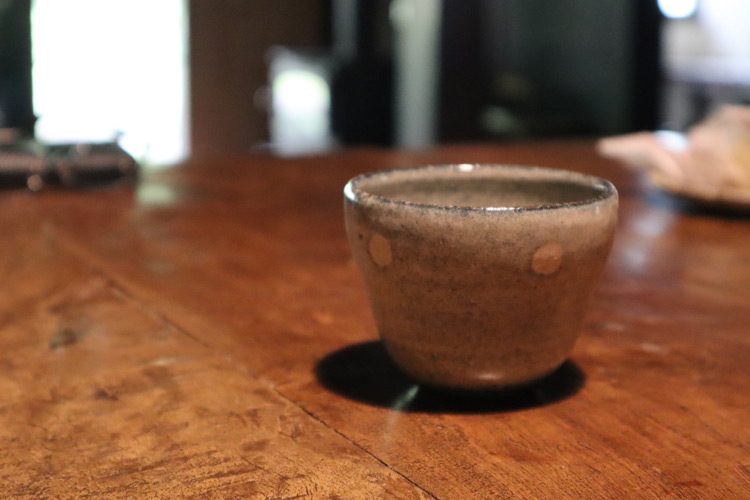
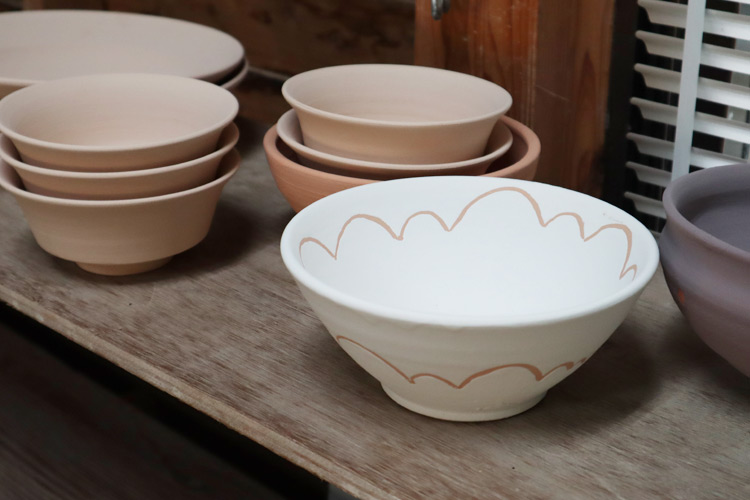
Takashi Yomiya : Since turning 50, my taste in tableware has evolved. I used to prefer a matte finish, but now I like glossy, beautiful pieces. In other words, I’ve started appreciating “charming” things.
Hanada: What does “charming” mean to you?
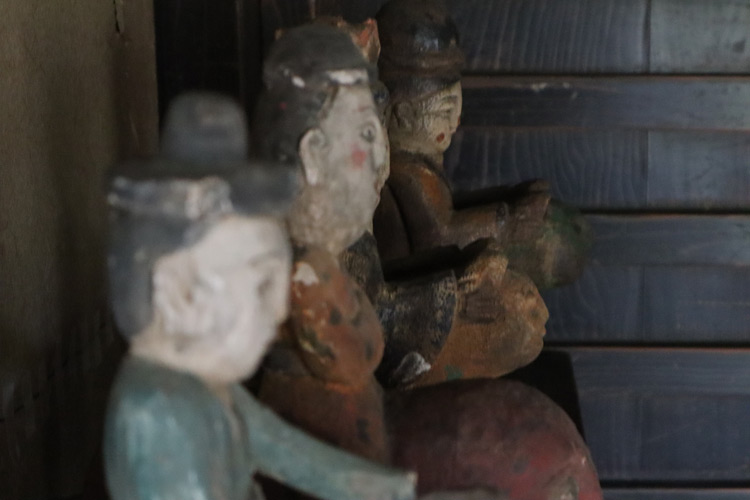
Takashi Yomiya : I don’t mean anything overly sweet or girlish, but rather something you just want to cherish. The kind of piece that makes you smile just looking at it when you wake up in the morning. For instance, Gabbeh and Kilim rugs are incredibly charming, and I also love old folk art. I prefer objects where you can discover the “beauty of utility” yourself, like things made purely for daily life before they were officially classified as “folk art.”
Hanada: Moving to a new place might have also influenced you.
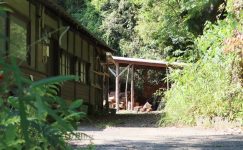
Takashi Yomiya : Living in this traditional old house has definitely had an impact.
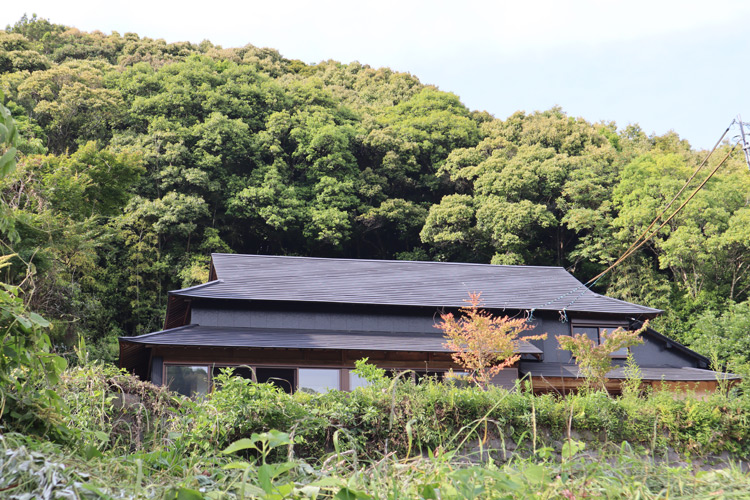
Hanada: You used to use this traditional house only as a workshop, but you always mentioned wanting to live here someday.
Takashi Yomiya : I had long decided how I would renovate the house once I moved in. I wanted it to be reasonably comfortable and convenient while preserving the original atmosphere of the old building.
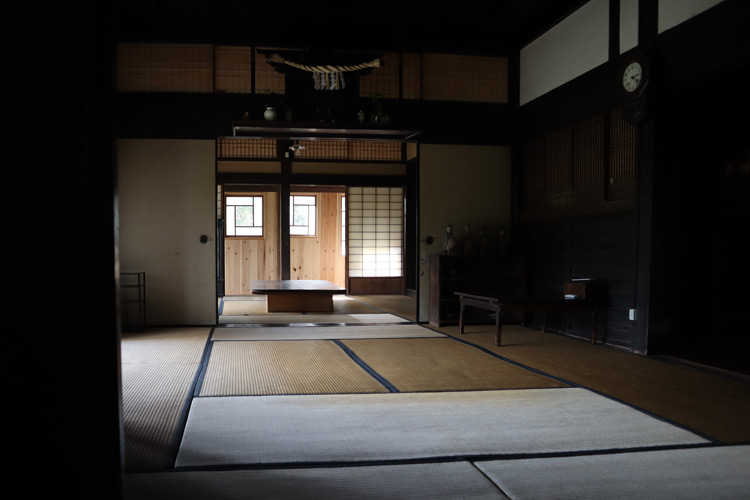
Hanada: It feels very comfortable here.
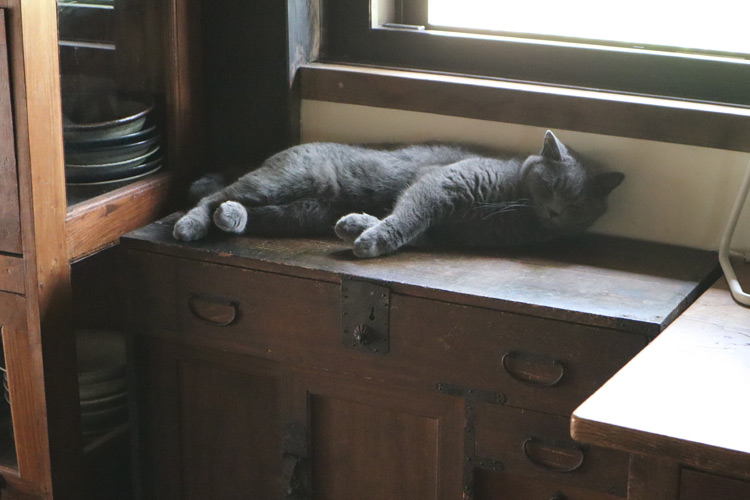
Takashi Yomiya : Working here is comfortable too. When I need a break from work, I can play with my cat. To borrow a thought from Kanjiro Kawai, “Life is work, and work is life.”
The Freedom to Create
Hanada: You regularly replace even your most popular items with new designs. While some people miss the old styles, many others enjoy your decisiveness and the changes you bring.
Takashi Yomiya : It’s tough for an artist when people pigeonhole your style or the image of your work. If expectations lock you into just one thing when you actually want to explore more, it becomes a source of suffering. To avoid that, I make an effort to create things while staying true to myself.
Hanada: So that is also a way of protecting yourself.
Takashi Yomiya : Exactly. Many artists who enjoy long careers are quite free spirits. From an outsider’s perspective, their style might change so much that people wonder what happened to them. But without that kind of shift, you can’t keep going. You eventually want to try something unusual. Even when you look at the master potters of the past, they always have pieces that make you think, “What on earth is this?”
Hanada: Still, creating with absolute freedom must be difficult.
Takashi Yomiya : It is difficult, and it’s scary. No one wants to create freely only to be completely ignored (laughs). On the other hand, it feels reassuring when a piece comes out of the kiln looking familiar, or resembling something tucked away in the back of your mind. Maybe it’s the security of feeling like you belong with the majority. However, I’ve decided to stop looking for that kind of reassurance, like feeling relieved just because a piece looks like someone else’s work or resembles pottery that is widely accepted as good.
The Customer’s Enjoyment
Takashi Yomiya : Recently, a customer told me something that made me incredibly happy: “These pieces will look wonderful in a hundred years.” In the past, I used to fire pieces so they looked aged right from the start.
Hanada: What do you mean by “looking aged”?
Takashi Yomiya : Making them look like antiques. But over time, I started feeling like I was robbing the customers of their own enjoyment. My pottery is made with strong clay and glazes, and it is fired thoroughly, so it should easily last a century. It’s enough if the pieces look their best by then.
Hanada: They might pass through the hands of multiple owners.
Takashi Yomiya : Even if they are sold on Mercari and circulate among different customers, they will develop a beautiful patina over a hundred years or so (laughs).
Hope
Hanada: Do you have any advice for younger pottery artists?
Takashi Yomiya : I want young people to look at me and find hope, thinking, “If he can do it, maybe I can too.”
Hanada: Once they actually try, they might find it quite difficult…
Takashi Yomiya : That’s true for any profession. Even with restaurants, people often think, “I’d like to try that” or “I could probably do that.” Yet, running a simple, casual diner is actually the hardest thing to pull off. Aside from that, I think it’s good to find passions outside of pottery.
Not Exactly Words of Encouragement (Laughs)
Takashi Yomiya : However, to say something completely blunt after all that… I also believe that pottery talent is mostly something you are born with, which is what I often told my apprentices.
Hanada: That sounds like a strict and rather harsh reality.
Takashi Yomiya : You have seen countless pieces yourself, and you know there is a distinct difference between what can be displayed at Hanada and what cannot. No matter how much you practice and improve your technique, or how much you study to gain deep knowledge, there is an element that goes beyond all that.
Hanada: Telling your apprentices that must have been your way of saying, “You’ll be fine.”
Takashi Yomiya : No, they weren’t words of encouragement (laughs). It’s just that they need to overcome that reality to understand what it truly means to do work that is uniquely theirs. In the beginning, it’s fine to admire someone and think, “I want to fire pieces like that.” But at some point, you have to find the resolve to accept your innate qualities, and then build relationships with the customers and shops that appreciate what you create. Just because someone is my apprentice doesn’t mean they need to force their way into shops that carry Takashi Yomiya pieces. It’s much better for them to place their work in shops that appreciate them for who they are.
Hanada: That is a very meaningful piece of advice. However, it feels like the kind of conclusion an artist only reaches after being swayed by various trends, getting carried away, and thoroughly thinking things through on their own.
Takashi Yomiya : I loved Karatsu ware, so I did my apprenticeship in Karatsu, but there was a time when I suffered because I couldn’t produce genuine Karatsu ware.
Hanada: You mentioned before that Karatsu ware didn’t naturally come from within you.
Takashi Yomiya : Going through that experience is exactly what brought me to where I am today.
The Preachy Potter
Hanada: In Japan, many promising young artists are emerging one after another. Conversely, we’ve also seen some artists retiring recently.
Takashi Yomiya : Retirement, I see. That’s admirable. As for me, I plan to keep going until the day I die (laughs).
Hanada: That is also a valid choice, which is wonderful. Potters have the freedom to decide that for themselves. It’s a rich way to live.
Takashi Yomiya : Personally, I’d like to think of every pottery artist in Japan as my junior. To achieve that, I’ll have to become the oldest active potter.
Hanada: Oh dear. What if you suddenly start acting arrogant? (Laughs)
Takashi Yomiya : Once the senior generation is gone, I might suddenly start preaching to everyone.
Hanada: Like visiting your juniors’ solo exhibitions just to lecture them (laughs)?
Takashi Yomiya : If that happens, you can remove me from the Hanada archives (laughs). I wouldn’t want the sparks from my trouble to fly over to Hanada.
Hanada: If you do, we’ll feature it as a special article titled “Takashi Yomiya’s ‘He Actually Said It’ Series” (laughs).
≪ END ≫
生活も仕事も快適に
花田:余宮さんは、その時その時でご自身が考えていることや感じていることを率直に制作に表現されます。
今年の個展に向けて、余宮さんの「最近」を教えていただけますか。(以下花田-)
余宮:50歳を過ぎてから、器の好みが変わってきました。
以前のマットな感じではなく、今は、つややかで綺麗なうつわが好きです。言い換えると「可愛いもの」を好きになってきました。
-:余宮さんにとっての「可愛い」とはどのような感じですか。
余宮:「ぶりぶり」ではなく、なんかこう、愛でたくなるような。
朝起きてきてニヤニヤしながら眺めてしまうような感じです。
例えば、ギャッベやキリムも、すごく可愛いし、昔の民芸品も好きです。
「民芸」になってしまう前のただ生活のために作っているような、その「用の美」を自分で探せるようなものが好きです。
-:引越しの影響もありそうですね。
余宮:この古民家に住み始めた影響はあります。
-:こちらの古民家、これまで仕事場として使われてきましたが、ずっと「いつか、ここに住みたい」とお話しされていました。
余宮:ここに住むことになったら、家をこういう風にしよう、というのは、以前から決めてありました。
まあまあ住みやすく便利で、この古民家の空気感は残しつつ・・・。
-:とても快適です。
余宮:仕事も快適にできています。仕事飽きてきたら猫と遊べるし。
河井寛治郎じゃないけど「暮らしが仕事、仕事が暮らし」ですね。
自由に作るということ
-:余宮さんは人気のあるアイテムでも新しいものと入れ替えていかれます。
惜しむ方々もいらっしゃいますし、逆にその潔さや変化を楽しまれている方々も多いです。
余宮:キャラクターや器のイメージが植えつけられてしまうと、作家って辛いんです。
本当は、もっとやりたいことがあるのに、求められる部分が1つになってしまうと、それは多分、苦しみだと思います。
そうならないように、自分に正直なモノ作りをするよう心がけています。
-:それが、自分を守ることにもなるわけです。
余宮:そうです、そうです。長く仕事を続けている人たちって結構自由な人が多いでしょう。
周りから見たら、作風変わって「どうしたんだ、この人?」みたいな時もある。
でも、そういうのがないと続けていけないんです。
変なことしたくなるんです。昔の陶芸家の巨匠たちにしても、見ていると必ず「なんじゃこれは」みたいなもの、ありますよね。
-:ただ「自由に作る」って、難しくもあります。
余宮:難しいです。怖いですもん。
自由に作って無視されたら嫌じゃないですか(笑)。
逆に、見たことがあるものや、脳みそのどこかに引っかかっているようなものが焼けると安心します。
「マジョリティの中に自分が存在する」という安心感なのかな。
ただ、誰々っぽいものが焼けたとか、いいとされる焼き物に似ているとか、そうやって安心するのはもうやめようって。
お客様の楽しみ
余宮:この間、お客さんからすごく嬉しいことを言われました。
「100年後にすごくいい器になっているだろうね」って。
以前は最初から時代がついたようなものを焼いていました。
-:「時代がついている」とはどういうことですか。
余宮:アンテイークっぽく見せるということです。でも段々「お客さんの楽しみを取っているんじゃないか」と思うようになりました。
自分で言うのもなんですが、僕の焼き物は粘土も釉薬も強いですし、良く焼いてあるので、100年くらいはもつはずです。
だから、その時に良くなっていればいいんです。
-:複数の持ち主を経るかもしれませんね。
余宮:メルカリでも使ってもらってお客さんの間をぐるぐる回っていれば、100年くらいかけてイイ感じになるんじゃないかな(笑)。
希望
-:後輩のうつわ作家さん達に何かアドバイスはありますか。
余宮:若い人たちには、僕なんかを見て「自分にもできそう」って希望を持ってもらいたいです。
-:やってみたら結構難しいけど・・・。
余宮:それは、どの仕事も一緒です。飲食店でも「やってみたい」「やれるかも」って思えるじゃないですか。でも「定食屋やりたいな」なんていうのが、実は1番難しい。
あとは、焼き物以外に好きなことを見つけるとよいと思います。
励ましの言葉ではない(笑)
余宮:ただ、こんな話をした後に、身も蓋もない事言ってしまうと・・・焼き物って、ほぼ生まれ持ってきたもので決まってしまうとも思っていて、弟子にもよく言っていました。
-:厳しく、残酷でもある一言です。
余宮:松井さんだって今までたくさん見てきて、花田に置けるものと置けないものには違いがあるわけじゃないですか。
どれだけ練習してうまくなっても、どれだけ勉強して詳しくなっても、それだけではない部分、ありますよね。
-:それをお弟子さんに言うのは「君は大丈夫だよ」という意味ですよね。
余宮:いや、励ましの言葉ではない(笑)。
ただ、それを乗り越える必要があるんです。「自分らしい仕事をする」ということが、どういうことかって。
最初は、何かに憧れて「ああいうものを焼きたいな」でもいい。
でもどこかで、自分が生まれ持ったものと付き合っていく覚悟を持ち、そうして作ったものを評価してくれるお客さまやお店と付き合っていくということなんです。
弟子だからって、無理して余宮隆のうつわが置いてある店に置いてもらう必要なんてない。
自分を評価してくれるお店に置いてもらった方がいいよという話なんです。
-:とても意味のあるアドバイスですね。
ただそれは、色々なことに振り回されたり、 乗せられたり、自分で考えあぐねたりした末に戻ってくるような結論ですね。
余宮:僕は唐津焼が好きだったから、唐津で修行しましたが、唐津焼が焼けなくて苦しんでいた時代があります。
-:以前「唐津焼が自分の内側から出てこなかった」とお話しされていました。
余宮:それがあるから、今があるんです。
説教陶芸家
-:日本では、次々と楽しみな若い作家さんたちが出てきています。逆に最近は引退する作家さんも出てきました。
余宮:引退か。偉いですね。
自分は、死ぬまでやろうと思っていますよ(笑)。
-:それも1つの選択肢です。だから、いいんです。焼き物屋さんはそれも自分で決めることができる。
豊かなことです。
余宮:自分ね・・・日本の焼き物作家全員を後輩にしたいんです。
そのためには現役最年長にならないといけない。
-:どうしよう。突然、威張り始めたら・・・(笑)。
余宮:先輩達がいなくなって、急に説教始めるかもしれませんよ。
-:後輩たちの個展に行って説教を始めたり・・・(笑)?
余宮:その時はもう花田さんのアーカイブから外してもらっていいですよ(笑)。花田さんにも火の粉が降りかかっちゃうから。
-:説教特集で、記事にさせてもらいますよ。
「余宮隆の『言っちゃった』シリーズ」(笑)。

関連記事はこちら