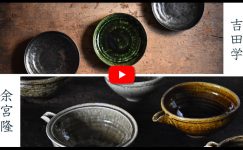





English version of the interview here.
“Look What I Just Made!”
Hanada: Mr. Yomiya, I hear you have recently been reconsidering your approach to your work.
Takashi Yomiya : Lately, I have just been making what I truly want to create and fire.
Hanada: Has the way you work changed as well?
Takashi Yomiya : I don’t overthink things as much as I used to, wondering if a square piece would sell better than a perfectly round one. You know how it goes. Besides, to truly compete with a perfectly round shape, your throwing skills on the wheel have to be exceptional. I think that until now, there were parts of my own round shapes that I wasn’t fully satisfied with.
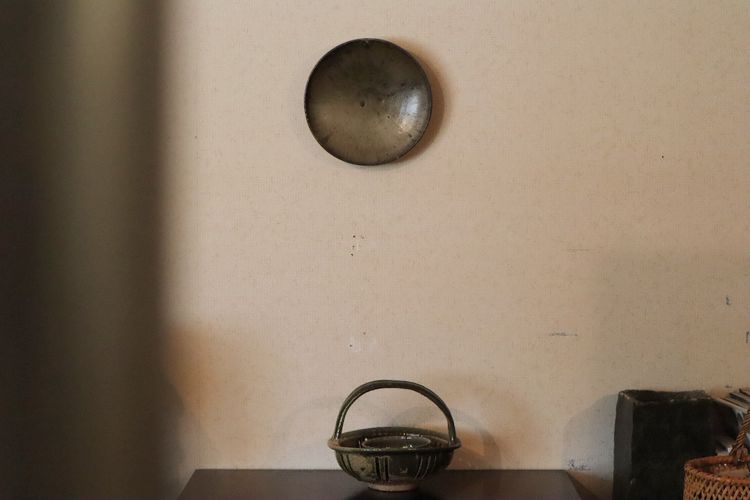
Hanada: So both your shapes and your mindset have become simpler.
Takashi Yomiya : Yes, and throwing on the wheel is just plain fun right now. For instance, even with a mug, I can now achieve a comfortable weight and feel in the hand without relying on carving away material to reduce its mass. Appearance matters, of course, but the way a piece feels in your hands and against your lips is just as important. I feel like I am finally understanding the meaning of these things through actual experience, rather than just in theory.
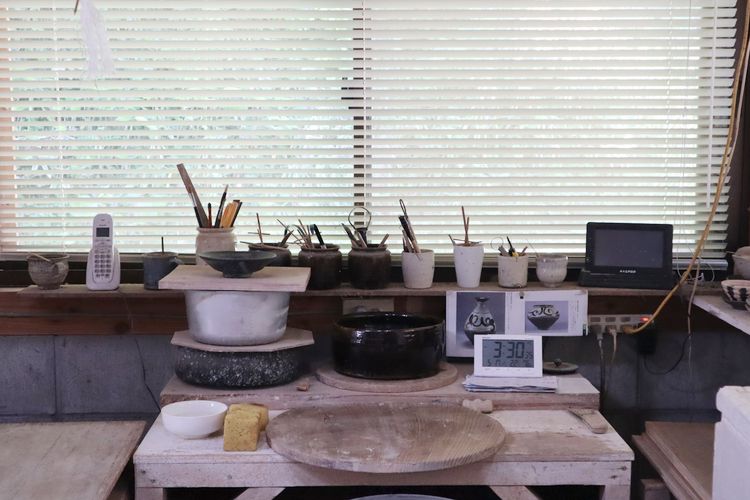
Hanada: You are still making new discoveries.
Takashi Yomiya : I am here all year round. Aside from the changing seasons, nothing really changes, and I rarely see anyone. Honestly, I need some excitement in my life. When I was younger, going out for drinks with friends was fun, but it’s not quite like that anymore. So, I look for that excitement in my work. It’s not about changing my style to surprise others; it’s for myself. I even dream about it, thinking, “Wow, look what I just made!”
Hanada: That is a very positive outlook.
Takashi Yomiya : I just think, “Well, it came to me in a dream, so let’s give it a try.”
Hanada: A while ago, I came across a video of an acquaintance who does mathematical research. He was talking to high school students before their exams about how to learn and think. He said that constant success is nothing to boast about, and that never failing simply means you are only doing easy things. I smiled, thinking how typical that was of him. But he concluded by saying that humans aren’t tough enough to endure 100% failure either. While the balance between success and failure varies from person to person, you really need both.
Takashi Yomiya : That makes sense. Though in my case, I am not even sure what success really looks like to begin with.
Hanada: Fair point. In any case, being able to say, “Look what I just made!” must be the real joy of this kind of work.
Finding the Perfect Feel
Takashi Yomiya : These days, I also change my throwing technique quite often. It is hard to put into words, but it’s about holding my left hand at this specific angle, or doing it like this… (gesturing with his hands).
Hanada: It sounds like the kind of detail only you would notice.
Takashi Yomiya : Exactly. I don’t think anyone else would notice. But doing that makes it feel just right when you hold it.
Hanada: A perfect feel when you hold it…
Takashi Yomiya : I suppose you could call it balance, both in terms of how it looks and how it feels in the hand.
Hanada: So, the visual impression and the actual weight come together at just the right point.
Takashi Yomiya : Don’t you think people get an adrenaline rush when that happens?
Hanada: Absolutely, it really lifts your spirits.
Takashi Yomiya : I think the joy that pottery lovers feel is very close to that moment when you find a piece of clothing that fits you perfectly. For example, if you buy five T-shirts at a thrift shop and one of them turns out to be incredibly comfortable, you end up wearing that one all the time. That is exactly what tablewares are like.
Hanada: Wearing it makes you feel good, and even your posture and expressions brighten up.
Takashi Yomiya : It’s because it just fits. To go back to what we were saying, if it feels right, then a simple round shape is perfectly fine—provided it feels right, of course.
Looking Back Twenty Years
Hanada: It has been twenty years since you went independent. Do you ever find yourself looking back to those early days?
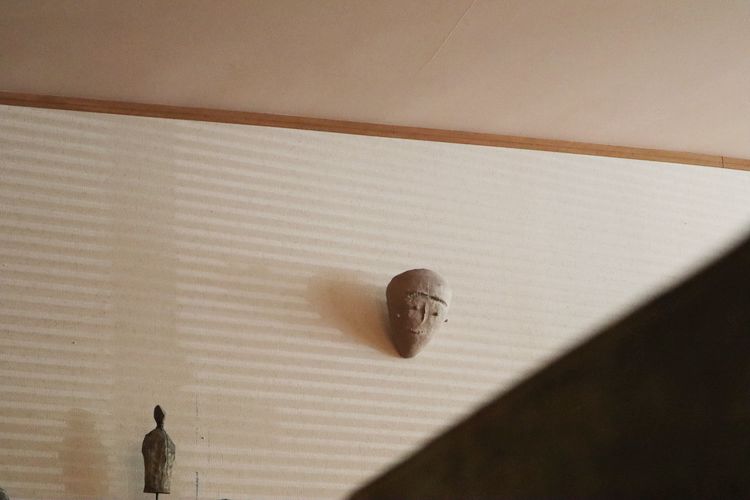
Takashi Yomiya : Looking back at my older work now, some pieces from ten or twenty years ago actually seem better. Ultimately, one’s range of expression is limited, and I have been repeating similar ideas from the start. As you get used to it, the work itself becomes more polished. Yet, sometimes the pieces made before I became technically proficient hold more charm.
Hanada: The pure dedication before everything became second nature?
Takashi Yomiya : Exactly. At first, I only had an electric kiln. Still, I would try all sorts of little tricks to make the pieces look as if they were fired in a wood-firing kiln. Those pieces can actually be more interesting.
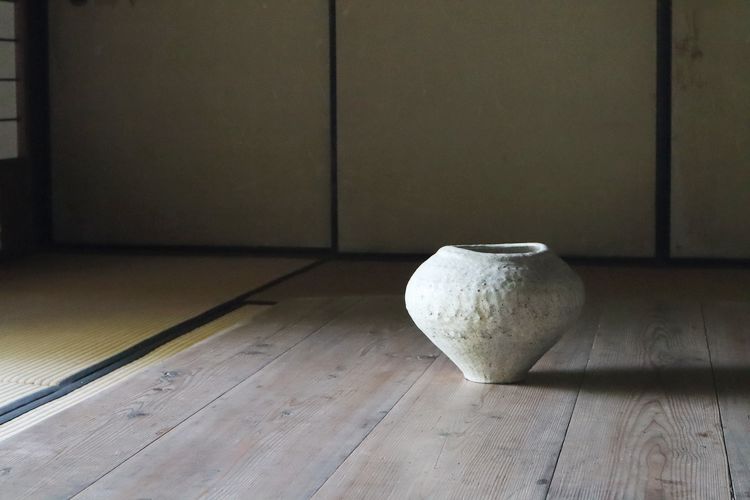
Hanada: Working without knowing how things will turn out must have its own virtue.
Takashi Yomiya : Back then, I didn’t think about the future at all. I was completely focused on how to get a good firing right in that moment. I used to take reckless risks that would make me worry about breaking the electric kiln today. Now, I don’t have to do that because I can just use the climbing kiln.
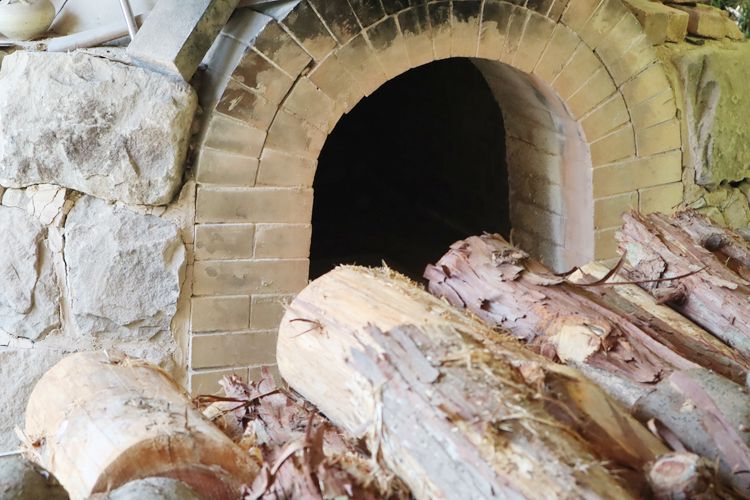
Renovating an Old Folk House
Hanada: Looking back, you might call it the reckless dedication of twenty years ago, but it seems to me you are still taking risks and trying new things today. This renovation of an old folk house is a perfect example. I think what you are doing here is truly remarkable. Rebuilding from scratch would be much easier, and it isn’t even your own property. Yet, because you believe it is an important place for you, you do everything you can to preserve it. Seeing that determination and action shows me how deeply you care for your work in the truest sense.
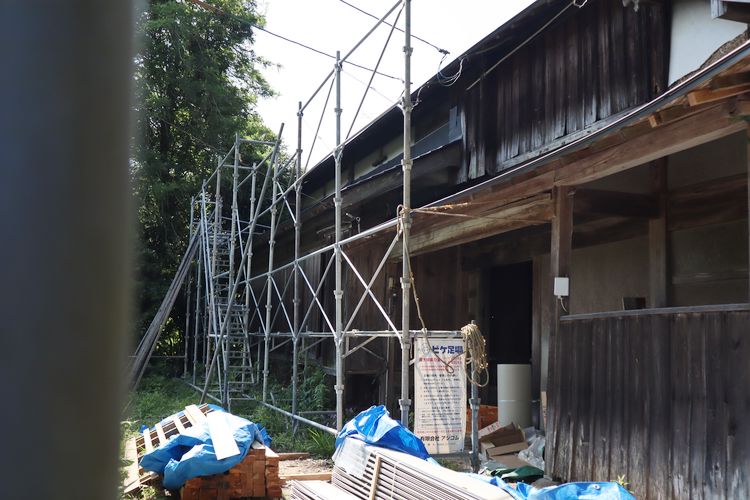
Takashi Yomiya : Well, if making pottery was just about finding success to live in a grand house and drive a luxury car, this lifestyle would never work.
Hanada: If those were your primary desires, you probably wouldn’t have chosen pottery as a career in the first place.
Takashi Yomiya : Definitely not. Pottery is really not a lucrative business. Most potters have very little money when they start out on their own. Since you have to invest in equipment, you always start with debt. On top of that, I happened to come across this old house. Just as things were getting on track and I was starting to think about building a house overlooking the sea, my home was damaged by termites, and I suddenly had to move into this old folk house.
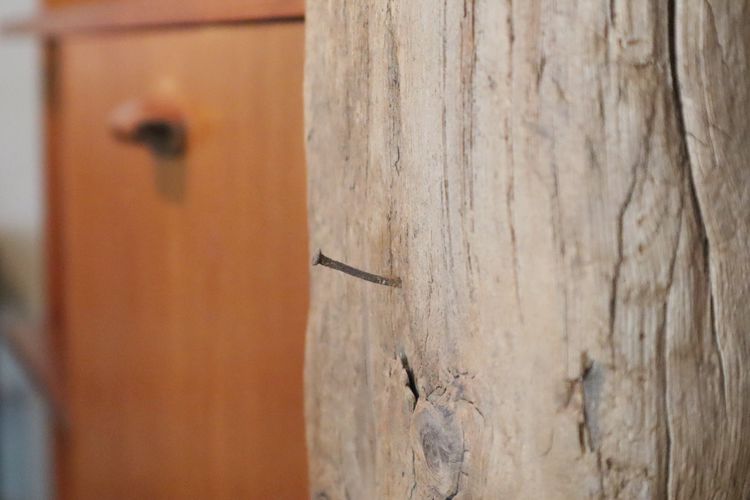
Hanada: It sounds like there will be plenty more adventures ahead.
Takashi Yomiya : Life never goes exactly as planned. I have finally realized that, and that is what making pottery means to me. After all, there is no way to get exactly what you expect out of a climbing kiln anyway. It is not a matter of having bad luck; it’s just the way it is. If I had built a nice house on a beautiful hill overlooking the sea, things might have become quite dull.
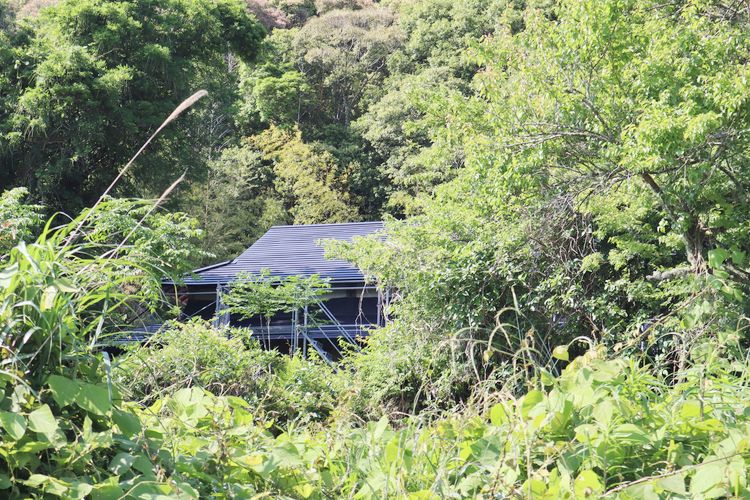
Hanada: If that happened, people often start saying, “The old days were better. The work has gotten boring. Is this really what I wanted to do?”
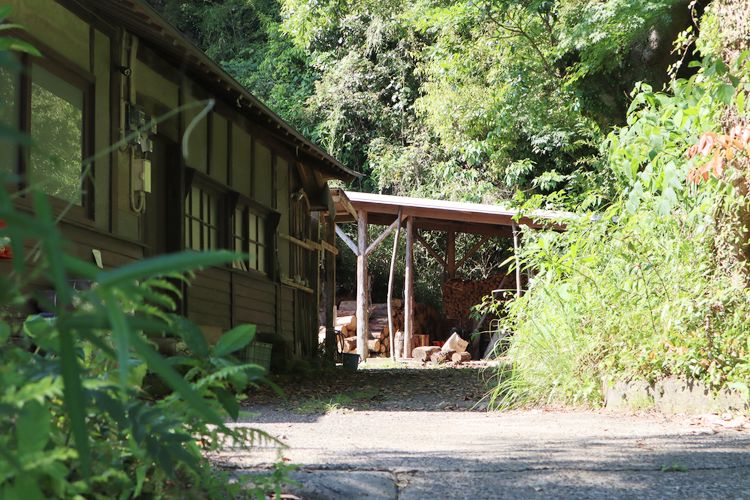
Takashi Yomiya : Exactly. Keeping this old folk house as my workshop and maintaining it gives me endless enjoyment. It presents one challenge after another, but I can channel those experiences back into my creations.
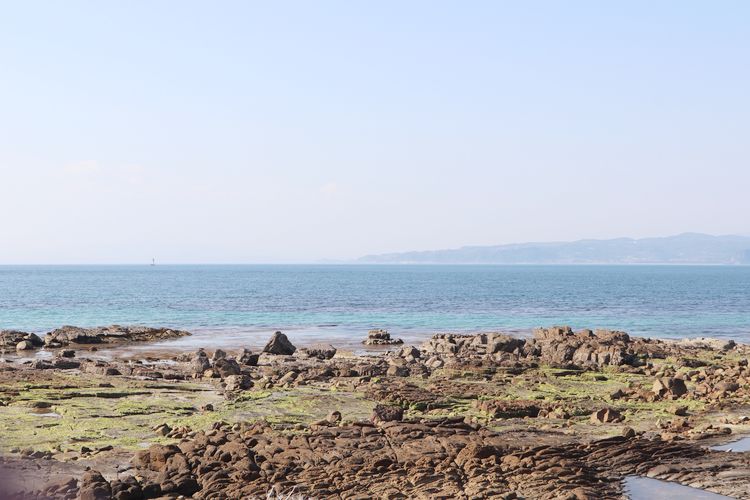
Hanada: Perhaps dealing with the challenges of this house helps you forget the hardships of your work. You seem to have found a unique balance, and this location in Amakusa suits your way of living perfectly.
Takashi Yomiya : Rather than me choosing it, I feel like Amakusa is the one making it happen for me.
Looking Ahead to the Solo Exhibition
Hanada: We are very much looking forward to the upcoming exhibition.
Takashi Yomiya : Since I am currently in the middle of shifting my style, the show will consist almost entirely of new pieces. I am right in the thick of exploring new directions, so in that sense, I hope people will enjoy seeing this creative breakthrough.
Hanada: It allows us to join you on this journey of trial and error.
Takashi Yomiya : I will still make pieces that people can add to their existing collections, of course. However, I would love for visitors to look at the work and wonder, “Why did he use this particular glaze on this item this time? What was his intention?” I am also using several different types of clay, as the choice of clay is essential.
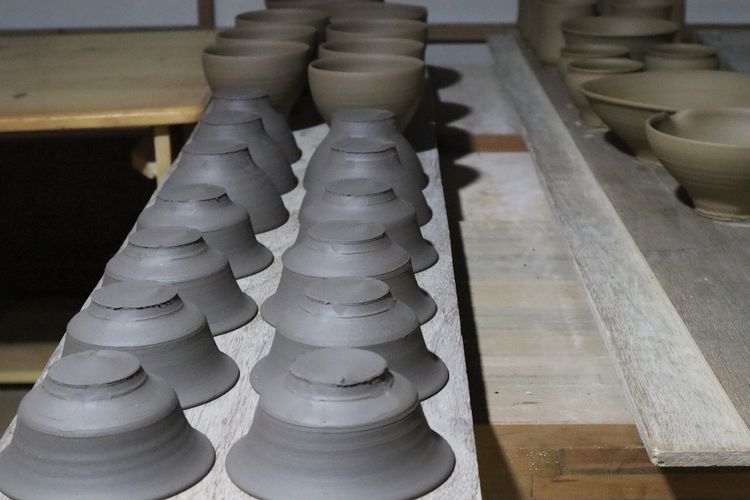
Hanada: With new work, your creative intentions remain fresh and clearly visible in the pottery. We are truly looking forward to it. Thank you very much.
Takashi Yomiya : Thank you as well. I look forward to it.
≪ END ≫
こんなの出来ちゃった
花田:余宮さん、ここにきてご自身の仕事を見直されているそうですね。(以下花田-)
余宮:最近は、自分が本当に作りたいもの、焼きたいものを作っています。
-:仕事の仕方にも変化はありますか。
余宮:以前のように色々考えなくなりました。
「まんまるよりは四角いほうが売れるんじゃないか」みたいな。
そういうの、あるじゃないですか(笑)。
それと「まんまる」で勝負するためには相当ろくろがうまくないといけないわけで…。
今までは自分のつくる「まんまる」に納得できない部分もあったのだと思います。
-:かたちも考え方もシンプルになってきたのですね。
余宮:それに、ロクロを引くのが楽しいです。
例えば、マグカップにしても、しのいで質量を減らすことをせずに、しっくりくる手取りを得られるようになりました。
うつわって、見た目も大事ですけど、手で持った感じや、唇で感じる口あたりも大事ですよね。
そういうことの意味が、理屈ではなく実感としてようやく分かってきた気がします。
-:いまだに発見がありますね。
余宮:一年中、ここにいるでしょう。四季があるくらいで何も変わらない。
人ともほとんど会わない。生きていて刺激が欲しいんです(笑)。
若いころは友達と飲みに出かけたら楽しかったんですけど、今はそうことでもない。
そうなると仕事に刺激を求めるようになります。
周りを驚かすために作風を変えるのではなく、自分のためなんです。
「わー、こんなのできたぞー」って、夢にまで出てきますから。
-:前向きですねー(笑)。
余宮:「ああ、夢に出てきたからやってみよう」って。
-:ある時、数学の研究をしている知人が、受験前の高校生にものの学び方や考え方について話している動画を見つけたんです。
聞いていたら「『成功ばかり』なんて、そんなものは決して褒められたものではない」って。
続けて「『成功ばかりで、失敗をしたことがない』などというのは、簡単なことしかしていないだけだ」と。
まあ、その人らしいなと思いながら聞いていたんですけど「でも、失敗100%に耐えられるほど人間はタフでもない。成功と失敗のバランスは人によって違うけど、両方あるべきだと」って締めくくっていました。
余宮:そうですね。そもそも、僕の場合、うまくいくことが何だかよく分からないですけど(笑)。
-:そもそもね(笑)。
いずれにしても「こんなの出来ちゃった!」というのは、こういう仕事をしている楽しさですね。
しっくりくるイイ感じ
余宮:最近はロクロの弾き方も良く変えます。
言葉だと説明しづらいのですが、ここの左手のこの角度をこうするとか、こうするとか…(身振り手振りで)。
-:おそらく、他人には分からないような部分ですね。
余宮:そうです、そうです(笑)。分からないと思います。
でも、そうすると「手に取った時にイイ感じ」なんです。
-:手に取った時のイイ感じ…。
余宮:言い換えると「バランス」ですかね。見た目、持った感じの両方の意味で。
-:見た目と実体の重量感みたいなものが、いいポイントで一致している感じでしょうか。
余宮:そういうときって、人ってアドレナリンが出ると思いません?
-:(笑)。あがりますよね。
余宮:うつわ好きの人たちの喜びや楽しみって、フィッティングしてしっくり来た洋服に出会ったときの「イイの見っけ!」に近いと思うんです。
古着屋さんで、5着くらいTシャツ買ってきて、1枚でもすごい着心地が良いのがあると、そればかり着たりするじゃないですか。
そういうものじゃないですか、うつわって。
-:それを着ていると気分もいいし、振る舞いも生き生きとしてくる。
余宮:多分、しっくり来ているんです。
話が戻りますが、しっくりくるなら「まんまる」でいいんです。
しっくりくるなら、ですよ(笑)。
思い出す20年前
-:余宮さん、独立されてから20年です。独立当初を思い返されることもありませんか。
余宮:あらためて、昔作っていたものを見ていると、物によっては10年とか20年前のものの方が良かったりします。
結局、表現の幅なんて限られていて、昔から同じようなことを繰り返しているので、慣れてくれば作業自体は上手になってきます。
でも、上手になる前のモノのほうが魅力的に見えることもあるんですよね。
-:「こなれる前の一生懸命さ」でしょうか。
余宮:そうそう。
最初は電気炉しかなくて、それでも薪窯で焼いたように見てもらうために、色々小細工したり…そういうものの方が面白かったりもするんです。
-:先が読めない中でやっているのが、いいのでしょうね。
余宮:昔は先のことなんて全く考えていなくて「その時、どううまく焼くか」だけでした。
今だったら「電気炉故障するよな」と思うような無茶も平気でやっていましたから(笑)。
今はそんなことしなくても、できるんですよ(笑)。
登り窯で焼けば済むことですから。
古民家の改修
-:今思えば「20年前の一生懸命で無茶」かもしれませんが、今の余宮さんだって当時のようにリスクを取って何かをしようとしているのではないでしょうか。
この古民家の改修もその一つだと思います。
僕はこの古民家の改修は、本当にすごいことだと思います。
建て直すほうがよっぽど簡単。しかも他人の持ちものですよ(笑)。
それでも、自分にとって大事な場所であると信じているからこそ、そこをなんとか維持しようとする。その意思と具体的な行動を見ていると、ご自分の仕事を本当の意味で大切にされているんだなと感じます。
余宮:例えば、焼き物で成功して、いい家に住んで、いい車に乗ってというのであれば、絶対だめですよね。
-:そういうことを一番に望むなら、そもそも焼き物を仕事に選んでいないんじゃないですか。
余宮:やっていないです。焼もの、ほんと割に合いません(笑)。
ほとんどの焼き物屋さん、独立するとき、お金ないですよね。
でも設備投資が必要だから、必ず借金から始まります。
さらに僕の場合、この古民家に出会ってしまった。
そろそろ軌道に乗ってきて「海の見えるところに家でも建てようかな」なんて考え始めると、今の自宅が白蟻にやられて、急遽この古民家に移り住むことになる…(笑)。
-:この先も、色々ありそうですね。
余宮:一生、思った通りになんていきませんね。
ようやくそれに気が付きましたよ(笑)。それが僕にとっての焼き物の仕事です。
そもそも、登り窯にいれて思った通りになんて焼けるわけがないんだから(笑)。
「自分は運がないなあ」なんていうことではなくて「そんなもん」なんですよ。
それが、海が見える気持ちのいい丘にいい家なんか建てられてしまったら、面白くないんじゃないかな。
-:そうなったらそうなったで、人って「昔はよかった。仕事がつまらなくなった。自分が本当にしたかったのはこんなことだったのか」なんて言い出す(笑)。
余宮:(笑)。こういう古民家を工房にして、維持を続けていると、エンドレスに楽しめます。
次から次に頭を悩ませますが、それをまた作ることに活かせるというか…。
-:この古民家の悩みがあるから、仕事での苦労も忘れられるし…。
余宮さんの中で独特のバランスがあって、この天草という場所がすごくそれにあっていたのでしょうね、そういう生き方に。
余宮:「僕が」というより、天草がそうさせてくれている気がします。
個展に向けて
-:展示会、宜しくお願いします。
余宮:現在は作風を変えつつあるところで、新作ばかりになると思います。
新しい取り組みの真最中なので、そういう意味では暴れまくっているところを見てほしいです。
-:余宮さんと一緒に僕らも試行錯誤できますね。
余宮:買い足しできるものも、もちろん作りますけど「このアイテムにこの釉薬を今回かけたんだなあ、どういう意図なんだろう」とか…そういうのを見てほしいです。
粘土も色々です。粘土って大事ですから。
-:新作だと、余宮さんの意図が焼き物の中にフレッシュな状態ではっきりと残っていますね。
楽しみです。よろしくお願いします。
余宮:こちらこそ、よろしくお願いします。
関連記事はこちら