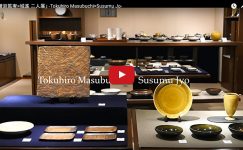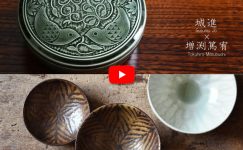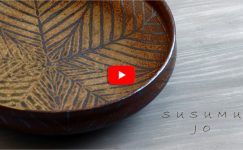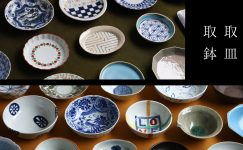





English version of the interview here.
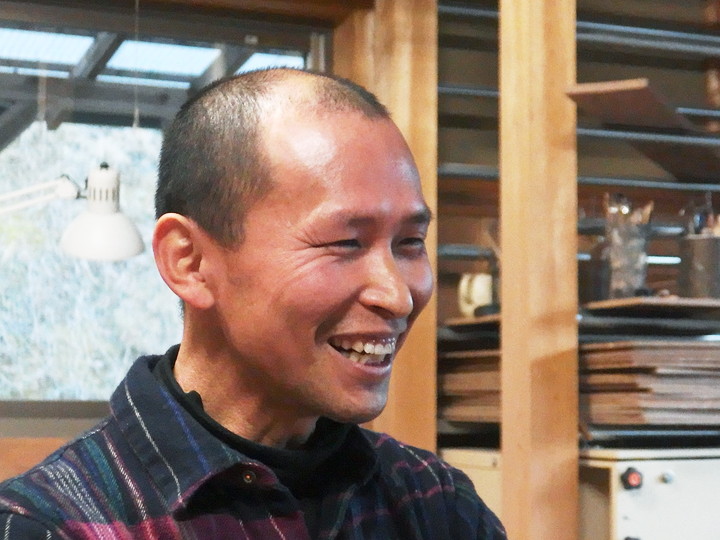
By My Grandfather’s Side
Hanada: What first drew you to making things?
Susumu Jo: My grandfather, who was born in the Meiji era, was a master carpenter who worked on temples and shrines. By the time I was old enough to remember, he had already stopped working, but our house was filled with things he had made. We lived together, and I remember making furniture with him.
He was a quiet man—he hardly spoke even while we worked together. We would line up carpentry tools side by side on the veranda. I remember asking him to take me on as his apprentice (laughs). When I did well, he would reward me with a hammer… But I was only allowed to help with simple tasks.
Normally, I wasn’t allowed to touch what my grandfather was making. There was an air about him that made it impossible, so I would just sit nearby and watch. He used to drive nails using the back of his hand. Isn’t that amazing? (laughs)
Hanada: Didn’t that hurt…?
Susumu Jo: He’d say, “Don’t try copying this,” but he looked pretty proud of it. Thump, thump.
Entering the World of Ceramics
Hanada: And eventually, you found your way into ceramics.
Susumu Jo: When I was thinking about my future, it was during the bubble economy, and graphic designers were very popular. I admired that path, but my high school art teacher said to me, “You know designers don’t actually make things, right? Didn’t you like making things?” When he put it that way, I realized he was right. So I enrolled in the ceramics department at Kyoto Seika University.
Hanada: Many notable people were in your generation.
Susumu Jo: Yes. Shin Murata, Taro Sugimoto…
Hanada: Did you interact much with one another?
Susumu Jo: We did. There were only about a hundred students across all four years. We went swimming together, fired kilns together, drank together… Honestly, I mostly remember us drinking all the time (laughs). At Seika, you could drink on campus. Though Shin Murata hardly ever came to school…
Hanada: (laughs)
Susumu Jo: Around my fourth year, I started thinking seriously about making ceramics my profession.
The Shock of India
Hanada: You traveled extensively around the world, didn’t you?
Susumu Jo: My first trip was to India when I was nineteen. I was influenced by Makoto Shiina’s book India de Washi mo Kangaeta.
Hanada: What was it like?
Susumu Jo: It was a shock. Everything was shocking… First of all, people were different. Their sense of distance was different. They were physically close, and they stepped right into other people’s emotional space.
Their values were different too—when you go shopping, nothing has a price tag. When you ask the price, they ask how much you want to pay. It’s like, “That’s for you to decide.”
Hanada: It was completely different from the world you knew.
Susumu Jo: I was stunned over and over again. Not just surprised—more like left speechless.
Hanada: What is Indian ceramics like?
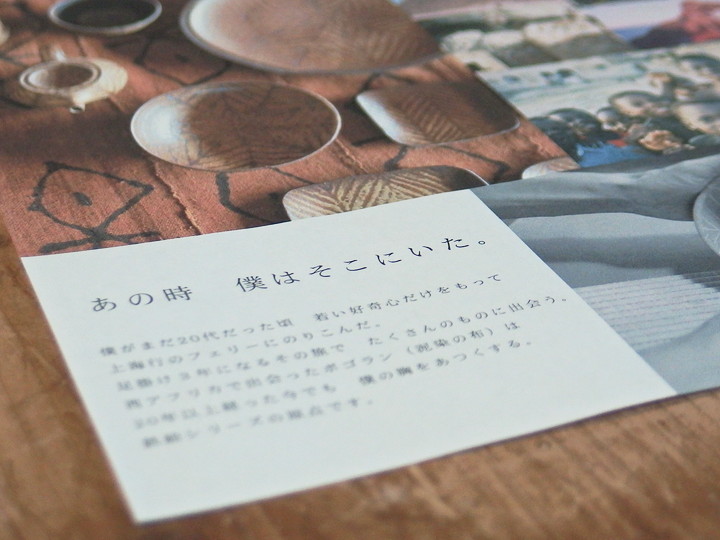
Susumu Jo: Even the containers used to make yogurt are handmade, unglazed pieces, and they’re disposable. Unglazed clay seems to help the yogurt ferment better.
Hanada: I see—there’s a reason for it.
Susumu Jo: Basically, in India only unglazed ceramics exist. Unglazed mugs can be very appealing, with an atmosphere that even connects to Nanban ware.
Wandering On
Hanada: You continued traveling abroad after graduation.
Susumu Jo: Yes. I stayed with craft artists for a while, then traveled around ceramic regions all over Japan. Karatsu, Arita, Amakusa, Bizen, Tamba, Shigaraki, Echizen, Tokoname, Seto, Kasama, Mashiko, Kutani… I drove to every place I could think of. I was impressed by the variety, but at the same time I felt, “In the end, everyone is still firing clay.”
Eventually, I started running out of money. I wanted to see more of the world, so before I ran out completely, I decided I had to go—so domestic travel went on hold for the time being (laughs).
Hanada: Where did you go?
Susumu Jo: First was Jingdezhen. I took a ferry from Osaka to Shanghai, then boats and buses to reach Jingdezhen.
It really is extraordinary. The scale is enormous, and the sheer number of hands involved is overwhelming. For example, it’s normal for a single jar to take three months just for painting… It’s not an individual endeavor at all. You feel the accumulation of tradition and history. I felt there was no room for individual thinking in it.
After that, I went to Shaoxing. Shaoxing wine was cheaper than water. I grew very fond of it (laughs).
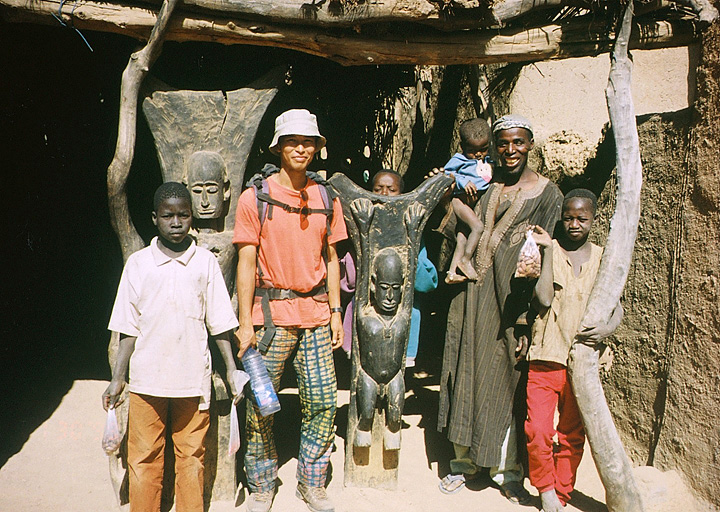
From there, starting with China, I traveled through Tibet, Nepal, India, Bangladesh, Pakistan, Myanmar, Thailand, Vietnam, Malaysia, Singapore, Cambodia, Laos, Hong Kong, Macau, Korea, Iran, Turkey, Egypt, Jordan, Israel, Lebanon, Syria, Yemen, Oman, Kenya, Ethiopia, Tanzania… about fifty countries in total.
Hanada: That’s incredible. Did you travel to all those places in one trip?
Susumu Jo: I split it into three trips. The longest lasted a year and a half. I even ran out of passport pages (laughs).
Basically, when I ran out of money, I’d come back to Japan, make ceramics, sell them at pottery markets, save up—and then go again.
Hanada: What drove you that far?
Susumu Jo: Because it was fun.
Hanada: Simple enough.
An Encounter with Dogon Mud-Dyeing
Hanada: As you traveled, you eventually encountered what would become the basis for your current iron-painted motifs.
Susumu Jo: The mud-dyed patterns of the Dogon people in Mali, West Africa. That culture has strong woodcraft traditions, but I was particularly drawn to their mud-dyeing and brought back many pieces. Textiles are light and easy to carry.
Hanada: Did you try many different patterns at first?
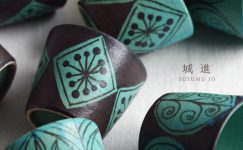
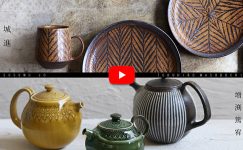
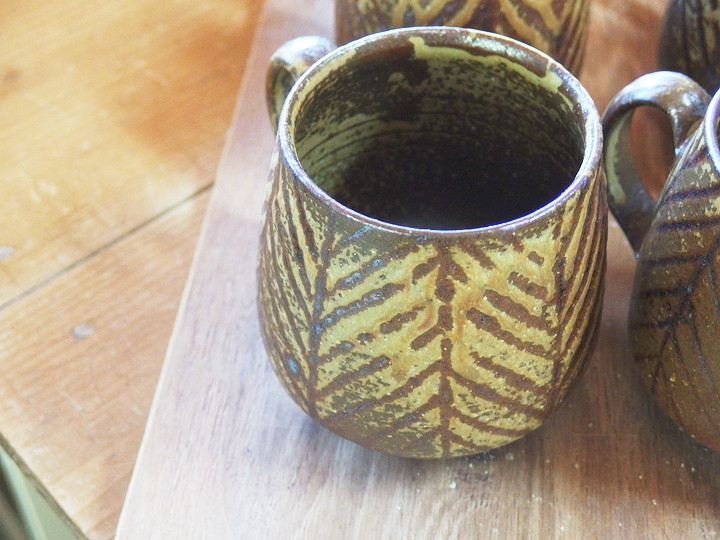
Susumu Jo: I did. The motifs in mud-dyeing are often figurative, but they felt too busy for tableware, so I arrived at this pattern.
Hanada: You must have made many adjustments before reaching this final form.
Susumu Jo: I focused on making the patterns clear, while keeping them from being too assertive. Along the way, I realized that filling the surface densely with patterns can actually feel calmer than leaving large blank spaces. I also adjusted the color balance many times before settling on the current version.
Becoming of a Place, and Being “Usable” There
Hanada: What do you value most in your work?
Susumu Jo: Being “usable” is fundamental. In other words, fitting into contemporary life. Homes, food, people—all differ, but at the core, I want to make things that suit the present time. I love classical ceramics, but I don’t want to simply imitate them.
Hanada: What kinds of older works do you like?
Susumu Jo: I’ve always liked Asian ceramics. Even within Asia, rather than China, I’m drawn to things like Vietnamese celadon… I like that sense of openness found in Southeast Asia. They’re not overly formal, and that friendliness also connects to ease of use.
Hanada: Tracing it back, China is still the source.
Susumu Jo: Yes. Even though China is the source, I like how it gradually becomes something Vietnamese. It must have changed to suit Vietnam.
I often think this while traveling—say you buy clothes abroad. When you bring them to another country, they look completely different. An orange garment I loved and thought looked great in Tibet can look oddly dull in Nepal. It becomes something else entirely.
Hanada: Would you call that the influence of climate and land?
Susumu Jo: I witnessed the power of place firsthand. Seeing Korean brush-marked or slip-coated pieces in Korea is completely different from seeing them in a Japanese museum. In Korea, they look perfectly natural.
You can feel, on a physical level, “These are things made by these people.” Of course I love the objects themselves, but what I really fall for is how they naturally belong to their place.
Hanada: An insight that only comes from visiting fifty countries. Nothing can rival the power of place.
One in Every Household
Hanada: What brings you joy in this work?
Susumu Jo: When I became independent, my goal was to make something “found in every household.” Something people all across Japan would own to use. I still haven’t let go of that dream.
Hanada: That’s a big dream. Do you think about anything in particular while you’re working?
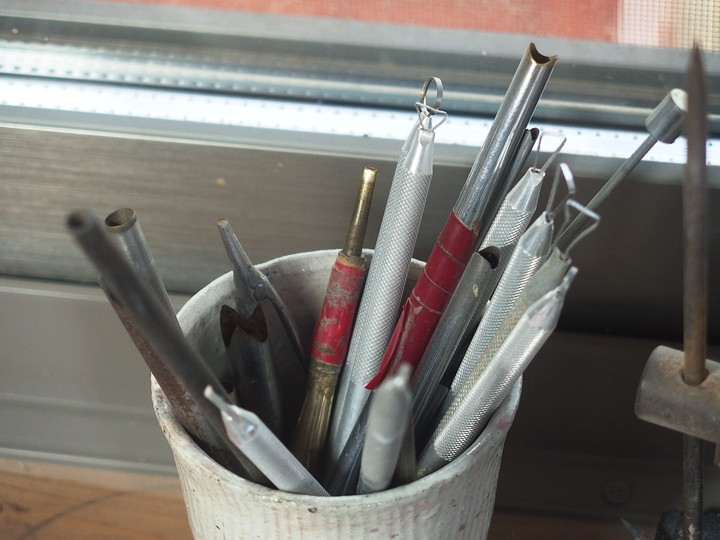
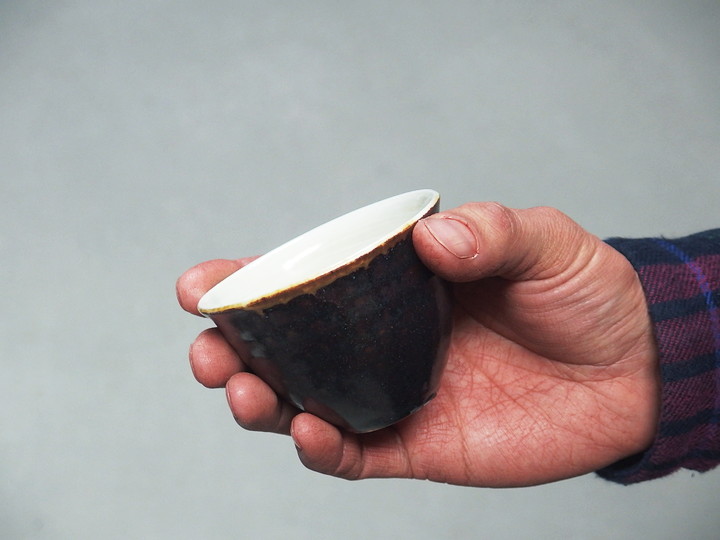
Susumu Jo: I hope my work carries the atmosphere of what I love, while fitting into contemporary life. There are still many things I want to try. I want to continue with yakishime, and also this black-and-white work. The taste is close to Vietnam, and I’d like to keep moving in that direction.
A Flower Vase Full of Memories
Hanada: Is there a piece you feel particularly attached to?
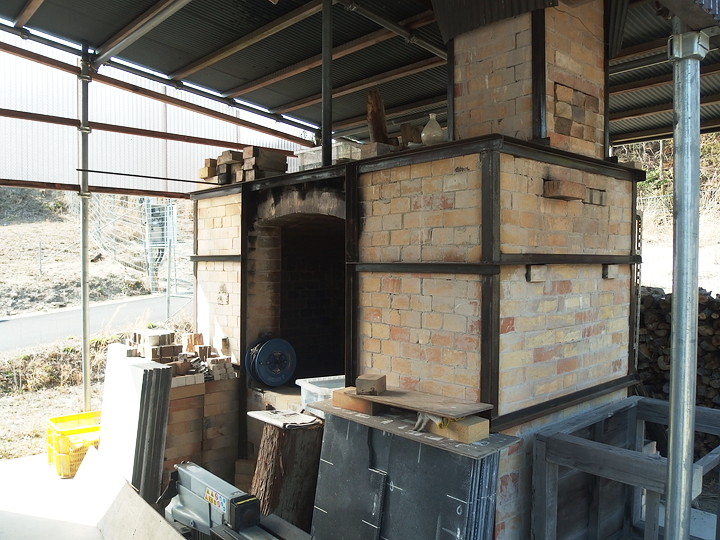
Susumu Jo: During my first firing of yakishime, almost everything failed, and only one flower vase survived. A friend chose it at my very first solo exhibition. When I visit that friend even now, they’re still using it, and that makes me happy. Every time I see it, I remember that moment.
Various Square Plates
Hanada: Looking ahead to the group exhibition.
Susumu Jo: It’s my first time exhibiting at Hanada, so I’m looking forward to meeting new people.
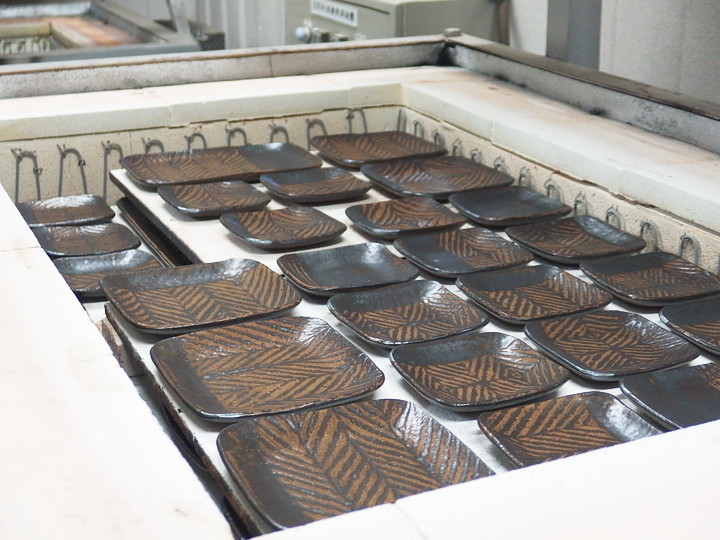
Alongside my established pieces, I hope you’ll also see new works that may become future standards.
I’ve made various square plates as well, so I hope you enjoy them.
Hanada: We’re really looking forward to it.
≪ END ≫
おじいちゃんの傍で
花田: もの作りに惹かれたきっかけは何だったのですか。(以下花田-)
城: 明治生まれの祖父が宮大工でした。
僕が物心付いた時には辞めていましたが、家には彼の作ったものがたくさんありました。
それでも、一緒に住んでいたので、家具などを一緒に作ったのは覚えています。
無口な人で、一緒に作っていてもずっと黙っていました。
縁側で祖父と大工道具を並べてね。
「弟子にしてくれ」なんて頼んでいたのを覚えています(笑)。
上手くできると、ご褒美に金槌をくれたり・・・。
ただ、手伝わせてもらえるのは簡単なものだけ。
普通だと、祖父が作っているものにはさわれませんでした。
さわれる雰囲気じゃなかったので、そばでじっと見ていたなあ。
祖父、釘を手の甲で打つんですよ。
凄くないですか(笑)。
-: 痛くないんですかね・・・
城: 「真似したらアカン」て言いながら、自慢げでした。ドスンドスンて。
焼き物の世界へ
-: いつしか焼き物の世界へ。
城: 進路を考える時期がバブルの時代で、グラフィックデザイナーが流行っていました。
憧れていたんですが、高校の美術の先生に「お前、デザイナーってモノは作らないんだぞ。
知っているか?お前、モノ作るのが好きなんじゃなかったのか」って言われて・・・。
言われてみればそうだったなと。
で、京都精華大学の陶芸科に入りました。
-: 同年代には、色々な方がいらっしゃいますね。
城: はい。村田森さん、杉本太郎さん・・・
-: お互い交流はありましたか?
城: はい。4学年で100人くらいしかいなかったので。
海水浴に一緒に行ったり、窯焚きを一緒にしたり、飲んだり・・・。
うーん、ずっと飲んでいたイメージです(笑)。
精華って学内で飲めたんですよ。
森さん、全然学校に来ていませんでしたけど・・・。
-: (笑)
城: そして、4年の時くらいから陶芸を仕事にしようと思い始めました。
インドの衝撃
-: 城さんは世界中を放浪されていたんですよね。
城: 最初19歳でインドに行ったのが初めてです。
椎名誠さんの「インドでわしも考えた」の影響もあって。
-: いかがでしたか。
城: 衝撃。全てがショック・・・。
まず、人が違う。
距離が違うんですよ。
なんか顔が近いし、他人の気持ちにもズカズカ入っている。
価値観も違うし。買い物するにも、値段がどこにもついていない。
値段聞くと、いくらで買うか聞かれるんですよ。
「お前がいくらで買いたいかだろ」って。
-: 今まで知っていた世界とは全く違ったわけですね。
城: もうビックリの連続。
いや、ビックリというか、唖然といった具合です。
-: インドの焼き物はどのような感じですか。
城: ヨーグルト作る容器も手作りの素焼きで、みんな使い捨てだったり。
素焼きのほうがヨーグルトの醗酵が進むようです。
-: なるほど、理由があるのですね。
城: 基本的に、インドは素焼きしか存在しないんです。
素焼きのマグカップなんかも、いいもので、南蛮なんかにも繋がる雰囲気もあります。
続く放浪
-: 卒業後も海外を旅します。
城: はい。
クラフト作家さんのところでしばらく世話になって、そのあと日本中の産地を回りました。
唐津、有田、天草、備前、丹波、信楽、越前、常滑、瀬戸、笠間、益子、九谷・・・思いつくところ全てを車で回っていました。
「色々あるなー」って感心すると同時に「そうは言っても結局みんな土を焼くんだよな」というのが正直な実感です。
そのうち、お金がなくなってきました。
海外も見たかったので、お金がすべてなくなる前に、行かなきゃいけないので、国内はとりあえず保留(笑)。
-: どちらへ?
城: まずは景徳鎮です。
大坂から上海へフェリー、そこから船とバスを乗り継いで景徳鎮に行きました。
やはり、景徳鎮は凄いです。
規模がとにかく大きいし、かけている人間の手数が圧倒的です。
例えば、壷一つに、三ヶ月かかる絵付けが普通にしてあったり・・・。
個人の取り組みじゃないですね。
伝統の蓄積、歴史を感じました。
個人の思考なんていうものは全く入っていないなと思いました。
そのあと、紹興に行きました。
水より紹興酒のほうが安いんです。
紹興酒が大好きになりました(笑)。
とまあ、そんな具合に中国を初めとして、チベット、ネパール、インド、バングラディッシュ、パキスタン、ミャンマー、タイ、ベトナム、マレーシア、シンガポール、カンボジア、ラオス、香港、マカオ、韓国、イラン、トルコ、エジプト、ヨルダン、イスラエル、レバノン、シリア、イエメン、オマーン、ケニア、エチオピア、タンザニア・・・50カ国くらい行きました。
-: 凄いですね。一度でそれだけ回られたのですか。
城: 3回に分けてです。一番長いので、1年半。
パスポートもページが足りなくなります(笑)。
大体、持って行ったお金がなくなると、帰ってきて焼き物を作って、陶器市で売って、金が貯まるとまた行く。
-: なにがそこまで、城さんをかきたてたのでしょう。
城: 楽しいから。
-: シンプルですね。
ドゴン族の泥染との出会い
-: 色々歩いているうちに、現在の鉄絵のモチーフの原型とも出会うわけですね。
城: 西アフリカのマリという国のドゴン族の泥染めの文様です。
その民族、木の工芸が強いんですけど、僕は彼らの泥染めが好きで、色々持って帰ってきました。
布だと軽くて持ち運びやすいし。
-: 最初は色々な文様を試されたのですか?
城: 色々試しました。
その泥染め、モチーフは具象が多いのですが、食器にはうるさすぎたので、この文様になりました。
-: 完成するまでに色々工夫されたのではないですか。
城: 模様をキレイに出すということと、主張しすぎないようにしました。
余白を確保するよりビッシリ模様を入れたほうが、却って落ち着くことも途中で気が付きました。
色の加減も色々調節して、今のものに落ち着いています。
その場所のものになること、その場所で「使える」こと。
-: 城さんが仕事をする上で大事にしていることはどのようなことですか。
城: 「使える」こと、が基本です。
言い換えれば「今の暮らしに合っている」ということ。
住宅であり、食べ物であり、人それぞれ違いますが、基本的には時代に合っているものを作りたいと思っています。
クラシックな焼き物も好きなのですが、そのまま模そうという気はありません。
-: 古いものは、どのようなものが好きですか。
城: アジアの焼き物が昔から好きです。
アジアでも、中国よりはベトナムの青磁みたいな・・・。
あの、東南アジアの抜け感が好きです。
仰々しくなくて、フレンドリーな部分も使いやすさにつながります。
-: 辿れば中国が源流でもあります。
城: そうです。
中国が源流でも、いつの間にかベトナムのものになっていく部分が好きなんです。
ベトナムに合ったものに変化しているはずですし―いつも海外で思うことがあって、例えば向こうで服を買いますよね。
それを、別の国に持って来ると、全然違って見えるんです。
チベットで格好いいと思って気に入ったオレンジ色の服が、ネパールでは、もっさく見える。
違うものに見えるんです。
-: 風土、ということになりますか。
城: 場所の影響力を、目のあたりにしました。
韓国の刷毛目や粉引を韓国で見るのと、日本の美術館で見るのでは、これまた全然空気感が違います。
韓国だと普通に見えるんです。
作る人達にしても「この人らが作っているものやな」って、肌で感じることができました。
モノそのものも勿論好きだけど、そういうものがそれぞれ、その場所に馴染んでいるところに、僕は惚れるんです。
-: 50カ国訪問すればこその実感ですね。風土には、なにものも敵いません。
一家に一台
-: 城さんにとって、この仕事の喜びとはどんなことですか。
城: 独立した時に目指していたのが「一家に一台あるものを作る」っていうことでした。
日本中の人が、使う目的で持っているようなもの。
今でも捨てていないです、その夢。
-: 大きな夢ですね。
作っている時は何か考えていますか?
城: 自分の好きなものの空気感を出しながら、今の暮らしに沿ったものになっているといいなと思います。
やりたいことは、まだ色々あります。
焼〆もやっていきたいし、この白黒も。
テイストがベトナムに近くて、こんな感じで進めていければなと思います。
思い出の花入
-: 今まで作ったもので、思い入れのあるうつわは何かありますか。
城: 焼〆の初窯で失敗してしまって、花入れ一つだけが大丈夫だったんです。
それを、初めての個展で友達が選んでくれた。
その友達のところに遊びに行くと、今でも使ってくれていてうれしいんですよ。
見るたびに、その時のことを思い出します。
角皿色々
-: 企画展に向けて。
城: 花田でやるのは初めてなので、新しい人と会えるのを楽しみにしています。
今までの定番に加えて、新しいこれからの定番も見てください。
角皿も色々つくりましたので、宜しくお願いします。
-: 楽しみです。宜しくお願いします。
≫城進さんのうつわはこちらから≪
≫増渕篤宥さんのうつわはこちらから≪
関連記事はこちら