


English version of the interview here.
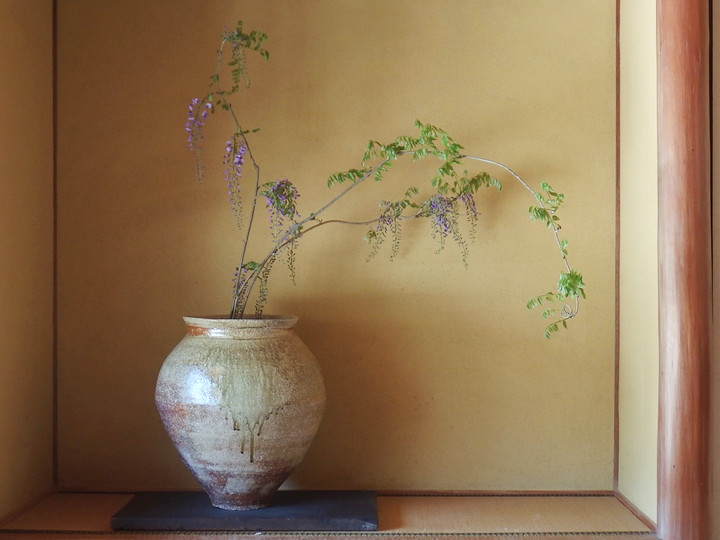
Entering the World of Ceramics
Hanada: When did you first become interested in ceramics?
Kan Kishino : My father was an ink wash painter, but none of my five siblings showed any sign of becoming an artist, so I thought I would step up. I could subtly sense that he hoped at least one of us would follow in his footsteps. However, as a student, my passion was Western painting, and a fine arts program with a focus on Western oil painting was my top choice for high school. In the end, I ended up entering my second choice, the ceramics department, which was how it all started.
Hanada: Western painting and ceramics are quite different fields.
Kan Kishino : Yes. While I was feeling rather discouraged about it, my uncle happened to take me to the Museum of Oriental Ceramics.
Hanada: How did you find it?
Kan Kishino : I was completely blown away. From the bottom of my heart, I felt incredibly grateful to be in the ceramics department.
Hanada: You certainly owe your uncle a debt of gratitude. What was it exactly that struck you as so amazing?
Kan Kishino : It was closer to pure astonishment. Some pieces had intricate paintings, some had attachments, and others felt sculptural. It made me realize that in ceramics, absolutely anything goes. After that, I started reading books by Tokuro Kato and exploring various works. I found myself deeply drawn into the world of clay and fire.
The Presence of an Object
Hanada: So that was the period when ceramics became truly irreplaceable to you.
Kan Kishino : Rather than aspiring to be a prominent ceramic artist, my feeling was simply that I wanted to live my life involved with ceramics. I wanted to dig my own clay, burn firewood, and live that kind of lifestyle.
Hanada: How would you describe your own work in words?
Kan Kishino : In my case, I do not have a strong desire for self-expression, so I feel closer to a craftsman. Although I never actively aimed to create something entirely original, I now realize that when you thoroughly pursue the things you love and look for, that distinct presence of an object only truly emerges when the piece is uniquely your own.
Hanada: What kind of presence do you seek in an object?
Kan Kishino : This is a short piece I wrote for a past exhibition.
Hanada: “Antique ceramics that harbor a sense of reality within never grow old; they naturally stay close to people’s hearts throughout changing times. Through exploring various firing techniques, I aspire to create such works in my daily practice.”
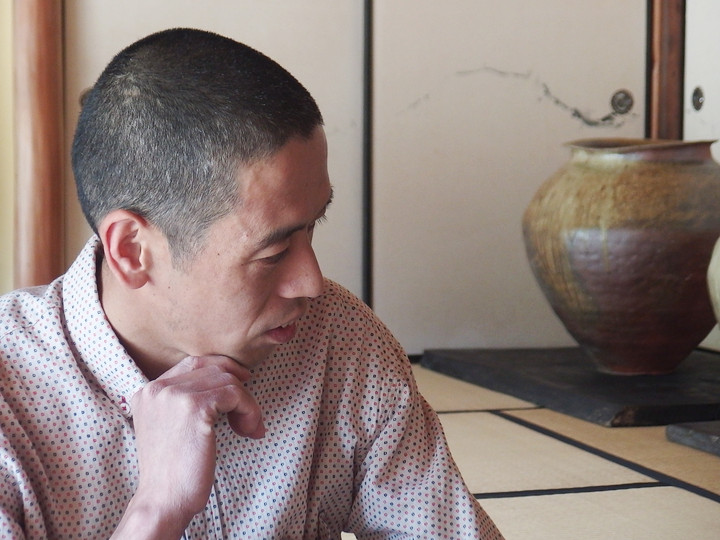
A Sense of Reality…
Hanada: What do you mean by “a sense of reality that harbors within”?
Kan Kishino : My tastes are quite diverse, spanning Karatsu, Joseon dynasty ware, Shigaraki, and more. Yet, in every antique piece I love, I can perceive a distinct soul or character radiating from it.
Hanada: Staying close to people’s hearts throughout changing times without ever growing old…
Kan Kishino : People go through all kinds of emotional states. A truly great object can offer comfort when you are going through hard times or feeling sad, and conversely, it can match your energy and stand confidently beside you when you are in high spirits. Even as time passes, as you age, and as your values or sense of beauty evolve, an exceptional piece remains steadfast. Its meaning to you never changes. Put simply, it is something you never tire of. To me, that is the definition of a genuinely good object.
Excitement in Every Firing
Hanada: One major difference between painting, which you originally pursued, and ceramics is the degree to which nature intervenes in the process. When considering the tension between what you can control and what you cannot, was it that uncontrollable element that shocked you most at the Museum of Oriental Ceramics?
Kan Kishino : A huge reason why I became so deeply immersed in ceramics is the realization that the actual making is just one small step in the entire process. Before making, there is the clay; after making, fire and glaze are introduced. The fact that invisible forces play such a significant role is incredibly appealing, and it is likely why I can still fire the kiln with a sense of excitement today. It is the frightening part of a wood-firing kiln, but also the most fascinating.
Hanada: It must be rare for everything to go exactly as planned.
Kan Kishino : With ceramics, even if you make a piece that strictly follows a set pattern, a subtle variation in the firing completely alters the atmosphere dwelling within it.
Hanada: So much depends on forces beyond your control.
Kan Kishino : Even so, I reflect deeply on the exact conditions that caused a specific outcome. I examine the state of the clay and review how the kiln’s temperature was raised and lowered. I think about it constantly, though there are always things you can control and things you simply cannot. Also, with unglazed stoneware (yakishime), the kiln is filled with items of various sizes, from large jars to small dishes, so deciding which piece to prioritize as your standard is crucial. For this exhibition, I tried something new by filling the kiln almost entirely with jars, allowing me to fire it specifically for them. I fired it for a day longer than usual. If I did that with everyday dishes, they would end up completely shiny and over-fired.
Hanada: So each type of work requires its own suited approach.
Kan Kishino : While studying the surface characteristics of ancient jars and wondering what kind of firing created those effects, I came to the conclusion that it could only be achieved by firing jars all together in a single batch.
Hanada: What do those surface characteristics of ancient jars look like?
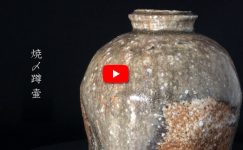
Kan Kishino : To speak of specifics, take a look at this jar, for instance. Notice how the ash has accumulated horizontally across the middle of the body without melting completely, and how ash has settled right around the neck. This pattern is frequently seen on ancient Shigaraki jars. Achieving this effect was something I had long sought in my unglazed stoneware jars, and that distinct quality has clearly emerged this time. This piece was fired near the back of the kiln, where nature took its course. But I suppose I am getting a bit sidetracked.
Time at Doraku Kiln
Hanada: After graduating from your ceramics program, you moved on to Doraku Kiln.
Kan Kishino : The guidance I received from Mr. Fukumori is deeply ingrained in me. The reason I am strongly committed to making functional tableware for daily use today, rather than leaning toward abstract expressionism, is entirely due to his influence.
Hanada: A strong commitment to objects meant to be used.
Kan Kishino : I want objects used in daily life to bring joy through their use and to enrich our lives from within. I view objects as things that deepen our daily experience. I also grew up watching my parents interact with objects in exactly that way.
Hanada: Your upbringing certainly played a major role.
Kan Kishino : Another big reason I did not take the path of pure artistic expression is that I started my own family quite young, during my apprenticeship. I would bring home pieces from Doraku Kiln that were considered seconds—items with minor flaws that made them unsellable but still perfectly functional—and use them at home. As a user, I was constantly asking myself whether a piece felt slightly off, uncomfortable, or easy to handle.
Hanada: So even during your training, you were able to look at your own work from an objective perspective.
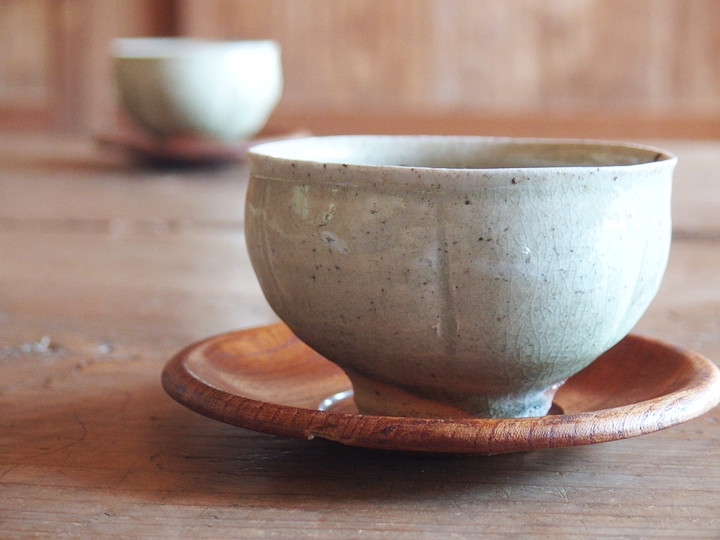
Object Against Object
Hanada: What is your ultimate goal for functional objects?
Kan Kishino : This might sound like a joke, but even after I leave this world, my work will remain. My pieces will have to stand their ground, object against object, alongside works that have survived for up to two thousand years, like Jomon pottery. I hope to create things that can endure in that way.
Hanada: What defines an object that endures?
Kan Kishino : It sounds abstract, but perhaps it is a sense of comfort. I believe that is where the true value of an object lies, and establishing that quality is my ultimate goal.
Thoughts on Each Form
Hanada: You create a wide variety of items, including jars, tea bowls, sake ware, and everyday dishes. I imagine the thoughts, goals, and creative processes behind each one have their share of similarities and differences.
Kan Kishino : The common thread is that I am always aiming to make things that I would want to use myself, but my mindset shifts completely depending on the object. Looking back to when I first went independent, I used to switch between different forms constantly. I would make a jar, then a tea bowl, then move from unglazed stoneware to white glaze, all in a completely random order. Lately, it takes me much longer to get into the specific mindset required for each type of work, so my progress has slowed down considerably.
Hanada: Does that mean your vision for each specific form has grown stronger?
Kan Kishino : Yes, because my intentions for each type of work have intensified, and I feel this shift is simply a natural progression. Consequently, there are times now when I find myself simply waiting until I am fully immersed in the mindset required for a jar, for example.
A Vessel for the Mind
Hanada: First, what is the appeal of jars to you? Would you say that jars embody that sense of reality you mentioned more than anything else?
Kan Kishino : With a jar, that presence is everything. I believe a jar is defined entirely by the atmosphere contained within it. The form and shape are merely results that follow naturally. While I occasionally arrange flowers in them, most of the time jars are simply placed in a room to be admired. It might sound strange for me to say I make functional items while also creating jars or urns that are meant purely for viewing.
Hanada: Did you ever find an answer?
Kan Kishino : It sounds a bit overly poetic and embarrassing, but I came to think of it as energy, or qi. The quality of that energy is quite different between Joseon ware and Shigaraki ware. The internal atmosphere, or the way they exist, is distinct. Ultimately, I feel they are like vessels for the mind, since you spend your time just quietly gazing at them. Yet, they are things I absolutely want to have present in my daily life.
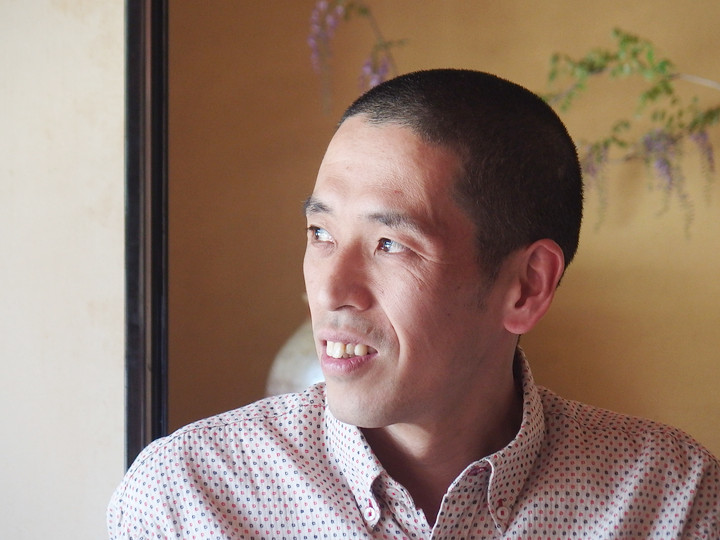
Insights Born from Action
Hanada: Moving on, what kind of tea bowl do you strive to create?
Kan Kishino : (Thinks for a moment) It simply comes down to making the tea taste wonderful. I want to make a bowl that makes someone think, “I want to drink from this!” and leaves them feeling that the tea was simply delicious once they finish. That is what a great tea bowl should be.
Hanada: A tea bowl that makes the tea taste wonderful…
Kan Kishino : I believe the atmosphere inside the bowl as you bring it to your lips is essential. In that moment, the physical presence of the bowl should disappear entirely. It is only after you finish drinking that you strongly feel its presence again, wanting to drink from it once more. I sense that kind of internal atmosphere in the tea bowls made by Handeishi Kawakita, and I absolutely love his work. It is truly remarkable how, despite his incredibly unconventional and irregular styling, you still feel the essence of a tea bowl so intensely. He captured that unique atmosphere perfectly. A long time ago, out of pure admiration, I tried making something similar, but it was completely unsuited for actually drinking tea. That is just how it goes. Now, I have absolutely no desire to mimic his style.
Hanada: Your attraction to Handeishi Kawakita’s tea bowls lies in something beyond their physical shape, and you realized this by trying to copy the appearance yourself. That is the incredible thing about making things. The more skillfully you replicate the exterior, the more the fundamental difference in essence comes to light.
Kan Kishino : I feel the exact same way about Chojiro’s tea bowls.
Making Sake Taste Great
Hanada: How about sake ware?
Kan Kishino : Just like with tea bowls, it is all about making the sake taste wonderful. For me, drinking sake is a time to unwind. I want my sake cups and flasks to accept that relaxation and unwind right along with me. I believe sake ware should be something that helps open and free your mind.
Is Your True Self in the Work?
Hanada: What are your thoughts on ordinary tableware?
Kan Kishino : Whether the food looks delicious on it is everything. It should never be flashy, but rather possess a comfortable, inviting quality—a certain kind of energy. Whether it is a jar, a tea bowl, sake ware, or everyday dishes, that quality is what I am most obsessed with.
Hanada: What is the process like when you are making tableware?
Kan Kishino : I decide on the shapes and dimensions while throwing on the wheel, always visualizing how the piece will be used. In the past, if I wanted to create something inspired by an antique piece, I would focus intently on how closely I could match its form, dimensions, and proportions. Now, however, I have come to realize that those elements should naturally dwell within me.
Hanada: So your work has shifted from forcing a piece into what it ought to be, to letting it build up naturally?
Kan Kishino : On the rare occasions I still do that forced kind of work, it feels as though the piece does not even belong to me.
Hanada: Yet, going through that stage of forced work is also a necessary part of the journey.
Kan Kishino : If I look at an antique and think, “Let’s try making something like this,” but fail to cultivate that true realization of beauty within myself, the piece will not turn out well. Lately, I have felt strongly that if the beauty is fully alive in your own consciousness, the work ceases to be a mere copy, even if it looks like one to an outside observer. What matters to me now is not being strictly faithful to the exterior of ancient ceramics, but whether my true self is present in the work.
Hanada: That applies to far more than just making pottery. Whether in our work or our hobbies, asking ourselves if our true self is present is a question that can make anyone catch their breath.
Being Told I Had No Individuality
Kan Kishino : To change the subject slightly, back in high school, I was told repeatedly that I had no individuality.
Hanada: That is surprising to hear.
Kan Kishino : I worried about it constantly. When I eventually turned to Mr. Fukumori for advice, he comforted me by saying, “What that person calls ‘individuality’ is probably just talking about superficial ideas and concepts.” That realization saved me. I have no desire to create bizarre, shocking things for the sake of being original. The moment I start thinking along those lines, my hands freeze up and I feel like I would grow to dislike pottery. My driving force is simply my love for certain things and my desire to use them.
Hanada: That preference is exactly what defines your individuality. It does not come from logic, nor is it a tool to differentiate yourself from others. I often think that trying to define your own style is just a way of trapping yourself for temporary convenience. In a way, letting go of that is liberating. Forcing individuality only ends up distorting it.
Kan Kishino : My father held an exhibition every year, and my childhood memory of him was that he painted in a wide variety of styles. However, from around the age of sixty-five, his exhibition spaces became entirely filled with paintings that could belong to no one else but him—true Tadataka Kishino art. Seeing that left a deep impression on me, so I feel there is absolutely no need to rush. The fact that I work in so many different styles is simply the result of honestly pursuing the things I want to use myself.
Hanada: Your father might very well look at you now and see a reflection of his younger self.
The Work with White Glaze
Hanada: Working across such a wide spectrum, from unglazed stoneware to white glaze, must have brought you valuable insights.
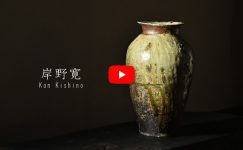
Kan Kishino : I can feel that my ongoing work with white glazes has been a huge plus for pieces like this Iga lugged jar. It allows me to channel the atmosphere I love. Perhaps because working with white glaze demands a certain sharp focus and tension, it gives me the freedom to take bold risks with the Iga jars. For this piece, I confidently used a spatula to create the central indentation in a single stroke. If you fuss over the details, it leaves an over-refined impression, so you have to make it work powerfully all at once.
Hanada: Doesn’t the overall shape collapse?
Kan Kishino : Now that I understand the physical behavior of the clay, I can visualize the path to success even when working boldly. That is something I learned through working with white glaze.
Hanada: So your work with white glaze has given you many new tools.
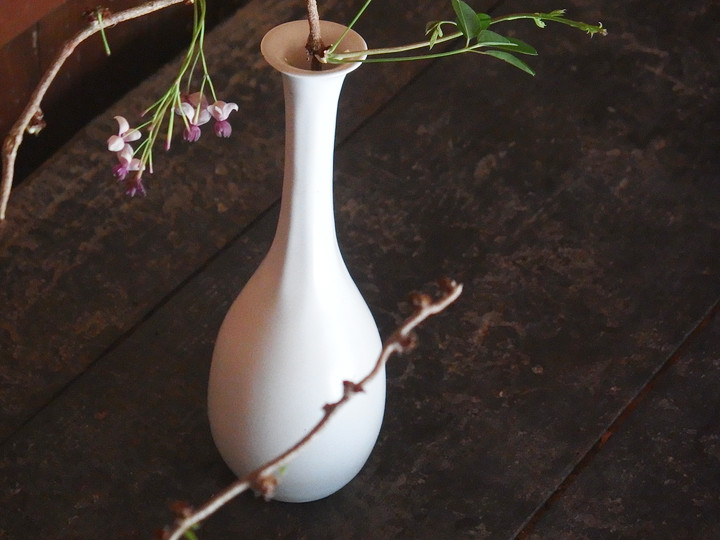
Kan Kishino : I think the reason I can create crisp, sharp forms like crane-neck vases or flasks using stoneware clay is precisely because I have spent so much time doing this crisp white work.
Looking Ahead
Hanada: Please tell us about what you would like to tackle in the future.
Kan Kishino : There are many things, but regarding unglazed stoneware, I intend to build a steep-sloped kiln similar to ancient ones. The way ash settles on the neck of a jar is due to the upward direction of the flames inside a steeply inclined kiln. I managed to replicate that effect in my current flat kiln by creating steps inside to direct the fire from below. There are still a few details I need to test with my current setup, but once I sort those out, I hope to build the new kiln within the next few years.
Hanada: How about your white glaze work?
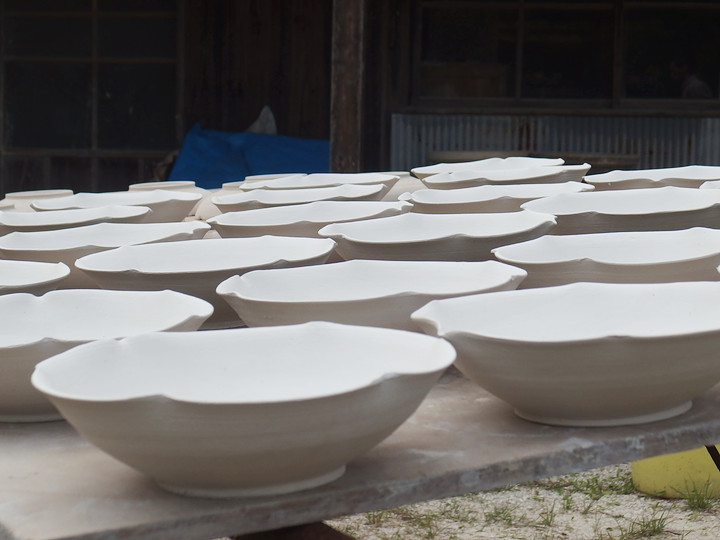
Kan Kishino : For the white glaze, I am aiming for something that is well-fired yet retains a soft appearance—not a softness from being under-fired, but a gentle quality that emerges even when the clay body is thoroughly vitrified. A softness with real depth, you could say. While many solo exhibitions demand more artistic, showpiece elements, preparing for this show has made me intensely mindful of crafting items intended truly for everyday use, just as we discussed.
Hanada: Thank you so much for sharing your insights today. We are looking forward to the exhibition.
Kan Kishino : I have made plenty of tableware for the show, so I hope everyone enjoys it.
≪ END ≫
焼き物の世界へ
花田:岸野さんは焼き物にはいつ頃から興味を持つようになったのですか。(以下花田-)
岸野: 父は水墨画家でしたが、5人兄弟だれも絵描きになる気配が無かったので、自分がなろうと思っていました。
父が、誰か一人には継いで欲しいと望んでいるのを何となく感じていたので。
ただ学生の頃、僕は西洋画が好きで、高校も洋画科が第一志望でしたが、結局、第二志望の陶芸科に行くことになったのが、きっかけです(笑)。
-:西洋画と陶芸では随分違います。
岸野: はい。
「嫌だなぁ」と思っていたら、たまたま叔父が東洋陶磁美術館に連れて行ってくれたんです。
-:いかがでしたか。
岸野: 「これは凄い!」って。
「陶芸科でよかった」と心から思いました。
-:叔父様に感謝ですね。
さて、何に「凄さ」を感じたのでしょうか。
岸野: 驚きに近かったのですが、絵がかかれていたり、何かくっついていたり、彫刻的だったり。
とにかく「何でもありなんだな」という・・・。
それから、唐九郎さんの本を読んだり、色々なものを見たり「土と炎!」みたいな世界にどんどんはまっていきました。
モノの空気
-:焼き物が岸野さんにとって、かけがえの無いものになっていく時期ですね。
岸野: 「陶芸家になりたい」というよりは「焼き物に関わって生きていきたい」という思いでした。
土を掘って、薪を焚いて・・・そうやって暮らしていたいなと。
-:ご自身の仕事を言葉で表すとすれば?
岸野: 僕の場合、自己表現の意識があまりないので、表すとすれば「陶工」に近いと思います。
ただ、オリジナルのものを目指してはいませんでしたが、自分の好きなものや求めているものを突き詰めていくと、結局オリジナルのものでないと、その「モノの空気」って出てこないのかなという風に今は思っています。
-:岸野さんが求めている「モノの空気」とはどのようなものなのでしょうか。
岸野: これ、ある展覧会のために考えた文章です。
-:「内面に実在感を宿る古陶は飽きる事無く、時々の人の心に寄り添い続けると感じます。 様々な焼き方を通し、このような作品を志し日々作陶しております」。
実在感・・・
-:「内面に宿る実在感」とは・・・。
岸野: 自分が好きなものは、唐津、李朝、信楽・・・と多種多様なのですが、好きな古陶には、それぞれが人格に近い魂の気配が漂っている様に僕には感じるのです。
-:飽きる事無く、時々の人の心に寄り添い続ける・・・。
岸野: 人間、様々な精神状態がありますよね。
一つのモノでも、辛かったり悲しかったりした時には慰めてくれる、逆に高揚しているような時には、それにまた付いてきて、肩を張って付き合ってくれる・・・。
そして、時間が経って、年とって、価値感や美意識が変わっていっても、いいモノってそれが揺るがないと思うんです。
本当に良いものって、自分にとっての存在が変わらない。
単純に言ってしまえば「飽きない」ということで、そういうものが、自分は良いものだと思っています。
今だにドキドキ
-:さて、岸野さんが元々目指していた絵画と焼き物の違いの一つに、自然が作業の中に介入してくる割合があります。
コントロールできる部分とできない部分のせめぎあいを考えた場合、東洋陶磁で岸野さんが一番衝撃を受けたのはそのコントロールできない部分だったのでしょうか。
岸野: これほど陶芸にのめりこんだ大きな要因は「焼き物において、作っていることは、ほんの一工程である」という部分です。
作る前に土があって、作った後に火が加わる、釉薬が加わる・・・。
目に見えないところで作用することが大きいのが魅力で、今だに「ドキドキしながら窯を焚く」ということを続けられている理由でしょうね。
薪の窯の怖さでもあるし、面白さでもあります。
-:すべてが予測どおりに進むことは稀です。
岸野: 焼き物って、たとえ約束事が守られているようなものを作ったとしても、僅かな焼けの違いで内在する空気感が変わってしまうんです。
-:不可抗力によることも多いわけです。
岸野: そうだとしても、どういう条件で発生したのか、土の状態を見たり、窯の温度の上げ方や下げ方を見直したり・・・、そういうことは凄く考えますね。
考えますけど、それにも「できること」と「できないこと」があるわけで・・・。
あと、焼〆なんて、壷から食器まで大小さまざまなものを入れているから、それのどこに基準を置くかというのも重要です。
今回初めて試みたように壷ばかり入れると、壷のための窯焚きができます。
いつもより一日長く焚きました。
一日伸ばすと、食器なんてテカテカになってしまいますからね。
-:それぞれに適した方法があるのですね。
岸野: 古い壷の景色のあり方を見ながら、どういう窯焚きからこうなったかというのをずっと考えてきたときに、もうそれは壷ばかりまとめて焼いたときに実現するのかな、という答えです。
-:古い壷の景色のあり方とは。
岸野: 具体的な見た目の話をすると、例えばこの壷を見てみて下さい。
このように、胴の真ん中に灰が横長に付いて溶け切っていない、そして口には首のところに灰がついているというのが、古信楽の壷には多いんです。
ずっと焼〆の壷を焼く上で、求めているところだったのですが、その気配は今回明らかに出てきています。
これは窯の奥のほうで焼いたもので、自然になったものです。
話それましたね・・・(笑)。
土楽にて
-:そして陶芸科を卒業後、土楽に。
岸野: 福森さんのご指導は僕の体に染み付いています。
現在、表現主義に行かずに、使うものとしての焼き物に関わりたいと強く思うのは福森さんの影響です。
-:使うものへの強い思い。
岸野: 暮らしの中で使うものが、使うことによって愉しみを与えてくれて、暮らしを内面的に支えてくれるようなものであってほしい。
僕はモノというのは暮らしを深めてくれるものとしてとらえています。
両親がそうやってモノと付き合っている姿も見てきましたし。
-:生まれ育った環境もあったのですね。
岸野: 表現のほうに行かなかったのは、修行時代の若いうちに家庭を持ったことも大きいと思います。
土楽で作ったものの中でB品(どこかに食器として欠陥があり販売はできないが使用は十分出来るもの)を家に持って帰っては、使っていました。
「なんか良くない」とか「心地よくない」とか「使い勝手がいい」とか、生活者として常に自問自答していました。
-:修行時代から第三者的に自分の仕事を見ることが出来たのですね。
モノ対モノ
-:「使うもの」として目指すところは?
岸野: 冗談に聞こえるかもしれませんが、自分がこの世からいなくなっても、自分のモノは残ります。
それが縄文土器いれたら最長2000年くらい経ったものと、モノ対モノで勝負していくわけじゃないですか。
そういう時に残るものを作りたいなと願っています。
-:残るものとは。
岸野: 漠然としていますが「心地良いもの」でしょうか。
モノとしての勝負はそこにあると思っているので、その確立が自分の目標です。
それぞれに思うこと
-:岸野さんは壷、茶碗、酒器、食器・・・と色々作られています。
それぞれに込める思いや、目指していること、作り上げていく道筋には共通点も相違点もあるかと思います。
岸野: 「自分自身が使いたい」ものに向かっているのは一緒ですが、心の持ち方は全然違います。
今思い出せば、独立当初はコロコロ作るものを変えていました。
壷作って、茶碗作って・・・で、焼〆作って、白釉作って、もうものすごいランダムに・・・。
最近はそれぞれの気持ちになっていくのに時間が掛かるようになって、仕事がはかどりません(笑)。
-:それぞれに、より強い思いを持つようになっているのでしょうか。
岸野: 自分が求めているものがそれぞれ強くなっていっているから、そういう風になってしまうのは仕方のないことなのかなと思っていて・・・。
そうなると例えば、自分が壷の世界に入っていくまで―そういう心持ちになるまで―ただ待っているような時間が最近は時々あります。
心のうつわ
-:まず、岸野さんにとって壷の魅力は何ですか。
岸野さんの言う「実在感」を最も持っているものが壷なのでしょうか。
岸野: 壷の場合、そこが勝負です。
壷は、その中に込めている空気みたいなもので全てが決まると、私は思っています。
フォルムなどは結果としてあとから付いてくるものです。
花もたまには生けますが、壷の場合、大半はそのまま置いて眺めているだけじゃないですか。
「使うものを作ります」と言いながら、壷や甕みたいに眺めているだけのものも作るというと、変に聞こえるかもしれませんね(笑)。
自分でもよく分からなくて、「それは何か」というのを考えたことがちょっとだけあるんですよ。
-:答えは出ましたか。
岸野: ちょっとクサくて恥ずかしいんですけど・・・自分は「気」と考えました。
その気の質は、例えば李朝と信楽では違います。
内面の空気というか、あり方が違うというか・・・。
結局、自分にとっては「心のうつわ」みたいなものなのかなって。
ジーっとただ見ているだけですから。
だけど、自分の生活の中にあってほしいものなのです。
してみるからこそ気づくこと
-:続いて、岸野さんが求めるのはどのような茶碗ですか。
岸野: (しばらく考えて)「お茶が美味しい」ということに尽きます。
「この茶碗で飲んでみたい!」と感じ、飲み終わった後、只美味しかったとなる「美味しい茶碗」でありたいということです。
-:美味しい茶碗・・・。
岸野: 口を近づけて行った時の見込みの空気感が、茶碗にとって大事なことだと私は思っています。
その時に茶碗の存在は無くていいと思うのです。
飲み終わると又飲んでみたいと茶碗の存在を強く感じる。
そういった見込みの空気を、半泥子の茶碗には感じますし、彼の茶碗が大好きです。
いや、あれだけメチャクチャな造形でも強烈に茶碗を感じるし、あの空気を持っているというのは、不思議なものだなって。
随分前に、憧れてそれっぽいものを作ってみたのですが、到底茶を飲めるようなものではなかった(笑)。
そういうものなんですね。
今では真似しようとは全く思わないです(笑)。
-:岸野さんが半泥子の茶碗に惹かれるのは造形以外のところにあって、外見を自らなぞることでそれに気付くことになる。
人がモノを作ることの凄いところですね。
外見を器用になぞればなぞるほど、その本質的な違いが浮き彫りになってきてしまう。
岸野: 長次郎の茶碗にも同じものを感じます。
お酒が美味しい
-:酒器はいかがですか。
岸野: 茶碗同様、「お酒が美味しい」ということです。
お酒は自分にとっては緩みたいものです。
緩むのを受け入れてくれて、一緒に緩んでくれるようなもの。
酒器は自分の心を開放してくれるものであってほしいと考えています。
そこに自分がありますか
-:うつわはいかがですか。
岸野: 「料理が美味しそうに見えるかどうか」が全てです。
決して派手じゃなくて、なんか心地良いなという・・・気の質みたいな。
これは壷でも茶碗でも酒器でも食器で、そこが一番執着しているところです。
-:うつわを作っていく時はどのような感じなのでしょうか。
岸野: 使われるイメージを持ちながら、ロクロをひきつつかたちや寸法を決めていきます。
以前は骨董のこういうものを作りたいとなると、それにいかにフォルムや、寸法、比率が近いかを意識していましたが、それらは自分の中にあることだと思うようになりました。
-:「こうあるべきだ」と押さえつける仕事から、作り上げていく仕事に変わってきたということでしょうか。
岸野: 押さえつけるような仕事を今でもたまにすると、自分のモノではないような感覚になります。
-:その「押さえつけるような仕事」を経る、ということも道程の一部であるわけです。
岸野: 仮に、古いものを見て「こういうものを作ってみよう」と作り出したときに、自分にその美しい実感が生まれ見えてこないときに作ったものは、うまくいきません。
美しさが自分の意識の中にあれば、他人から見れば模しのように見えるものでも、自分の中では模しでなくなっているという感覚は最近強くなってきました。
今、自分にとって大事なのは、その古陶の外見に忠実であるかどうかではなく、「そこに自分があるかどうか」です。
-:「焼き物を作る」ことに限ったことではありませんね。
仕事でも遊びでも「そこに自分がありますか」という質問があるとすれば、ドキッとする問いだと思います。
「個性が無い」と言われても・・・
岸野: 話が少し逸れますが、高校時代「個性が無い」と散々言われていました。
-:意外です(笑)。
岸野: 悩みに悩んで、福森さんに相談した時「その人の言う『個性』というのはアイデアとか、発想とかいうことをいっているだけなんじゃないか」と教えられ、救われた覚えがあります。
自分には突拍子も無いオリジナルのものを作る意識はありません。
そんなことを思った瞬間に手が止まってしまうし、焼き物が嫌いになってしまいそうです。
「コレが好き」とか「こんなの使いたい」とかいうのが自分の原動力です。
-:それこそが岸野さんの個性なのですね。
ロジックから出てくるものではないし、他者からの差別化を図るための道具でもない。
「自分らしさ」なんてその時の自分の都合で自分を縛っているだけであることも多い気がします。
ある意味、楽でもあるんですよね。
個性の強要は、個性を歪ませることにもなる。
岸野: 私の父は、毎年展覧会をしていたのですが、自分の幼少時代のイメージだと多種多様な絵の描き方をしている人でした。
でも、65歳くらいの頃から、誰の真似でもない「岸野忠孝の絵」で展覧会場が全部埋め尽くされるようになったんです。
それが印象的だったので、そういうことで焦る必要はないなと思っています。
多種多様な仕事をしているのは「自分が使いたいもの」を正直に追っている結果です。
-:お父様は、今の岸野さんを当時のご自身と重ねて見ているかもしれませんね。
白の仕事
-:焼〆から白まで、幅広く仕事をすることで、得られたこともあるのではないですか。
岸野: 伊賀のこの耳付などは、白をやり続けていることが凄くプラスになっていることを感じます。
好きな空気感を開放させることができる、というか白のある種「緊張させる」仕事があるから、あの伊賀の耳付のような思い切ったこともできるのかなって。
これ、思い切りヘラ入れて真ん中のくぼみをつけているんですよ。
小細工すると「整えた感」がでてしまうので、グワーって一発で成立させないとダメなんです。
-:全体のかたち、崩れませんか。
岸野: 物理的な作用が分かってきたので、思い切りやってもうまくいく道筋のようなものが段々分かってくるんです。
白をやっているときに分かったことです。
-:「白」の仕事は岸野さんに色々なものを与えてくれたのですね。
岸野: 焼〆の土で鶴首とか瓶子とか、キリっとしたものが出来るのは、こういう白い仕事をしてきたからかと思っています。
これからのこと
-:今後やっていきたいことを教えて下さい。
岸野: たくさんありますが、焼〆については昔の窯に近い急勾配のものを作るつもりでいます。
壷の首に灰が付くのは勾配がきつい窯の中での下からの炎の方向のせいです。
今のフラットな窯で、段差をつけて下から上に火を向けていくことで実現できました。
今の窯で確かめないといけないことがまだ何点かありますので、それらを整理して、数年のうちには作りたいなと思っています。
-:白はいかがですか。
岸野: 白は・・・、良く焼けているけど柔らかいものという、焼きしまっていない柔らかさではなくて素地がしっかり焼結している上で柔らかいものを目指します。
深みのある柔らかさ、ですかね。
作品的な要素を求められる個展が多い中で改めてお話ししていた使うものとしてのものづくりを強く意識して仕事をしてきました。
-:色々なお話を有難うございました。
展覧会、よろしくお願いします。
岸野: うつわをたくさん作っていますので、よろしくお願いします。
≫岸野寛さんの商品一覧はこちらから≪
関連記事はこちら