






English version of the interview here.
A World Where Almost Everything Is New
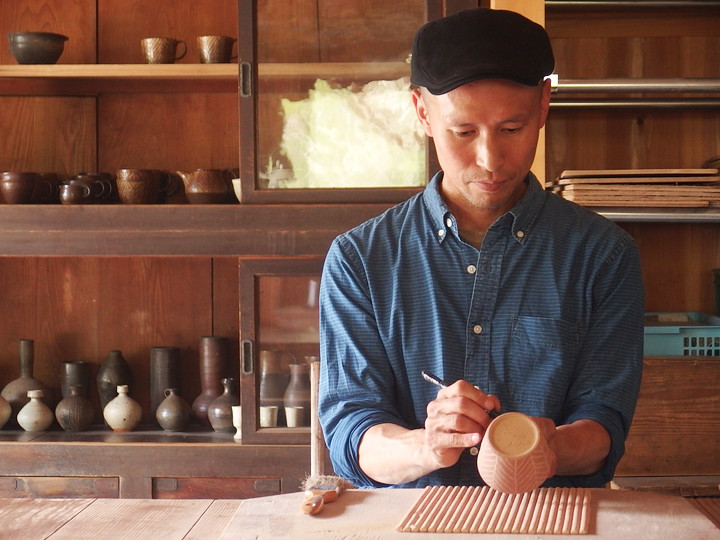
Hanada: While traveling around the world, you encountered the mud-dyed textiles of the Dogon people in Africa.
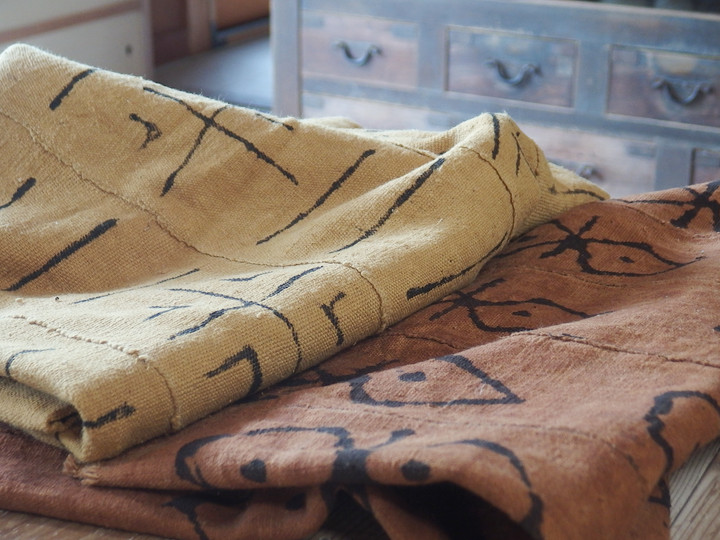
Susumu Jo: The first things I saw in a Dogon village were pieces with a brown background, painted with black and white designs. The one I chose is relatively simple, with a more patterned look. I think bolder, more striking designs are actually more common there.
Hanada: What was your first impression?
Susumu Jo: Africa was full of things I’d never seen before—there was almost nothing familiar (laughs). It felt like being hit with impact after impact, and mud-dyeing was one of those experiences. In Asia, I’m often mistaken for a local, but in Africa that never happened at all (laughs).
What You Can Feel Even Without Understanding the Meaning
Hanada: What is it about mud-dyeing that appeals to you?
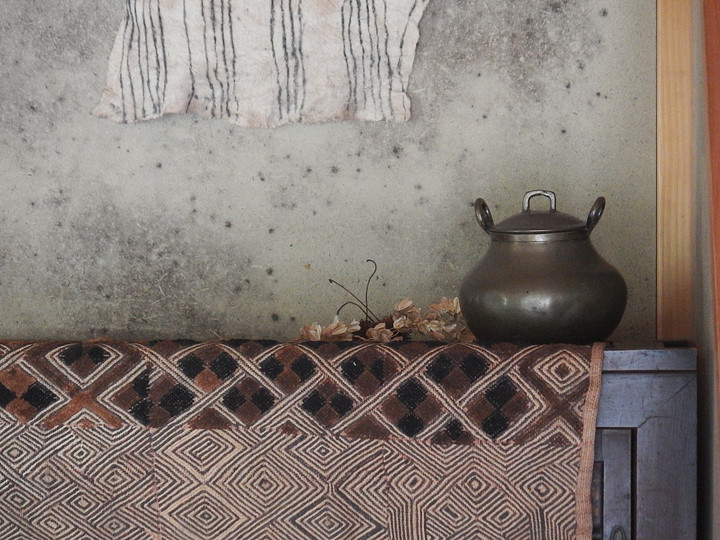
Susumu Jo: It has strength. And it fits the African land, its people, and the air itself. Seeing it in Japan, that feeling might be hard to grasp. Strength… or maybe generosity, a sense of openness.
I believe the patterns originally have meanings, but I don’t know the religious significance.
Even if you don’t understand those meanings…
Hanada: You still feel the Dogon people in it?
Susumu Jo: Exactly.
Neither the Original Nor Truly My Own
Hanada: Did you immediately feel that mud-dyeing would connect to your ceramic work?
Susumu Jo: Not at all. I had no such intention while traveling.
Even in ceramics, large jars and pots can have that same openness and atmosphere.
When I first returned to Japan, I tried copying those kinds of forms. But it just didn’t quite work… well… I’m not that broad-minded myself (laughs).
I’m optimistic by nature, but being Japanese, my work tends to become more delicate, and that powerful openness never really comes through. They look similar, but they’re completely different things (laughs).
Look, I used to make things like this back then. Kind of like Hakushon Daimaō(a famous Japanese anime character).
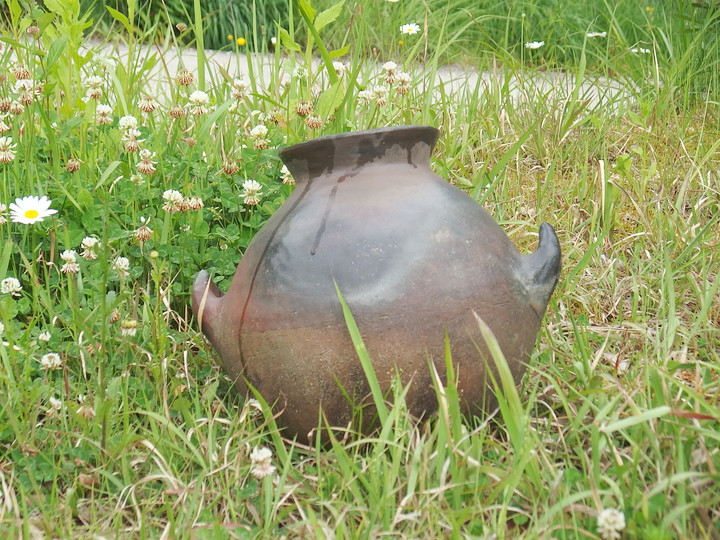
Hanada: Interesting. It really feels like you were trying to copy it directly (laughs).
Susumu Jo: I realized, “This isn’t mine.”
Hanada: You tried imitating it, and while it resembled the original, it was neither the original itself nor truly your own.
Susumu Jo: Yes. Because it didn’t feel like mine, I tried making it more my own—and then none of the original atmosphere remained (laughs).
Hanada: (laughs)
Susumu Jo: At that point, there’s no reason to deliberately use African motifs anymore (laughs). Those works exist because of that land, that way of life, and those people.
What Kiseto Led Me To
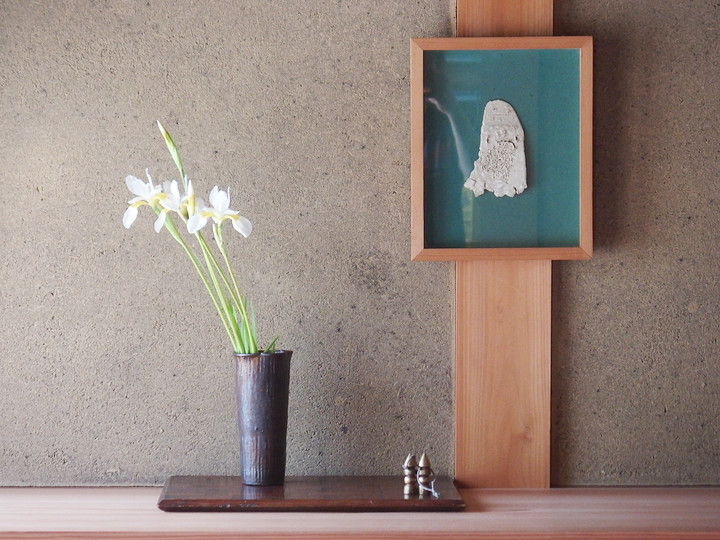
Susumu Jo: For those reasons, I stepped away from that influence for a while. Then one day, when I saw Japanese Kiseto ware, I suddenly felt something very close to mud-dyeing.
Hanada: So Kiseto led you back to what you had sensed in mud-dyeing.
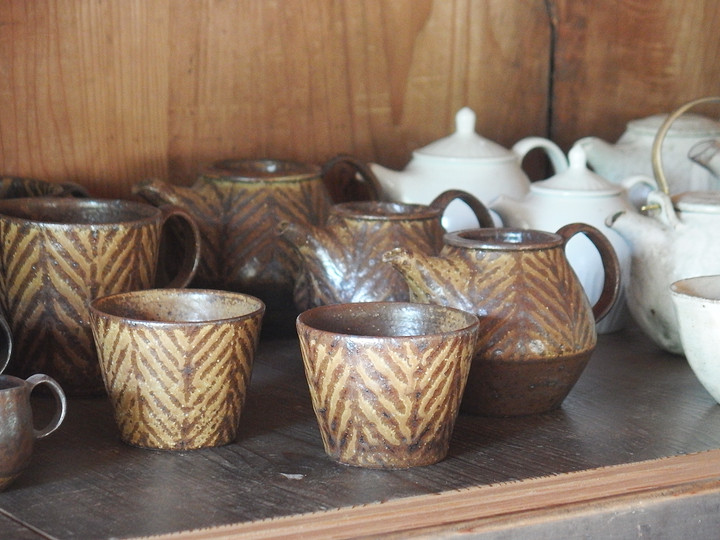
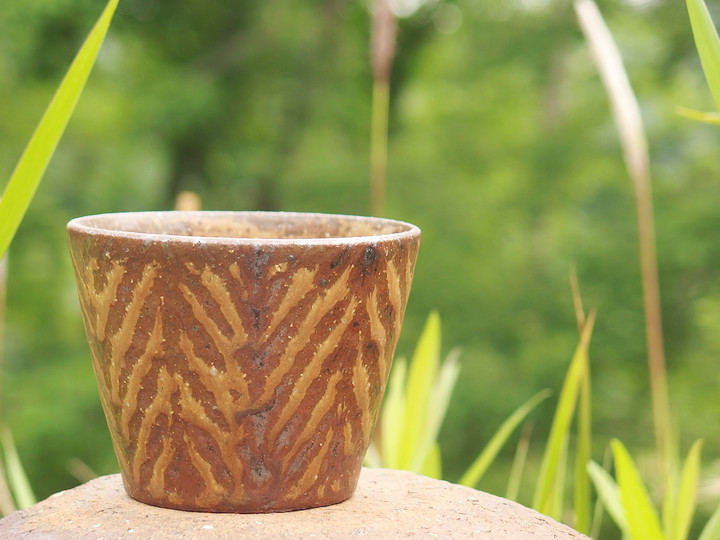
Susumu Jo: It was that atmosphere. Technically speaking, it was the color and the surface texture. That’s when I thought it might be interesting to combine African patterns with Kiseto, and that idea became the starting point.
Trying Many Different Approaches…
Hanada: Did iron painting come to mind right away as an option?
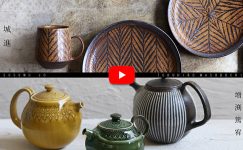
Susumu Jo: It was iron painting, yes, but at first I used a brush. With a brush, though, the lines come alive too much.
Hanada: When you say “the lines come alive,” that usually sounds like a good thing.
Susumu Jo: They become too lively—the lines don’t feel dyed anymore. Textiles don’t have movement, after all.
Hanada: And that led you to this technique.
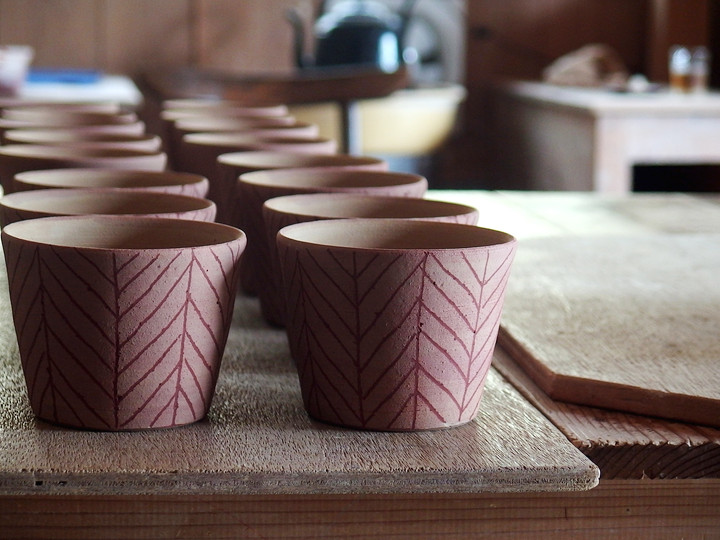
Susumu Jo: This felt right. The way it bleeds is just right, too. I tried glazes that didn’t move at all and others that flowed more, and this balance worked best. I also tried drawing lines over white slip, but that didn’t feel quite right either.
Hanada: Did you experiment with different ways of drawing the lines as well?
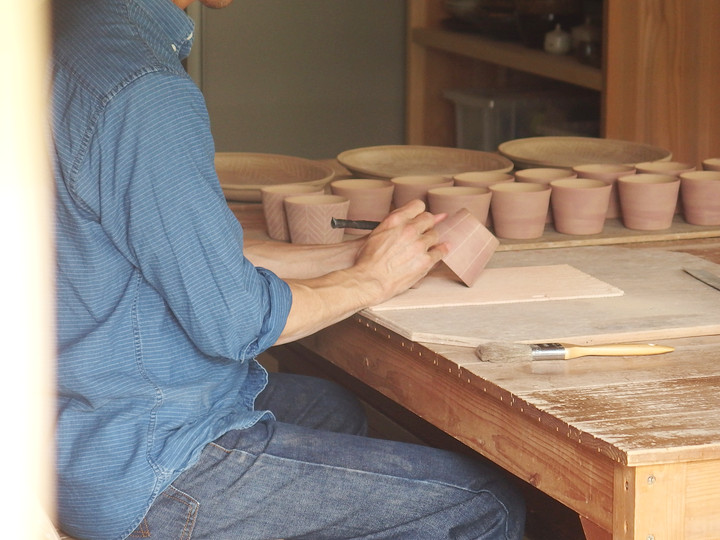
Susumu Jo: Yes—different nail thicknesses, different ways of pulling the line… I felt it was better to construct it with a certain firmness.
Hanada: Listening to the sound, it felt like a rough, scraping noise—descending downward through small twists and turns. If the line simply slid straight down, I don’t think it would create that dyed feeling.
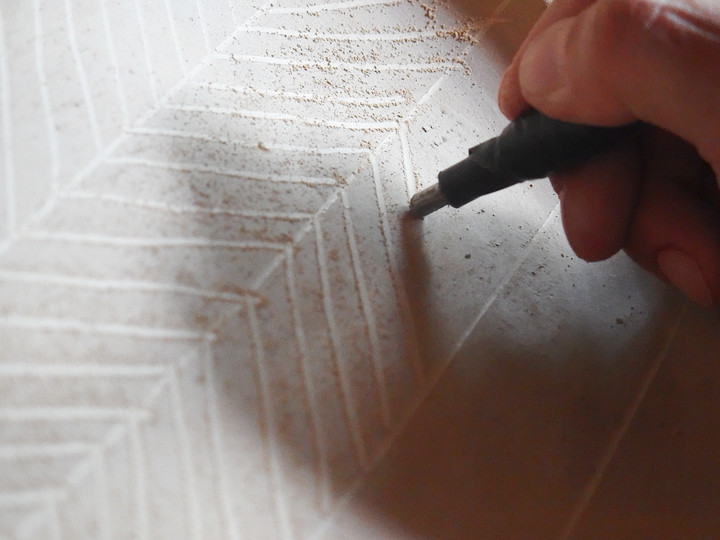
Susumu Jo: With very fine clay, the line pulls smoothly. But the clay I use contains quite a lot of stones, so it catches. That resistance is essential.
Hanada: Do you still keep the image of mud-dyeing in mind while working?
Susumu Jo: It was a trigger, and it has influenced me, but it’s not something I aim for consciously while working. It’s just one element among many.
Surprisingly Versatile
Hanada: You use iron-painted pieces yourself as well, don’t you?
Susumu Jo: They have patterns and a bit of impact, but I think they work surprisingly well with almost any food.
Hanada: They seem like they’d pair well with Southeast Asian or other ethnic cuisines.
Susumu Jo: They work with Japanese food, Western food—there’s not much they don’t suit.
Hanada: How does your family react?
Susumu Jo: They’re just always there, so nothing in particular. I don’t think they’re especially conscious of them.
The Debut of Ovals
Hanada: We’re really looking forward to the two-person exhibition. The alphabet motifs you’ve been working on recently are interesting as well, so definitely.
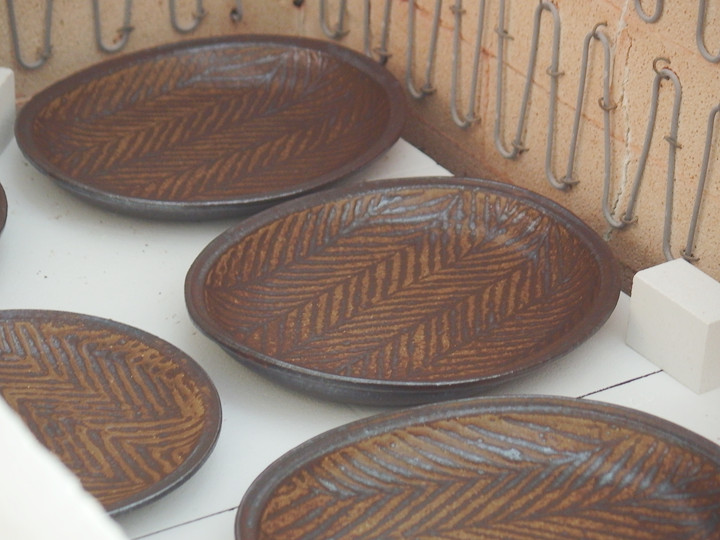
Susumu Jo: I’ll try making a variety of things. I’m also planning to present oval shapes for the first time, so I look forward to it.
Hanada: These ovals look very practical and nice. We’re looking forward to it.
≪ END ≫
見たことのあるものなんて、ほとんど無い世界
花田: 世界を放浪中、城さんはアフリカドゴン族の泥染めに出会いました。(以下花田-)
城: 最初にドゴンの村で見たものは、バックグラウンドが茶色で、黒と白で絵を描いてあるものでした。
僕が選んだこれは、パターン化されていて、シンプルなほうです。
もっと派手でインパクトの強いもののほうが、あちらでは主流だと思います。
-: 最初の印象はいかがでしたか?
城: アフリカは見たことの無いものばかりで、見たことがあるものなんてほとんどない(笑)。
「インパクトずっと受け続ける」みたいな感じでしたが、泥染めもそのうちの一つです。
アジアだと、僕はよく現地人に間違えられるんですけど、アフリカでは一切そういうことがなかったですね(笑)。
意味が分からなくても感じるもの
-: 城さんにとって泥染めの魅力は何ですか。
城: チカラがある。
そして、アフリカの風土や人、空気に合っているんです。
日本で見ると、その感じがなかなか分からないかもしれません。
力強さ・・・、いやおおらかさかな。
模様などは意味が元々あるものだと思うのですが、宗教的な意味などは分かりません。
それらを分からなかったとしても・・・
-: ドゴン族を感じますか。
城: そういうことです。
そのものでもなければ、自分のものでもない(笑)
-: 泥染めが焼き物の仕事に繋がっていくことはすぐに感じましたか。
城: 旅行中は、そんなつもり、全くありませんでした。
焼き物でも、甕や壷など大らかで、雰囲気があるんです。
帰国直後はそういうものを模写していました。
ただ、全然・・・まあ・・・、僕自身そんな大らかじゃないんで(笑)。
性格は楽観的ですけど、日本人なのでモノはちょっと繊細になっていくというか、あの力強い大らかさは出てきません。
似ているけど、全然違うもの(笑)。
ほら、昔こんなのやっていたんですよ。
ハクション大魔王みたいな。
-: 面白い。そのまま写そうとした感じですね(笑)。
城: 「自分のモノではないな」と感じました。
-: 真似てみて、似てはいるけど、そのものでもなければ自分のモノでもない。
城: はい。 自分のモノに思えないので、自分寄りに作ってみたら、元の雰囲気は何も残っていないという・・・(笑)。
-: (笑)
城: それなら、アフリカのものをわざわざモチーフにする必要はないじゃないですか(笑)。
あの風土で、あの生活で、あの人間だから、ああいうものが成立しているわけです。
黄瀬戸が導いてくれたもの
城: そういうこともあって、しばらくそのことからは離れていたんです。
そうしたらあるとき、日本の黄瀬戸を見て、泥染めに近いものを感じた瞬間がありました。
-: 城さんが泥染めに感じていた部分に、黄瀬戸があらためて導いてくれたのですね。
城: あの空気感です。技術的には色味と肌合い、でしょうか。
で、黄瀬戸にアフリカの模様が入っていたら面白いうつわになるんじゃないかな、と思いついたのが始まりです。
色々試して・・・
-: 鉄絵という選択肢はすぐに出てきたのですか。
城: 鉄絵は鉄絵でしたが、最初は筆を使いました。
でも、筆で描くと、線が生きてしまうんです。
-: 線が生きるというと、通常歓迎すべきことに聞こえます。
城: 線が活き活きとし過ぎるというか、線が染まっている感じにならないんですよね。
織物って、動きは無いじゃないですか。
-: それでこの技法が出てきたわけですね。
城: 一番しっくりきます。にじみ方も丁度よくて。
釉薬も動かないものや、もっと流れるものを色々試して、これが一番、具合よかったんです。
白化粧に線を引くというのもやってみたんですけど、それもちょっと違った。
-: 線のひきかたも色々試されたのですか。
城: はい。釘の太さとか、線の引き方とか・・・。
ある程度かっちり作るのがいいな、と。
-: 音を聞いていると、ガリガリガリ、みたいな感じで、小刻みな紆余曲折を経て下に降りて行く感じがしました。
スーッとそのまま下がっていくような線だと、この染めたような感じにならないだろうなと思いました。
城: 細かい土を使うとスッと引けてしまうんです。
でも、使っている土には結構石が入っているので、そこで引っかかる。
その突っかかりが必要なんです。
-: 今でも、作りながら泥染めのイメージは持っているのでしょうか。
城: きっかけだし、影響も受けてはいますが、仕事をしながら目標にしているというわけではありません。 要素の一つです。
意外と万能
-: ご自身でも鉄絵のうつわを使っていますよね。
城: 模様も入っているし、ちょっとインパクトはあるんですが、意外と何を盛っても合うと思っています。
-: 東南アジアのエスニック料理などにも合いそうです。
城: 和食でも洋食でも、そんなに選びませんね。
-: ご家族の反応は?
城: 当たり前にあるので、別に何も。
いちいち意識していないと思います。
オーバル初登場
-: 二人展、楽しみにしています。
最近やっているというアルファベットも面白いと思うので、是非。
城: 色々作ってみますね。
オーバルも初めて出そうと思っているので、よろしくお願いします。
-: このオーバルは、使いやすそうでいいですね。
よろしくお願いします。

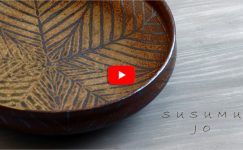
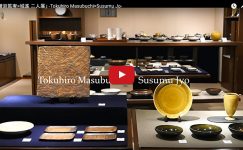
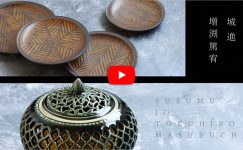
城進さんの仕事の様子を動画でご紹介しています。
是非ご覧ください。
≫城進さんの商品一覧はこちらから≪
関連記事はこちら