



English version of the interview here.
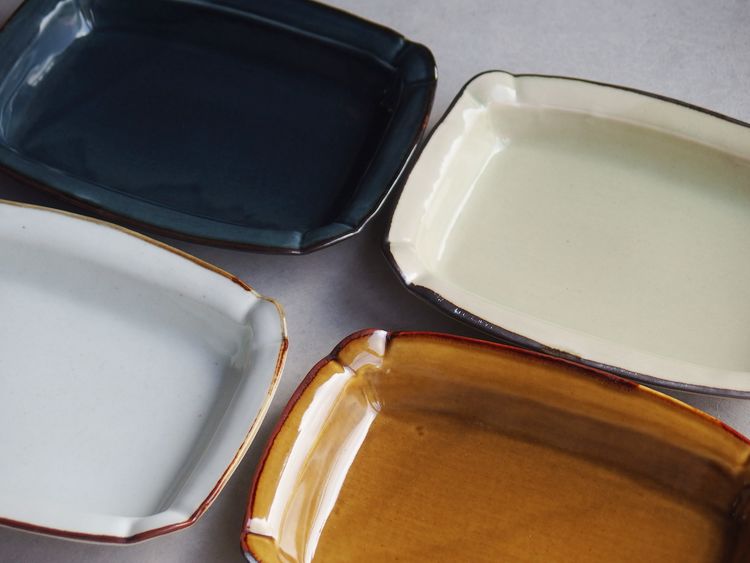
Can Be Used as Both a 7-inch Bowl and a 7-inch Plate
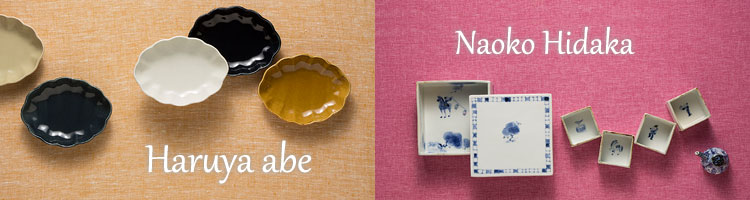
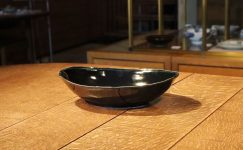
Hanada: I’d like to hear about your new pieces. First, this oval plate you call “Oval B.” It looks like a form that adds more depth to the large French-style oval dish you made last time.
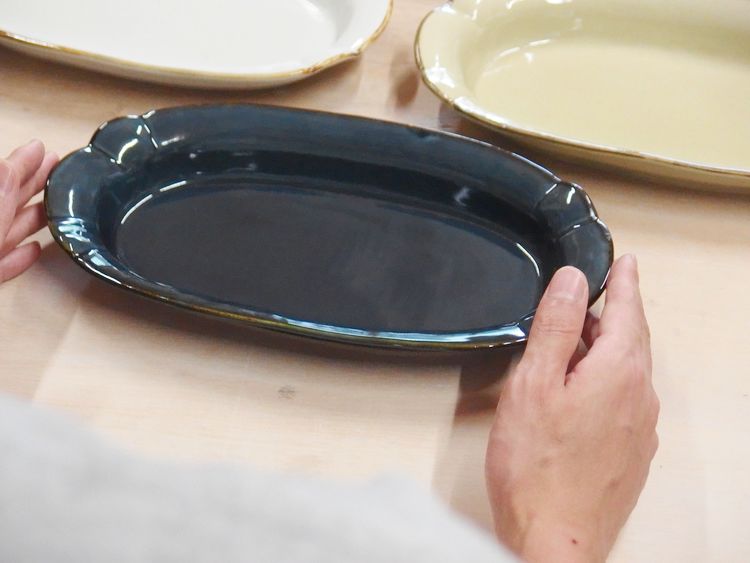
Haruya Abe: When I thought about today’s dining style, I felt it might be easier to use if I gave it a little more room. It can be used both as an individual plate and as a serving dish.
Hanada: How about the depth?
Haruya Abe: I made it deep enough to hold dishes with broth, and gave the rim a gentle curve. Even when it’s filled to the brim, it doesn’t look cramped — it keeps a nice sense of openness.
Hanada: I heard that at your home, you use it instead of a 7-inch plate — for pasta, curry, and so on.
Haruya Abe: Yes, it’s good for seared bonito too, or even roast beef— though we don’t eat it often(laughs). I think it can function both as a 7-inch plate and as a 7-inch bowl.
Hanada: Since it has some depth, it works as a bowl, but you could also treat it like a flat plate.
The “Fluffy” Feel
Hanada: What else do you particularly like about this piece?
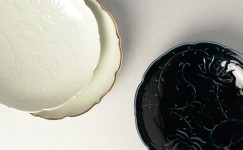
Haruya Abe: The kind of fluffy, relaxed form. I aimed for a shape that doesn’t feel too rigid. A slightly casual form feels just right when food is served.
Hanada: There are four colors. Which one do you prefer?
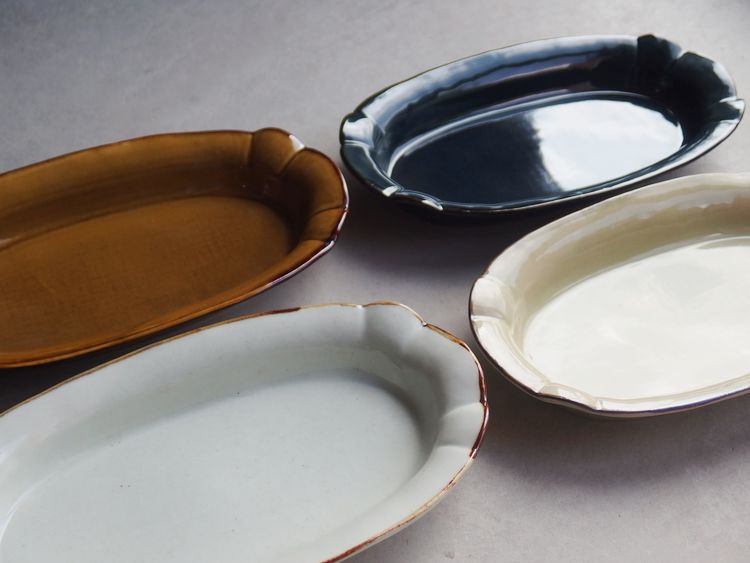
Haruya Abe: White is the easiest to use, but at home we use moegi (a soft green). When you serve food on it, the color blends in beautifully. The gentle tone goes well with any dish. It even looks surprisingly good with spiced curry.
Also Great as an “Onigiri Plate”
Hanada: What about this rectangular plate? Like the oval one, it makes use of that same rounded, soft form.
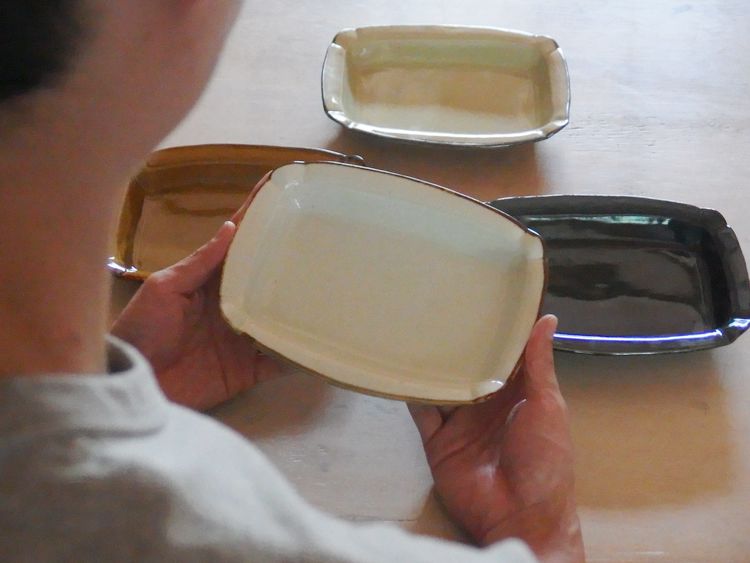
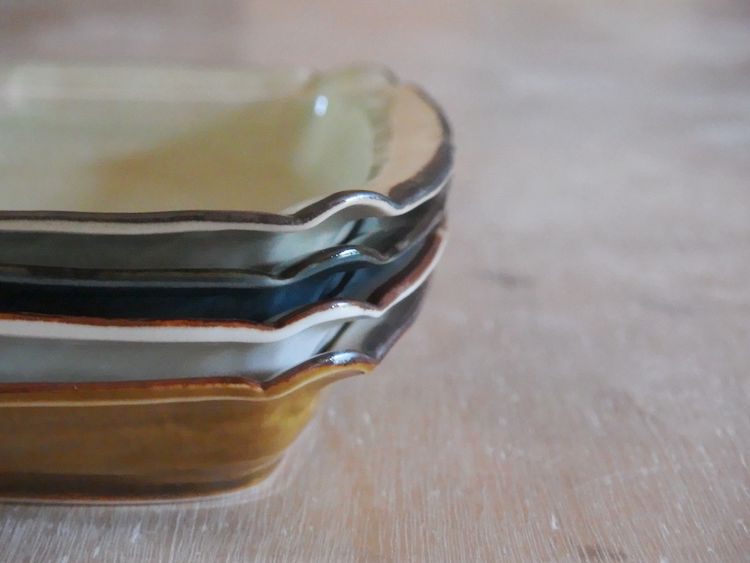
Haruya Abe: Until now, most of my pieces were round, so I thought I should make something square or oval. This one is about the size of a medium plate and has some depth. It feels refreshing to use this square shape as a small serving plate. It also works well as an onigiri plate, or for a one-plate breakfast — eggs, salad, and sausage, for example. And since it’s square, it doesn’t take up much space on the table.
Hanada: Since you have a family of four, you must have four of them.
Haruya Abe: Yes, one for each person. I also made sure they can be stacked easily.
Hanada: Anything else you paid attention to?
Haruya Abe: The thickness. It shouldn’t be too heavy, but it also shouldn’t feel fragile.
Maintaining the Same Presence Even When Downsized
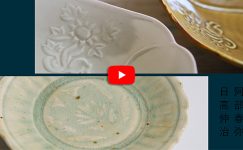
Hanada: This is your 5.5-inch peony-patterned plate. It’s a familiar motif, yet feels fresh. Why did you choose the peony design?
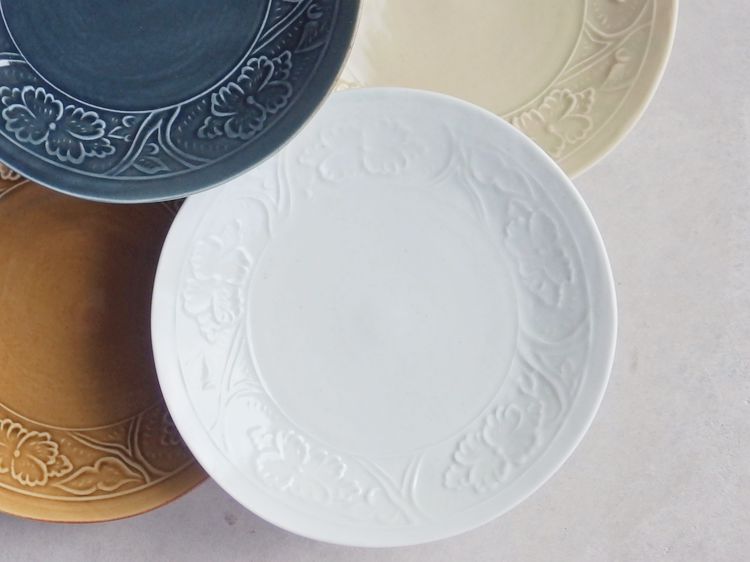
Haruya Abe: I simply love peonies, and even when the design is made smaller, it still keeps its charm. If I used a hōsōge (arabesque) pattern instead, it would have felt a bit too restrained.
Hanada: How was it recreating the plaster mold while reducing the size?
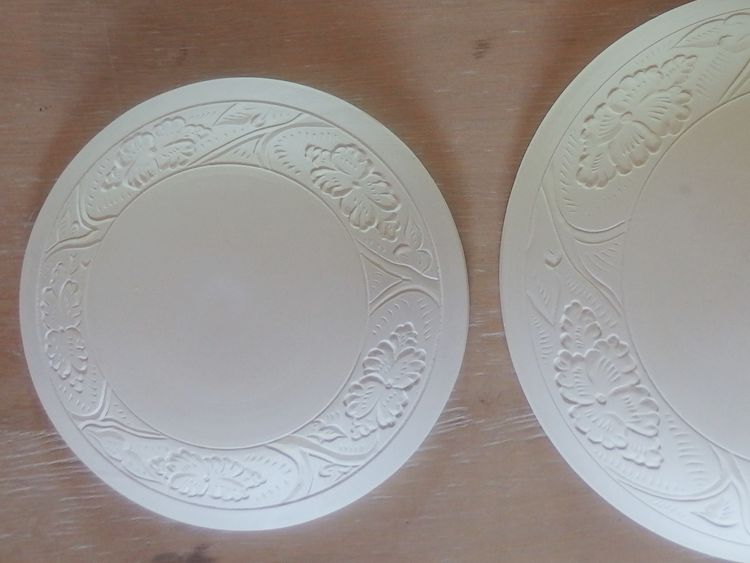
Haruya Abe: I had to be careful not to lose the original atmosphere of the peony motif. I kept the three-dimensional quality of the peony, and since it’s smaller, I made the branches and leaves more defined to preserve balance.
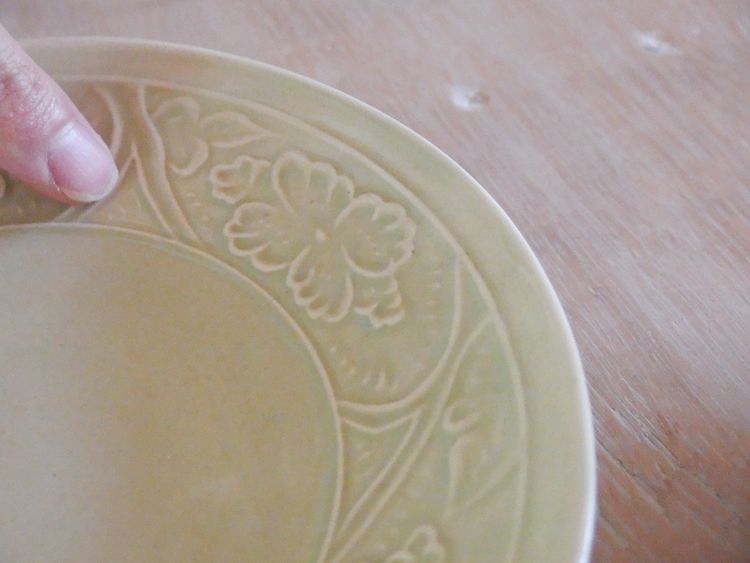
Hanada: I notice you used the “.5” size again.
Haruya Abe: Yes, I did (laughs). (In the previous interview, we talked about how many of his pieces come in half-sun increments — 3.5, 4.5, 5.5 inches, and so on.)
Smaller — Yet More Versatile
Hanada: Next, this small handled spouted bowl.
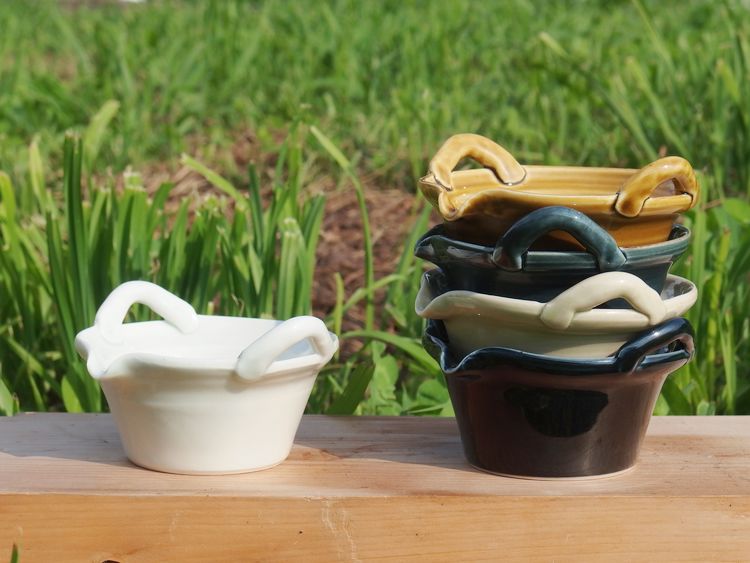
Haruya Abe: By lowering the height, it actually gained more presence. It’s great for small condiments or dips. Usually, making something bigger increases its versatility, but in this case, shrinking it actually made it more versatile.
Hanada: Not just for condiments or dips, right?
Haruya Abe: You can use it for miso or mayonnaise.
Hanada: Or vegetable sticks…
Haruya Abe: Or even for aonori (seaweed flakes) at a takoyaki party (laughs). It would also work well placed on a larger plate.
Hanada: Sounds like there are lots of fun ways to use it.
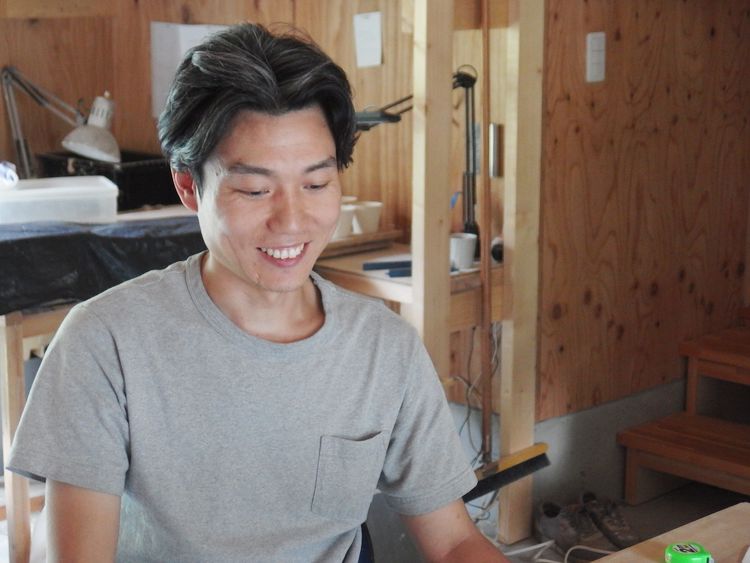
The Perfect Bowl for “Tamago Kake Gohan”
Hanada: Now, the “tamago kake gohan” bowl.
Haruya Abe: My special one (laughs).
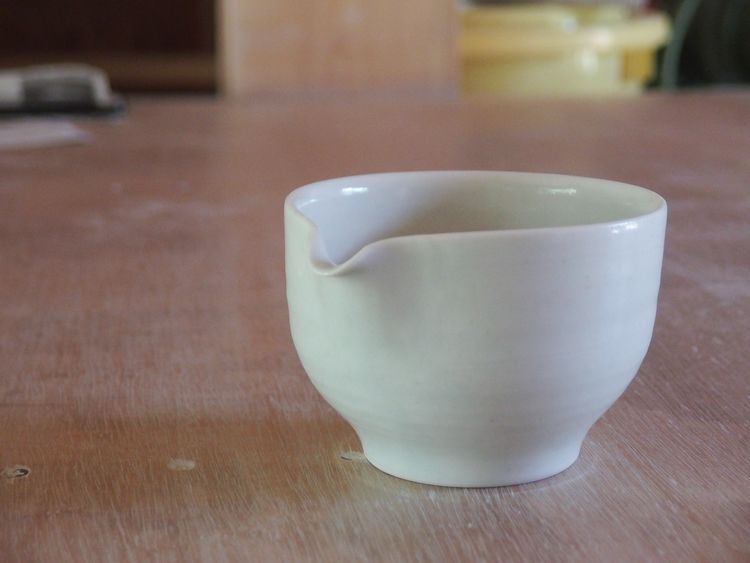
Hanada: It’s been about four years since you started making it, hasn’t it? We always say it deserves to be more widely known — between you and me (laughs).
Haruya Abe: (laughs) People should just give it a try. We actually use it all the time at home — morning, noon, and night.
Hanada: It’s a size and shape that’s surprisingly hard to find. And everyone loves tamago kake gohan.
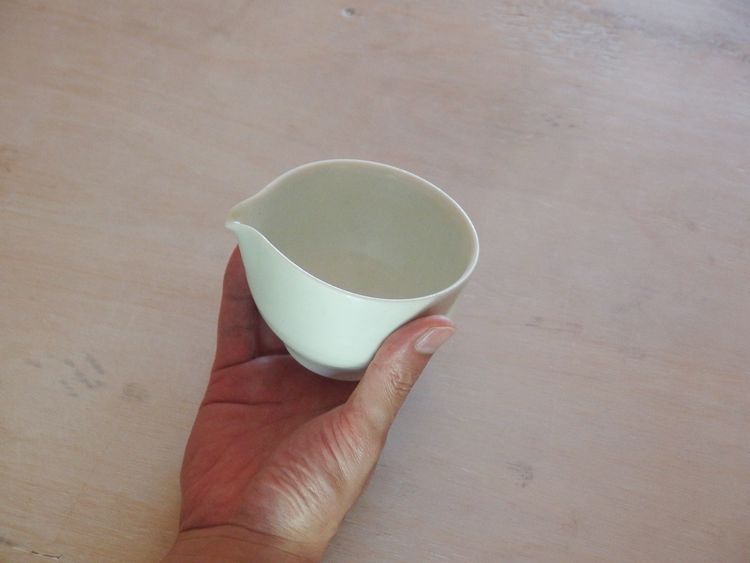
Haruya Abe: Exactly. Everyone loves it. In our house, we share the egg mixture, which is why it has a spout — to pour and share. Of course, there are other dishes on the table too.
Hanada: That’s what you wanted to make it for in the first place, right?
Haruya Abe: Yes, that’s exactly why I made it. You beat the egg, add soy sauce, and share it. It’s large enough for about two eggs. If the spout were too big, it would feel awkward to hold, so I adjusted the size and depth carefully.
Hanada: It’s such a convenient piece for tamago kake gohan. Now that more colors are available, I’m looking forward to them. Best of luck with the exhibition.
Haruya Abe: Thank you very much. I appreciate it.
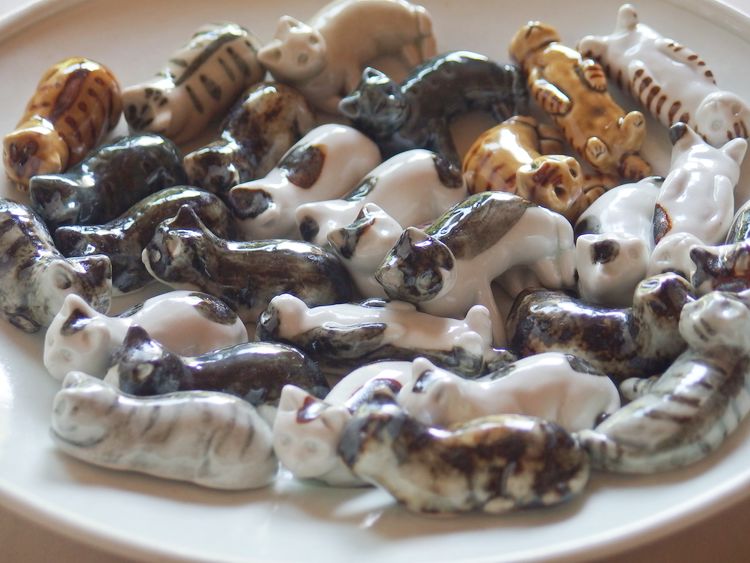
*Chopstick rest (cat) is available only in-store.
≪ END ≫
「7寸鉢」と「7寸皿」どちらでも
花田:今回の新作についてお話を伺いたいと思います。
まず、阿部さんがオーバルBと呼んでいるこちらのお皿です。
前回、フランスの大きめのオーバルディッシュを模してもらったものに、奥行きを加えたような形です。(以下花田-)
阿部:今の食生活を思い浮かべたとき
「もう少しゆとりを持たせたほうが使いやすいかな」と思いました。
銘々皿としても盛り皿としても使えます。
-:深さはいかがでしょうか。
阿部:汁物になっても使えるような深さをつけ、縁への立ち上がりを緩やかにしたので、ギュウギュウに盛り付けても見た目が窮屈にならずに、余白を確保できます。
-:阿部家でも、今は7寸皿の代わりに使っているそうですね。
パスタとかカレーとか…。
阿部:カツオの叩きでもいいですし、そんなに食べないですけどローストビーフとか(笑)。
立ち位置としては「7寸の皿と鉢」どっちの感じでもいけるのかなと思います。
-:深さがあるので、鉢として使うこともできるし、深さを無視して平皿としても使えそうです。
モコモコ感
-:このうつわで気に入っているところは他にありますか。
阿部:このモコモコ感というか…。決まりすぎないかたちを目指しました。
少しラフな形のほうが、料理を盛り付けたときにちょうどいいのかなって。
-:4色あります。阿部さんのお好みは何色でしょう。
阿部:白が一番使いやすいと思いますが、うちでは萌黄を使っています。
うつわだけで見ているより、料理を盛るとしっくりくるんですよ、この色。
色合いが優しいので、どんな料理ともけんかしないで受け止めてくれるかなって思います。
スパイス系のカレーなんか意外としっくりきます。
おにぎりプレートにも…
-:この長方皿はいかがですか。
オーバルと同じく、モコモコを活かしつつの形違いです。
阿部:今まで正円のものが多かったので「四角や楕円のものも必要だな」と思って作ったものの一つです。
中皿くらいのサイズ感で深さがありますが、この四角い感じで取り皿に使えるのが新鮮かなって。
あとは、おにぎりプレートや、朝食の卵とサラダとソーセージみたいなワンプレート。
四角は食卓で場所とらないですよね。
-:阿部さんは4人家族だから4枚ですね。
阿部:はい、人数分要ります。
スタッキングも効くようにしました。
-:他、工夫されたことはありますか。
阿部:厚みです。重くても良くないけど、不安を感じるような薄さもいけません。
雰囲気はダウンサイズしないように…
-:牡丹文の5.5寸皿です。見慣れた文様のはずなのに、新鮮です。
牡丹文を使われようと思ったのはなぜですか。
阿部:牡丹文が好きだということもありますし、この文様、小さくしても好きな雰囲気が残るんです。 例えばこれを宝相華文ですると「こじんまり感」が出てしまいます。
-:サイズを小さくしながら石膏型を起こし直す作業はいかがでしたか。
阿部:牡丹文の本来の雰囲気までダウンサイズしてしまうといけないので、
バランスには気を使いました。
牡丹文の立体感を残しつつ、小さくなった分、枝や葉のメリハリははっきりさせました。
-:そういえば、また.5で刻みましたね。
阿部:ええ、刻みました(笑)。
(前回のインタビューで、阿部さんのうつわには3.5寸、4.5寸、5.5寸など、.5寸刻みのサイズが多いことが話題になりました)
小さくしたら用途が広がった
-:続いてこちらの、手つき片口豆鉢です。
阿部:背を低くしたら、より存在感が出た気がします。
ちょっとした薬味やディップに使いやすくなりますね。
一般的には、大きくすると用途が広がりますが、これに限っては、小さくしたことで逆に用途が広がったような気がします。
-:薬味やディップだけではなく…。
阿部:味噌、マヨネーズ。
-:野菜スティック…。
阿部:タコ焼きパーティーで、青のりやら…。
プレートに置いても使えそうです。
-:色々楽しめそうですね。
とっておきの「たまごかけご飯」
-:さあ「たまごかけご飯」です。
阿部:とっておきの(笑)。
-:始めて、4年くらいになりますかね。
「もっと広まってもいいはず」ってずっと話しています、阿部さんと僕の間では(笑)。
阿部:騙されたと思って…(笑)。
これ、本当にウチでもよく使っていて、朝昼晩使える器ですよ。
-:意外と、ありそうでない大きさかたちだと思うんですよね。
たまごかけご飯、みんな好きですし。
阿部:みんな、好きだと思います。
それに、朝はたまごかけごはんだし、お昼はざるうどんのつゆだし、夜はサラダのドレッシングを作って…。納豆も…。
いや、この片口の部分に粒が残っちゃうかな(笑)。
混ぜやすいかなとは思います。
阿部:たまごかけご飯と言っても、うちは玉子をシェアするので、シェアするからこその片口なんです。オカズ、他にもありますから。
-:そもそも、それがしたくて作ったうつわですよね。
阿部:はい。そのために作ったんです。溶いて、醤油入れて、シェアできる。
二個くらいまでならいける大きさにしました。
で、片口は大きすぎると持つのが不安になるので、この径と深さになりました。
-:とにかく便利なたまごかけご飯です。色も増えましたので、楽しみです。
展示会もよろしくお願いします。
阿部:こちらこそよろしくお願いします。
※箸置(猫)は店舗のみでの販売となります。