







English version of the interview here.
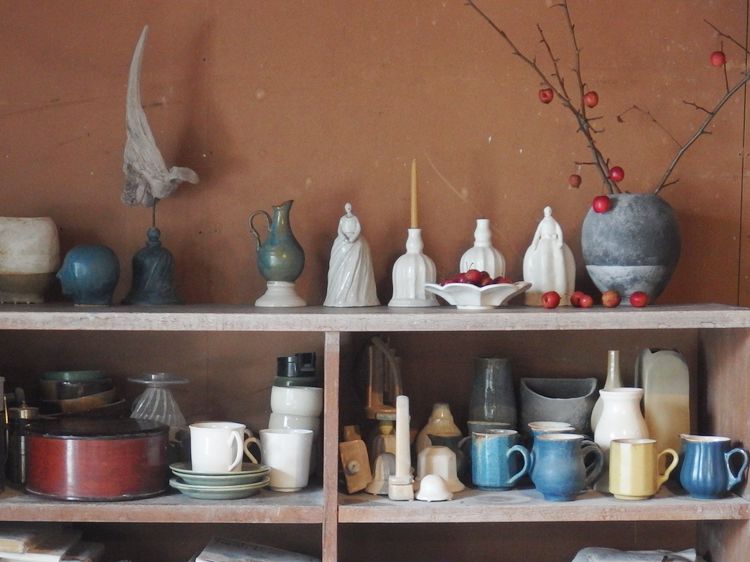
Into the World of Music
Hanada: Your father is also a ceramic artist.
Taichi Abe : My father trained under Kenji Funaki and later became independent in our hometown of Shimane. I remember playing with clay in his workshop as a child, but I never thought of it as my future profession. I intended to pursue music instead. After graduating from high school, I attended a music vocational school in Tokyo, and later my band at the time was signed to an agency.
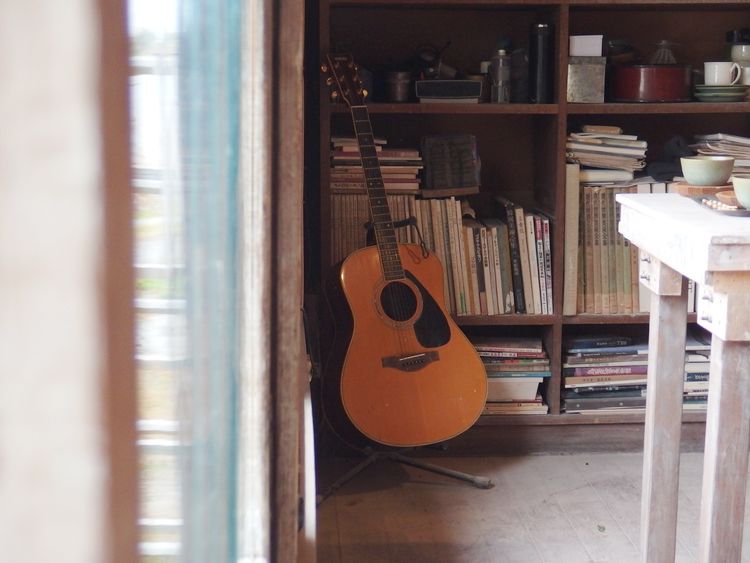
Hanada: That’s impressive—to be signed to an agency.
Taichi Abe : There was a very talented member in the band I was part of. It wasn’t because of me. There are many people who get that far. What’s difficult is being widely recognized afterward and continuing your activities.
Hanada: What kind of music were you playing?
Taichi Abe : It was British rock, which was quite popular at the time. Oasis, Radiohead, and so on.
From Music to Ceramics
Hanada: After your band activities, you moved into ceramics.
Taichi Abe : I started thinking about it in my late twenties. No matter the field, I want to express my own sensibility, so it felt like music was simply replaced by ceramics.
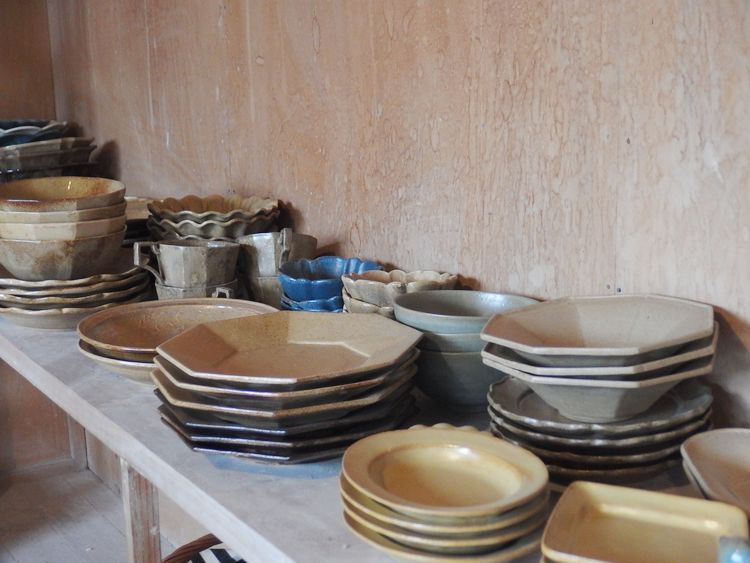
Hanada: So it’s just the medium that changed, not what you want to express.
Taichi Abe : Exactly. Around that time, the world of craft was also changing and becoming more open. At the same time, having watched my father’s work closely, I understood how difficult it is. You may gain attention temporarily, but continuing to create solid work while refining your technique and sensibility is by no means easy.
Hanada: That’s something you can truly feel having seen it up close.
The Meaning of “Good”
Hanada: And then you began your apprenticeship under your father.
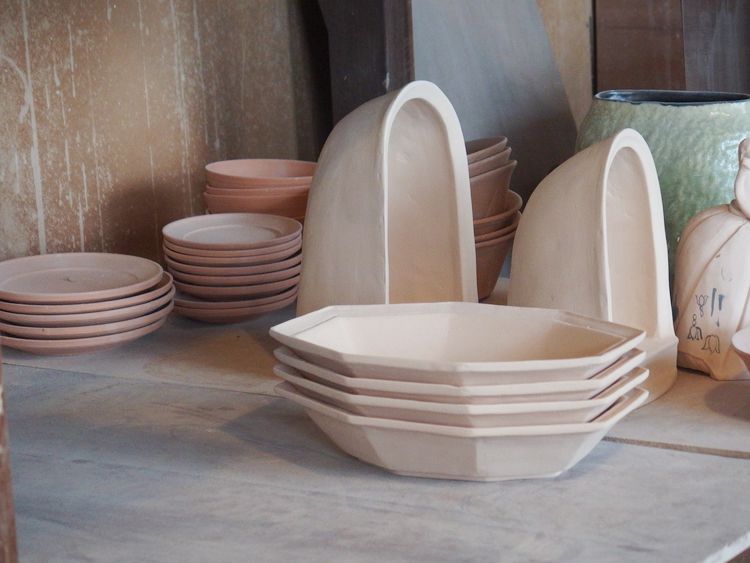
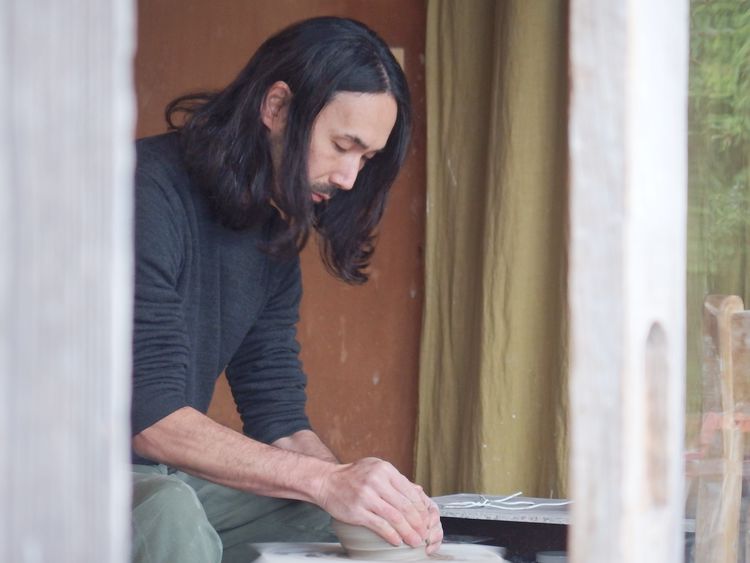
Taichi Abe : While learning techniques from my father, I also studied the history and theory of ceramics in museums and libraries. I tried to see as many so-called “masterpieces” as possible, not just the things I was personally interested in. I think I wanted to understand what “good” really means. But what I realized was that what I wanted to do and what has been historically valued were completely out of alignment… (laughs).
Hanada: How did those historically valued works appear to you?
Taichi Abe : I could understand them—the presence, the firing… I could see how remarkable they were. But I felt they weren’t something that came from within me. That applied not only to older works but also to the works of leading ceramic artists at the time. Highly regarded pieces carry a corresponding energy.
But that energy belongs to the maker themselves. No matter how skillfully you imitate such works, unless it comes from within you, it doesn’t feel like something you’ve truly created. At the time, it felt more like, “I should at least see these.” Then, after nine years, I became independent.
From Within Painting
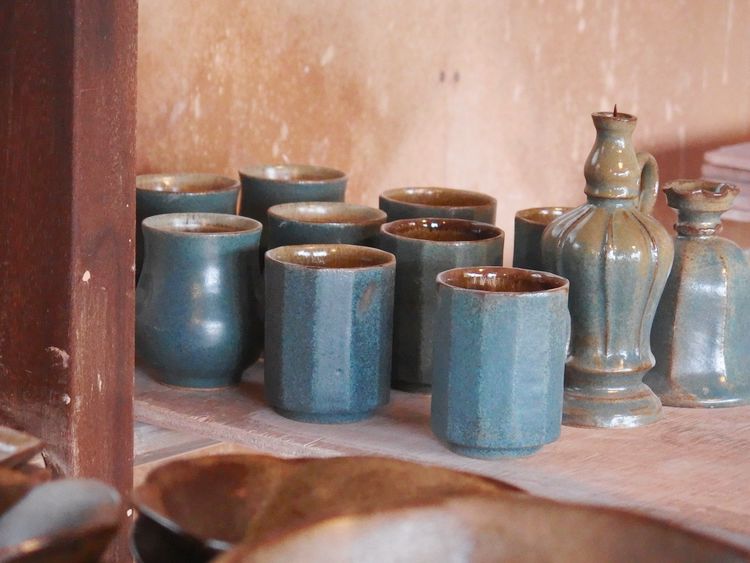
Hanada: Many of your current works evoke a European atmosphere.
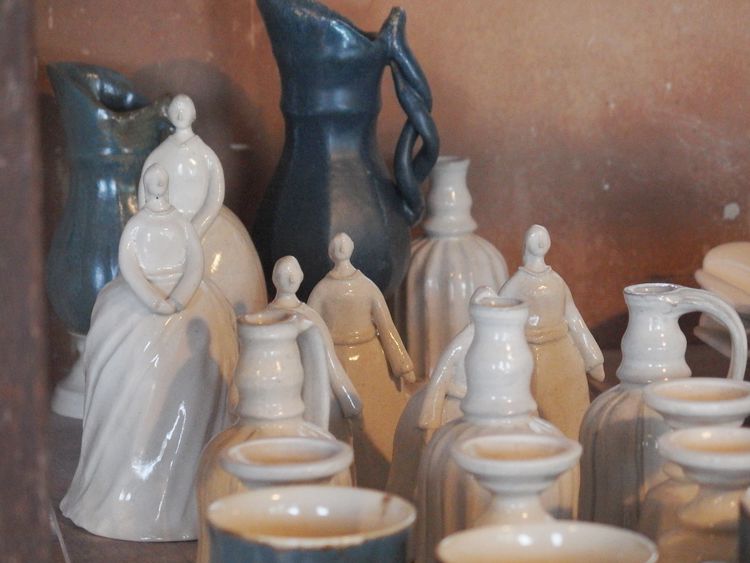
Taichi Abe : It’s not something I consciously aim for, but I’ve always liked Western painting and music, so that influence may come through.
Hanada: I see you also have a book of Coutelas in your studio.
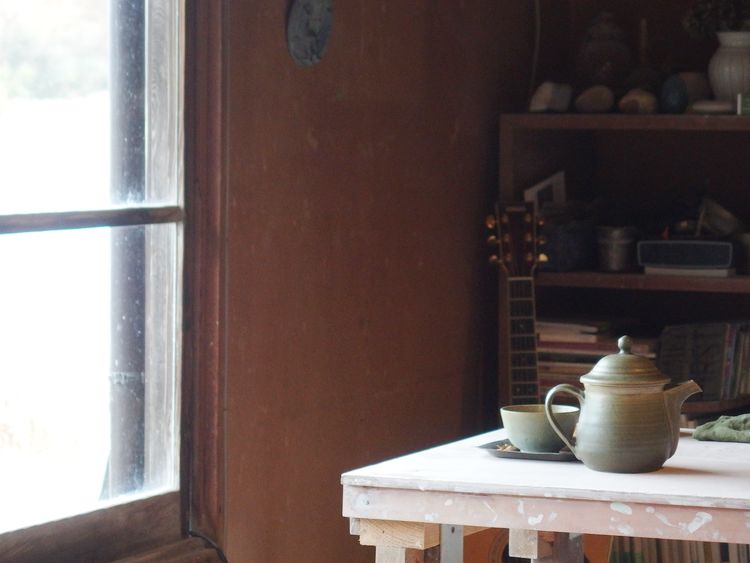
Taichi Abe : My great-uncle was a painter, and when I started studying ceramics, he shared many insights with me. This studio was actually his atelier. I love Coutelas and Morandi. I really enjoyed experimenting with how I might recreate ceramics depicted in paintings.
Hanada: So your starting point was within painting.
Taichi Abe : I do refer to antiques when shaping my work, but that wasn’t the original starting point. As for the practical making of tableware, it’s based on the techniques and knowledge I learned from my father, who worked as a craftsman.
Voices and Laughter Echoing in Quiet Stone Towns
Hanada: Do you travel to Europe often?
Taichi Abe : Three years ago, I went to Italy to study religious art. I wanted to experience the atmosphere of the country, the people who live there, the churches and their furnishings—not just as a tourist, but by staying there.
Hanada: Which areas did you visit?
Taichi Abe : Based in Florence, I visited historic towns such as Assisi, Arezzo, Lucca, Cortona, Orvieto, and Siena.
Hanada: In any country, those regional towns often preserve the character better than central cities.
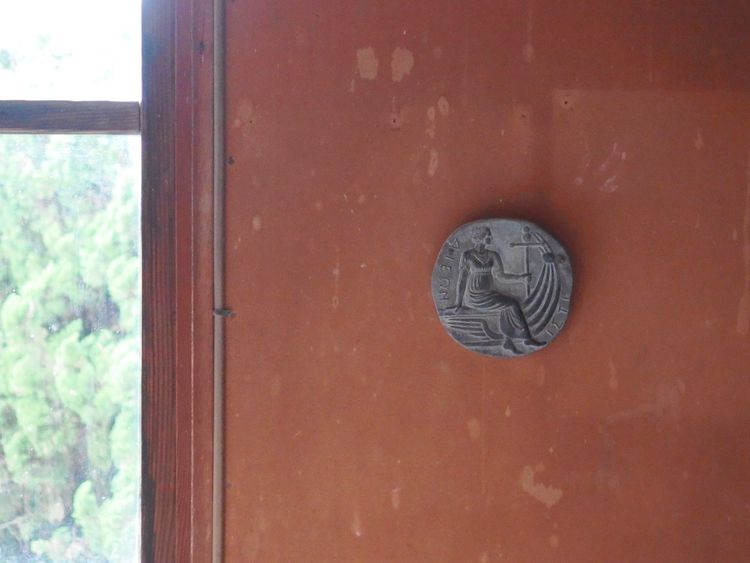
Taichi Abe : When you go to places like the Uffizi Gallery in Florence, there are many famous artworks. Many were created under political power to demonstrate the nation’s strength, often with religion as a backdrop, and their scale and quality are extraordinary.
There’s also an overwhelming sense of “look at this.” It’s fine for a quick visit as a tourist, but it was a bit different from what I was seeking. When you move away slightly to towns with old castles, the traditional stone streets are beautifully preserved, and the churches are modest. You can really feel them as places of prayer for the people who live there.
You can imagine people calming their minds there before returning to daily life. In reality, the hymns sung by nuns and the laughter of children overlap within these quiet stone towns, and I find that overall atmosphere very compelling.
Hanada: So you were able to feel the atmosphere you had imagined from paintings.
Taichi Abe : I think I was able to sense the gentle quality of light depicted by artists like Morandi.
Understanding Yourself More Deeply
Hanada: What is important to you in your work?
Taichi Abe : Making things with my own hands. After returning from Italy, I kept thinking about what it means to create something that comes from my own hands. I used to be asked what genre I belonged to. “Is it folk craft, tea ceramics, or lifestyle craft—where do you fit?” But isn’t it difficult to answer that yourself? I don’t start by deciding a genre.
When I begin from my own sensibility, it makes the act of creating very positive and freeing. That’s why I make both sculptural pieces and tableware. For me, “making with my own hands” includes all of that.
Hanada: In the past, systems—including education—often functioned by fitting individuals into predefined frameworks. Now, it seems more aligned with the times to refine what emerges from the individual.
Taichi Abe : Values have diversified, and people overseas are also interested. Recently, I’ve felt that categorizing into genres narrows one’s possibilities and isn’t very interesting.
Hanada: Today, if you choose to, it’s easier to act freely.
Taichi Abe : Even the way we listen to music has shifted to streaming. People in their twenties can say an old song is great, and we can appreciate music made by someone in their twenties. Letting go of distinctions like old versus new, trends, or what sells, and simply asking yourself whether you like something or not is very important. Whether it’s clothing or music, that process helps you understand yourself more deeply and refine your intuition.
Good Food and Meeting People
Hanada: Each of those experiences influences your making as well.
Taichi Abe : The process of creation is a series of decisions, all aiming toward making something good in the end. What matters is how accurately and confidently you can make those decisions. Which clay to use, when to stop the wheel… in daily life, there are times when mental instability can cloud judgment.
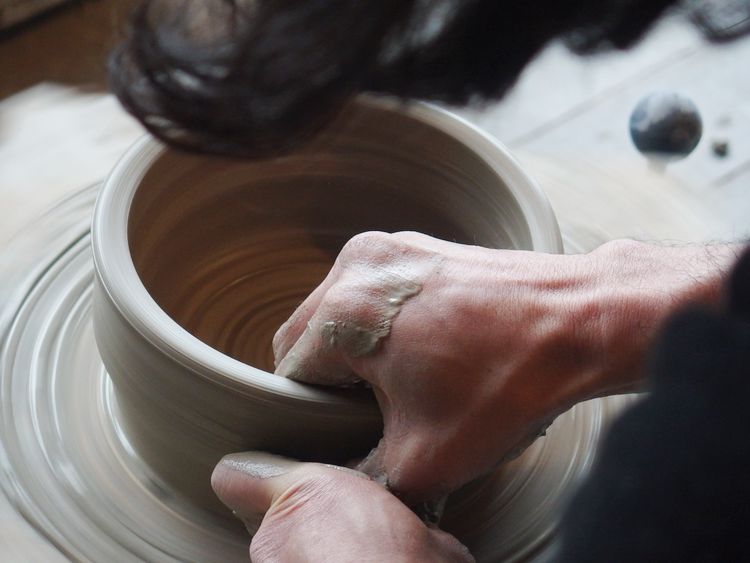
Taichi Abe : It’s like buying clothes you don’t even really want. While navigating such moments, refining your internal axis is fundamental to creating good work, and I think that process itself is enjoyable. Life experience is essential—listening to good music, eating good food, meeting people—and each of these connects to the act of making.
Looking Ahead
Hanada: What would you like to pursue going forward?
Taichi Abe : I want to continue pursuing what only I can do. Recently, I’ve also been thinking about trying DJing, and I’ve started gradually buying records of music I’ve listened to over the years. It’s not ceramics, but it’s something I’d like to explore (laughs).
Hanada: I’m looking forward to it. Let me know when you DJ. And best of luck with the exhibition.
Taichi Abe : Thank you very much.
≪ END ≫
音楽の世界へ
花田: 安部さんはお父様も陶芸のお仕事をされています。(以下花田-)
安部: 父は船木研児さんに師事し、地元の島根で独立しました。
子どもの頃、父親の仕事場の粘土で遊んでいたことは覚えていますが、将来の自分の仕事としては全く考えていなくて、音楽の道に進むつもりでした。
実際、高校卒業後は、東京の音楽専門学校に通って、その後、当時組んでいたバンドで事務所に所属していました。
-: 事務所に入れるなんてすごいですね。
安部: 組んでいたバンドのメンバーの中に才能のある人がいました。
ぼくの力ではありません。そのくらいまで行く人はたくさんいます。
その後広く認められたり活動を継続したりすることが大変なんです。
-: どのような音楽をやっていたのですか?
安部: そのころ多かったブリティッシュロックです。
オアシス、レディオヘッド…。
音楽から陶芸へ
-: バンド活動後、陶芸の世界に。
安部: 20代後半くらいから考えるようになりました。
どんな仕事でも自分の感性を表現していきたいと思っているので、音楽が陶芸に置き換えられた感じです。
-: 媒介が代わっただけで、表現したいことが変わったわけではないのですね。
安部: そうです。
ちょうどそのころ、工芸の世界も変わってきていて、開かれた世界になりつつもありました。
ただ、父親の仕事をずっと見ているから、難しさも分かる。
一時的に注目を集めることはできても、技術や感性を向上させつつ、しっかりしたモノを作り続けることは甘いことではありません。
-: 身近でずっと見ていればこその実感です。
「よいもの」の意味
-: そして、お父様のもとで修業を始められます。
安部: 父に技術を学びながら、美術館や図書館で陶芸の歴史や理論を勉強しました。
自分が興味あるものだけでなく「名品」と呼ばれるものをできるだけたくさん見に行きました。
「よいもの」の意味を確かめたかったのだと思います。
ただ、分かったのは、自分がやりたいと思っていることと、歴史的に評価されているものが完全にずれているなという…(笑)。
-: 安部さんには「歴史的に評価されているもの」がどのように見えたのですか。
安部: 理解はできるんです。風格とか焼きとか…すごいのはわかるんです。
ただ、「僕自身から出てくるものではないな」と思いました。
それは昔のものだけでなく、当時第一線で活躍されていた陶芸家の方々の仕事に対してもそうでした。評価されている作品にはそれ相応のエネルギーが感じられます。
それはその作り手自身のエネルギーであって、その作品を追いかけてどれだけ上手に真似しても、自分の内側から湧き出したものでない限り、自分で作るという実感がわかないというか。
まあ、当時は「見とかなきゃ」みたいな感じでした。
で、9年後に独立しました。
絵画の中から
-: 安部さんが今作られているものには、ヨーロッパの雰囲気を感じさせるものが多いです。
安部: 特に目指しているわけではないのですが、西洋の絵や音楽が好きだったので、その影響が出ているのかもしれません。
-: 工房には、クートラスの画集もありますね。
安部: 大叔父が画家で、陶芸の勉強をし始めたころ、色々な話をしてくれました。
この仕事場も大叔父がアトリエとして使っていた場所です。
クートラスやモランディ、大好きです。
絵画の中の焼き物を「こういう風に作ってみようかな」って試行錯誤するのがとても楽しかったです。
-: 起点は絵画の中にあるものだったのですね。
安部: 形に落とし込むときにアンティークを参考にはしますが、出発点がそこにあったわけではありません。
あと、食器としての実際の作りは、職人仕事をしていた父親から学んだ技術や知識がベースです。
静かな石造りのまちに響く歌声、笑い声
-: ヨーロッパにはたまに行くのですか。
安部: 3年前に、宗教美術の勉強をしたくてイタリアに行きました。
その国に流れる空気、そこで暮らす人々、教会やそこにある備品…、観光ではなくそこに滞在して感じてみたいと思いました。
-: どのあたりを訪問したのですか。
安部: フィレンツェを拠点に、アッシジ、アレッツォ、ルッカ、コルトーナ、オルヴィエート、シエナといった古い街に行きました。
-: どこの国でも、中心部より、地方のそういう町のほうが、国柄は残っていますよね。
安部: フィレンツェのウフィツィ美術館なんかに行くと、有名な美術作品がたくさんありますよね。
宗教を背景に、国の力を誇示するために政治の力で美術品ができた経緯もあるし、スケールもクオリティもすごいんです。
「どうだ!」という威圧感もすごいんですよ。
観光でサラッと見るにはいいんでしょうけど、自分が求めていたものとは少し違いました。
少し離れて、古い城のある町なんかに行くと、昔ながらの石造りの町並みがきれいに残っているし、教会もこじんまりしていて、そこで暮らす人々にとっての祈りの場としての空気も現実として感じます。
人々がそこで心沈めて、また日常生活に戻っていく風景を想像できます。
実際にシスターたちの歌う聖歌や子供たちの笑い声が、静かな石造りのまちに重なってきて、そういう全体の空気がすごく好きなんです。
-: 絵から想像していた空気を感じることができたのですね。
安部: モランディなんかが描く光の優しさを感じられたと思います。
自分のことを深く知る
-: 仕事をする上で、安部さんが大事にしていることを教えて頂けますか。
安部: 自分の手で作ることです。
イタリアから帰ってきて考えたのは「自分の手から生まれてくるものって何だろうか」ということです。
以前はよく、ジャンルを聞かれました。
「民芸とか、茶陶とか、生活工芸とか色々あるけど、君はどこなの」って。
でも、それに自分で答えるのって、無理がありませんか。
ジャンルを決めてから制作しているわけではありませんから。
自分の感性を出発点にしていると、作ることに対して、すごくポジティブになれるし、自由になれるんですよ。
だから、僕はオブジェも作るし、食器も作る。
僕にとって「自分の手で作る」というのはそういうことも含みます。
-: 以前は教育も含めて個人を枠にはめることが、機能していました。
今は個人から出てきたものを磨くほうが、時代に合っているような気がします。
安部: 価値観も多様化しているし、海外の人だって興味を持ってくれる。
「ジャンル分けは自分の可能性を狭めるようであまり面白くないな」というのが最近思う所です。
-: 今はその気になれば、人々が自由に行動しやすい環境があります。
安部: 音楽の聴き方も、ストリーミングの時代です。
古い曲を20代の子が「いい!」と言うし、20代の子が作ったものを僕らが好きになることもあるわけです。
そういう、古い新しいとか流行り、売れてる売れてない、あらゆる枠や先入観をなくして「好きか嫌いか」を自分に問うことは、とても大事なことで、-服でも音楽でも-自分のことを深く知り、直観を磨くということにつながっていくと思います。
美味しいものを食べること、人と会うこと
-: そういう一つ一つが、もの作りにも影響を及ぼしていくのですね。
安部: 制作工程は、一つ一つの判断が積み重なって最終的にいいものを作ろうというのが目標ですから、その判断をどれだけ迷いなく正確にできるかが大切です。
どの土を使うか、どの形でロクロをとめるのか…生活の中では精神的に不安定になって、判断が鈍ることもあります。
安部: 思わず着たくもない服を買うのと同様に。
そういうこととも付き合いながら、自分の中での軸を正確にしていくことが、良いものを作ることの根底にあって、その道のりが楽しいのかなとも思います。
社会経験も必要だし、いい音楽を聴くこと、美味しいものを食べること、人と会うことも大事だし、それら一つひとつが制作につながっています。
これから
-: これからやっていきたいことは、何かありますか。
安部: 自分にしかできないことを追求していきたいと思っています。
あと、最近、DJをやってみようと思って、今まで聴いてきた音楽をレコードで少しずつ買い直しています。
陶芸ではないけれど、これからやってみたいことではあります(笑)。
-: 楽しみです。DJやるときは呼んでくださいね。
展示会もよろしくお願いします。
安部: こちらこそよろしくお願いします。
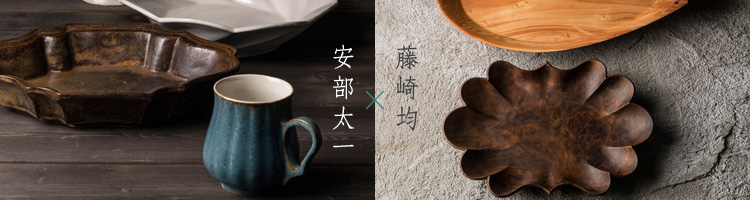
▼ WEB限定 安部太一×藤崎均 二人展のうつわはこちら ▼
関連記事はこちら