



English version of the interview here.
The Past Two Years
Hanada: This is your first exhibition in two years. When we last spoke, you mentioned wanting to pursue what only you can do. Interestingly, you also said you wanted to try DJing.
Taichi Abe : As for DJing, I’ve had a few opportunities to do it locally. There were plans to do something in Tokyo as well, but with the changes in the social situation, it was put on hold.
Hanada: That’s understandable.
Resuming Music Production
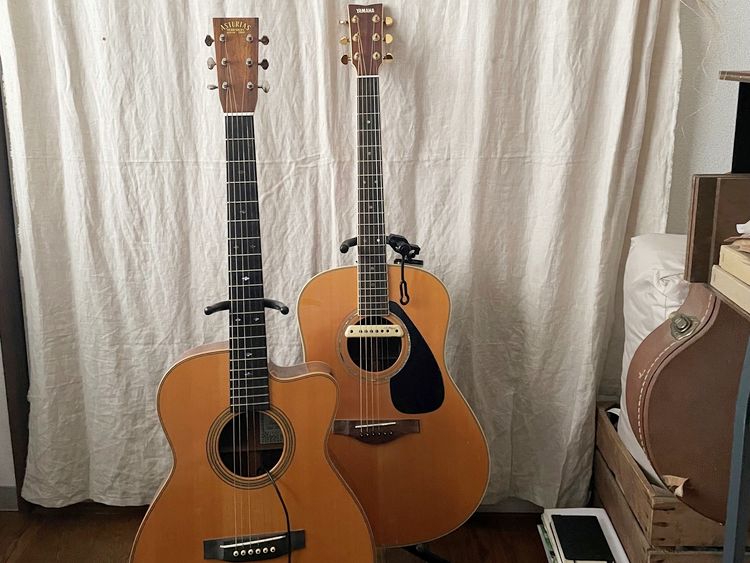
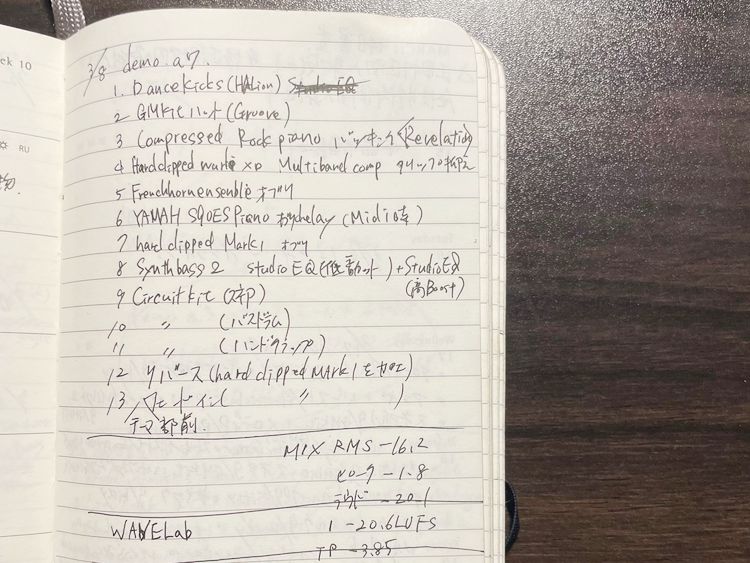
Taichi Abe : This continues the topic of hobbies, but given the situation, I’ve been spending more time at home, and I’ve resumed making music, which I used to do. Nowadays, there are platforms like Spotify and Apple Music where you can release your work independently, and you can also handle mixdowns and mastering on your own PC.
Hanada: When you decide to do something, as long as you have the motivation, it’s become much easier to approach it at your own scale and in your own way. That’s one of the things I like about this era.
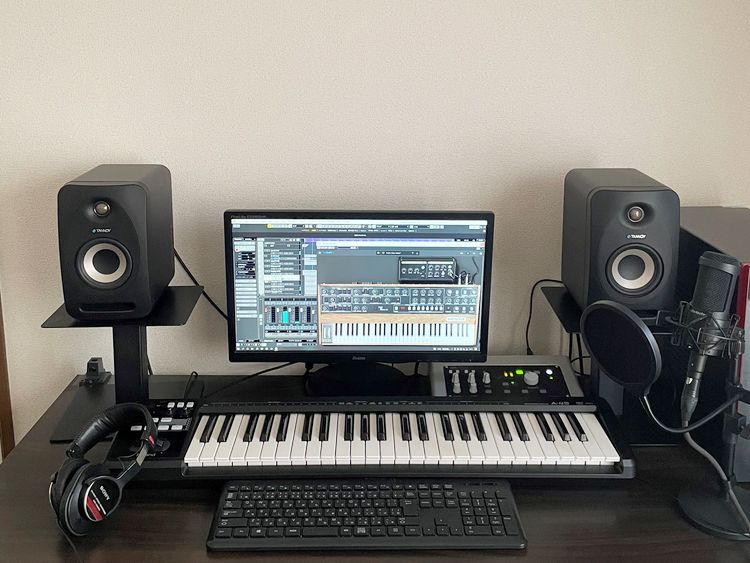
Taichi Abe : When I was in my twenties, it was a large-scale process—renting an expensive studio and hiring a mastering engineer—but now, much of it can be handled depending on how much you learn.
Hanada: What instruments do you use to compose?
Taichi Abe : Various ones—guitar, keyboard, and so on.
Hanada: Is there anywhere we can listen to your music?
Taichi Abe : If you search for “Taichi Abe” on Spotify and similar platforms, it should come up. I’d be happy if those who appreciate my work could enjoy it as well.
Hanada: I’m sure people will be delighted. Some might even be surprised.
Taichi Abe : For people who are interested in my work, my musical style might not necessarily align. But that, too, is part of who I am. I think it’s perfectly fine for someone working in ceramics to also be making that kind of music. Above all, I genuinely enjoy doing it.
Hanada: I think it will broaden people’s sense of possibility as well.
Taichi Abe : That would make me even happier.
Church and Electronic
Hanada: For you, it’s all completely connected, isn’t it?
Taichi Abe : From the outside, music might look like just a hobby, but for me, I intend to explore it seriously. In terms of “expression,” I think they influence each other in both directions in a positive way.
Hanada: You mean internally?
Taichi Abe : Yes. For example, I’ve stopped overthinking things. Before, I used to think, “People who sense something like a ‘church-like image’ in my work might be surprised if they heard my electronic music.” I was constrained by a version of myself that I had arbitrarily defined, thinking, “Since people see me this way, doing something different might not be true to who I am.”
Hanada: I imagine that way of thinking can feel comfortable and stable in some ways.
Taichi Abe : But in reality, while I like pipe organs, I also listen to things like YMO (laughs). Breaking the image I had of myself meant dismantling that sense of comfort from the ground up, which took some courage, but the sense of release afterward has felt very positive for me.
Hanada: Have you felt that in your actual creative work?
Taichi Abe : Even when making the same kinds of pieces as before, they feel more relaxed and natural. Of course, it makes me happy that people use and enjoy them, but I’ve also come to enjoy the act of creating itself more. As a result, my approach to my work has become more flexible and open.
What Is Truly Necessary
Hanada: Perhaps it’s something you were able to reassess precisely because of the current situation.
Taichi Abe : It’s a “restart,” I’d say.
Hanada: Has the way you use your time changed as well?
Taichi Abe : I go out less now, and I spend much more time with my family. The way I maintain relationships has changed too… and I’ve stopped drinking alcohol.
Hanada: It’s been an opportunity to reset many things.
Taichi Abe : I’ve started thinking about what is truly essential for me going forward, and I try to spend my time accordingly.
A Changing Sensibility
Hanada: In terms of your work in ceramics, how do you envision your future?
Taichi Abe : At the risk of being misunderstood, although I am someone who makes things, I’ve begun to lose the sense that I “make objects to be bought.” While that may literally be the case, it no longer feels like “objects moving from maker to user.”
Rather than me creating something and having it received one-sidedly, it feels more like a shared existence with those who use it—like I am sustained by the act of it being received…
It’s difficult to put into words, but that’s the feeling. I want to move away from a one-way approach of “this is my expression—look at it.”
Hanada: We have a similar theme in retail as well.
If it ends as merely a place where objects and money are exchanged, then there’s no need for a shop.
Even if we replace it with words like “to convey,” the reality is the same. I want to pursue the richness that exists beyond that— including the time spent choosing and using these pieces.
Taichi Abe : I feel that if a mutual relationship develops that goes beyond simply exchanging money and objects, then good things will naturally circulate.
Please Take Care
Hanada: Ideas like “mutuality” and “circulation” seem likely to expand and deepen your world.
Taichi Abe : I hope that the everyday lives of ordinary people—those who may not be familiar with the world of craft, who cook meals and eat with their families each day—can be enriched.
Also, rather than choosing something based on others’ evaluations or the status of being a rare piece by a popular maker, I want people to first discover what truly brings them joy. Even something that may seem to have no value to others can make you incredibly happy once you take it home. It’s not anything particularly lofty, but when you use something at your table that you feel was genuinely right for you, it’s very enjoyable, isn’t it?
If that improves the atmosphere at home or even reduces arguments (laughs), then that’s what gives meaning to my work. Simply put, I want people to enjoy using them. I want them to use them freely, in whatever way feels right to them. You often see “please take care of yourself” at the end of emails— it’s exactly that. In the same way, I want people to value what they love. And it makes me happy to see that bring them energy.
Toward the Exhibition
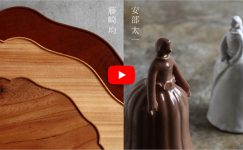
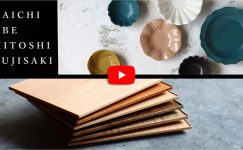
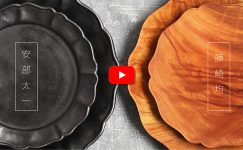
Hanada: I’m really looking forward to your upcoming two-person exhibition with Hitoshi Fujisaki. You must be in the middle of preparations.
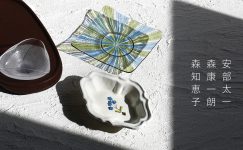
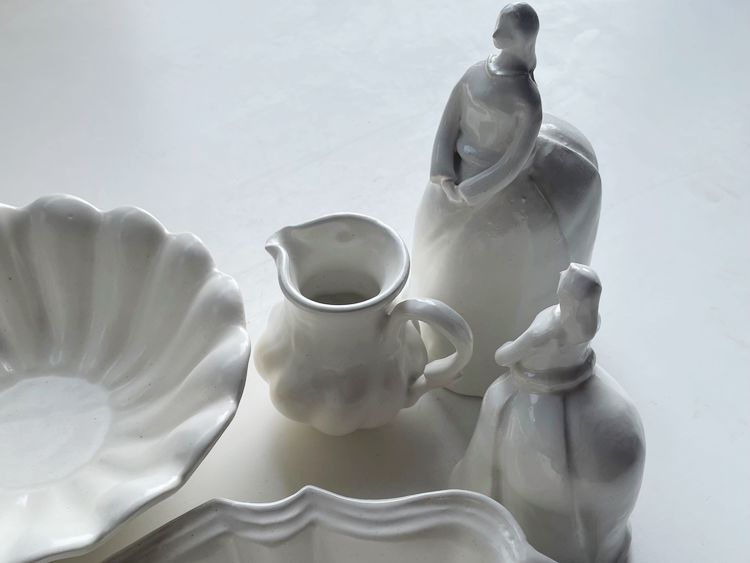
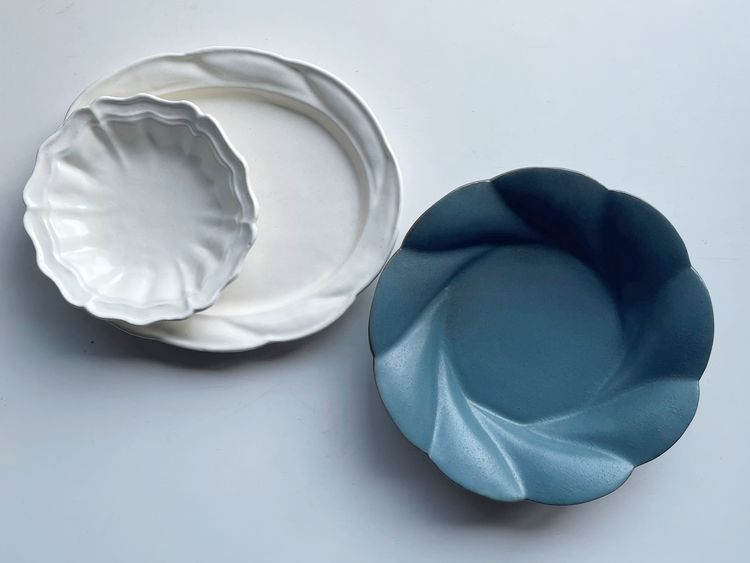
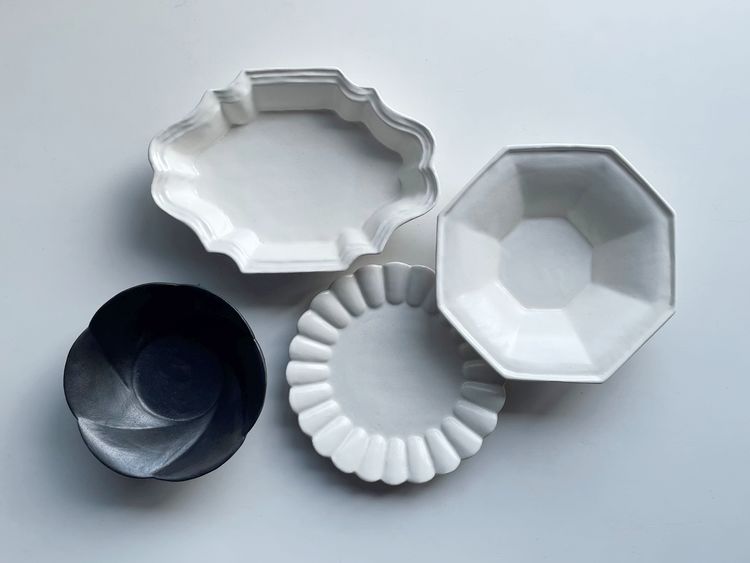
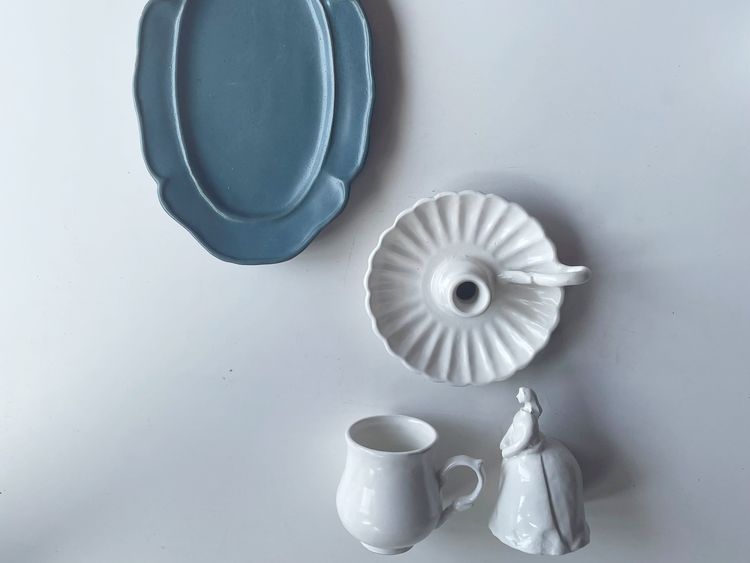
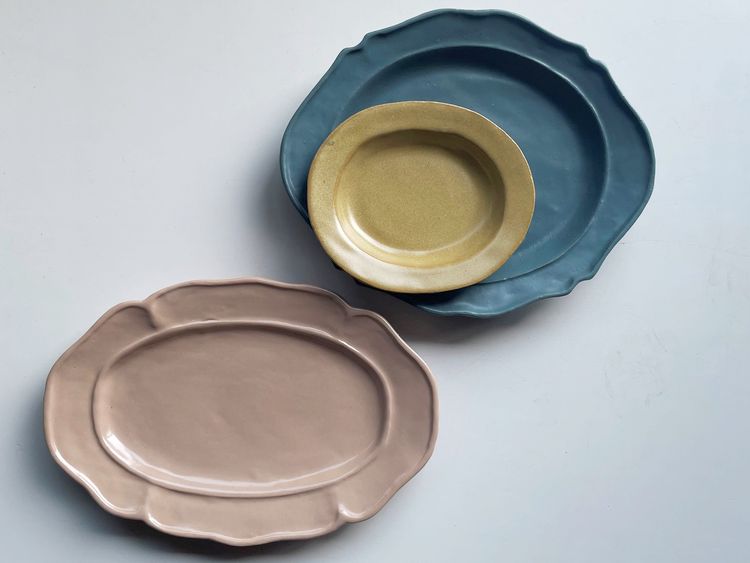
Taichi Abe : I’ve just finished the bisque firing. Of course, tableware will be the main focus, but I’m also making figurines. This time, I want the overall tone to be brighter, with white making up about 60–70 percent. I’m also planning to include a small amount of beige, which I’ve been working on recently.
Hanada: I’m looking forward to it.
Taichi Abe : As I explored soft intermediate tones, I arrived at this color, which blends into the overall palette while gently harmonizing the whole.
Hanada: I’m looking forward to the exhibition. Thank you in advance.
Taichi Abe : Thank you as well.
≪ END ≫
この2年
花田:2年ぶりの展示会です。
前回お話を伺ったときは「自分にしか出来ないことを追求していきたい」と。
興味深いところでは「DJをやりたい」といったお話もありました。(以下花田-)
安部:DJですが、地元では何回かできました。
東京のほうでも話は進んでいたのですが、社会状況も変わってきて、一旦中止になりました。
-:無理もないですね。
作曲の再開
安部:趣味の話が続いてしまうのですが、こういう状況で自宅の時間も増えましたし、元々やっていた音楽作りを再開しました。
今は、SpotifyやApple Musicみたいに自分で発表できる場がありますし、自分のPCで、ミックスダウン、マスタリングできる環境もあります。
-:何かをしようとした時に、その気さえあれば自分なりの規模、自分なりの始め方で取り組みやすくなりましたよね。
今の時代の好きなところです。
安部:僕が20代の頃は、高いスタジオを借りて、マスタリングエンジニアに頼んで…って、大がかりでしたが、今は自分の勉強次第で多くを解決できます。
-:曲はどの楽器で作るのですか。
安部:色々です。ギターだったり、キーボードだったり…。
-:どこかで曲は聞けますか。
安部:Spotifyなどで「Taichi Abe」で検索してもらえば出てくると思います。
僕のうつわを見ていただいている方にも楽しんでもらえたらなと思います。
-:皆様、喜ばれるでしょうね。聞かれて驚かれる方もいらっしゃるかもしれません。
安部:うつわ好きの人と僕の音楽性だと、リンクしない部分もありますからね。
でも、それも含めて僕であるということです。
陶芸やりながらああいう音楽をやっている人間がいてもいいんじゃないかなって。
何より、やっていて自分自身が楽しいので。
-:お客様の夢も広がると思います。
安部:それならなお嬉しいです。
教会とエレクトリック
-:安部さんの中では、完全につながっている話ですものね。
安部:他から見れば、音楽は趣味に見えると思いますが、僕としては本気で掘り下げていくつもりです。「表現」という意味では双方向にいい影響を与えていると思います。
-:内面の部分ですか。
安部:はい。例えば、物事を難しく考えなくなりました。
これまでは「僕のうつわに対して、特に『教会のイメージ』のようなものを感じている方が、僕のエレクトリックな音楽を聞いたら驚かせてしまうかもしれない」なんて考えていたんです。
「自分は他人にこう思われているから、違うことをやったら自分らしくないんじゃないか」と、自分で勝手に決めた自分らしさに、自分が縛られていたようなところがありました。
-:そうしていると、楽だし、落ち着く部分もあるのだと思います。
安部:でもね、実際はパイプオルガンもいいけど、YMOなんかも聞いているわけです(笑)。
自分で描いている自分自身を壊すという作業は、楽だった部分を足元から崩すことにもなるので、わりと勇気のいることですが、そのあとの解放感が自分にとって、とてもいい方向に感じられるようになりました。
-:実際、モノづくりをしていて実感されることはありますか。
安部:これまでと同じものを作っていても、ゆったりと自然なものになっていく気がしています。
もちろん皆様に使っていただくことや喜んでいただくことも嬉しいのですが、制作行為そのものともより楽しく付き合えています。
結果、仕事への向き合い方もより柔軟で、開放的になってきました。
必要なものは何か
-:こういう社会状況だからこそ、見直せた部分なのかもしれません。
安部:「リスタート」ですね。
-:時間の使い方も変わられたのではありませんか。
安部:外出が減って、家族との時間もめちゃくちゃ長くなりました。
人間関係の持ち方も、変わったというか…、お酒も飲まなくなりました。
-:色々なものをリセットする機会になりましたね。
安部:「これからの自分にとって本質的に必要なものが何か」を考えて、その上で時間を過ごすようになりました。
変わっていく感覚
-:陶芸の仕事について、安部さん自身「これから」をどのように描いているのですか。
安部:誤解を恐れずにいうと、僕は作る人間ではありますが「ものを作って買ってもらう」という感覚がなくなってきています。
実際の光景を見ればその言葉通りではあるものの「ものが作る人から使う人へ移動する」という感じではなくなっています。
僕が作って一方的に受けとめていただくのではなく、使ってくれる方々と一心同体というか「受け取ってくれることによって僕が成り立っている」というか…、分かりやすく言葉にできないのですが、そんな感じです。
「僕がこう表現したい」「見てくれ」という一方通行をやめたいんです。
-:店も同じようなテーマを抱えています。
モノとお金の交換の場で終わってしまったら、お店なんて必要ないんです。
「伝える」みたいな言葉に置き換えたとしても、実態は一緒です。
僕はその向こうにある豊かな時間を追っていきたいと思っています。
それはうつわを選んでいる時間も、使っている時間も含めて。
安部:お金とモノのやり取りだけでは無い相互関係ができてきたら、いいものが巡ってくるのではないかなという感覚はあります。
ご自愛ください
-:「相互」だったり「循環」だったり…、そういう要素は安部さんのうつわの世界を広げ、深めていきそうです。
安部:「工芸的」な世界をあまり知らない普通の人たち―普通に毎晩ご飯を作って、家族と一緒に食べているような―の日々の生活が輝くと嬉しいなと思います。
それと、誰かが良い評価をしているものや、人気作家の希少品といったステイタスではなく、自分自身が本当に喜べるものをまず探り当ててほしいです。
他人にしてみたら何の価値もないようなものでも「買って帰ったらすごくうれしかった」みたいなことってありますよね。
そんなに高尚なものでもないのですが「自分にとって本当に良かった」と思えるものを食卓で使うとすごく楽しいじゃないですか。
それで家庭の雰囲気がよくなったり、喧嘩が減ったり(笑)、そうことこそ、僕の仕事に意味を与えてくれるものです。
簡単に言えば「とにかく、楽しんで使ってもらいたいな」と。
自分が思うように、好きなように、自由に心地よく使ってほしい、そんな風に考えています。
よくメールの文末に「ご自愛ください」なんて書きますよね。
まさにそれです。それと同じように、自分の好きを大事にしてほしい。
それで、その人が元気になっているのを見るのは嬉しいです。
展示会に向けて
-:今度の藤崎均さんとの二人展がますます楽しみになってきました。
展示会に向けて制作の真っ最中ですよね。
安部:今、素焼きを終えたところです。
もちろん食器が中心ですが、人形も作っています。
今回は全体的に明るいトーンにしたいと思っていて、白が6-7割です。
ほんのわずかですが、最近取り組んでいるベージュも加えようと思っています。
-:楽しみです。
安部:優しい中間色を探っている中で、全体のトーンの中に入ってもうまく全体を中和してくれそうなこの色に行きつきました。
-:展示会、楽しみにしています。
よろしくお願いします。
安部:こちらこそ、よろしくお願いします。
関連記事はこちら