









English version of the interview here.
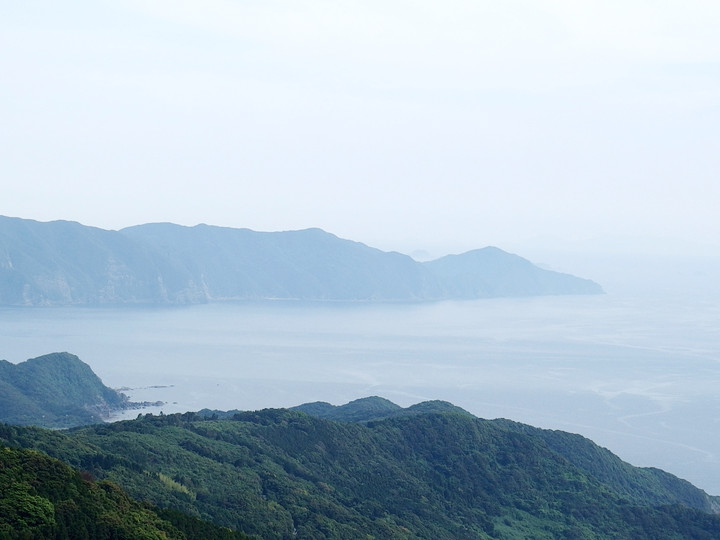
Amakusa: A Place to Be Free
What kind of place is Amakusa, the town where he was born and raised, and also the base for his creative work, to Takashi Yomiya? We sat down with him to find out.
Nature, Daily Life, and People
Hanada: You were born and raised in Amakusa, and after training in Karatsu, you decided to return here.
Takashi Yomiya : To be honest, I just happened to come back to my hometown by chance, but Amakusa has always been a comfortable and favorite place of mine to live.
Hanada: Amakusa is rich in nature.
Takashi Yomiya : Nature remains untouched here; both the sea and mountains are beautiful. Food is also abundant.
Hanada: It allows you to lead a healthy daily life without any undue stress.
Takashi Yomiya : Exactly. We get to eat fresh catch and harvest every day—both vegetables and fish.
Hanada: How would you describe the disposition of the local people?
Takashi Yomiya : To put it nicely, they don’t worry about things too much. To put it bluntly, I sometimes think they should care just a little bit more (laughs).
Hanada: (Laughs) Everyone seems very cheerful, though.
Takashi Yomiya : Now that you mention it, yes, everyone is very bright. They are also kind to the point of being a bit meddlesome (laughs).
I Prefer Freedom
Hanada: How do you perceive the influence of Amakusa on your craft?
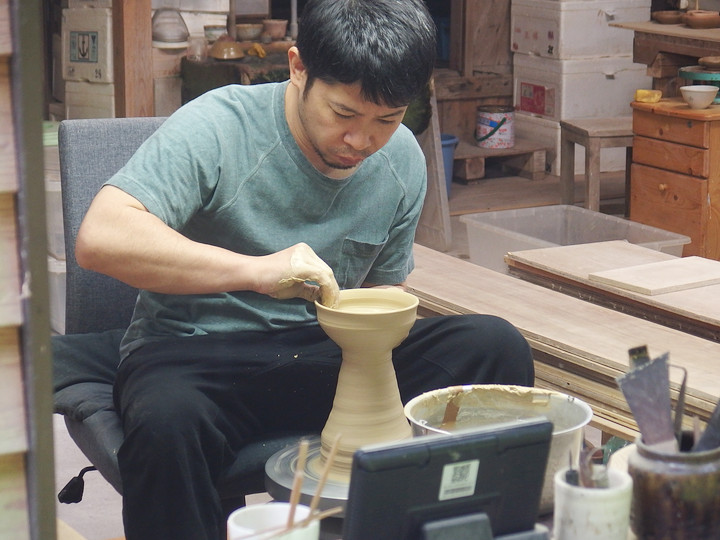
Takashi Yomiya : Of course, the foundation of my technique comes from Karatsu, where I learned pottery. However, when you look at the pieces themselves, I feel that the presence of Amakusa is much stronger.
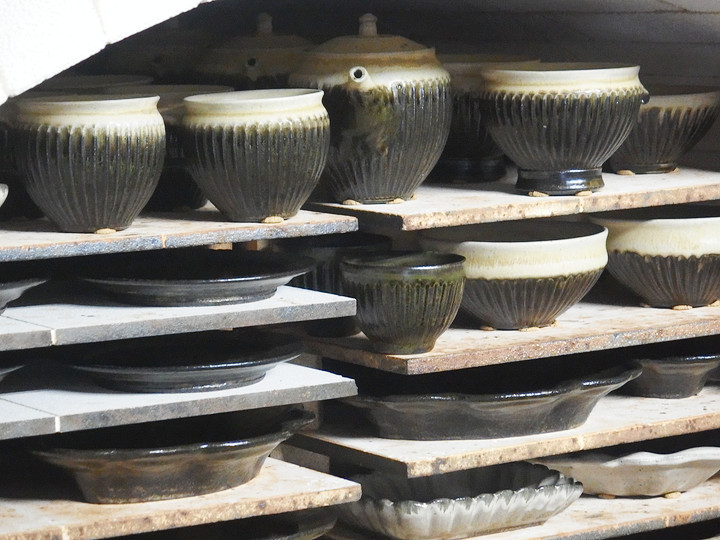
Hanada: As you have mentioned before, Amakusa pottery does not have a specific, definitive style. Given that, when you say the presence of Amakusa is strong, you probably do not mean its physical appearance. What exactly is it?
Takashi Yomiya : It is a sense of being very relaxed and open-ended (laughs). I think it is something spiritual.
Hanada: A relaxed spirituality.
Takashi Yomiya : Yes, because I prefer freedom.
Hanada: Given that its history has been built primarily around folk kilns, perhaps there is an inherent feeling that pottery is meant for personal everyday use. There seems to be an atmosphere of creating pieces that match your true self, or making things you simply want to use yourself.
Takashi Yomiya : Exactly. That is the most important part—the kind of tableware I want to have when I eat my own meals.
Hanada: What if you had started your independent studio in Karatsu?
Takashi Yomiya : I probably would have been making traditional Karatsu ware. After all, ancient Karatsu ware was the very reason I leaped into this world. But once I came back to Amakusa, I didn’t have to limit myself to Karatsu ware anymore (laughs).
Hanada: No one expects traditional Karatsu ware from you here.
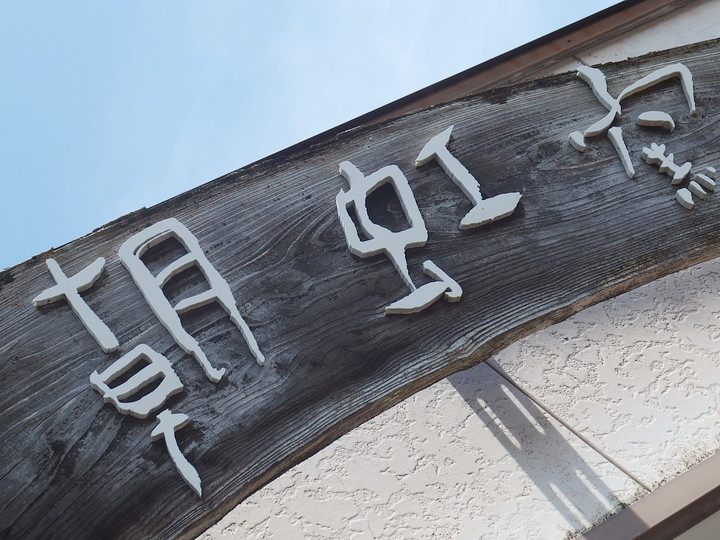
Takashi Yomiya : And I didn’t have to write “Karatsu Ware” on my studio sign (laughs). At first, I tried my best to make Karatsu pieces. But no matter what I did, they didn’t turn out like Karatsu ware (laughs). When I made them, they ended up looking like pottery from some unknown country.
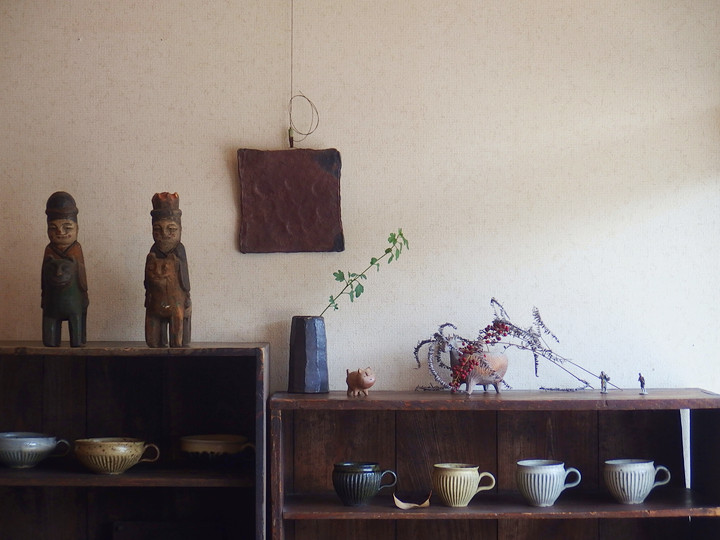
Hanada: You clearly have your own distinct sense of texture. The pottery culture of Amakusa must have made it easier for you to work.
Takashi Yomiya : My style of work is basically, “I tried firing this, and this is how it turned out. What do you think?” I just shape the creative ideas as they come and show them to everyone. If people like them, I expand on that direction.
Hanada: Amakusa seems to have liberated your inherent qualities and allowed them to expand.
Takashi Yomiya : If this were a place where people would criticize me saying, “This isn’t real Kohiki glaze,” the scope of my work wouldn’t have grown the way it has. In that sense, Amakusa really suits me. There are no fixed answers here.
I Thought It Was a Mandarin Orange Bag…
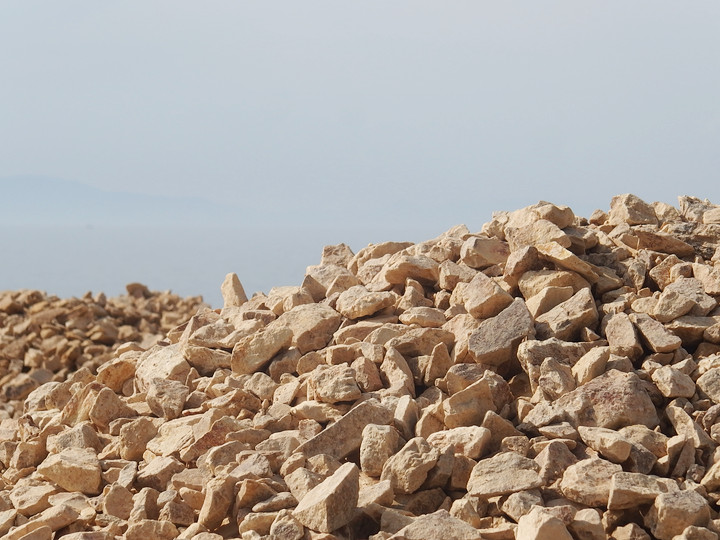
Hanada: Let’s talk about Amakusa pottery stone, a name that anyone who loves pottery has likely heard at least once.
Takashi Yomiya : When I first joined Ryuta Kiln, there was a bag with “Amakusa” written on it. Amakusa is famous for mandarin oranges, so at first, I honestly thought they were reusing old mandarin orange bags to store clay.
Hanada: That is hilarious (laughs).
Takashi Yomiya : The veteran artisans at the kiln teased me, saying, “You don’t even know about Amakusa pottery stone?” (laughs).
Hanada: So, by going to Karatsu, you finally understood the true significance of those rocky mountains you had seen since childhood.
Takashi Yomiya : When I returned from Karatsu, I went back to take a fresh look at them (laughs).
Favorite Places
Hanada: Please tell us about your favorite places in Amakusa.
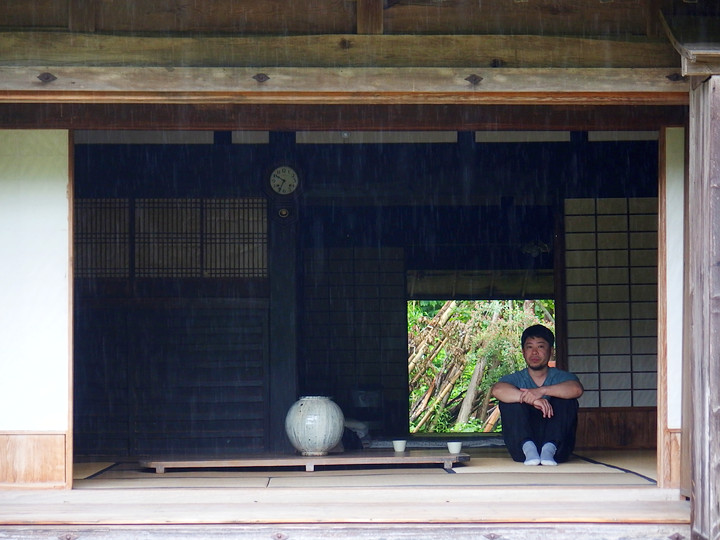
Takashi Yomiya : My absolute favorite is my own workshop. Especially when I return from a trip for an exhibition, the old traditional house brings a deep sense of relief. It is surrounded by mountains with no prominent man-made structures around. I feel like my body recovers faster here. Because of that, I don’t feel the need to go anywhere else for relaxation; I spend almost all my time at the workshop or at home.
Hanada: That is wonderful and very fortunate. Are there any other places you like?
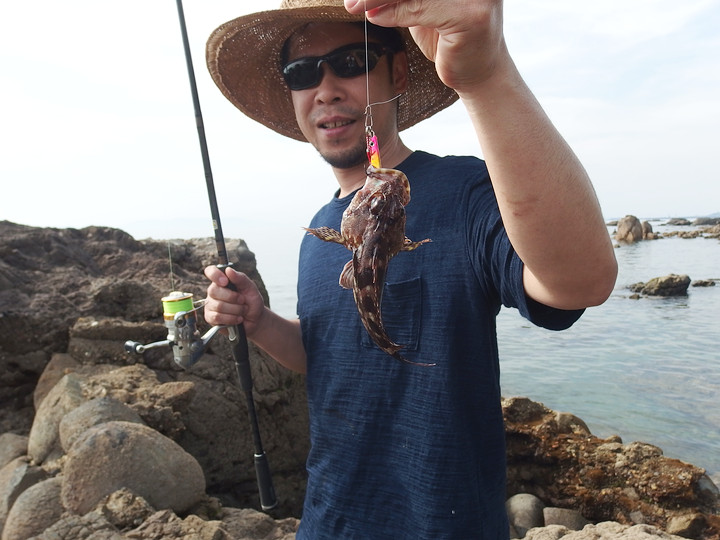
Takashi Yomiya : The sea. I love going fishing in the evening, but watching the sunset while catching fish makes me really want to have a drink.
Hanada: (Laughs)
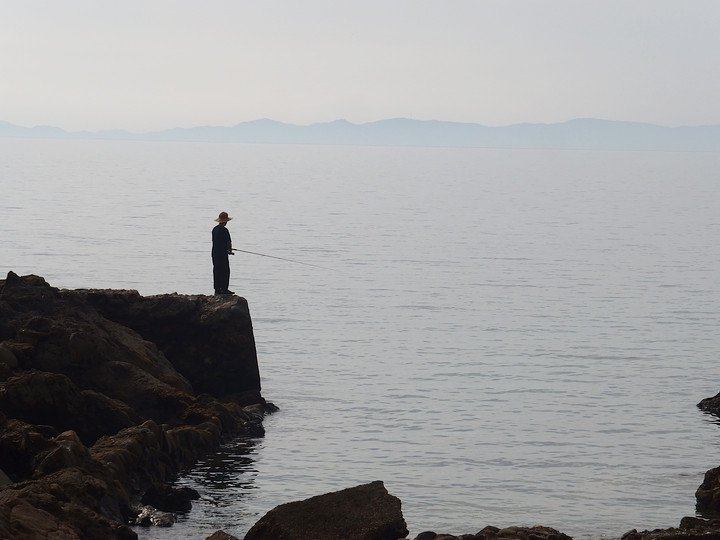
Takashi Yomiya : Being close to the inherent dangers of the sea probably brings out a sense of excitement in people.
Hanada: You mentioned before that you once had a near-death experience at sea.
Takashi Yomiya : Oh, that time was so painful and freezing. There was also a time when I was all excited to start fishing, and the wind blew all my brand-new gear right into the ocean (laughs).
Real Hardships
Hanada: We were just speaking about the mountains and the sea.
Takashi Yomiya : The mountains are for work, and the sea is for play. When I go to the mountains, trees look like firewood, cliffs look like clay, and slopes look like climbing kilns (laughs). At sea, I am completely free from work. Yet, for some reason, I have no desire to live right by the ocean. By the way, I prefer a calm sea. I dislike rough waters.
Hanada: Is that due to the influence of those bitter memories?
Takashi Yomiya : Being out in nature brings a raw reality, whether it’s the wind or the rain. It makes you truly appreciate a calm day. You don’t realize that when you are inside a city building.
Hanada: True, you rarely face genuine hardships there.
Takashi Yomiya : If the rain continues right before a solo exhibition, it is truly frustrating. My mind goes into full gear trying to figure out how to dry the pieces. When I wake up in the morning and see it’s sunny, I feel genuinely grateful.
Hanada: Is there anything else?
Takashi Yomiya : I like riding my bicycle into town early in the morning. Since I grew up closer to the town area, passing by my old schools and the paths I used to take brings me a sense of comfort.
Remaining True to Ourselves
Hanada: The topic of World Heritage sites also came up. The number of visitors will likely increase from now on.
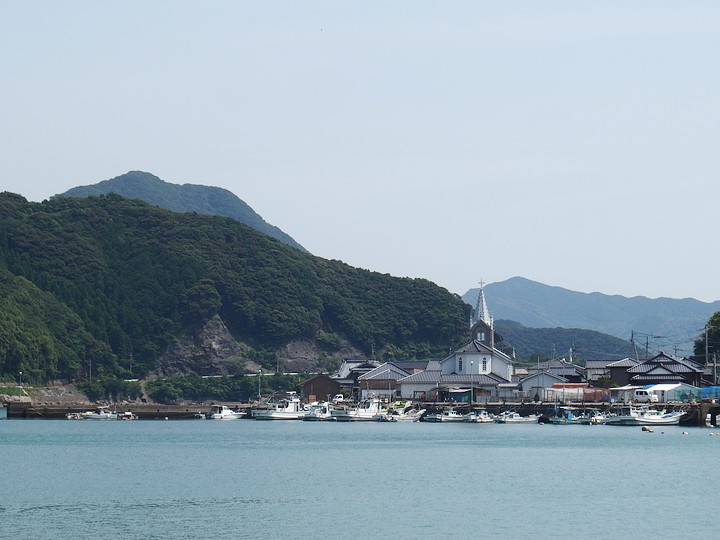
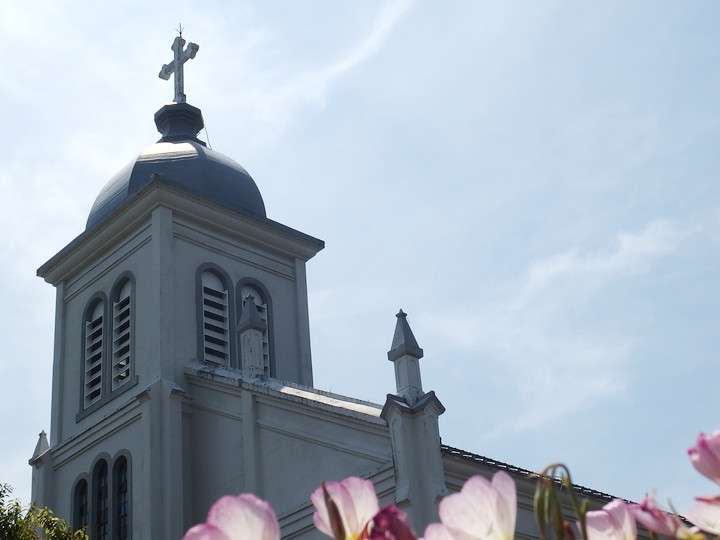
Takashi Yomiya : While we might need a broader range of accommodations, I think it is perfectly fine for tourism to remain true to our local scale. Trying to compete with big cities is pointless. Instead of trying too hard to please people from the city, we should approach it with the mindset of bringing joy to the old man living next door. Even when it comes to tableware, people from the city appreciate pieces that feel as though Amakusa itself has been packed into them. I believe that keeping things authentic is an important aspect of tourism as well.
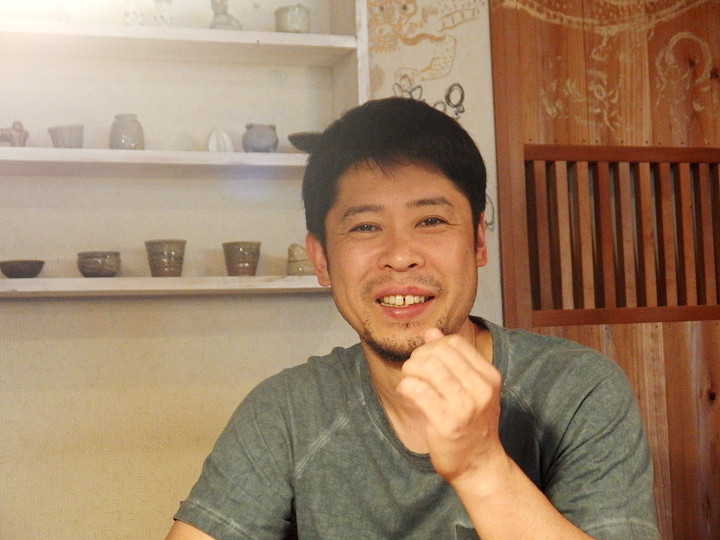
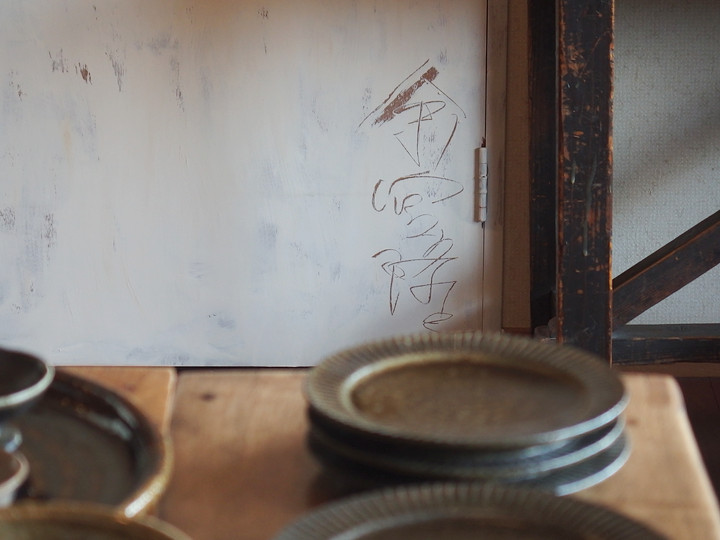
▼Following the interview in Japanese, we have a video showing scenes from his life in Amakusa. Please take a look.
≪ END ≫
天草、自由になれる場所
生まれ育った場所であり、うつわ作りの拠点でもある天草は、余宮隆さんにとってどのような場所なのでしょうか。 余宮さんにお話しを伺いました。
自然、生活、人・・・
花田: 余宮さんは天草で生まれ育ち、唐津での修行後、戻ってこられました。(以下花田-)
余宮: 生まれ育った場所に成り行きで戻って来ただけのはなしなのですが、元々、天草は住みやすいし、好きな場所です。
-: 天草は自然が豊かです。
余宮: 自然が、そのまま残っていて、海も山もきれい。 食料も豊富です。
-: 無理せず健康的な生活を送れますね。
余宮: 毎日、その日に取れたものを食べているわけですから。 野菜も魚も・・・。
-: 人々の気質はいかがですか。
余宮: 良く言うと、色々なことをあまり気にしない。
悪く言うと、少しは気にしたほうがいいんじゃないかって(笑)。
-: (笑)。 皆さん、明るいですよね。
余宮: 言われてみると確かにみんな、明るいですね。
あと、おせっかいなくらい、親切(笑)。
僕は「自由」がいい
-: 天草という場所の、もの作りへの影響は、どう捉えていますか。
余宮: 勿論、技法のベースは、焼物を学んだ唐津です。
でも、うつわとして見ると、天草が濃いんじゃないかな。
-: 以前、余宮さんも話されていましたが、天草の焼き物に「これが天草焼だ」というような特定のスタイルはありません。
その上で「天草が濃い」というのは、外見についてではなさそうですね。
何なのでしょうか。
余宮: 「なんかすごく、アバウトな感じ」です(笑)。 精神的なものなんだと思います。
-: アバウトな精神性。
余宮: 僕は「自由」が良いですから。
-: 民窯的なもの主体で歴史を積み上げて来た中で、焼き物は自分たちが使うためのものだという感覚があるのですかね。
ムードとして、等身大で作るというか、自分の使いたいものを作るというか・・・。
余宮: そうですね。
それが一番です。
自分がご飯食べるときに、欲しいうつわ。
-: もし唐津で独立していたら?
余宮: 多分、唐津焼を焼いていたと思います。
元々古唐津がきっかけで飛び込んだ世界ですし。
でも、天草に帰ってきたら別に唐津を焼かなくていいじゃないですか(笑)。
-: 誰も余宮さんに唐津焼は期待しません。
余宮: 工房の看板に唐津焼って書かなくて済むし(笑)。
最初は頑張って唐津焼をやっていたんです。
でも・・・どうやっても唐津焼にならない(笑)。
僕が作ると「どこの国の焼き物だ?」みたいなものにしかならないんですよ。
-: しっかりとしたご自身の質感を持っているのでしょう。
天草の焼物風土も、余宮さんの仕事をしやすくしたのですね。
余宮: 僕の仕事って「やってみたら、こんなものが焼けました。いかがですか?」みたいな感じなんです。
出てくる創作アイデアをそのままかたちにして、皆さんに見てもらう。
で、認めてもらったら、それを広げていく。
-: 天草は余宮さんの持っているものを開放して、押し広げてくれたのですね。
余宮: 「こんなのは粉引きじゃないよ」みたいに言われるような土地柄だったら、仕事の幅は今のように広がっていなかったと思います。そういう意味でも、やはり天草が合っているんでしょうね。
ここ、答えが無いですから。
みかんの袋かと・・・
-: 焼物好きなら一度は耳にしたことのある天草陶石について。
余宮: 隆太窯入った時「天草」って書いてある袋があったんです。
天草ってみかんが有名なんですけど「みかんを入れる袋を再利用して、粘土を入れてあるのかな」って最初思っていました。
-: 笑える(笑)。
余宮: 窯元の職人さんに「天草陶石も知らんとや(知らないのか)」って言われて(笑)。
-: 唐津に行って、小さい頃から見ていた、あの石の山の意味も分かるわけです。
余宮: 唐津から戻ってきて、あらためて見に行きましたよ(笑)。
好きな場所
-: 天草で余宮さんが好きな場所を教えて下さい。
余宮: 一番は、自分の工場(こうば)です。
特に、展示会などで出掛けていて帰ってくると、古民家はホッとします。
山に囲まれていて、まわりに目立った人工物もありません。
体調の回復も早い気がします。
それなので、どこか癒しを求めていく場所もなくて、ほとんど工房か自宅にいます。
-: 素晴らしい、幸せなことですね。
他に好きな場所ありますか。
余宮: 海です。
夕方に釣りに行くのが好きなんですけど、夕日見ながら魚を釣っていると・・・、
すごい酒飲みたくなります。
-: (笑)
余宮: 海の危険と隣り合わせみないなところだと、人間は高揚するんでしょうね。
-: 余宮さん、海で死にかけたこともあるって言っていましたものね。
余宮: もう、あの時は痛いし、寒いし・・・。
「さあ釣るぞー!」って時に、買ってきた新しい道具が風で全部海に飛ばされちゃった時もありました(笑)。
リアルに困るとき
-: ちょうど山と海の話が出ました。
余宮: 山は仕事で、海は遊び。
山に行くと、木は薪に見えるし、崖は粘土に見えるし、斜面は登り窯に見える(笑)。
海では仕事から開放されます。
でもなぜか海のほうに住もうとは思いません。
ちなみに、穏やかな海が好きです。
荒れている海は、嫌です。
-: 苦い思い出の影響でしょうか。
余宮: 自然の中にいるとリアルなんです。
風とか雨とかも・・・。
穏やかな日のありがたみがよく分かりますよ。
ビルの中にいると分からない。
-: そうそう本気で困ることはないです。
余宮: 個展前に雨が続くと、本当に参ります。
どうやって乾かすか、頭フル回転。
朝起きて晴れていると、本当に「有難う」って思います。
-: 他にはありますか。
余宮: 朝早く、町に自転車で行くのは好きです。
育ったのは町のほうだったので。
通っていた学校や通学路を通ると、安心します。
等身大で
-: 世界遺産の話も出てきました。 訪れる方がこれから増えますね。
余宮: 幅広いレベルでの宿泊施設はもう少し必要ですけど、観光も等身大でいいのではないでしょうか。
都会に合わせたって、敵わない。
「都会の人に喜んでもらおう」じゃなくて、近所のおじちゃんを喜ばせるような感覚でいいと思います。
うつわだって、そのまま天草を詰め込んだようなものを都会の人は喜んでくれる。
そういう部分は観光にとっても大切な部分じゃないかなって、そう思っています。

天草や工房の風景を動画でご紹介しています。
等身大で気負わず歩む余宮さん。
天草の自然の中で仕事に励み、遊び、暮らす姿が魅力的です。
▼ 天草、自由になれる場所 -Walking in Amakusa- ▼
▼ 天草、自由になれる場所 -Working in Amakusa- ▼
≫余宮隆さんの商品一覧はこちらから≪
関連記事はこちら