






English version of the interview here.
Objects Made to Last
Hanada: Was your decision to pursue your current work influenced by your father, who is a woodworker?
Takaaki Inui: Since I was born into an environment where a scroll saw was always close at hand, I do think there was some influence. But rather than simply wanting to work with wood, I had a stronger desire to create things that could be used for a long time.
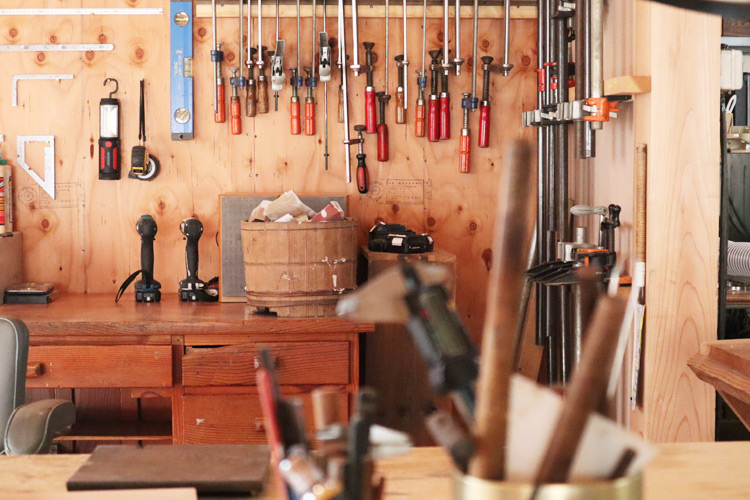 Originally, though, I was interested in design and advertising, so I enrolled in the design department of an art university. However, after entering university, I began to see the abundance of design in the city as something “disposable.” For example, people replace their smartphones one after another.
Feeling uncomfortable about advertising such products led me toward creating “things that can be used for a long time.”
In Germany
Hanada: You also studied abroad in Germany during university. Were you studying design there?
Takaaki Inui: At the time, I was very interested in photography, so I studied photography.
Hanada: You were honest about pursuing what you wanted to do (laughs).
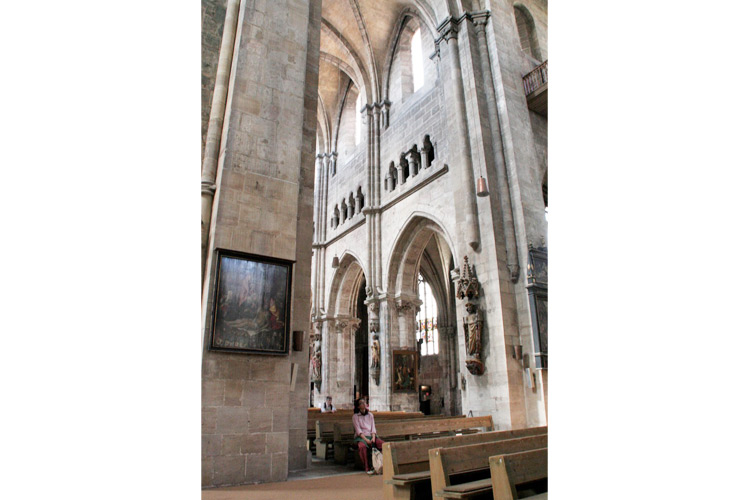
Takaaki Inui: Still, without knowing German, it was difficult to understand the classes.
Hanada: So you went without speaking German? That was brave.
Takaaki Inui: Well, with photography, you can take the pictures yourself, develop them yourself, and create your own photo book.
Naomi Inui: At first, he didn’t even have a place to live.
He went to study abroad but had nowhere to stay (laughs).
Hanada: You didn’t secure housing before you left?
Takaaki Inui: If I could have, I would have (laughs).
But there were truly no vacancies in Munich, so I stayed in a youth hostel for about three months.
After that, I finally found a place and went to view it.
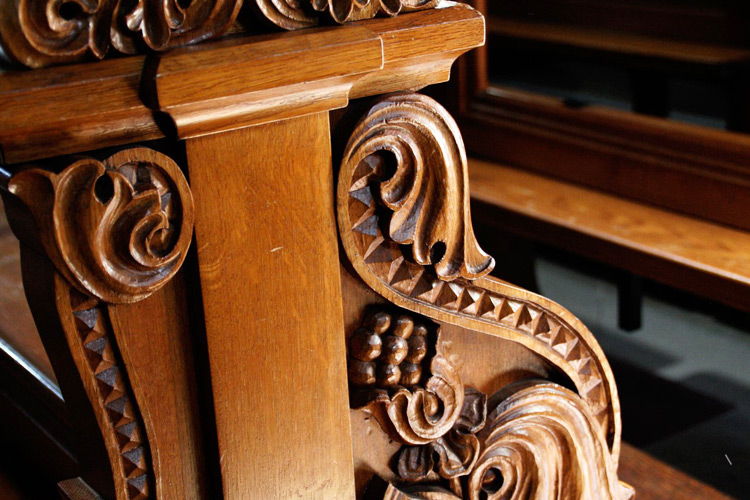
It was like an attic room, but the old handrail on the staircase was wonderful.
That gentle feeling unique to wood that has been used for a long time…
Hanada: You couldn’t find a place to live, yet you were delighted by the handrail (laughs). In any case, you were clearly inspired wherever you went.
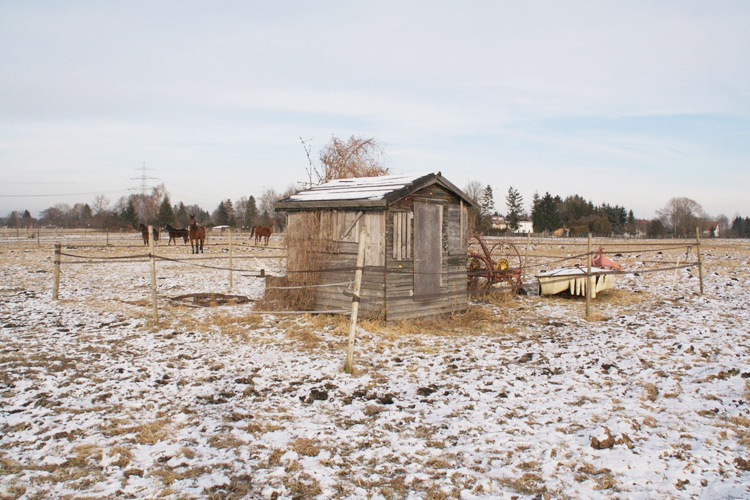
Takaaki Inui: Even the wooden church doors had iron fastenings that had rusted beautifully. Such things blended naturally into the scenery.
I often went to flea markets, where even old hangers were for sale. They had developed a rich sheen.
Hanada: And that’s why you make hangers. Most people don’t make them.
Naomi Inui: There isn’t much demand (laughs).
Takaaki Inui: The first thing I made after becoming independent was a hanger.
Hangers in various shapes… They didn’t sell at all (laughs).
Hanada: (laughs) I’m sorry for laughing. But they’re selling now, aren’t they?
Takaaki Inui: Yes, surprisingly, they are selling now.
Naomi Inui: Perhaps it’s good that we simply do what we want to do, regardless of whether it sells or not.
Takaaki Inui: Even when we held exhibitions, it wasn’t as if many customers would come. That situation continued for a long time.
Even so, we were allowed to keep making what we truly wanted to make from the very beginning.
Recently, after speaking with other artists, I finally realized how self-indulgent we had been (laughs).
“Koku -枯白-”
Hanada: The name “Koku -枯白-” is striking.
Takaaki Inui: “Wither(枯)” suggests the beauty that comes with weathering.
Naomi Inui: When we looked it up, we found it can also mean “what remains after being pared down.” We felt that meaning was close to what we want to express.
Takaaki Inui: “White(白)” can mean “the beginning of things” or “blank,” which fit well for us.
Planning and the Unplanned
Hanada: For Koku, your collaboration is also an important element.
Naomi Inui: I think he is the type who starts with an image or plan and works steadily toward it.
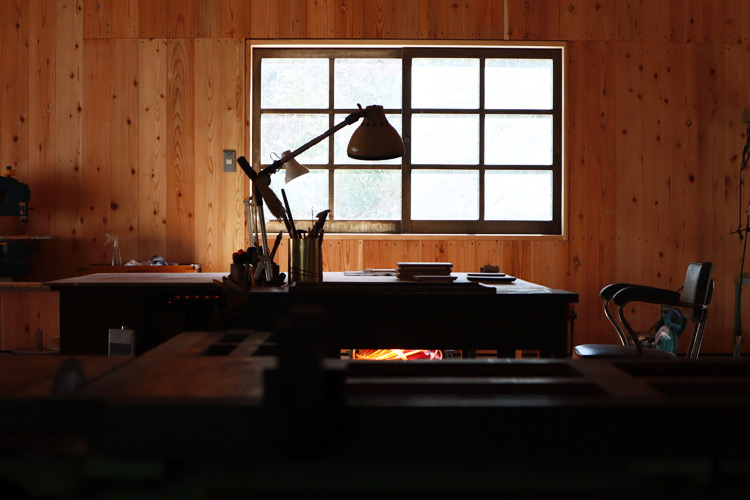
Takaaki Inui: I studied design, but Nao studied sculpture, so she has long focused on creating singular works. I think her strength lies more in creating from a place of emotion and inspiration.
Naomi Inui: Perhaps it’s about “something born out of the unplanned.”
I feel happiest when I encounter something I did not intend, and perhaps I work in order to encounter that. That cannot be planned.
Takaaki Inui: No, it can’t (laughs).
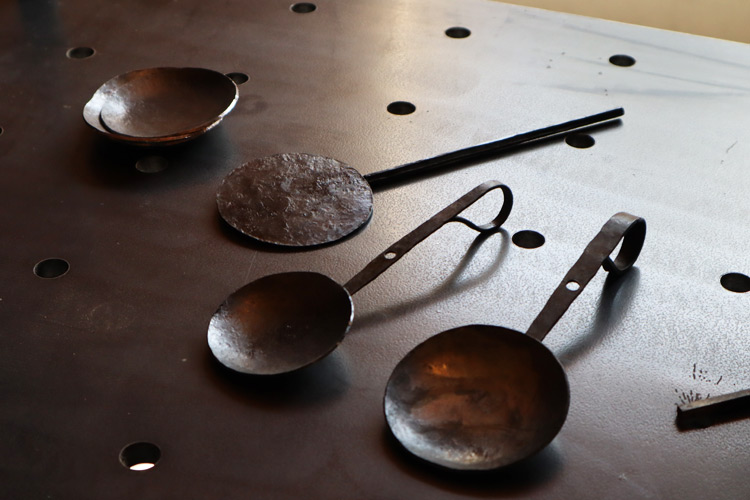
Naomi Inui: He asks me, “When will that be finished?” And I answer, “I don’t know” (laughs).
Hanada: It’s wonderful how each of your individual qualities is brought together under the name Koku.
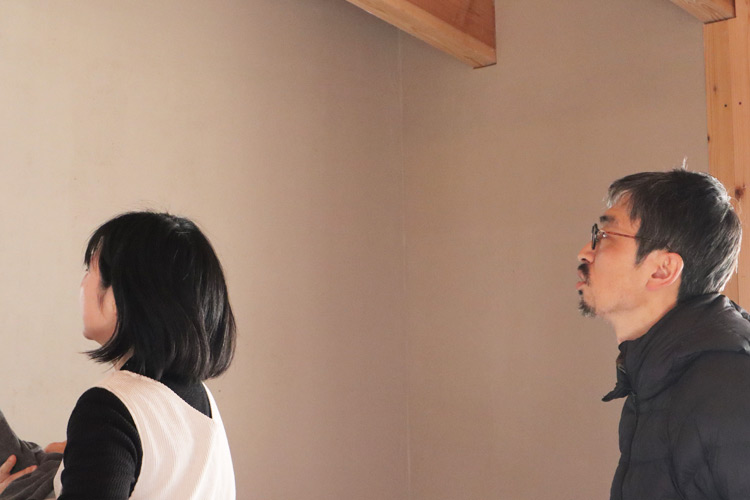
Naomi Inui: I think Koku emerges as we come together, without leaning too far toward either of our individual styles. When we talk things through, we eventually arrive at the same conclusion, and that gives us reassurance.
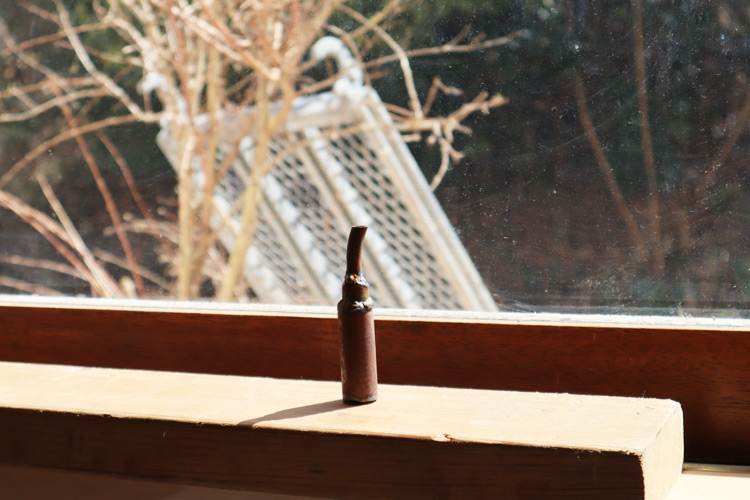
Takaaki Inui: The other day, I realized she had made something like a small iron bottle. When I asked her about it, she herself wasn’t even sure whether it was a product or not.
As It Is
Hanada: Through your craftsmanship, what is it that you hope to convey?
Takaaki Inui: We have always wanted to create things that excite us.
And we want to share feelings such as “This is beautiful” or “This is interesting” with our customers.
Naomi Inui: There was also a time when something we created in response to a customer’s words felt as if it had “opened a new door” for us.
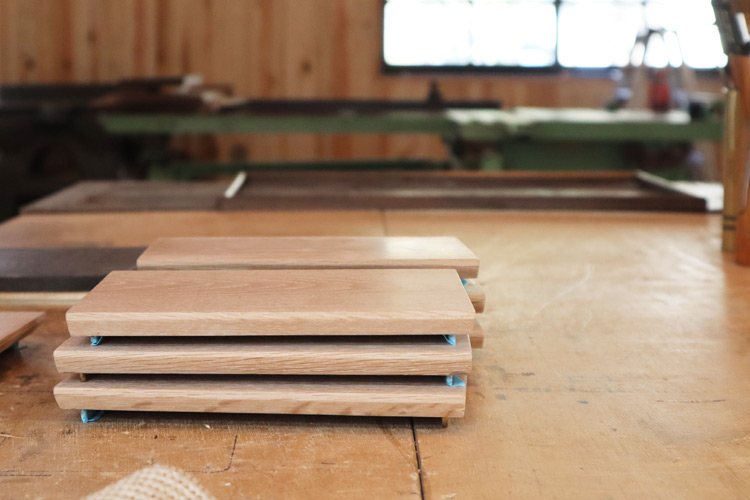
Takaaki Inui: Rather than trying to make wood look stylish, we want to show it as it is. Even wood that has turned pale, or begun to decay, or even timber lying around at a lumberyard can look incredibly beautiful to us.
Naomi Inui: Sometimes simply bringing focus to something is enough in itself, and perhaps we enjoy that. If we feel it is beautiful as it is, then it doesn’t need our intervention.
Bringing the Forest Indoors
Hanada: The range of things you create is broad.
You make cutting boards, hangers, and furniture.
Takaaki Inui: From the beginning, we wanted to create all the everyday items around us through our own perspective.
Hanada: And then you even built your own house.
It seems that new ideas might emerge from that as well.
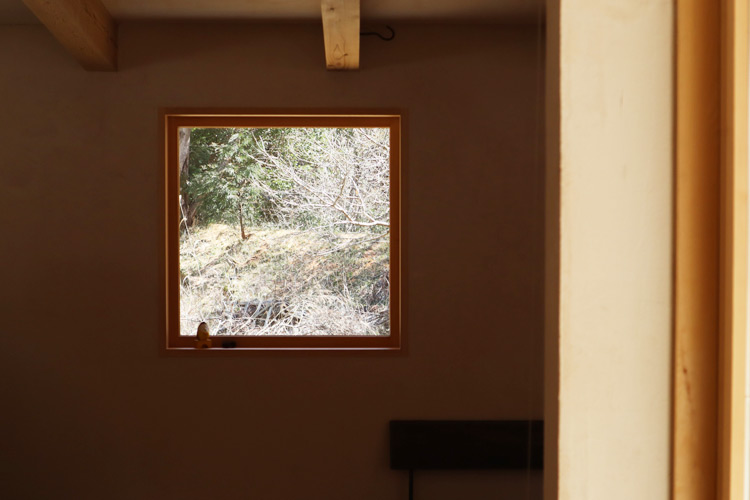
Takaaki Inui: We think about what kind of furniture we would want to use in this house.
Hanada: Was there a particular theme behind the design of this house?
Takaaki Inui: Perhaps it is about feeling nature directly. In the past, houses were built entirely from natural materials, almost as if people were living as an extension of the forest.
People can feel healed and healthier when they are in nature. We wanted to move closer to that again.
Naomi Inui: This house also has an experimental aspect.
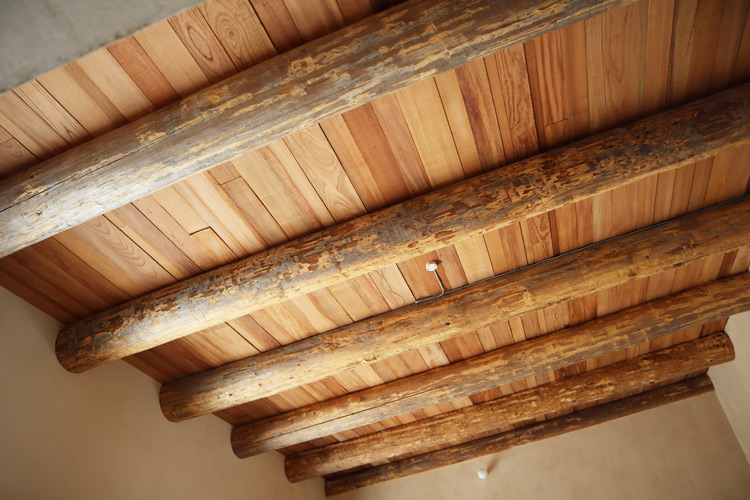
Takaaki Inui: For example, using whole logs like that is not something you would normally do in a standard house. It feels as if we have brought the forest directly indoors.
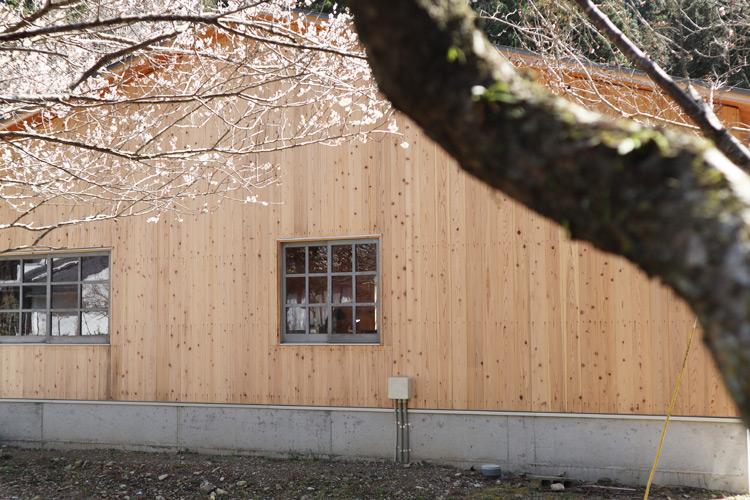
The exterior walls are left unpainted. Many people told us we should not leave them untreated, but we met an architect who said it would be fine, and so we were able to realize it.
The window frames are also unpainted, so we will see how they withstand the rain. They are probably fine, but the answer will come with time.
Naomi Inui: We say, “If it doesn’t work, we’ll fix it” (laughs).
Looking Ahead
Hanada: What would you like to pursue from here on?
Takaaki Inui: Last year, with the relocation, we were thinking almost entirely about architecture. Now, the stage is finally set again for making things.
Hanada: Perhaps it was good to step away for about a year.
Takaaki Inui: It felt like being in the “Hyperbolic Time Chamber” from Dragon Ball (laughs). Because we were in a different mode, we feel refreshed and full of motivation to create again.
Hanada: A word about the upcoming exhibition, please.
Takaaki Inui: We plan to show our shelves as well. We are also making a small leather-covered tissue box in a new size.
Hanada: Thank you very much. We look forward to it.
 ≪ END ≫
長く使えるもの
花田:乾さんが現在の仕事を選ばれたのは、木工家であるお父様の影響もあるのですか。(以下花田-)
乾喬彰:生まれた時から糸鋸がすぐそこにある環境でしたので、影響はあると思いますが「木工がしたい」というよりは「長く使えるものを作りたい」という気持ちが強かったです。
ただ元々は、デザインやコマーシャルに興味があったので、美術大学のデザイン科に進学したんです。
でも、大学入学後、町にあふれているデザインが「使い捨てにされるもの」に映り始めて・・・。
例えば、スマホは次々と買い替えていきますよね。
そういうものを、アドバタイズすることに違和感を持ったことが「長く使えるもの」へのきっかけです。
ドイツにて
-:大学時代、ドイツに留学もされていました。デザインの勉強をされていたのですか。
乾喬彰:当時、写真にすごく興味があったので、写真の勉強をしていました。
-:じぶんのやりたいことに素直ですね(笑)。
乾喬彰:ただ、やはりドイツ語が出来ていないと、授業は、理解できないですよね・・・。
-:ドイツ語が分からない状態で行ったのですか。勇敢ですね。
乾喬彰:まあ、写真は自分で撮って、自分で現像して、自分で写真集作って・・・ってできますから。
乾直実:最初、家が無かったよね。
留学したのに、住む家が無いんです(笑)。
-:行く前に住む場所を確保しなかったのですか?
乾喬彰:できることなら僕だってそうしたいですよ(笑)。
でも、ミュンヘンて本当に空き家が無くて、ユースホステルに3カ月位いました。
その後、やっと家を見つけて、内見しに行ったんです。
屋根裏部屋みたいなところでしたが、そこの階段の昔からの手すりがまた良くて・・・。
木ならではの、あの長く使われた優しい感じ・・・。
-:家が見つからないのに、手すり見て喜んでるって・・・(笑)。
いずれにしても行く先々で刺激を受けていたのですね。
乾喬彰:教会の木の扉も、かしめている鉄が、いい風合いに錆びていたりして・・・。
そういう物が風景になじんでいるんです。
蚤の市にもよく行っていましたが、古いハンガーなんかも出品されていて・・・。
ツヤツヤでね。
-:それで、ハンガーを作るのですね。普通、そんなに作らないですよね。
乾直実:ニーズが無いですから(笑)。
乾喬彰:独立して最初に作ったのがハンガーでした。
色々なかたちのハンガー・・・。全然売れませんでしたけど(笑)。
-:(笑)。すみません、笑ってしまって。
今は動いていますよね。
乾喬彰:はい。今は意外と売れています。
乾直実:「売れる」「売れない」抜きで、やりたいことをやっているのが良いのかなとも思います。
乾喬彰:展示会をしたところで、お客さんがたくさん来てくれるわけでもない。
そういう状況がずっと続いていました。
それでも、最初から自分たちの作りたいものを作るということを続けさせてもらって・・・。
最近、他の作家さん達と話す機会があって、自分達が大分わがままをしていたことに、やっと気が付きました(笑)。
「枯白」
-:「枯白」という名前が印象的です。
乾喬彰:「枯」は、風化していく良さ・・・でしょうか。
乾直実:調べてみると「そぎ落とされて残ったもの」という意味もあることが分かりました。
「その意味、したいことに近いね」という話になって。
乾喬彰:「白」は「物事の始まり」や「まっさら」という意味もあるようで、それがうまく当てはまりました。
計画、無計画
-:枯白にとって、喬彰さんと直実さんの協働であることも大きな要素です。
乾直実:彼は、まずイメージや計画を持って、そこに向けて頑張るタイプだと思います。
乾喬彰:僕はデザインの勉強をしてきましたが、直さんは彫刻だったので、一点をつくりあげることをずっとしてきたわけです。
感動して作る強さは彼女のほうが強いと思います。
乾直実:「無計画の中で生まれる」みたいなことでしょうか。
自分が意図していないことに出会えた時に嬉しさを感じますし、それに出会うために作業しているようなところもあるのかなと。
それは計画できないです。
乾喬彰:しないね(笑)。
乾直実:「それ、いつできるの」って聞いてくるよね。
私は「分からない」って答えます(笑)。
-:それぞれの持ち味が「枯白」のもとで活かされているのが素晴らしいです。
乾直実:どちらか一方の持ち味に行きすぎずに寄り合いながら枯白になっているのだと思います。
話すと「やっぱりそうだよね」ってゴールに行きつけるから、安心できるのかな。
乾喬彰:この間も気が付いたら、鉄の小瓶のようなものを作っていました。
聞いてみると、商品であるかどうかすら、本人も分からない。
そのままで
-:モノ作りを通じて乾さん達が伝えたいことは、どのようなことなのでしょうか。
乾喬彰:「自分たち自身がワクワクするものを作りたい」とずっと思っています。
そして「美しいね」「これって、面白いよね」といった感覚をお客さんと共有したいです。
乾直実:お客さまからの言葉がきっかけで作ったものが「新たな扉を開いてくれた」と思えたこともありました。
乾喬彰:それと、木を格好よく見せたいというよりは、木のそのままを見せたいです。
木が白くなっていたり、朽ちていたり、木材屋さんに転がっている木でも「めっちゃ格好いいな」と思うこともあります。
乾直実:焦点を当てたという事実だけで完結する部分もあって、それを楽しんでいるのかな。
そのままで格好いいと思ったら、自分たちの手を加えてなくてもいいんです。
森をそのまま家の中に
-:乾さん達は制作するものが幅広いです。
カッティングボードも、ハンガーも、家具も作る。
乾喬彰:最初から、生活の身の回りのあらゆるものを自分たちの目線を通して作りたいと考えていました。
-:そして、家も建ててしまった。
これまでとは違った発想も生まれてきそうです。
乾喬彰:「この家で使いたい家具って何だろう」と考えます。
-:この家は何かテーマを持って作られたのですか。
乾喬彰:自然を肌で感じられる・・・でしょうか。
昔の家は全部自然素材で、森の延長に住んでいるようなところもありました。
人は自然の中で癒されて健康になることもありますよね。
そういうところにもう一度近づきたいなと。
乾直実:この家には実験的な意味合いもあります。
乾喬彰:例えば、あのように丸太を使うことは、普通の家ではやりませんよね。
森をそのまま家の中に持ってきたような感じです。
外壁も無塗装で、色々な人に「無塗装はやめたほうがいい」と言われたのですが「大丈夫」という建築家の方に出会えて実現できました。
窓枠も無塗装なので、雨漏りが果たしてどうなのか・・・。
多分大丈夫なんですけど、答えはこれからです。
乾直実:「ダメなら直せばいいか」って話しています(笑)。
さて、これから
-:これからやっていきたいことを教えていただけますか。
乾喬彰:去年は移転もあって、ずっと建築のことばかり考えていました。
今ようやくモノづくりのステージが整いました。
-:1年くらい離れていてよかったのかもしれません。
乾喬彰:ドラゴンボールで「精神と時の部屋」にいたみたいな感じです(笑)。
別の感覚でいたからこそ、リフレッシュして、作りたい気持ちでいっぱいです。
-:展示会に向けても一言お願いします。
乾喬彰:棚も見てもらおうと思っています。
あと、新しいサイズで、皮を使った小さいティッシュボックスも作ります。
-:有難うございます。楽しみにしています。
≫枯白 乾喬彰さんのうつわはこちらから≪
関連記事はこちら