








English version of the interview here.
A Childhood Spent Creating
Hanada: Could you tell me how you started making glassware?
Mai Mitome : I have always loved creating things. Do you know “Wakuwaku-san”? It’s a character from an old NHK children’s show called “Tsukutte Asobo” (Let’s Make and Play) who would build all kinds of things, and I used to copy him one after another.
Hanada: So you made a great variety of things.
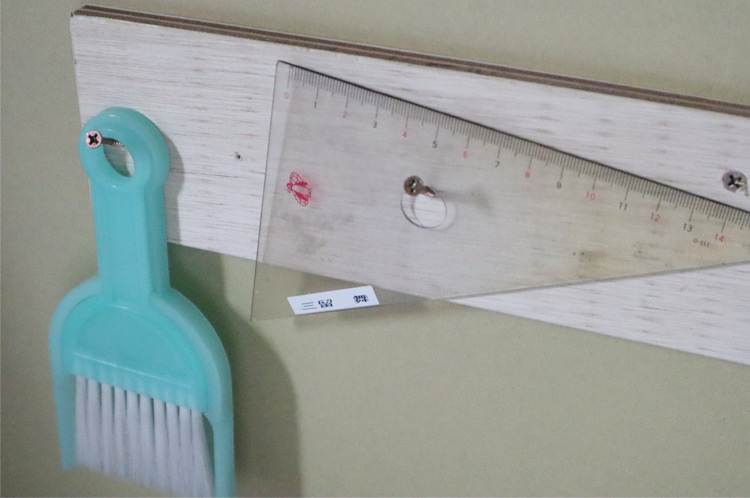
Mai Mitome : I also loved cooking…
Hanada: So your passion for creating extended to food as well.
Mai Mitome : Looking back, it wasn’t about a specific thing, but rather the act of creating itself that brought me joy. When I was in the first grade, I became obsessed with making rolled omelets, which my mother taught me, and I made them almost every day. Soon after, I moved on to cookies.
Hanada: Were there any other things you enjoyed making?
Mai Mitome : I also liked sewing, making items like tote bags and pocket tissue pouches. I enjoyed woodworking too, and I once even built shelves inside my closet.
Hanada: It sounds like you were the real Wakuwaku-san (laughs). Did that continue into junior high school?
Mai Mitome : In junior high school, I joined the tennis club, so I spent a bit less time crafting. I ended up continuing tennis all the way until I graduated from university.
Hanada: You truly give your all to everything you do.
Mai Mitome : I think I just love sticking with one thing. It’s rewarding to delve deeply into something and see where it leads.
Hanada: Were you always aware of that trait in yourself?
Mai Mitome : No, I wasn’t aware of it at all, so I only realized it quite recently (laughs). It doesn’t come from a sense of obligation, nor am I forcing myself, but I think I genuinely enjoy working hard. Sometimes I admire the trend of just taking things easy, but in the end, pushing myself to my limits feels the most fulfilling.
“Mai, Keep Making Things”
Hanada: For university, you decided to go to an art school.
Mai Mitome : Seeing me always making something when I was a child, my two much older sisters used to tell me, “Mai, you should go to an art university.”
Hanada: Meaning, “Mai, you must keep making things” (laughs).
Mai Mitome : Without even understanding what it really meant, I grew up convinced that I was destined for art school. Though I think my sisters were actually better at drawing than I was (laughs).
Hanada: And from there, you chose the crafts department.
Mai Mitome : The appeal of crafts is that you can see a piece through by yourself, all the way from the initial concept to the final creation.
Hanada: Why did you choose glass?
Mai Mitome : During our first year, we were given the opportunity to try out a whole range of materials, and glass was simply the most enjoyable for me.
Hanada: And that led you to glassblowing and the murrine technique.
Mai Mitome : Out of all the techniques, glassblowing had a physical, athletic feel to it that suited me perfectly. It feels as though the glass is responding directly to your actions. At first, most of the responses are not very encouraging. It was very much a case of, “This isn’t doing what I want at all” (laughs). But exploring it, even without fully understanding it, was wonderful.
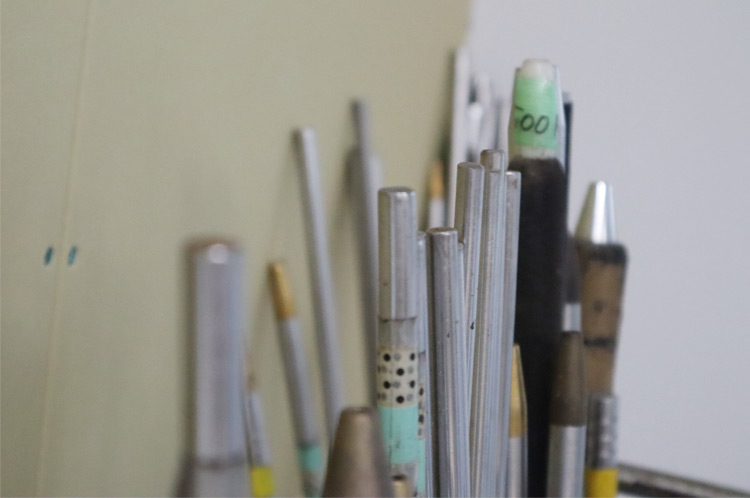
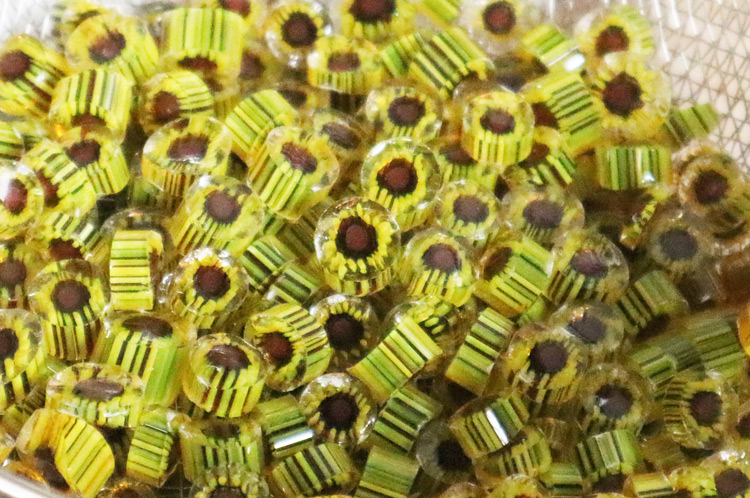
Mai Mitome : As for murrine, I just found it incredibly charming—both the overall patterns and each tiny individual piece. I think I am drawn to the way small pieces are arranged together to form a single object. When I was a child, I used to collect novelty erasers that looked just like murrine patterns (laughs).
Experience and Repetition
Hanada: What did you do after graduation?
Mai Mitome : I worked at Sai Glass Studio in Kawasaki for about ten years. At first, there were senior staff members, but several people left around the same time, and suddenly I realized, “Oh, am I the most senior person here now?” Because of that, I had more opportunities to work closely with Mr. Ito, who runs the studio, and that proved to be an invaluable learning experience.
Hanada: Staying with something for a long time brings its rewards.
Mai Mitome : Yes, indeed. I faced many doubts back then, but looking back now, I am truly glad I stayed. Glassblowing is incredibly deep; just when you feel you’ve mastered something, a new challenge presents itself. It changes depending on the conditions, requiring you to anticipate all sorts of factors. It really builds character (laughs). Experience is absolutely essential.
Hanada: After that, you established your independence.
Mai Mitome : That’s right. It has been a steady cycle: making pieces, having a place to show them, seeing people who appreciate them come back for the next exhibition, and then meeting new people there who will visit the next time. That continuous process is what brought me to where I am today.
Time for Conceptualization
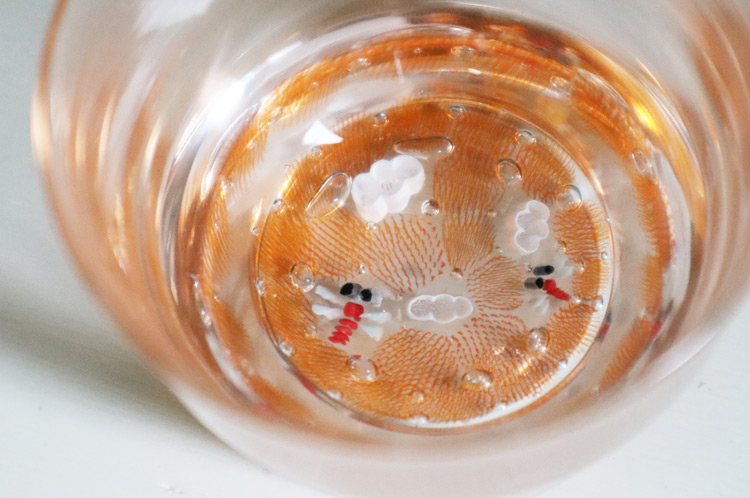
Hanada: One of the distinctive features of your murrine work is how you place patterns at the bottom of the tableware. There must be many different steps involved in creating murrine.
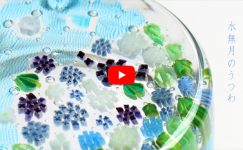
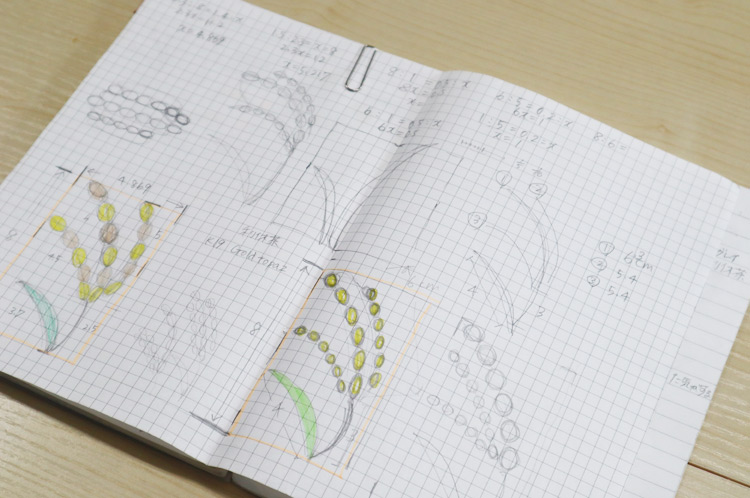
Mai Mitome : I love every single part of the process. I enjoy cutting each piece individually, and I also love the time spent conceptualizing, thinking about what to create next. I begin with a broad image in mind, like “the sky is here, and there is a dragonfly around this area,” and then decide on the specific pieces I will need. For example, with a dragonfly, I will draw various patterns first, and once I find the right design, I scale it to the size it will actually be made. The appearance changes quite a bit depending on the size.
Hanada: With murrine, if you make a mistake once, that mistake gets multiplied many times over.
Mai Mitome : Oh, absolutely (laughs). But you learn what works and what doesn’t through those mistakes, so I accept it as part of the process. It’s because of those experiences that I can create what I do now.
Scenery from Memories
Hanada: Is there a particular theme you focus on in your murrine work?
Mai Mitome : I want to create pieces using the landscapes that remain in my childhood memories as motifs or inspiration.
Hanada: You seem to remember many of the sights from your childhood.
Mai Mitome : I have always loved looking back at the childhood photos that my mother saved for me. Doing that brings all those memories right back to life.
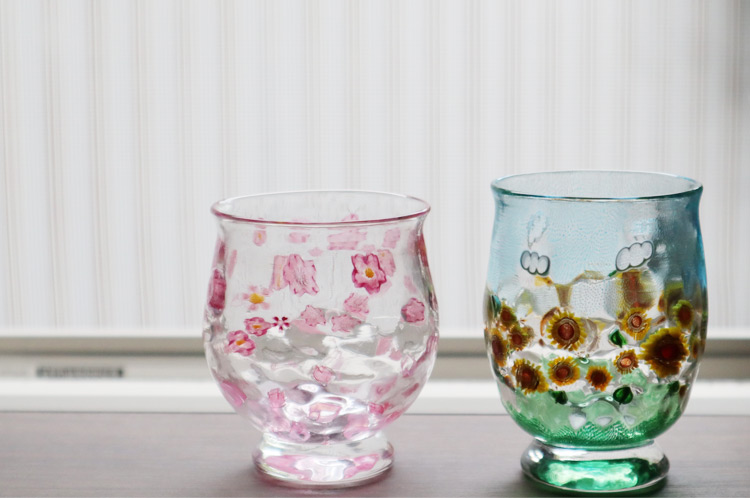
Hanada: Those feelings are beautifully transferred into your tableware. Perhaps that is why using your pieces brings about a wonderful sense of nostalgia.
Mai Mitome : In the introduction on Hanada’s website, you wrote that my work has “a certain sense of nostalgia,” which made me incredibly happy. It made me feel that people who look at my work are sharing the very same feelings I put into it.
An Illusion of Presence
Hanada: The shaping of your tableware is also exceptionally meticulous.
Mai Mitome : In the early days, when I placed the murrine at the bottom, the base would inevitably end up too heavy. I really struggled with that. Customers would often tell me, “It’s lovely, but it’s quite heavy” (laughs). However, it shouldn’t just be light for the sake of it; you also need to find ways to make the murrine patterns reflect beautifully throughout the entire piece.
Hanada: So the reflections were carefully calculated. Is that why the shapes appear linear at first glance, but feel slightly curved when touched?
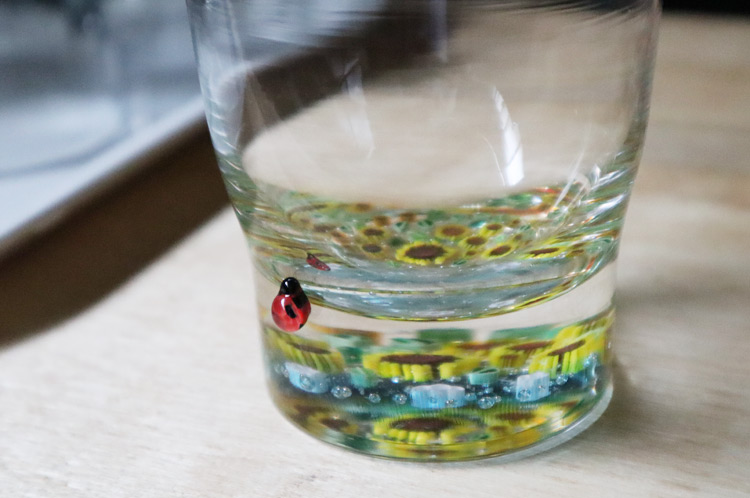
Mai Mitome : Exactly. I felt that it gives the overall piece a softer look.
Hanada: While looking at them from directly above is beautiful, people usually view them from a slight angle, which makes the reflection on the sides very important.
Mai Mitome : I want them to be delightful to look at from any angle. When nostalgic scenes and feelings find expression in glass, I especially love the visual effect of the reflections. A reflection makes you feel as if something is there even when it actually isn’t, which feels very similar to holding onto a memory. I create my tableware by drawing on the unique power of these reflections.
Surrounded by Hydrangeas (Plans for the Future)
Hanada: What would you like to focus on next?
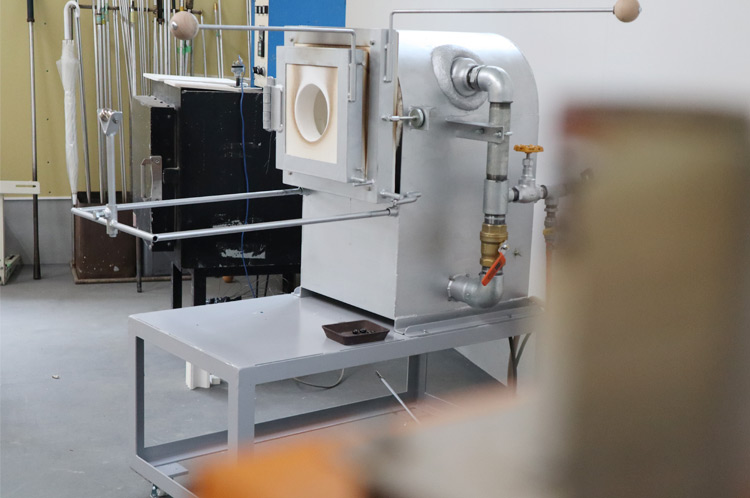
Mai Mitome : While it’s not about the production process itself, I want to get my new studio, which is currently under preparation, fully up and running before the end of the year.
Hanada: That sounds very exciting.
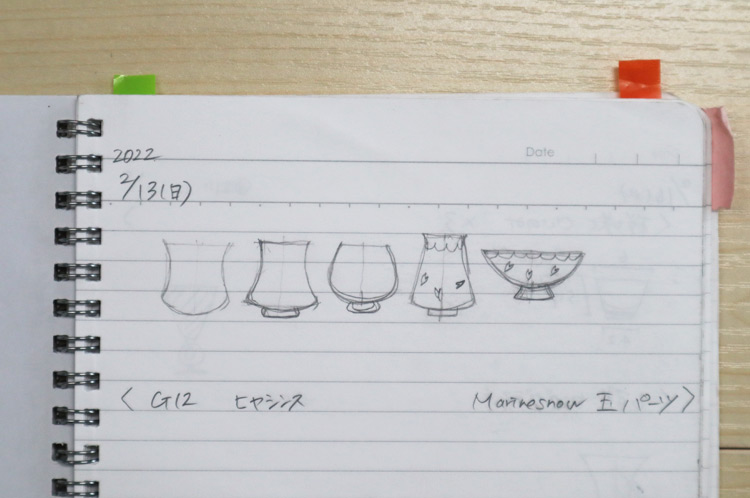
Mai Mitome : Also, because I love hydrangeas, I plan to plant lots of them all around the building. I’m currently buying saplings to get everything ready. The next time you visit, the place will probably be covered in hydrangeas (laughs).
Hanada: I look forward to that. By the way, what made you fall in love with hydrangeas?
Mai Mitome : It was my mother’s influence. I was born and raised in Kanagawa, and when I was a child, she would often take me early in the morning to Kamakura to see the hydrangeas before school. My reason for loving them is actually very similar to why I love murrine—the way tiny flowers gather together to form one beautiful, round shape.
Hanada: Thank you so much for sharing such wonderful stories today. Best of luck with the upcoming exhibition.
Mai Mitome : I hope our customers enjoy exploring all the different aspects of the work.
≪ END ≫
作り続けた幼少時代
花田 三留さんがガラスのうつわ作りに取り組むようになるまでのお話を聞かせてください。(以下花田-)
三留: 「作る」ことがずっと好きでした。「ワクワクさん」て、ご存じですか。
「つくってあそぼ」という昔のNHK番組に出てくるそのワクワクさんが、色々作るんですけど、それを次から次へと真似ていました。
-:
沢山作っていたのですね。
三留: 料理も・・・。
-: 「作る」って、そっちもですか。
三留: 振り返ってみると「何を」と限らずに「作る」という行為自体に楽しさを感じていたのでしょうね。
小一の時には玉子焼きにはまって、母に教わって毎日のように作っていました。そのうちクッキーも。
-: 他の「作る」は何かありましたか。
三留: 裁縫も好きで、手提げやらポケットティッシュケースやら・・・。
工作も好きで、クローゼットの中に棚を作ったこともありました。
-:
ワクワクさんは、三留さんじゃないですか(笑)。
中学校でもそれは続くのですか。
三留: 中学ではテニス部活をやっていたので、作ることは少し減りました。
テニスは結局、大学卒業まで続けていました。
-: 何事にも手を抜きませんね。
三留: ひとつの事を続けるのが好きみたいで。追及していくのが楽しいです。
-: そういう自覚もお持ちだったのですね。
三留: いえ、意識もしてなかったので気が付いたのは割と最近です(笑)
義務感でもないし、無理しているわけでもないのですが「頑張ること」が好きなんだと思います。
「ゆるくやろうよ」みたいな風潮に憧れるときもありますが、私は結局「限界まで頑張る」のが心地いいです。
舞は作り続けろ
-: 大学は美術大学に進学されます。
三留: 子どものころ、いつも何かを作っている私を見て、年の離れた姉二人に「舞は美大がいいよ」と言われていました。
-: 「舞は作り続けろ」と(笑)。
三留: どういうものかも分からないまま「私は美大に行くものだ」と思い込んでいました。
姉の方が絵は上手かったと思うんですけどね(笑)。
-: で、工芸科に。
三留: 工芸は、構想から製作まで自分で完結できることころが魅力です。
-: なぜガラスを選ばれたのですか。
三留: 1年目に一通りの素材を経験させてもらう中で、ガラスが1番楽しかったので・・・
-: で、吹きガラス、ムリーニを選ばれる。
三留: 数ある技法の中で、吹きガラスはスポーツ的な感覚があって、それが私に合っていました。
こちらからの仕掛けに対して、ガラスから返事が来ている感じなんです。しかも最初はあまりよくない返事がほとんどで・・・。
「全然思い通りにはならないな、これ」みたいな(笑)。
分からないながらも探っていくのが、面白かったです。
三留: ムリーニについては「可愛いな」って。全体も一粒ひと粒も。
小さなパーツを並べてひとつのモノになる所に惹かれているのだと思います。
子供の頃は、ムリーニみたいな消しゴムを集めていました(笑)
経験と繰り返し
-: 卒業後はどうされたのですか。
三留: 川崎にある彩グラススタジオに10年くらい勤めました
。最初は先輩もいましたが、辞める人が重なって「あれ、一番古株はわたし?」って感じで。
そうなると、伊藤さん(彩スタジオ主宰)と関わることも増えてきて、それがとても勉強になりました。
-: 長くいると、良い事ありますね。
三留: そうですね、当時は悩むことも多かったですが、今思えば本当に良かったと思います。
吹きガラスって本当に奥が深くて、到達したと思うとまた次のテーマが出てきます。
状況でも変化したり、いろんなことを予測してやったり。鍛えられます(笑)。
「経験」がとても大切です。
-: その後、独立されます。
三留: そうですね。作って、それを見てもらう場があって、そこで見てくれた人が次の場にまた来てくれて、
で、その場で新たな人が見てくれて、その人がまた次に来てくれて・・・ってことを繰り返してきたというか・・・。
で、今です。
構想の時間
-: 三留さんのムリーニは、うつわの底に文様を配置するのも特徴の一つです。
ムリーニには様々な工程がありますね。
三留: どの工程も好きです。一つひとつ切るのも好きですし「何を作ろうかな」って構想を練る時間も好きです。
まず、全体のイメージを「空がここにあって、このあたりにトンボがいて・・・」みたいに持って、必要なパーツを決めていく感じです。
例えばトンボなら最初に絵を色々なパターンで描いて「これだな」というトンボが見つかったら、それを実際作るサイズ感に書き換えます。
サイズによって見え方も変わるので。
-: ムリーニの場合、一回間違えてしまうと、それが沢山出来てしまいます。
三留: そうですよー(笑)。
まあ「こうすると、こうなる」という学習も得られるので、仕方ないかな、だからこそ今があるって感じです。
思い出の風景
-: ムリーニの仕事において、三留さんがテーマにされていることはありますか。
三留: 小さいころの思い出に残っている風景をモチーフやヒントにしながら作りたいと思っています。
-: 小さいころに見た風景をたくさん覚えているのですね。
三留: 母がたくさん残しておいてくれている子供の頃の写真を見返すのが昔から好きで、
そうしていると記憶がよみがえってくるんです。
-:
その気持ちが、うつわに乗り移っているのですね。
三留さんのうつわを使っていて、なんだか懐かしい気分になれるのはそのためでしょうか。
三留: 花田さんの紹介文に「どこか懐かしさを感じる」書いてくださっていて、とても嬉しかったです。
「私のそういう気持ちを、うつわを見た人も持ってくれていたんだ」って。

そこに無いのに、あるような
-: 三留さんのうつわは、成形も丁寧です。
三留: 最初の頃は、底にムリーニを配置するときなどはどうしても重くなってしまって・・・。そこは苦戦しました。
お客さんに「可愛いけど重いのよね」ってよく言われていました(笑)。
ただ軽ければいいわけでもなく、ムリーニがうつわ全体にうまく映り込むように工夫も必要です。
-:
映り込みも計算されていたのですね。
かたちも直線に見えて触ると若干カーブがかかっているのもそのためですか。
三留: そうです。
全体としても柔らかい感じも出るかなと思って。
-: 真上から見るのもキレイですけど、斜め上から見ることの方が多いですし、そうなると側面への映り込みも大事ですものね。
三留: 「どこから見ても楽しい」みたいな。
懐かしい風景や気持ちがガラスに乗った時に、映り込む視覚が特に好きなんです。
映り込む視覚って、本当はそこに無いのにあるように感じるわけじゃないですか。
それがまた「思い出を持つ」ことにも似ているなって思います。
映り込みの力を借りてのうつわ作りです。
紫陽花に囲まれる(予定)
-: これからしていきたいことはありますか。
三留: 制作そのものではないのですが、今準備中のこの新しい工房を、年内中に始動させたいです。
-: 楽しみですね。
三留: で、紫陽花が好きなので建物のまわりに一杯植えて育てようって思っています。今は苗を買って準備しているところです。
今度来られた時は、多分紫陽花だらけですよ(笑)。
-:
楽しみです。
ところで紫陽花を好きになったきっかけは何だったのですか。
三留: 母の影響です。
私は神奈川で生まれ育ちましたが、子どもの頃学校行く前に、よく朝早くに鎌倉まで紫陽花を見に連れて行ってもらっていました。
紫陽花が好きなのもムリーニと同じような理由です。
小さな花が集まって丸くなって1つになっているところ。
-:
楽しいお話を色々有難うございました。
展示会よろしくお願いします。
三留: お客様には色々なところを見て楽しんでいただけたら嬉しいです。
関連記事はこちら