








English version of the interview here.
Entering the World of Glass
Hanada: Could you tell me how you started making glassware?
Ai Suzuki : When I was struggling to decide what to do after graduating from high school, I suddenly remembered my parents taking me to Hakuba Village for skiing when I was a child. There was a glass studio nearby, and from the second floor, you could watch the glassmakers work. Remembering how thrilled and excited I was as a child watching that scene, I decided I wanted to try making glass myself and stepped into this world.
Hanada: So it had enough of an impact to shape your path.
Ai Suzuki : It wasn’t like I had particularly good grades in art class, but I decided to take the entrance exam for the glass department at an art university during the summer of my final year in high school. The exam was in October, leaving me with only two months. The preparation was down to the wire. I had never even done sketching before, so I couldn’t even draw a straight line. I took on the challenge while the teacher at the art prep school faced me with reality, saying things like, “You’ll never make it at this rate.”
Hanada: Even so, you passed brilliantly.
Ai Suzuki : I think I just barely made the passing line.
Hanada: How was university life?
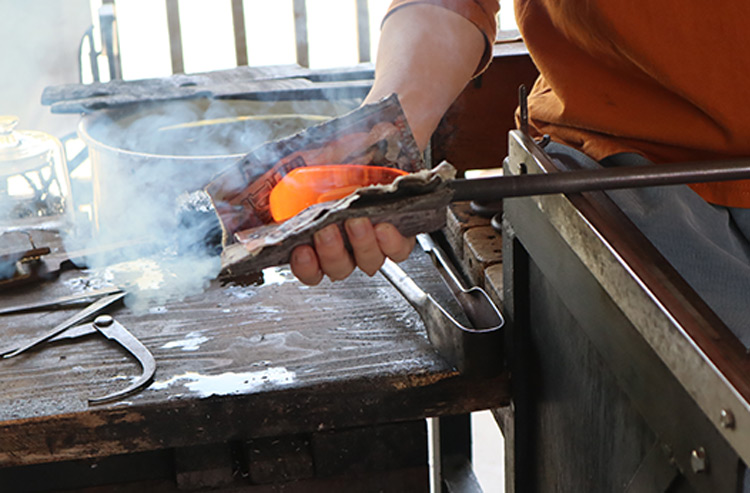
Ai Suzuki : On the first day of class, I was first of all shocked by how hot the glass studio was. I had no idea glass was that hot (laughs). If you work quickly, smaller items don’t get that hot, but at the beginning, I couldn’t manage all the steps and worked slowly. As a result, all the tools became too hot to hold, and I felt like, “I can’t do anything…”
Apprenticeship Days…
Hanada: What did you do after graduating from university?
Ai Suzuki : I learned about a private studio at Lake Toya in Hokkaido that worked exclusively with clear glass. During my student years, I didn’t know what I wanted to make or what I should make, and I used to think that using color could somehow express something, so I was surprised at the time. When I went to visit, they ended up letting me stay over to help out with the work as a work experience trial.
The photos had been lovely, but seeing the actual production scene, I thought, “How can they create so freely? This is amazing!” and intuitively decided to work there.
Hanada: It’s wonderful that you decided right away.
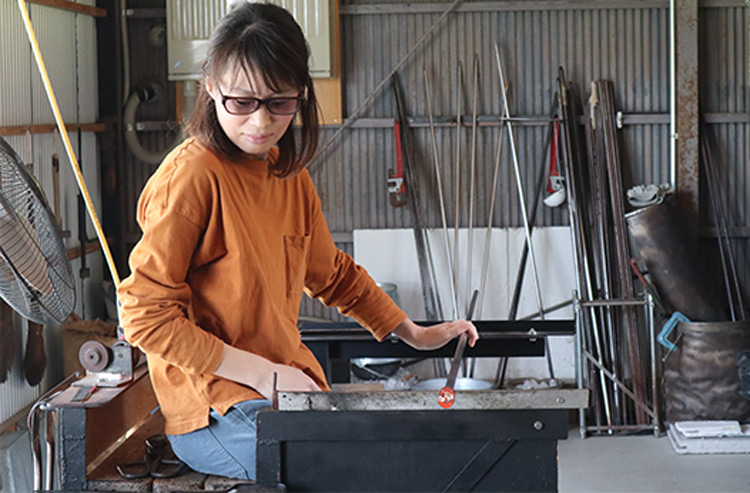
Ai Suzuki : Once I graduated and the actual work began, it was grueling. Everyone is kind during that one week of work experience, aren’t they (laughs)? In the first year, combined with the change of environment, I cried every day wanting to go home, but I endured, telling myself, “Let’s stick it out for three years anyway.”
Hanada: What kind of tasks does an assistant start with?
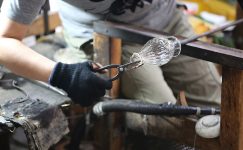
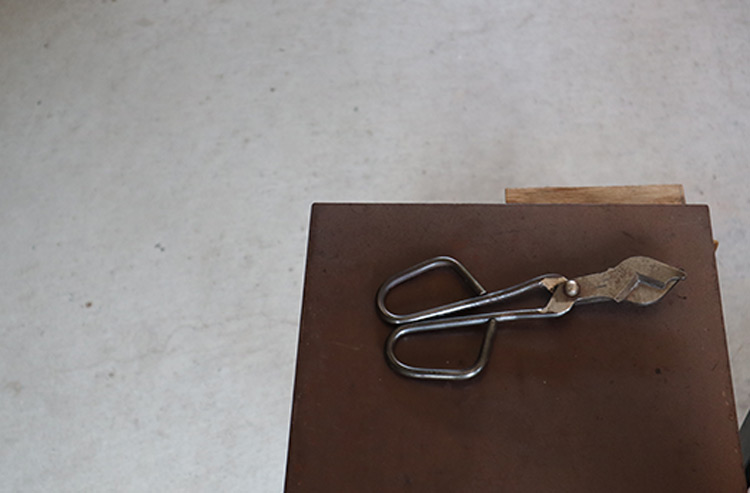
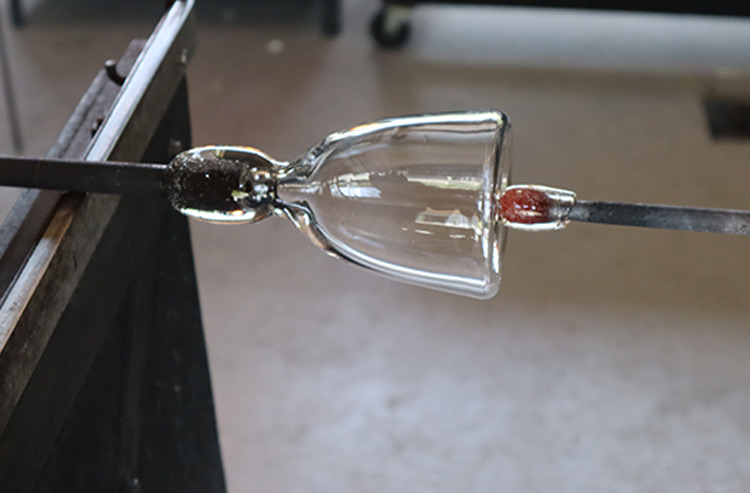
Ai Suzuki : First, making the punty to transfer the blowpipe, but I was so nervous that I couldn’t even make a good punty. At the knocking-off bench, I couldn’t smoothly detach the pieces from the punty, and even if I did, I was too terrified and trembling to put them into the annealing oven, dropping and breaking them.
When putting the finished pieces into the annealing oven, the inside is around 500 degrees, so if you are slow, it is incredibly hot and you get burned. Because I wasn’t used to it and was nervous, everything would go wrong. Well, it was truly a three-year period where I was allowed to learn so many things. Not just technical skills, but also endurance. Including collective responsibility, I was scolded very often (laughs).
Hanada: (Laughs)
Ai Suzuki : After that, I worked at Sarue Glass in Tokyo. My husband (Tsutomu Suzuki), who had originally been a staff member there, came to blow glass once a month as a freelancer.
Hanada: So that is where you met your husband. How was Sarue Glass?
Ai Suzuki : The difference from the private studio at Lake Toya was clear. There were many staff members, and I think their creative stance was very flexible.
Hanada: You learned endurance at your first workplace and flexibility at your second.
Ai Suzuki : I truly learned a great deal.
A Touch of Detail, for Everyday Use…
Hanada: And then you came here to Shizuoka, which is also your husband’s hometown.
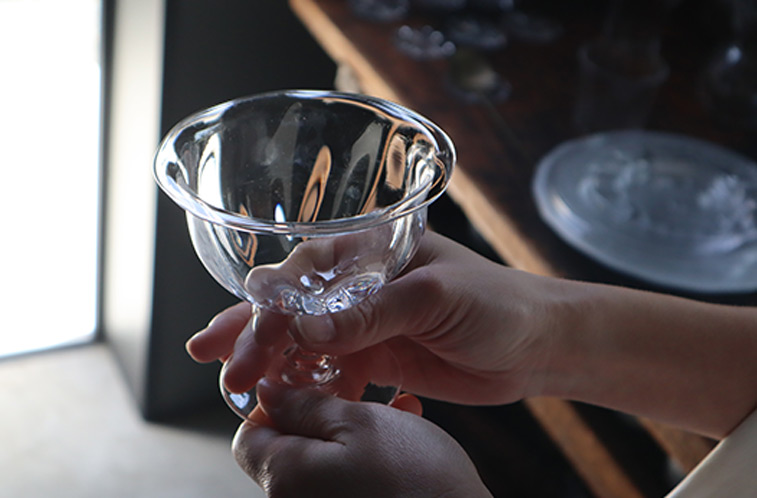
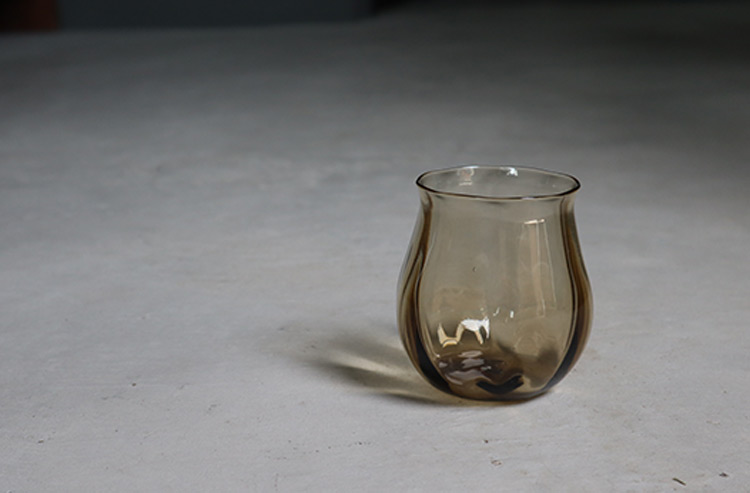
Ai Suzuki : It has been ten years. This is a piece I made in the early days, which I keep as a memento. I still make this shape today, but it looks completely different, doesn’t it? It’s a molded ball-footed glass.
Hanada: It has a charming atmosphere.
Ai Suzuki : It used to be quite plump. Since my student days, I have liked stemmed items and made them often, but my husband suggested that the stem might look better if it were a bit thinner and longer. After that, through trial and error, it took ten years to arrive at the current shape. I am grateful to my husband. Stemmed glasses lift your mood just by looking at them or using them, don’t they?
Hanada: Yes, they feel special. What kind of shapes do you admire or like?
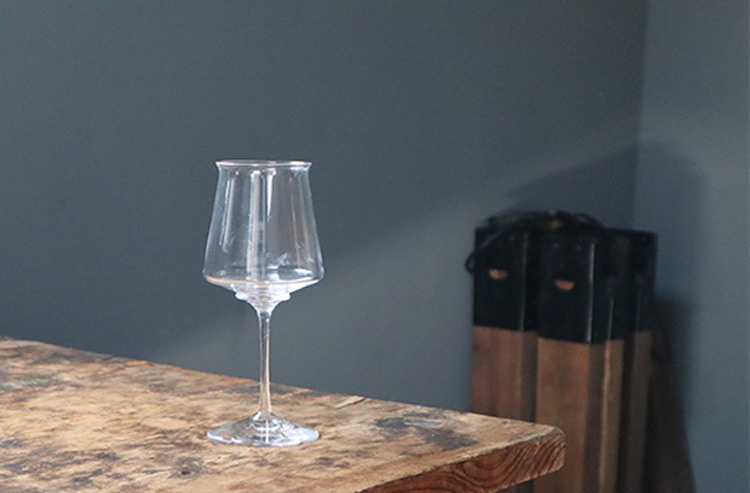
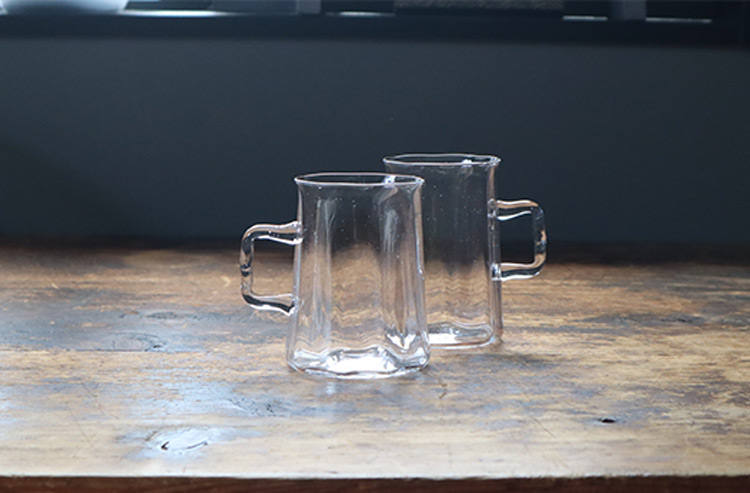
Ai Suzuki : I suppose shapes that have a unique touch of detail, like adding a stem or a handle. When I want to incorporate a sense of my own identity, I think it naturally takes this direction. However, since these are fundamentally items to be used, user-friendliness and ease of washing are the absolute prerequisites.
Hanada: What does “user-friendliness” mean to you?
Ai Suzuki : It means “making you want to use it every day.” Whether it’s for drinking water, cold tea, or alcohol, I want my pieces to be the kind of presence where you find yourself quickly reaching for them without them ever being put away in the cupboard.
Continuing the Journey…
Hanada: Looking back on your journey so far, is there anything that stands out in your mind?
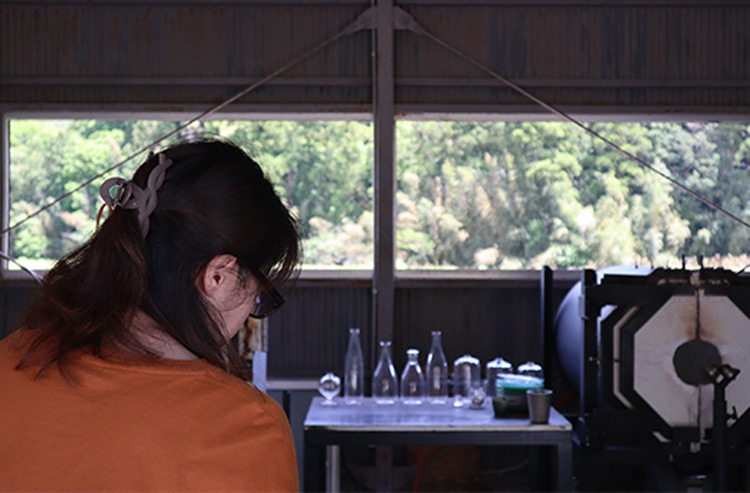
Ai Suzuki : Around the time we set up this studio, I kept experiencing nothing but failures; I wanted to make something, but found myself unable to create anything.
Ai Suzuki : I lost track of what I even wanted to make, and even if I did make something, it wasn’t as though I had a place to sell it. Still, I believed I shouldn’t give up and kept going. Even in that situation, my husband calmly went on creating and delivering to his clients. Unable to do anything myself, I was secretly feeling impatient and frustrated all on my own. From there, I managed to keep making things, and I gradually became able to transition from those plump stems and bases to more elegant, slender ones.
As I drew closer to what I had envisioned, I felt that on a technical level, my hard work had finally paid off. Then, at an exhibition somewhere, a customer spoke to me and said, “I’m a fan of your work, Ai.” I was surprised, thinking, “I have fans?” and felt from the bottom of my heart that I was glad to have kept going.
Brushing Up
Hanada: Is there anything you would like to do moving forward?
Ai Suzuki : I would like to refine and remake some of my previous works. For example, I have been making this bowl for two or three years, but I plan to try making a smaller version as a dessert cup. This was also a request from customers. I want to brush up my work by combining customer feedback with my own new ideas.
Hanada: It is exciting for customers to see the tableware evolve through a dialogue with the people who use it.
Ai Suzuki : I think it is wonderful to create pieces together with the user, rather than just making things solely based on my own thoughts. I am filled with gratitude for being able to continue making glass.
The Appeal of Glass
Hanada: Finally, is there anything else you would like to add?
Ai Suzuki : For me, the appeal of glass remains unchanged; it is still “sparkly and beautiful,” and I am constantly captivated by its light and shadows. That’s why I can’t stop. No matter how bad things get, there are many times when I am saved by the light and shadows. I hope that this appeal of the light and shadows of glass reaches the customers as well.
Hanada: Thank you very much.
≪ END ≫
ガラスの世界へ
花田:ガラスのうつわ作りに至るまでのお話をお聞かせください。(以下花田-)
鈴木:高校卒業後の進路で悩んでいた時期に、両親が幼少期に白馬村へスキーに連れて行ってくれていたのをふと思い出したんです。
その近くにはガラス工房の施設があって、2階からは、ガラス職人の製作を見学できました。
子供ながらその光景を見ながらドキドキワクワクしていた事を思い出し、自分もガラスを作ってみたいとこの世界に足を踏み入れました。
-:進路に影響を与えるまでだったわけです。
鈴木:別に美術の成績が良かったわけでもなかったのですが、美術大学のガラス科の受験を決めたのが、高校3年生の夏です。
試験は10月であと2カ月しかありません。
準備はギリギリでした。
デッサンすらやったことありませんから、線をまっすぐに引くことすらできない。
「こんなんじゃ間に合わない」などと画塾の先生に現実を突きつけられながらも挑みました。
-:それでも、見事合格されました。
鈴木:合格ライン、ギリギリだったと思います。
-:大学はいかがでしたか。
鈴木:授業初日、まずガラス工房の暑さに驚きました。
ガラスがこんなに熱いって知らなくて・・・(笑)。
サッサと作業すれば小さいものであればそこまで熱くないんですけど、最初は全ての工程が出来ず、作業スピードも遅いため道具も全部熱くなって、持てないし「もう何もできない・・・」みたいな。
アシスタント時代・・・
-:大学卒業後はどうされたのですか。
鈴木:北海道の洞爺湖で、透明ガラスだけでやっている個人工房を知りました。
学生時代は、何を作りたいのか、作ればいいのか分からない状態で「色を使えばなんとなく表現できる」みたいに思っていたので、当時は驚きました。
見学に行ったら、職業体験として泊まり込みで仕事のお手伝いをさせてもらうことになって・・・。
写真も素敵でしたが、実際制作風景を見たら「なんでこんなに自由に制作できるんだ、すごい!」と思い、直感的にここで働こうと決めました。
-:すぐ決まってよかったですね。
鈴木:卒業後、実際仕事が始まってみると、過酷でした。
職業体験の一週間は、みんな優しいですよね(笑)。
最初の1年は、環境の変化も相まって毎日「帰りたい」って泣いていましたが「とりあえず3年頑張ろう」って耐え凌ぎました。
-:アシスタントは何から始まるのですか。
鈴木:まず、竿を取り替えるためのポンテ作りですが、緊張しすぎて、ポンテもうまく作れない・・・。
落とし台で、作品もうまくポンテから取れないし、取れたとしても、徐冷炉に入れるのも怖くて震えて落として作品を割ってしまったり・・・。
徐冷炉に出来上がった作品を入れる時にも、炉内は500度ぐらいあるので、ゆっくりしていると、すごく熱くて、火傷してしまいます。
慣れない上に緊張しているから、全てがうまくいかなくなるんです。
まあ、本当に色々なことを学ばせてもらった3年間でした。
技術的なことはもちろん、忍耐力も・・・。
連帯責任も含めて、本当によく怒られました(笑)。
-:(笑)
鈴木: その後、東京の猿江ガラスに勤めました。
もともとスタッフだった主人(鈴木努さん)がフリーランスで月に一度、ガラスを吹きに来ていました。
-:ご主人ともそこで出会われたのですね。
猿江ガラスさんは、いかがでしたか。
鈴木:洞爺湖の個人工房との違いは明らかでした。
スタッフもたくさんいて、制作スタンスも柔軟だったと思います。
-:1つ目の勤め先では忍耐を学び、2つ目では柔軟性を学ばれたのですね。
鈴木:本当に色々勉強させていただきました。
ワンポイント、毎日使える・・・
-:そして、ご主人の地元でもあるこちら(静岡)に来られました。
鈴木:10年経ちます。これが初期に作っていたもので、記念に取ってあります。
形としては今も作っていますが、全然違いますよね。モールタマアシグラス。
-:可愛い雰囲気ですね。
鈴木:ポテっとしていました。
学生の時から、足付のものが好きで、良く作っていたのですが、主人が「この足はもうちょっと細くて長い方がいいんじゃないか」って言ってきて、そのあと試行錯誤しながら、10年かけて今の形に至りました。
主人には感謝をしています。
足付きのグラスって見ていても使っていても気分が上がりますよね。
-:はい、特別な感じがします。亜以さんが、憧れる形や好きな形は、どのようなものなのですか。
鈴木:ワンポイントがあるもの・・・、でしょうか。足がつくもの、取っ手がつくもの。
「自分らしさ」は何かしら取り入れたい・・・と思った時にこういう風になるんだと思います。
ただ、基本的には使うものなので、まずは使いやすさ、洗いやすさ前提です。
-:亜以さんの考える「使いやすさ」はどのようなものなのでしょうか。
鈴木:「毎日使いたくなる」です。
水を飲むにしても、冷茶を飲むにしても、お酒を飲むにしても、食器棚にしまうことなく「サッと手に取ってしまう」ような存在でありたいです。
続けてこられて・・・
-:ここまでやってこられて印象に残っていることはありますか。
鈴木:ここを立ち上げた頃、失敗ばかりで、何か作りたいのに、何も作れないということが続きました。
鈴木:作りたいものが何かも分からなくなってしまって、作ったところで別に売るところがあるわけでもない。
でも、諦めちゃいけないと思って、続けました。
そんな状況でも、主人は淡々と制作をして取引先に納めて…。
何も出来ない自分に、一人勝手に焦って荒んでいました。
それからなんとか作り続けて、このポテっとしたステムや台から、スマートにできるようになってきました。
自分が思い描いていたものに近づいてきて、技術面では、頑張りが報われたなと思いました。
そして、どこかの展示会でお客様に「亜以さんのファンです」と声を掛けられたことがありました。
「わたしにファンがいるの?」って驚きましたし「続けてきてよかった」って心から思いました。
ブラッシュアップ
-:これから、していきたいことなどはありますか。
鈴木:これまでの作品に手を加えてリメイクしたいです。
例えば、このボウルは2、3年前から作っていますが、デザートカップとして小さめに作ってみるつもりです。
お客様からの希望でもありました。お客様の声や、自分なりの新たなアイデアをブラッシュアップしていきたいです。
-:使う方々との対話を経て、うつわが展開していくのは、お客様にとっても楽しみです。
鈴木:自分の思いのみで作っていたものを、使い手と通じて作り上げていくことも素敵だなと思います。
ガラス制作を続けられていることに感謝で一杯です。
ガラスの魅力
-:最後に何か言い残されたことはありますか。
鈴木:私にとってのガラスの魅力は「キラキラできれい」ということは今でも変わりませんし、ガラスの光と影に魅了されっぱなしです。
だから、やめられない。
どんなに嫌なことがあっても、光と影で救われることもたくさんあります。
「『ガラスの光と影の魅力』がお客さまにも伝わればいいな」と思います。
-:有難うございました
▼鈴木亜以×鈴木潤吾×松本優樹 三人展のご案内はこちらから ▼

関連記事はこちら