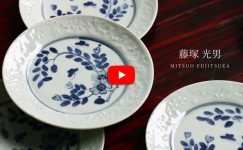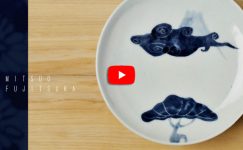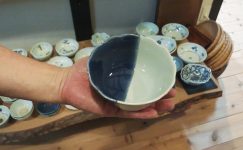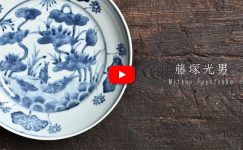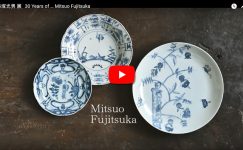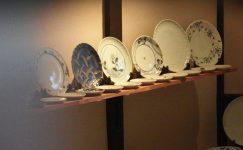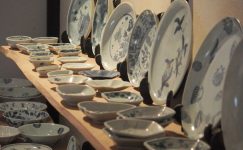







English version of the interview here.
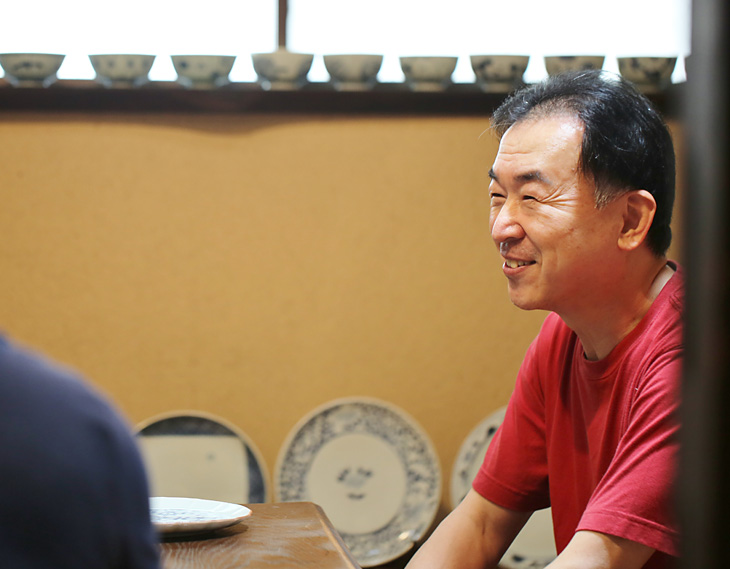
Seeking Freedom Rooted in Emotion
Hanada: How did making tableware become your profession?
Mitsuo Fujitsuka : I never really wanted to work as a salaried company employee (laughs). At first, I aspired to do Japanese traditional painting. When I was a student, I used to sketch a lot in the neighborhood where I lodged, and there was an elderly man who would quietly watch my work. We started talking, and since we lived close by, I began visiting his home. After a while, I discovered that he was Futarashi Toriumi, a master of ink wash painting. So, I asked to become his apprentice. He told me, “When we were young, painters could get away with buying rice at New Year’s and paying for it at the end of the year, but those times are probably gone. At least graduate from university. If you still want to do it after that, come back to see me.”
Hanada: You still remember those exact words. And after entering university, as your interests expanded, you came to know about Hideo Hata, right?
Mitsuo Fujitsuka : Back then, Hideo Hata wrote frequently for magazines like ‘Me no Me’ and ‘Ginka’. At a time when I thought pottery meant the kind of things exhibited at major exhibitions like Nitten, I encountered his writing.
Hanada: So, it was his writing that sparked your interest.
Mitsuo Fujitsuka : Yes, along with a photograph of an early Imari sencha teacup. I was instantly captivated, realizing that such a world existed. It was a realm completely unknown to me until then, and the text truly moved me.
Hanada: What was it about them that drew you in so strongly?
Mitsuo Fujitsuka : Ultimately, the fact that they were functional tableware. Also, they were entirely different from the flashy, glittering decorative pieces I had seen before. When considering my own personality, I felt this direction suited me much better. Plus, I figured if I worked on tableware, I wouldn’t starve (laughs). As long as humans exist, tableware is always necessary, right?
Hanada: And that led you to meet Hideo Hata?
Mitsuo Fujitsuka : Right after reading his series, I wrote him a letter. I never expected a reply, but in less than a week, he wrote back saying, “My son runs a studio over in Kanazawa. Why don’t you tag along when I head down there?” That is how he brought me to Kutani Seiyo.
Hanada: Wow, and that brings us to where you are today.
Mitsuo Fujitsuka : It has been 41 years since then.
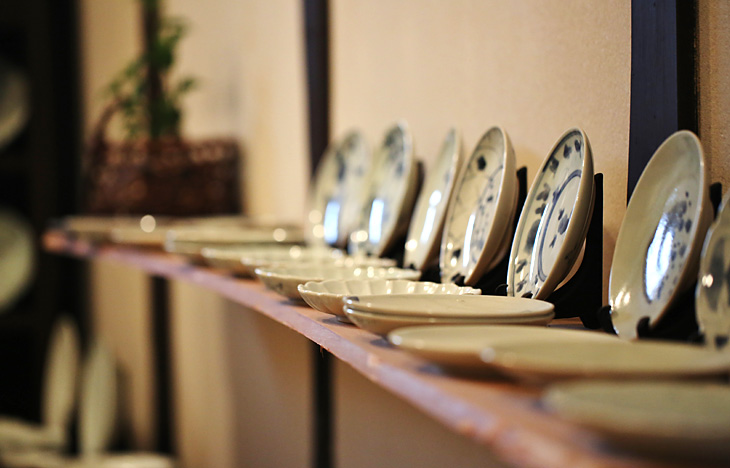
Hanada: Was your work based on early Imari right from the start?
Mitsuo Fujitsuka : Well, we have Shunzo Masaki for Kosometsuke (old blue-and-white). I knew that if I tried my hand at Kosometsuke now, I could never compete with him, but I thought I could manage with Ko-Imari (laughs). Back then, not many people were focusing seriously on Ko-Imari. I even went to see it in Arita. Everyone there was incredibly kind.
Hanada: That must have been wonderful.
Mitsuo Fujitsuka : Everyone gladly showed me around. What surprised me was that even at workshops producing what we would now call mass-produced items, if you went to the back, they usually had a magnificent storehouse containing excellent collections of celadon and ceramic shards.
Hanada: Your work is based on Ko-Imari, particularly from the early period.
Mitsuo Fujitsuka : As you move into the middle and late periods, the patterns become highly stylized and design-oriented, and I never grew fond of that style. Of course, there are interesting pieces from those later periods, so I sometimes adapt those ideas into an early Imari style.
Hanada: What do you mean exactly by “design-oriented”?
Mitsuo Fujitsuka : Things that are too rigid, or where the motif has become just a painting. It feels like it is no longer an illustration meant for tableware.
Hanada: You mean it feels like a standalone painting rather than a pattern?
Mitsuo Fujitsuka : Exactly. In the early pieces, emotion came to the forefront rather than calculated design, and I think that is why they moved me so deeply.
Hanada: The maker’s mood at that moment comes through more clearly.
Mitsuo Fujitsuka : Things captured through emotion possess freedom, don’t they? While early pieces might be technically unrefined as drawings, they are free and unconstrained. I find that much more interesting, and I have worked with the hope of making tableware like that myself.
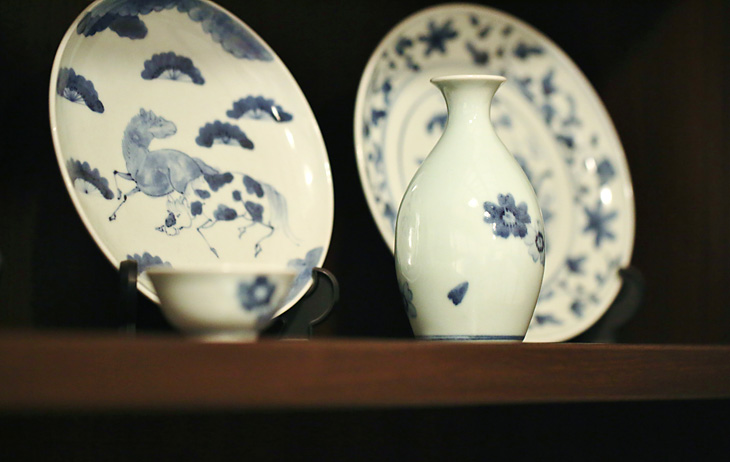
Hanada: Do you feel anything specific regarding the inherent power of the material or clay body that early Imari possesses?
Mitsuo Fujitsuka : Early pieces have very small feet and are quite thick. Since no one knew how to throw porcelain on the wheel initially, Karatsu artisans were likely throwing them. Karatsu pieces are thrown exactly that way.
Hanada: And you find that quality appealing.
Mitsuo Fujitsuka : Yes, for early pieces. However, the difficult part is that if you mimic that now—making the foot small and the base solidly thick—the piece itself might look nice, but it severely limits what can be served on it, especially for standard five-sun (approx. 15cm) plates. It ends up being suitable only for dry foods, or for placing just a tiny portion right in the center. It looks stylish, but it does not really work for modern lifestyle.
Hanada: A “dry food plate” to rival pasta and curry plates? That sounds like a tough sell (laughs).
Mitsuo Fujitsuka : Adapting to modern life while digesting tradition. Striking that balance is the difficult part.
Hanada: Lately, we are seeing an increase in reproductions of antique ceramics again.
Mitsuo Fujitsuka : There are various people doing it in Kyushu as well. It is a good thing that more talented people are emerging.
Hanada: What have been the most challenging aspects for you as you developed your ideal tableware?
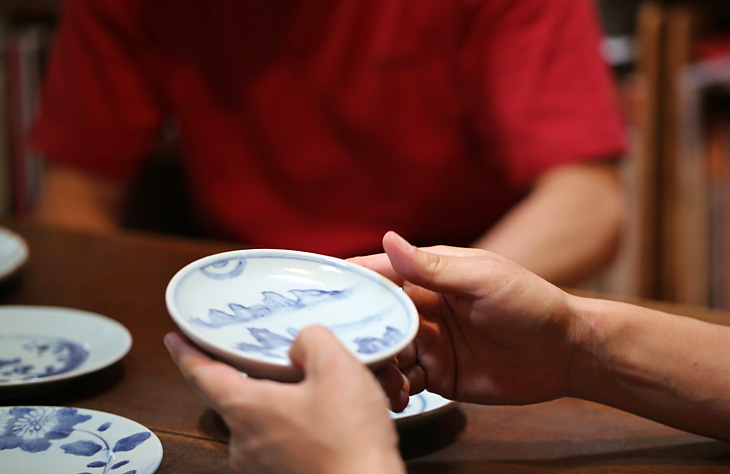
Mitsuo Fujitsuka : I wouldn’t call it a struggle, because it is not finished yet (laughs). There is no finish line. I just have to keep moving forward while learning from various people. For example, look at this early Joseon Dynasty piece I was asked to replicate.
Hanada: It carries a real presence and weight.
Mitsuo Fujitsuka : It is heavy, isn’t it? It truly feels like throwing a solid lump of clay. Reasonably speaking, this would not function in today’s dining habits (laughs).
Hanada: (Laughs) It would be tough if everything were like this, but having one occasionally adds to the fun. It makes you want to serve dry snacks on it.
Mitsuo Fujitsuka : Being given the opportunity to do this kind of work is something I am very grateful for. If I were just thinking on my own, the idea to replicate something like this would never occur to me. Even if I saw it, I probably would have dismissed it from the start, thinking it was too heavy and impractical for modern use.
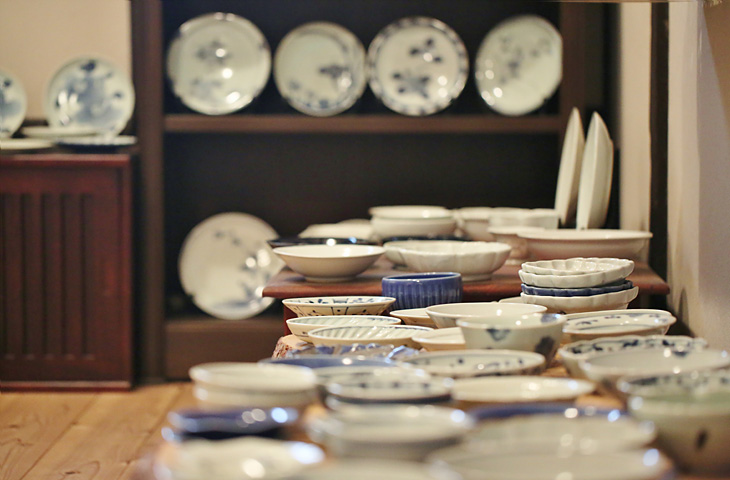
Hanada: Is there any specific work you would like to pursue moving forward?
Mitsuo Fujitsuka : I want to produce in volume so my brushwork becomes even more natural. Ultimately, it would be wonderful if I could strip away various elements and make a piece stand on its own with just a simple painted design, but that is genuinely difficult. Making a piece compelling with only a minimal touch of painting is incredibly hard. Early pieces have a striking presence from just a quick, spontaneous stroke.
Hanada: Among everything you have created so far, are there any pieces you feel a particularly strong attachment to?
Mitsuo Fujitsuka : Rather than a sentimental attachment, there are items I have continued to make ever since I went independent. I made quite a few of these for Hanada over the years. This was originally a soba choko cup with this pattern, and I turned it into a plate by adding some lines and a stepped rim.
Hanada: What are the moments that bring you joy or make you glad you chose this path throughout your career?
Mitsuo Fujitsuka : It is definitely the joy of the people who buy the pieces. Hearing them say things like “It is so easy to use” or “It makes the food look beautiful” is the highest praise for a maker.
Hanada: Before your solo exhibition, we also have exhibitions for Mansaku Nakao and Kyoko Hayashi. Mansaku Nakao laughed and said, “Aren’t we just going to cancel each other out?”
Mitsuo Fujitsuka : That sounds just like him (laughs). Mansaku Nakao, Kyoko Hayashi, then me?
Hanada: A succession of former Kutani Seiyo alumni. Now, I hear that you occasionally interact with younger makers. Do you have a message for them?
Mitsuo Fujitsuka : I cannot say anything grand (laughs). Young people these days study old pieces thoroughly, which I think is wonderful. Now they need to express that knowledge in a way that fits tableware for modern life. Replicating old works builds strength and offers great lessons, so it is worth doing. But if you stop at replication, it becomes uninspiring. It is merely a means of study. I believe the same applies to people like Shunzo Masaki; as you keep practicing, the work conforms to your hands, and what you create becomes your own. Even when replicating Ko-Imari, it should eventually become the work of Mitsuo Fujitsuka.
Hanada: One should have their own interpretation and expression of the object. In that sense, while your direct inspiration may be early Imari, you seem to absorb a wide variety of influences from different sources to create your own world.
Mitsuo Fujitsuka : I might have mentioned this before, but I don’t think friends within the same trade are all that necessary. Encountering people from different fields and meeting a variety of individuals provides far more stimulus and learning opportunities. I don’t see much value in potters gathering to fuss over things amongst themselves. Even among creators, there are painters, musicians, and all sorts. It is beneficial to meet diverse people. It leads to many discoveries and becomes a source of energy before you even realize it.
Hanada: Whenever I speak with you, names of prominent figures from various fields always come up.
Mitsuo Fujitsuka : For me, the Japanese traditional painter Koichi Takeuchi is a source of emotional support. He was the top apprentice of Kayou Yamaguchi, and I met him at a drinking establishment in Kanazawa. Without knowing who he was, and simply because I loved painting, I just went on and on, passionately sharing my opinions on art with him. I think that was a year or two before I went independent. When you don’t know any better, you can do anything (laughs). Thinking back on it now makes me break into a cold sweat, but our acquaintance has continued ever since.
Hanada: That passionate outburst was the very beginning of your relationship.
Mitsuo Fujitsuka : At that moment, I was genuinely giving it my all (laughs). He let me know when the sliding door paintings at Daitoku-ji Hoshun-in were completed, so I went to see them, and they were magnificent.
Hanada: I would love to visit during the next public viewing! Lastly, do you have any thoughts regarding the upcoming solo exhibition?
Mitsuo Fujitsuka : This is my first solo exhibition at Hanada, so I hope to show a comprehensive view of my work so far.
Hanada: A comprehensive collection of your journey, along with new pieces that show a refreshing sense of playfulness. We look forward to it.
Mitsuo Fujitsuka : Thank you, I look forward to it too!
≪ END ≫
心情でとらえた自由さを求めて・・・
花田: どういういきさつで、うつわ作りがお仕事になっていったのですか。(以下 花田-)
藤塚: 元々会社員として勤める気はなくて(笑)、最初は日本画を志していました。
学生の頃、下宿先の近所でよくスケッチをしていたんですが、自分の絵をじっと見るおじいちゃんがいたんです。
色々話すようになって、近所だったし、その人の家に遊びに行くようになった。
しばらくするとその人が鳥海二楽子という水墨画の先生だということを知るんです。
それでその人に、弟子入りを願い出でたんですよ。
そうしたら「僕らの若い時は、絵描きが正月に買ったお米代を年末に払っても許される時代だったけども、恐らくこれからはそういう時代じゃないから、大学だけは出なさい。
そして、それでもやりたかったら、もう一度来なさい」って言われてね。
-: 今でも覚えているんですね、その言葉。そして大学入学後、自身の興味の幅が広がっていく中で、秦秀雄さんを知ることになるわけですか。
藤塚: 当時、秦秀雄さんは「目の眼」や「銀花」で、よく文章を書いておられました。
日展みたいなものに出るものが焼き物だ、っていう風に思っている時に秦秀雄さんの文章に出会ったんです。
-: 文章がきっかけだったのですね。
藤塚: そうそう、あの初期伊万里の煎茶碗の写真とね。
こういう世界もあるんだって、いっぺんに惹き付けられてしまって・・・。
それまで自分が全く知らない世界であったし、その文章に感動してね。
-: 藤塚さんは、それらの何にひきつけられたのでしょうか。
藤塚: やはり”使える食器”であったというところ。
それと、それまで見てきたキンキンキラキラの飾り物と全く違うものだったから。
自分の性格とか色々考えたときに、こっちのほうが向いているなって。
それに、食器の仕事なら食っていけないこともないだろうと(笑)。
食器は人間がいる限り必ず必要でしょ?
-: そして、秦秀雄さんに会うことに?
藤塚: 連載読んだ後、すぐ秦さんに手紙を書いたんだ。
返事なんてくるわけないと思っていたら、一週間もしないうちに「息子が金沢のほうで、工房やっているから、そっちへ行く時ついてこないか」って返事が来てね。
で、九谷青窯連れて行ってもらったわけです。
-: へえ、それで今に至るんですね。
藤塚: あれから41年ですよ。
-: 仕事は最初から今のように初期伊万里をベースにしたものだったのですか。
藤塚: 古染付は正木春蔵さんがいるでしょう。
いまさら、古染付やってもあの人には到底適わないし、でも古伊万里ならなんとかなるなって、当時考えてね(笑)。
当時は、本格的に古伊万里やっている人、そんなにいなかったし。
有田にも見に行きましたよ。
有田の人たち、みんなとても親切でね。
-: よかったですねー。
藤塚: みんな、どんどん案内してくれました。それと驚いたのが、今でいう量産品的なものをつくっていることころでも、奥に入っていくと大体立派な蔵があって、そこには、青磁やら陶片やら、立派なコレクションがあるんです。
-: 藤塚さんの仕事は、古伊万里、特に初期のものをベースにしています。
藤塚: 中期、後期に行くに従って、文様がデザイン化されていってしまうんだけど、そのデザイン化されたものがあまり好きになれなくてね。
もちろん中後期で面白いものもあるんで、そういうものを初期伊万里風にアレンジして、作ることはしています。
-: 藤塚さんの言われる「デザイン化されたもの」っていうのはどういうことを差すのですか。
藤塚: カチッとし過ぎているもの、というか絵になっちゃっているもの。
なんというか、もううつわの絵じゃなくなっている。
-: 文様じゃなくて、絵になっている、みたいな?
藤塚: そうそう。
初期のものは計算されたデザインよりも心情的なものが表に出ていて、そういう意味で感動が大きかったんだと思います。
-: その時の作り手の気分がより伝わってくると。
藤塚: 心情でとらえたものって、自由じゃないですか。
初期のものって絵としては稚拙なのかもしれないけど、自由で伸び伸びしているでしょう。
そういうもののほうが面白く感じるし、自分もそういううつわが作れたらいいなって思いながら仕事をしてきました。
-: あと、初期伊万里が持っている地の力、というか素地が持っているチカラって、なにか感じることありますか。
藤塚: 初期のものって、高台がすごく小さくて、で分厚い。
多分最初は磁器のロクロのひき方なんて誰も知らないから、唐津の職人がひいている。
唐津ってこういうひきかたするじゃないですか。
-: そういうものが、またよいと。
藤塚: そう、初期のものはね。
でも難しいのは、そのまま今、高台小さくして、足元ガッチリ分厚くして・・・みたいなことするとね、もの単体としては、それはそれでいいのかもしれないけど―特に五寸とかそういうものになってくると―盛るものが相当限られてくるんですよ(笑)。
乾きもんくらいになってしまう。
中央にちょこっと、みたいな感じに。
まあ、格好は良いんだけど、それじゃあ、現代にはなかなか通用しないよね。
-: パスタ皿、カレー皿に対抗して「乾きもの皿」ですか。分が悪いですね(笑)。
藤塚: 現代への適応や、伝統の咀嚼。その辺の塩梅が難しい。
-: 最近また、古陶の模しが増えてきました。
藤塚: 九州でも色々いるよね。ちからのある人が増えてくるのはよいことです。
-: 藤塚さんが、ご自身の目指すうつわを完成していく中で、苦心された部分は何なのでしょうか。
藤塚: 苦労したもなにも、まだ完成していないからさ(笑)。
ゴールは無いですよ。色々な人に色々な勉強をさせてもらいながら進んでいくしかない。
例えば、これも模しを頼まれた初期の李朝。
-: ズンときますね。
藤塚: 重いでしょう。これほんとうに土の塊ひいているみたい。
普通に考えたら、これは今の食生活では機能しない(笑)。
-: (笑)ぜんぶこれじゃあ困るけど、たまにはあると楽しいですね。それこそ乾き物載せたくなる。
藤塚: こういう仕事をする機会をもらえる、というのもとてもありがたい話しでね。
自分ひとりで考えていたら、こういうものを模そうという発想にはならない。
見たとしても「重たいし、現代では使えないな」と、はなから決めてしまっていたと思う。
-: これからしていきたい仕事、具体的には何かありますか。
藤塚: 数こなして、筆がもっと慣れてきてね。
最終的には色々なものが少しづつ省けていって、簡単な絵付けで、もたせることができれば最高なんだけど、それはやっぱり難しい。
ちょっとした絵付けだけで、もたせるのは本当に難しいと思う。初期のものはサッと描いただけで存在感あるからねえ。
-: 今まで作られた中で、特に思い入れの強いものはありますか。
藤塚: 思い入れと言うか、独立当初から作り続けているものはありますよ。
これなんか、花田さんにも随分作ったなあ。
これは元々こういう文様の蕎麦猪口があって、それをちょっと線入れて段つけて、皿にしてみた。
-: これまでうつわ作りの仕事を続けてきて嬉しかったことや、やっていてよかったとなって思うこと、どのようなことなのでしょうか。
藤塚: それはもう、買ってくれた人の喜びですね。「使いやすいねー」とか「料理が映える」とかって言って下さるのが、作り手としては一番の褒め言葉かな。
-: 藤塚さんの個展の前に万作さんや林京子さんの個展もあります。
万作さんが「潰し合いじゃないかよ」って言って笑っていましたよ。
藤塚: 万さんらしいね(笑)。万作さん、林さん、藤塚?
-: 青窯出身者が続きます。
さて、藤塚さん、若いつくり手の人たちともたまに交流されている話しをたまに聞きます。
そういった人たちへ何かメッセージいただけませんか。
藤塚: 格好いいこと言えないよ(笑)。最近の人たち、結構古いものをちゃんと勉強されているでしょう。良いことだと思います。
それをいかに現代の生活にあった食器として表現していくのかっていうことをしていかなきゃいけないと思う。
模しって、力もつくし、勉強になるからやったほうがいいと思うけど、でも模しだけで終わっちゃうと、つまらない。
勉強の手段だからね。正木(春蔵)さんなんかもそうだと思うんだけど、やっていくうちにその人の手に馴染んできて、作るものがその人の品物になるじゃないですか。
古伊万里の模しやっていても、それは藤塚光男の仕事になっていくべきだと思っています。
-: ものに対して、その人なりの解釈、表現なりがあるべきですね。
そういう意味では藤塚さん、直接的には初期伊万里かもしれませんが、恐らく色々なものから様々なことを吸収されていますよね。
自分の世界を作り出すために。
藤塚: 前にも話したかもしれないけど、同業者の友達って、僕はそんなに必要ないと思う。
違う分野の人と出会って、色々な人たちと会うほうが、刺激になるし、勉強にもなる。
焼き物屋同士が、そこらへんでゴチャゴチャやっていても、どうしようもないと思う。
モノ作る人だけにしたって、絵描いていたり音楽やっていたり、様々ですから。
色々な人と会うといいですよ。そうすると発見も色々あるし、知らないうちに自分のエネルギ-になると思います。
-: 藤塚さんと話していると、多彩な分野の方々の名前が出てきますものね。
藤塚: 僕にしてみると、日本画家の竹内浩一さんは、心の支えです。山口華楊さんの一番弟子で、金沢の飲み屋で出会ったんです。
その人がどんな人かも知らないで、絵が好きだったから、竹内さんに向かってブワーって絵に対する自分の意見言いまくっちゃったのよ。
僕が独立する1-2年前くらいだったかな。知らないとなんでもできるよね(笑)。
あとから考えるとゾッとしたけど、それからそのお付き合いは続いている。
-: そのブワーがあってこそのお付き合いの始まりだったのですね。
藤塚: その瞬間は本当に一生懸命やってんのよ(笑)。
竹内さん、大徳寺芳春院の襖絵ができたって教えて下さったから見に行くことができたんだけど、すごくよかった。
-: 次の公開のとき行ってみたいです!
さて最後、個展に向けてなにかありますか。
藤塚: 花田さんでの個展は初めてだし、いままでの仕事を全体的に見てもらいたいなって考えています。
-: 今までの総集編、そして新作も遊び心を感じる新鮮なものですね。宜しくお願いします。
藤塚: よろしく!
関連記事はこちら