








English version of the article here.
Joboji Urushi: The Pinnacle of Domestic Japanese Lacquer
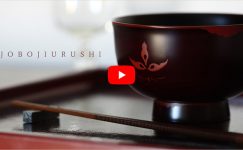
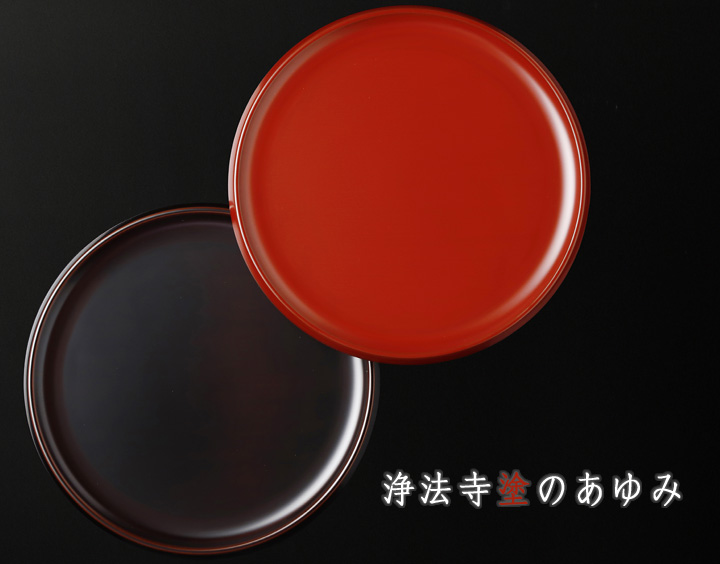
Joboji lacquerware makes generous use of precious domestically harvested urushi.
Its quiet, plain finished surfaces in vermilion, black, and dark red acquire a deeper, more beautiful luster with every use.
However, after World War II, changing lifestyles and food culture, along with the influx of inexpensive imported lacquer and plastic items, brought Joboji lacquerware to a temporary halt.
Under these circumstances, a lacquer craftsman stepped forward to pursue the art of lacquerware making, carrying on the determination of his father, a lacquer harvester who had sought to revive the craft.
At a time when elaborate gold-sprinkled maki-e designs dominated the spotlight, he quietly kept making unadorned soup bowls to bring out the natural quality of urushi.
As a result, he developed a technique unique to a lacquer-producing region: applying multiple layers of pure urushi.
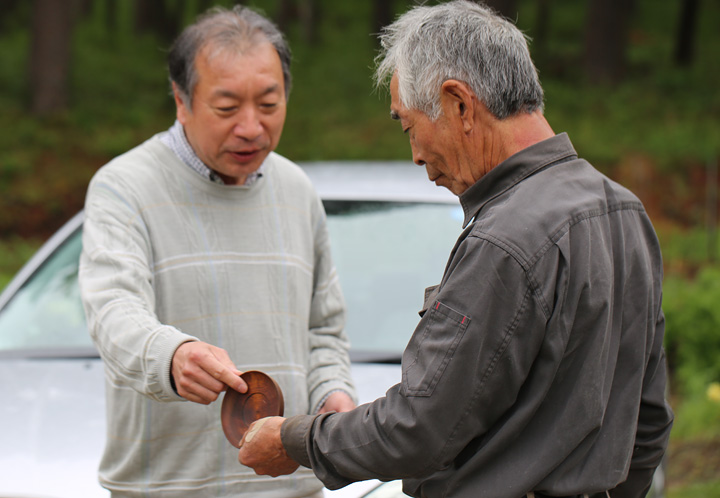
Eager to share these unadorned Joboji soup bowls with as many people as possible, he visited tableware shops throughout Tokyo together with a supportive instructor from the local testing center. This journey led to his first meeting with our shop.
In the 40 years since, many talented craftspeople, as well as the artisans at Tekiseisha in Ninohe City, have emerged to carry on the tradition of Joboji lacquerware.
Along this long path of challenges, the presence of a skilled woodturner has been essential.
The craftsman places complete trust in the woodturner’s finishing touches, which subtly capture and enhance the maker’s intent.
At the Joboji Urushi Exhibition starting November 21, 2018, special pieces and new creations crafted by these two masters—rarely seen elsewhere—will be on display.
We hope you look forward to it.
The Origin: Hasori Bowl
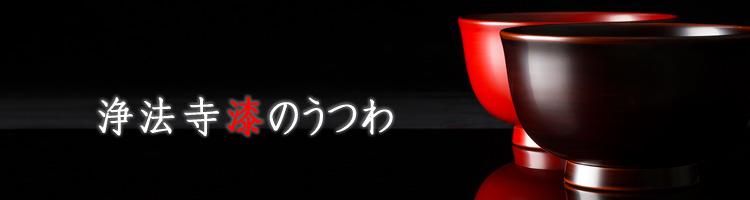
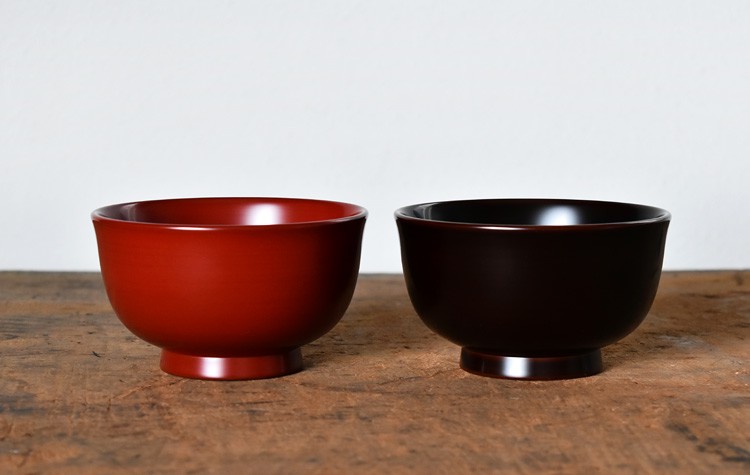
The Hasori bowl is a signature creation crafted over many years.
Gently rounded overall with a slightly flared rim,
this soup bowl possesses a generous, quiet beauty.
The wooden base is carved slightly thicker
so it can be handled effortlessly in everyday dining,
and its ample size makes it a popular choice for enjoying
a wide variety of dishes, including miso soup, hearty vegetable soup, zoni, and rice porridge.
Repeated Layering of Urushi
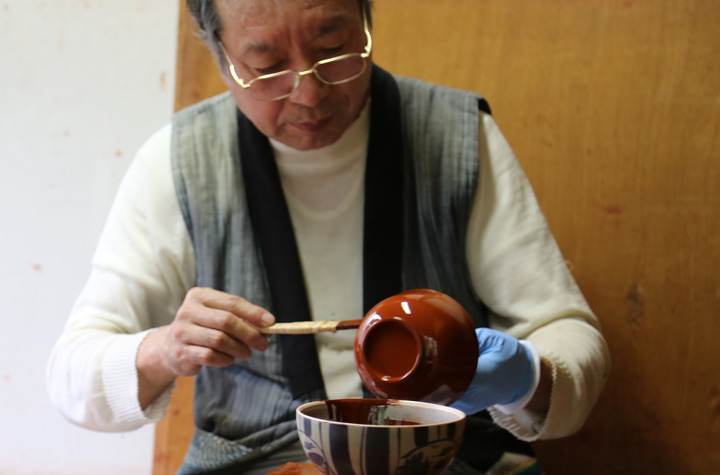
The technique of repeatedly applying lacquer and polishing it is unique to Joboji lacquerware.
When he first visited our shop, he expressed his determination to revive Joboji lacquerware by taking full advantage of producing everything locally—from raw materials to the finished product. The Hasori bowl is the true embodiment of that dream.
Harvesting Urushi Himself
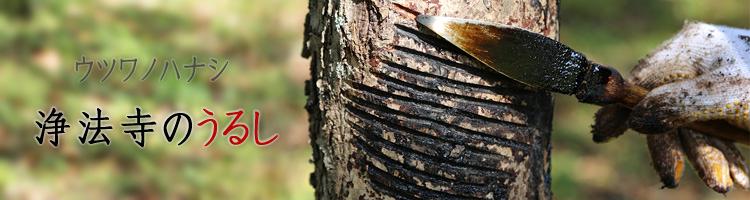
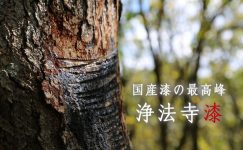
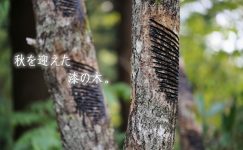
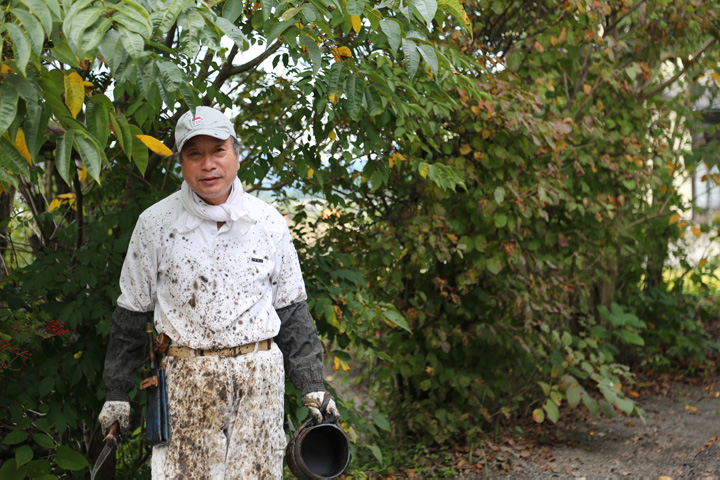
He also harvests urushi himself.
When the harvesting season begins around mid-June,
his busy routine involves heading into the lacquer forest early in the morning several times a week.
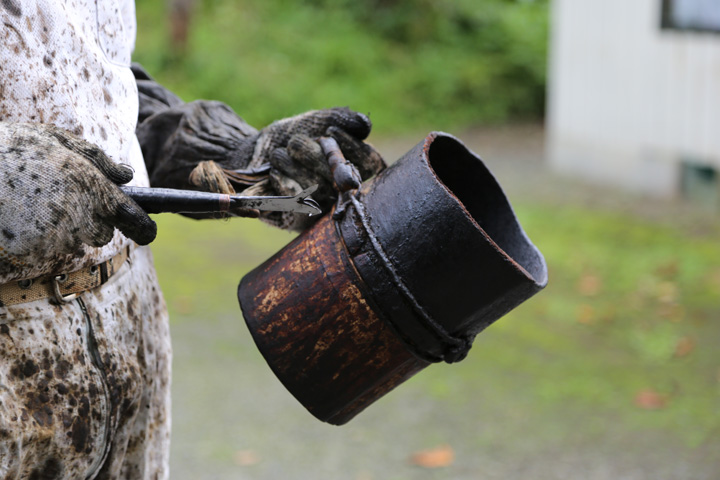
“My father harvested urushi, but he never taught me step-by-step. I started by watching and imitating, so my way is self-taught. Everyone else is much better at it,” he says.
He goes on to refine the urushi in his own workshop, securing a full year’s supply of raw material.
Once the harvesting season ends, he enters a busy period crafting lacquerware for the New Year.
He has continued this steady cycle for decades.
Today in Joboji, many harvesters and lacquer craftspeople look up to him, learning endlessly from his dedication.
▼Click here to watch the Joboji lacquerware process▼
Enjoying the Challenge
“Back then, he was just starting out as a lacquer craftsman, and I had just arrived in Ohno village (currently Hirono Town, Iwate Prefecture). We were both young and still finding our way, so we had no fear. We just threw ourselves into everything,” recalls the woodturner with a smile.
When planning new items, they say they understand each other with just a rough idea of “something like this, something like that.”
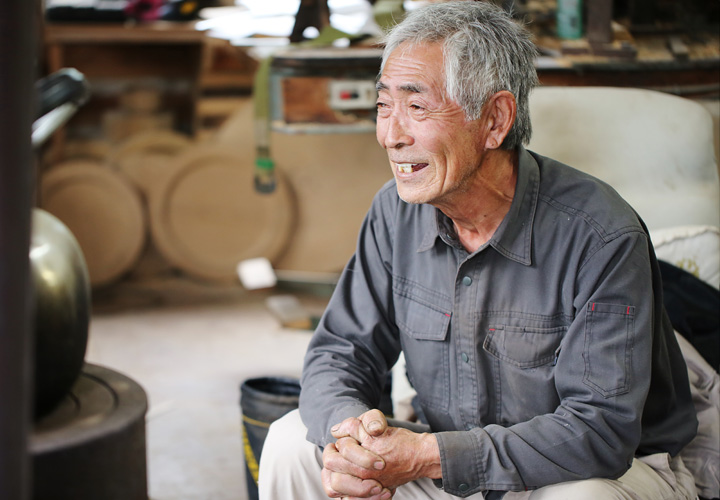
“Having worked together for so long, a short conversation is enough for me to understand what he wants to create.” This style of crafting—where design drawings are barely needed—holds a unique charm.
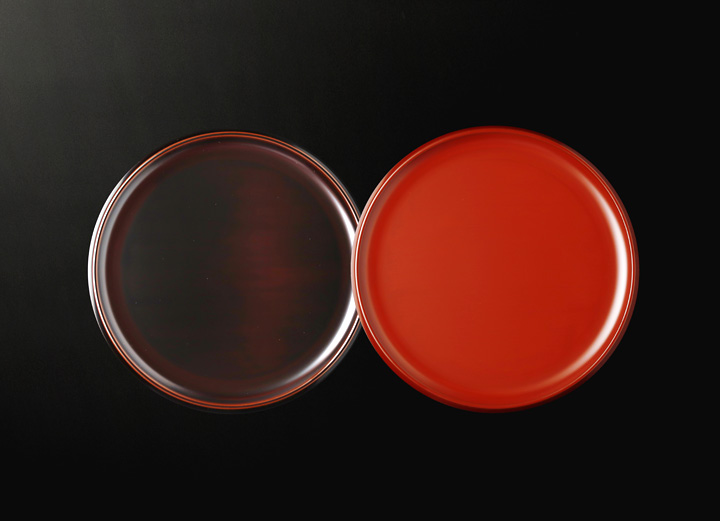
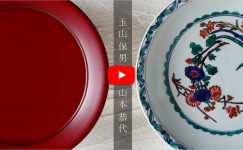
When discussing the creation of a new 6寸 (approx. 18cm) footed plate, both gave an immediate green light: “Sounds great! That’s going to turn out wonderful.”
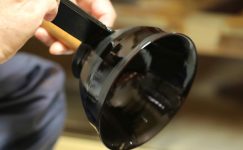
The woodturner was quick to turn the wooden bases specifically for this exhibition.
≪ END ≫
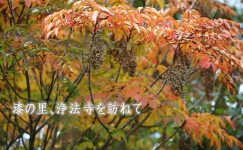
国産漆の最高峰 浄法寺の漆
貴重な国産漆をふんだんに使用する、浄法寺漆。
朱、黒、溜を基調にした落ち着きのある無地の塗りは、使うほどに美しい艶が生まれます。
しかし戦後、生活様式や食生活の変化、安価な輸入漆やプラスチック製品の増加に伴い、浄法寺塗は一時途絶えてしまいます。
そうしたなか岩舘隆さんは、再興を志した漆掻きでもある
父・正二さんの思いを継ぐべく、塗師としての道を歩み始めます。
華やかな蒔絵が脚光を浴びていた時代に、漆の良さを活かすため無地の汁椀を黙々と作り続けた岩舘さん。
その結果、漆だけで重ね塗りをするという、漆産地ならではの特色を活かした技法を編み出します。
浄法寺塗の無地の汁椀を多くの人に使ってもらうため、岩舘さんは当時試験場で熱心に指導してくれた町田俊一さんと共に、東京中のうつわ店を奔走。こうして花田は岩舘さんと出会うことになります。
以来40年、玉山保男さんや浅野奈生さんの他、二戸市の滴生舎でも浄法寺塗を担う人材が次々に頭角を現してきました。
長い挑戦の道を歩んできた岩舘さんにとって、木地師の佐々木米蔵さんの存在は欠くことはできません。
塗師の意図を汲みながら絶妙な味付け加える米蔵さんの仕上げに、
岩舘さんは全幅の信頼を寄せています。
2018年11月21日より始まる「浄法寺漆展」では、ふだん見ることのない二人の手による特別作品や新作も展示予定です。
どうぞご期待ください。
原点の端反椀
長年作り続けている岩舘さんの代表作端反椀。
全体にふっくらとした丸みを帯び、
口縁が僅かに反った形が特徴で、
大らかな美しさを持つ汁椀です。
普段の食卓で気負うことなく取り扱えるよう
木地はやや厚めに仕上げており、
みそ汁、けんちん汁、雑煮、お粥など
幅広いメニューで愉しめるようたっぷりとしたサイズも人気です。
塗り重ね
漆を塗っては研ぐ、塗り重ねを繰り返す技法は、浄法寺塗独自のもの。
はじめて花田を訪れた時「原料から完成品までを生み出せるという地の利を活かしながら、新しい浄法寺塗を再興していくんだ」と語った岩舘さんの志をかたちにしたものが、まさにこの端反椀です。
自ら漆を掻いて
岩舘さんは自ら漆掻きもします。
6月中旬頃から漆掻きのシーズンがはじまると
週に何度か早朝から漆林に入る、忙しい日々が続きます。
「親父が漆掻きをやっていたけど、直接手取り足取り教わったことはないよ。見よう見まねで始めたからね、我流なんだよ。他のみんなの方がずっと上手いよ」
と仰る岩舘さん。
更に漆はご自身の工房で精製し、一年分の漆を調達しています。
漆掻きのシーズンが終われば、今度はお正月用の塗りの仕事が大忙し。
このサイクルで何十年と仕事をし続けているのです。
浄法寺では今、多くの掻き師や塗り師がその岩舘さんの背中を見て
慕い、多くを学び続けています。
▼浄法寺 塗りの様子はこちらから▼
挑戦は楽しく
「当時岩舘さんは塗師として駆け出しで、私も大野(現在の岩手県洋野町、旧大野村)に来たばかり。お互い若くて右も左もわからない者同士だったから、怖いもの知らずでね。なんでも夢中でやって来れたんだ」と笑いながら語る木地師の佐々木米蔵さん。
新作の打ち合わせは「大体こんな感じ、あんな感じ」でお互い通じ合うのだそうです。
「もう長年やって来たからね。岩舘さんこんな風にしたいんだろうなというのが、ちょっと話せば大体のところは分かるのよ」と。図面はあってないようなモノ作りのスタイルがとても魅力的です。
新作高台6寸皿について制作を相談した所「いいね!それ、良いものになるよ」と、お二人とも瞬時にGOサイン。
佐々木米蔵さんは今回の展覧会用に、真っ先に生地を挽いてくださいました。